

The landscape of North American winter tourism is undergoing a significant shift as the 2026-2027 ski season approaches. For decades, a handful of marquee destinations—Jackson Hole, Wyoming; Telluride, Colorado; Park City, Utah; Aspen, Colorado; and Stowe, Vermont—have dominated the "best of" lists and captured the lion’s share of international and domestic tourism revenue. However, data from the 2025-2026 season indicates a growing "mega-resort fatigue" among enthusiasts. High lift ticket prices, which in some premier locations have surpassed $300 per day, combined with record-breaking crowds and the homogenization of resort villages, have driven a surge in interest toward smaller, "authentic" ski towns.
These emerging destinations are defined by a specific set of criteria: a shorter distance between the town center and the slopes, a high ratio of locally owned businesses to corporate chains, and a preserved historical identity. Market analysts suggest that the rise of remote work has also allowed "ski nomads" to spend longer periods in these off-the-beaten-path locations, favoring community and character over high-speed gondolas and luxury brand retail.
The following seven towns represent the vanguard of this movement, offering a blend of challenging terrain and genuine cultural heritage that is becoming increasingly rare in the modern ski industry.
1. Red Lodge, Montana: The Gateway to the Beartooths
Located approximately 60 miles southwest of Billings and 2.5 hours east of Bozeman, Red Lodge remains one of the last bastions of "Old Montana." While the nearby Big Sky Resort has seen massive capital investment and rising property values, Red Lodge has maintained a steady, community-focused growth trajectory.
Historically a coal-mining hub in the late 19th century, the town’s Main Street is a designated National Historic District. The architecture—characterized by Western-style brick storefronts—houses a mix of dive bars, artisan galleries, and local cafes that cater more to residents than to transient tourists. Red Lodge Mountain, located just outside of town, offers a vertical drop of 2,400 feet and 1,635 acres of skiable terrain.
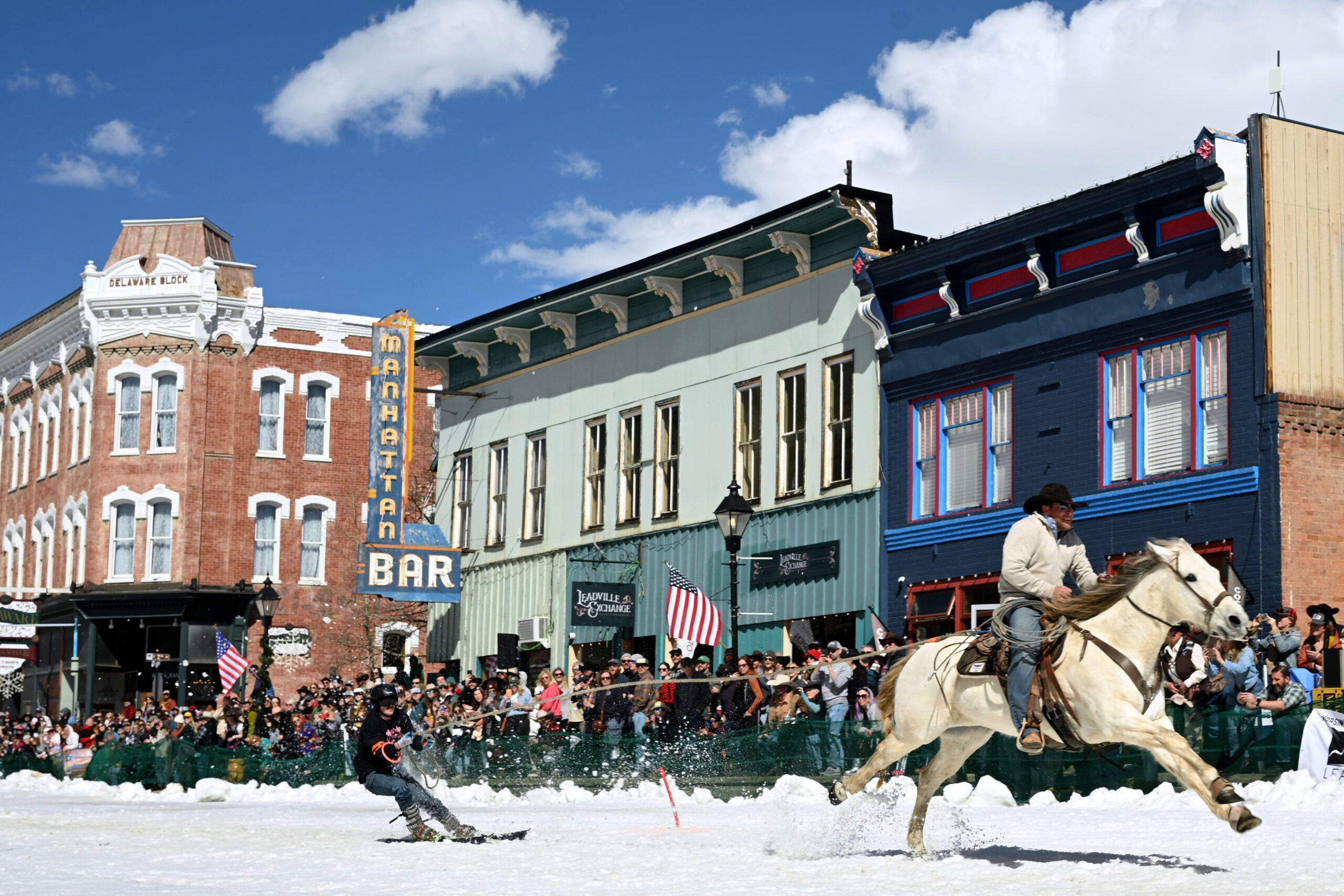
Industry data shows that Red Lodge attracts a "purist" demographic. Unlike the polished experience of Bozeman-adjacent resorts, Red Lodge is known for its "scrappy" terrain—steep chutes and glades that remain uncrowded even on peak weekends. "We aren’t trying to be the next major destination," says a representative from the local Chamber of Commerce in a recent town hall summary. "Our value lies in the fact that you can still walk into a bar here and talk to the person who groomed the run you skied that morning."
2. Ruidoso, New Mexico: High-Altitude Southwestern Charm
Ruidoso presents a unique case study in Southwestern ski culture. Situated in the Sierra Blanca mountain range at an elevation of 6,920 feet, the town serves as a gateway to Ski Apache, which is owned and operated by the Mescalero Apache Tribe.
While Taos Ski Valley to the north receives more international acclaim, Ruidoso has cultivated a loyal following by blending an eclectic arts scene with rugged outdoor access. The town is famous for its resident elk population, which frequently wanders through the downtown shopping district. Ski Apache is notable not only for its 12,000-foot summit but also for hosting the only gondola in New Mexico, providing panoramic views of the White Sands National Park in the distance.
Economic reports from the New Mexico Tourism Department indicate that Ruidoso has seen a 12% increase in out-of-state visitors over the last two years, largely driven by travelers seeking a "value-oriented" alternative to Colorado. The town’s infrastructure, which includes several casinos and a thriving brewery scene, provides a robust après-ski experience without the "velvet rope" exclusivity of northern neighbors.
3. Waitsfield, Vermont: The Heart of the Mad River Valley
In the Northeast, where corporate consolidation has radically altered the skiing landscape, Waitsfield stands as a defiant outlier. Located in the Mad River Valley, the town is defined by its refusal to modernize in ways that would compromise its rural character. There are no traffic lights in the town, and local zoning laws have successfully kept big-box retailers at bay.
The town serves two primary ski areas: Sugarbush Resort and Mad River Glen. The latter is a cooperative-owned mountain famous for its "Ski It If You Can" motto and its refusal to allow snowboarders—a policy that, while controversial, has helped preserve a specific vintage skiing culture.
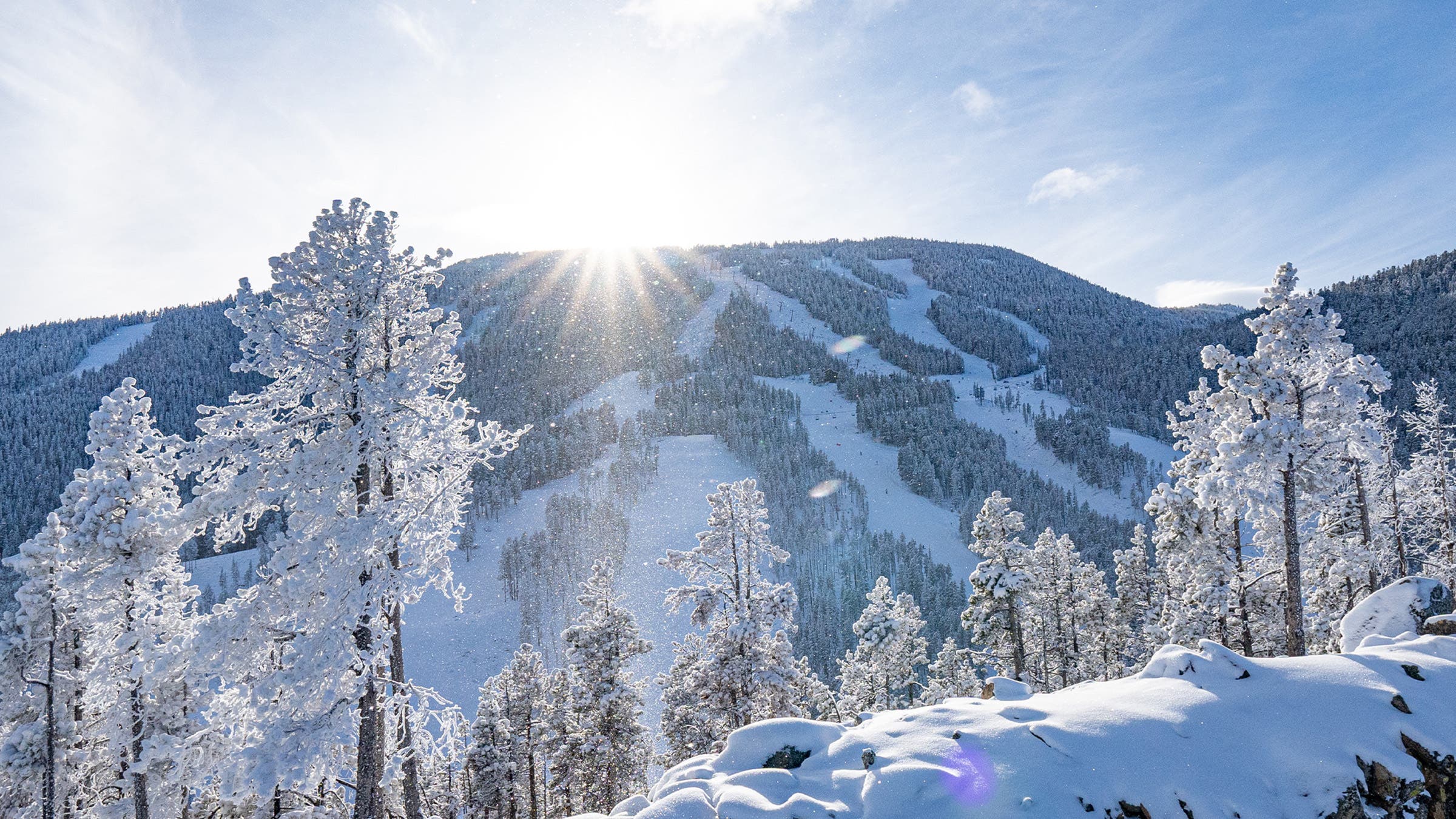
The economic impact of this "slow growth" philosophy is evident in the town’s real estate market, which favors historic farmhouse renovations over new condo developments. Tourism officials in the Mad River Valley note that their visitors are often multi-generational families who value the area’s covered bridges and white-steepled churches as much as the legendary tree skiing.
4. McCall, Idaho: A Multi-Sport Winter Sanctuary
McCall, situated on the southern shore of Payette Lake, has transitioned from a 20th-century timber town into a premier year-round recreation hub. While Sun Valley captures the luxury market in Idaho, McCall offers a more rugged, "Pacific Northwest" sensibility.
The town is anchored by Brundage Mountain, which averages over 300 inches of snowfall annually. The resort is frequently cited in industry surveys for its "Best Snow in Idaho," yet it remains largely free of the lift lines found in the Wasatch or Front Range. Beyond downhill skiing, McCall has invested heavily in winter festivals. The McCall Winter Carnival, a tradition since the 1960s, draws upwards of 60,000 visitors for its world-class snow sculptures and torchlight parades.
Local officials highlight the town’s diversification as its greatest strength. With access to Nordic skiing, snowmobiling in the Payette National Forest, and natural hot springs, McCall functions as a comprehensive "winter wonderland" rather than a singular-focus ski destination.
5. Leadville, Colorado: High-Altitude Authenticity
At 10,152 feet, Leadville is the highest incorporated city in North America. Its history is inextricably linked to the 1879 silver boom, and the town’s Victorian architecture remains largely intact. For decades, Leadville was seen primarily as a residential "bedroom community" for workers in nearby Vail and Aspen. However, in 2026, it has emerged as a destination in its own right for those seeking a "no-frills" Colorado experience.
Ski Cooper, located 10 miles from town, serves as the primary ski area. It is one of the oldest ski resorts in the U.S., having served as a training site for the 10th Mountain Division during World War II. Today, it is celebrated for its affordability and its snowcat skiing on Chicago Ridge.
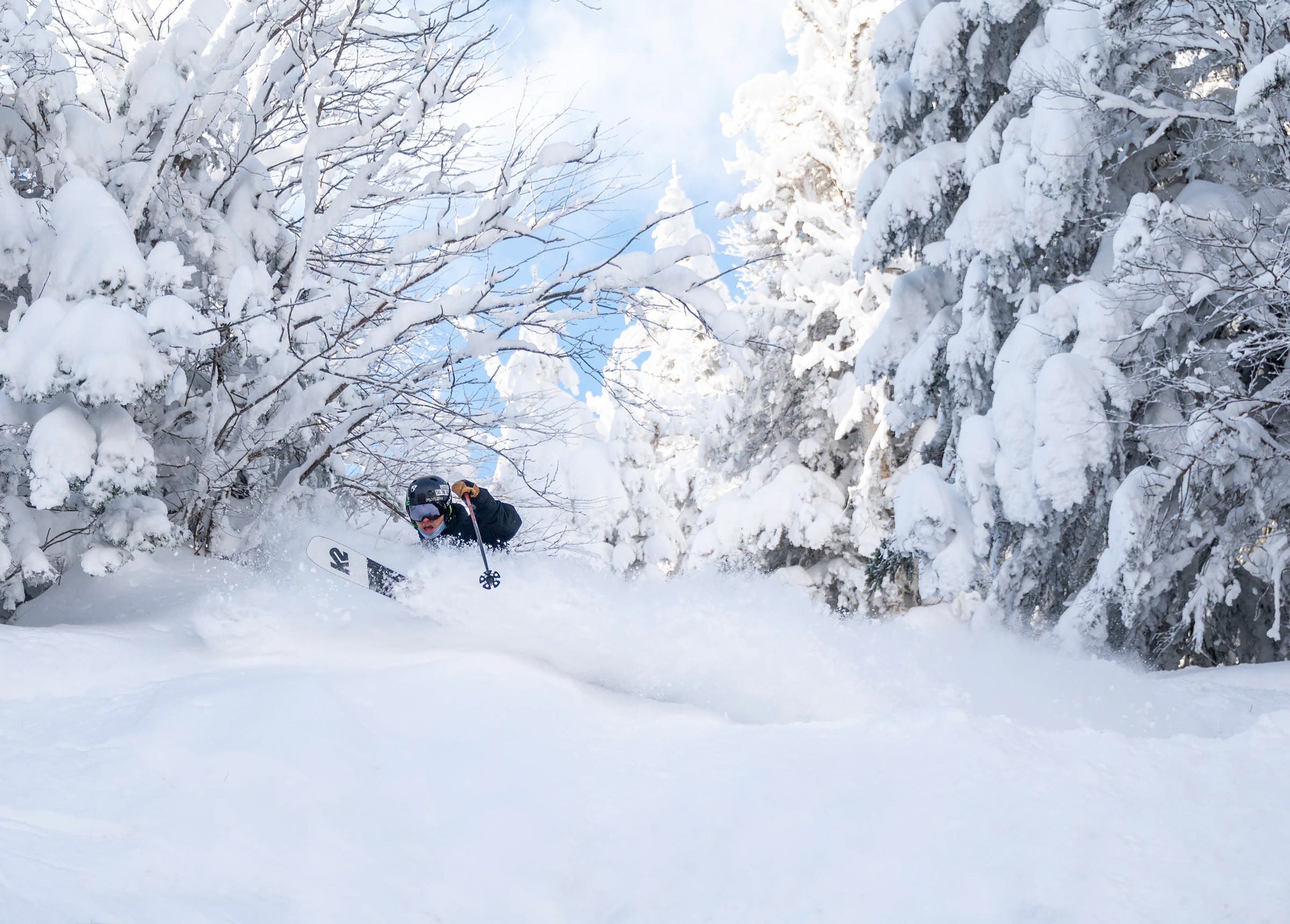
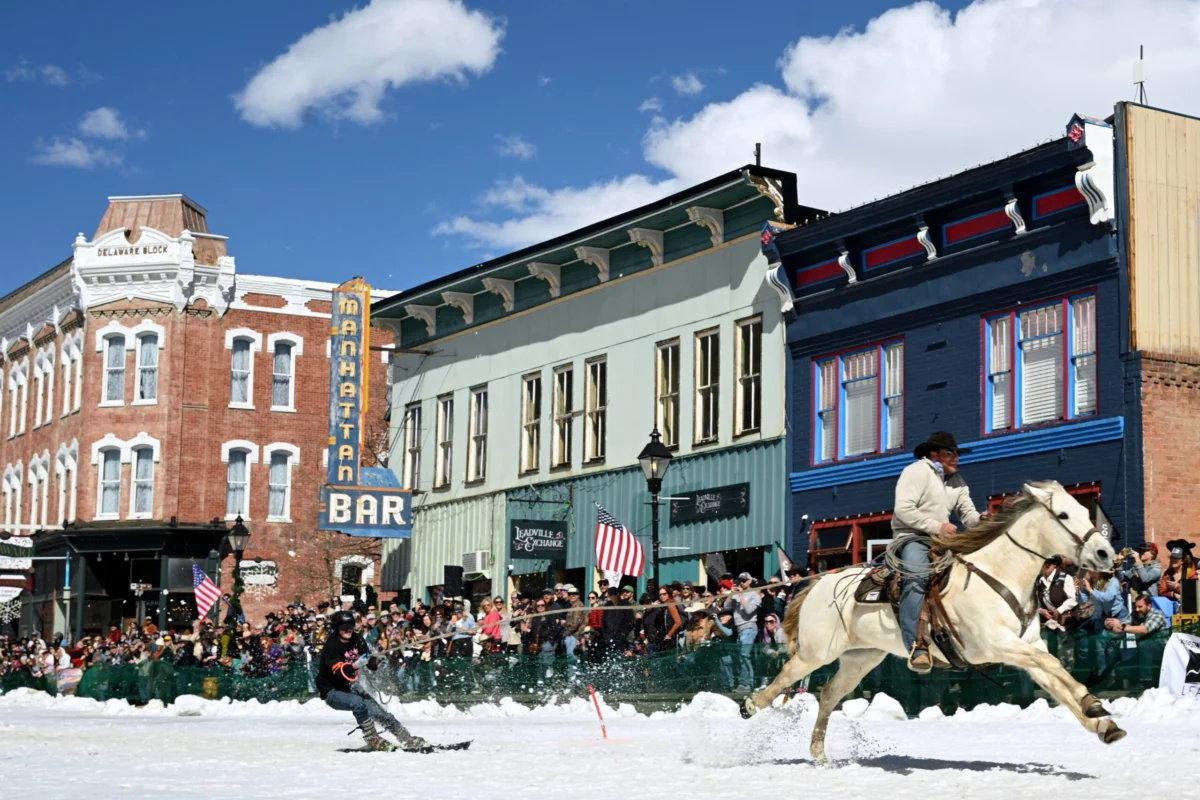
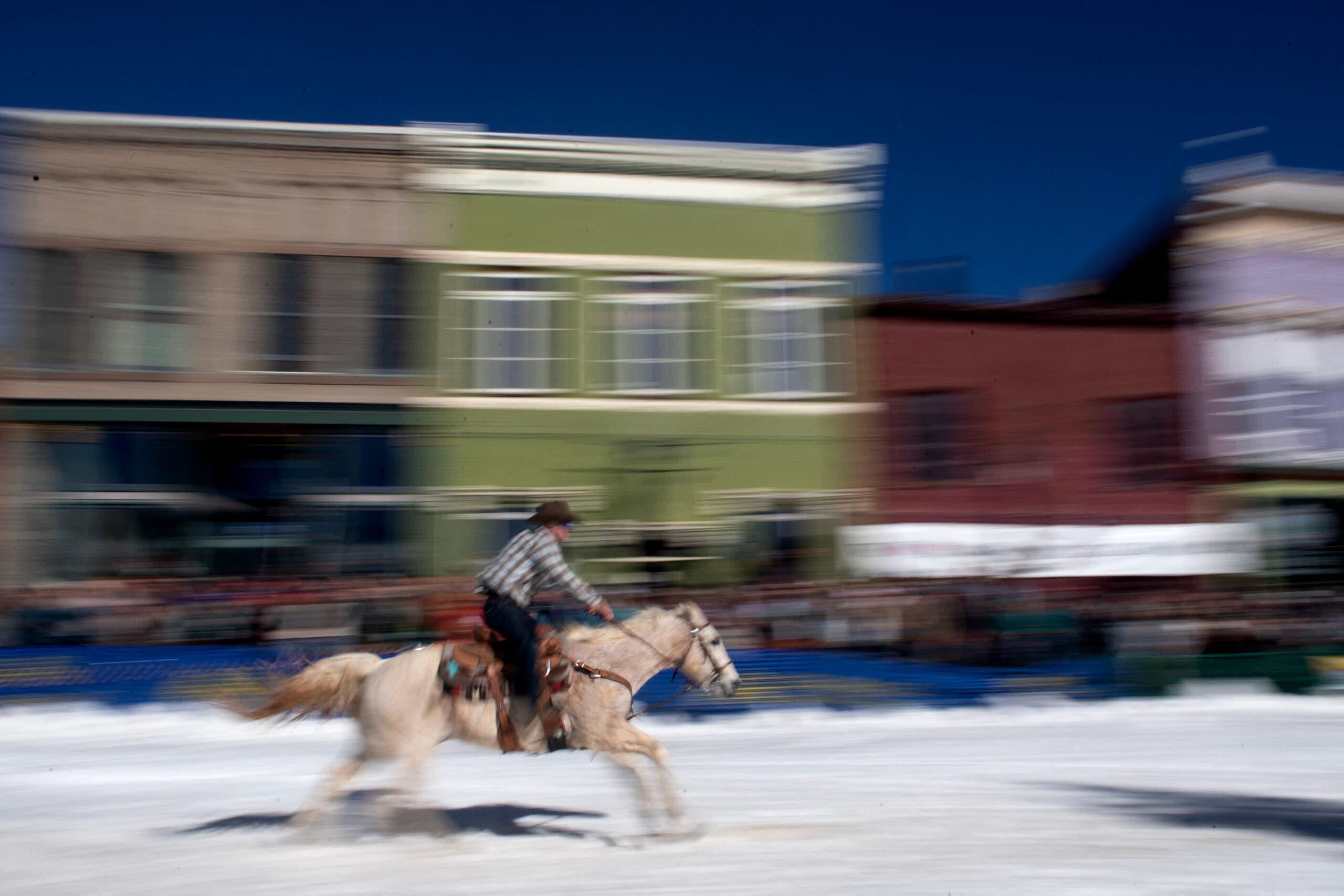
The town’s signature event, Ski Joring—where a horse pulls a skier through a series of jumps and obstacles down the main street—encapsulates Leadville’s rugged identity. "Leadville is for people who think the rest of Colorado has become too soft," says a local historian. The town’s grit is its primary selling point, attracting a demographic that prefers historic hotels and local "haunts" over five-star resorts.
6. Sisters, Oregon: The Old West of the Cascades
Sisters is unique for its municipal "Western Frontier" architectural theme, mandated by city ordinance since the 1970s. This gives the town a cinematic quality, but the outdoor culture here is deeply authentic. Located at the base of the Three Sisters peaks, the town is a 30-minute drive from Hoodoo Ski Area.
Hoodoo is a family-owned resort that epitomizes the "old-school" ski experience. With a focus on night skiing and a relaxed, "Manzanita-and-fir" atmosphere, it serves as a counterpoint to the larger, more crowded Mt. Bachelor nearby. Sisters itself has become a hub for high-end craft culture, featuring renowned quilt shops, custom furniture makers, and specialty coffee roasters.
The town’s strategic location—where the high desert meets the Cascade Mountains—allows for a "dual-sport" day: skiing in the morning and mountain biking or fly fishing in the lower elevations in the afternoon. This versatility has made Sisters a top choice for younger travelers and "van-life" enthusiasts.
7. Harbor Springs, Michigan: The Midwest’s Coastal Retreat
Harbor Springs, located on the deep-water harbor of Little Traverse Bay, offers a refined take on the Midwest skiing experience. While the vertical drops in Michigan cannot compete with the Rockies, the community surrounding Boyne Highlands and Nub’s Nob is among the most passionate in the country.
Nub’s Nob, in particular, has achieved legendary status for its snowmaking and grooming capabilities, often winning national awards for terrain quality. Harbor Springs provides a sophisticated base camp, with a downtown area characterized by Victorian-era "summer cottages" and upscale independent boutiques.
"There is a sense of permanence here," notes a regional tourism analyst. "Families have been coming to Harbor Springs for five generations. In the winter, it becomes a quiet, intimate enclave where the focus is entirely on the sport and the community."
Analysis of Broader Implications
The rise of these seven towns signifies a broader trend toward "experiential" rather than "trophy" travel. In a 2025 consumer survey, 64% of active skiers cited "crowd density" as their primary reason for seeking new destinations. Furthermore, the economic disparity between "Pass-heavy" resorts and independent mountains has created a bifurcated market.
While the "Big Five" towns will likely continue to thrive as luxury hubs, the "underrated" towns are capturing a vital segment of the market: the middle-class enthusiast and the adventure seeker. These towns face a delicate balancing act. As they gain popularity, they must manage the pressures of rising housing costs and infrastructure strain without losing the very "authenticity" that made them attractive.
As the 2026 season progresses, the success of places like Red Lodge and Leadville suggests that the future of American skiing may not be found in more high-speed lifts or heated sidewalks, but in the preservation of the rugged, independent spirit that founded the industry nearly a century ago. For the traveler, these towns offer a rare opportunity to experience a destination that is still, in every sense, itself.
