

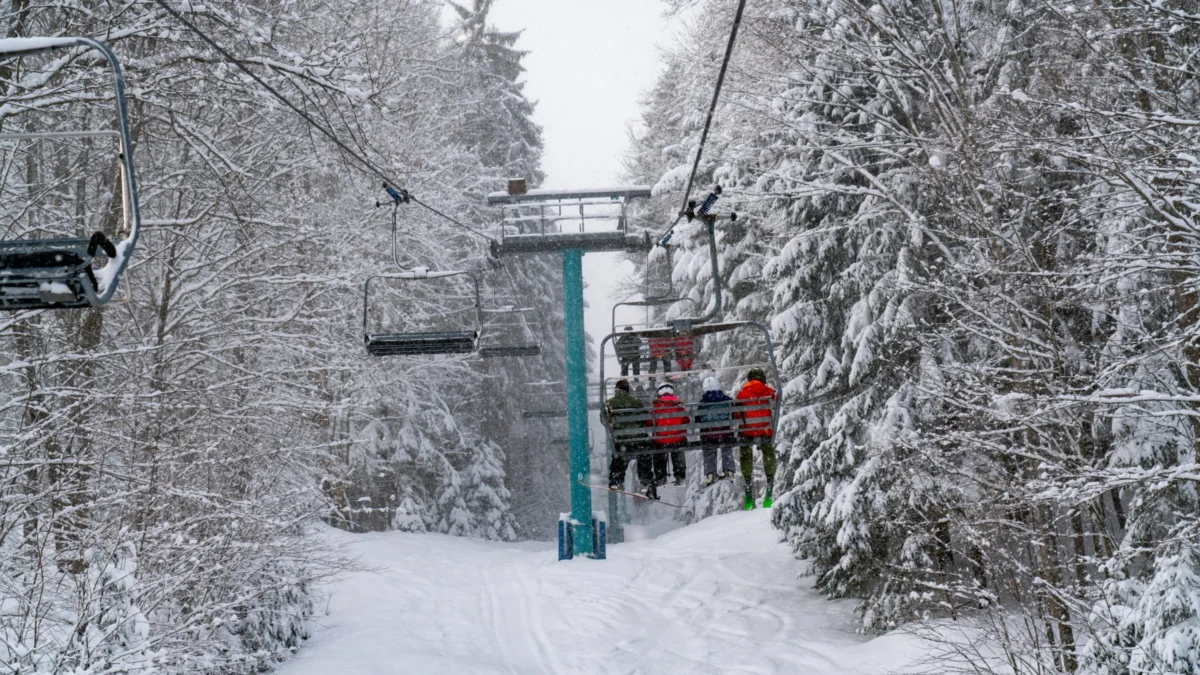
Holiday Valley Resort, situated in the picturesque hills of Ellicottville, New York, has officially solidified its status as one of the premier outdoor destinations in North America, recently securing the No. 4 spot in the Eastern United States according to a comprehensive survey of ski enthusiasts and industry experts. Located approximately 50 miles south of Buffalo, the resort has emerged from its "under-the-radar" status to become a benchmark for independent ski operations, blending high-capacity modern infrastructure with the intimate charm of a traditional mountain community. This ranking reflects a growing consumer preference for resorts that offer a balance of technical skiing conditions, reliable snow production, and a robust four-season recreational portfolio.
A Legacy of Independent Operation and Strategic Growth
The ascent of Holiday Valley to the top tier of Eastern resorts is a narrative rooted in nearly seven decades of independent management. Founded in 1958, the resort began as a modest local hill with just a handful of trails and primitive lift systems. Unlike many of its contemporaries in the Northeast, which have been absorbed by large-scale corporate entities and multi-mountain pass conglomerates, Holiday Valley has remained fiercely independent. This autonomy has allowed the resort to reinvest its earnings directly back into the guest experience, leading to a level of infrastructure modernization that rivals much larger Western destinations.
The resort’s growth trajectory has been marked by a series of calculated expansions. In the 1960s and 70s, the focus was on expanding the trail network and pioneering snowmaking technology—a necessity in the fluctuating climate of the Appalachian Plateau. By the 1990s and early 2000s, the resort shifted toward diversifying its offerings, transforming into a true year-round destination. The construction of the Tamarack Club and the Inn at Holiday Valley provided slopeside luxury that anchored the resort’s hospitality wing, while the development of the Sky High Adventure Park and the Double Black Diamond golf course ensured economic viability during the summer months.
Technical Specifications and the Lake-Effect Advantage
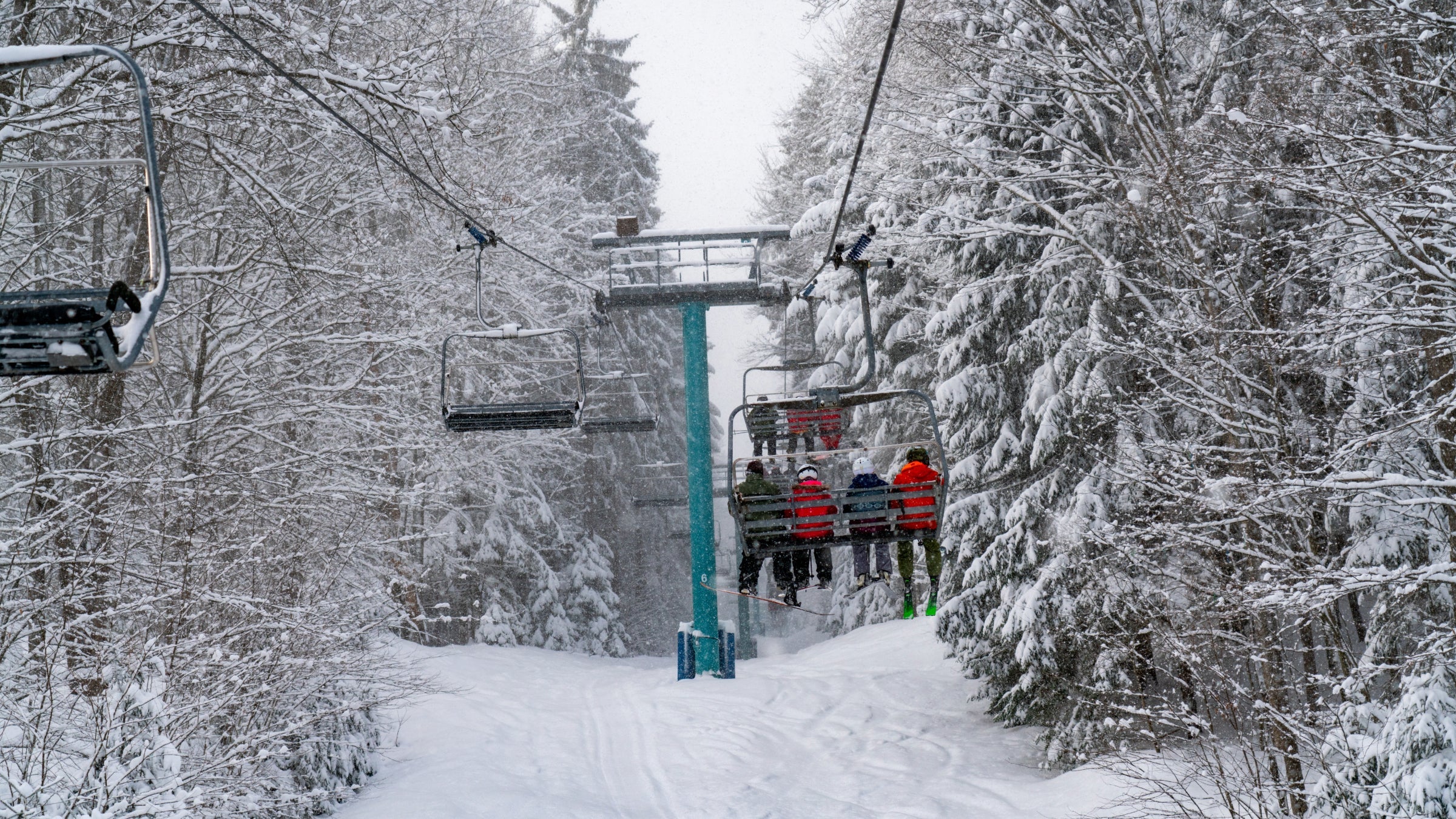
The core of Holiday Valley’s appeal remains its winter sports program. Despite a vertical drop of just under 1,000 feet—modest compared to the peaks of the Green Mountains or the Adirondacks—the resort maximizes its 290 acres of skiable terrain through expert trail design and high-efficiency lift management. The resort currently operates 13 modern lifts, including high-speed quads that significantly reduce wait times, a metric that heavily influenced its recent high ranking among readers who are increasingly frustrated by overcrowding at corporate-owned mountains.
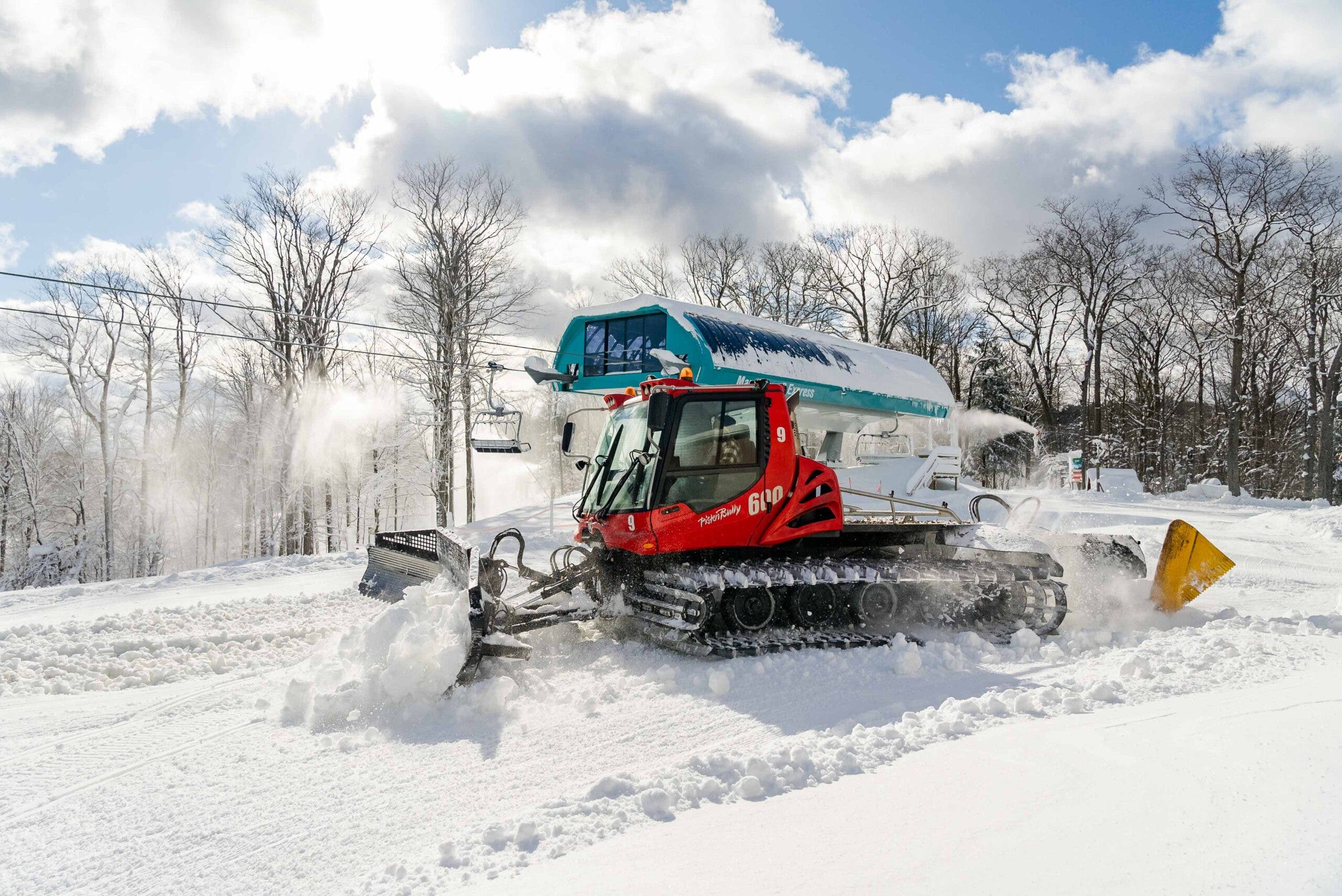
Geographically, Holiday Valley benefits from a unique meteorological phenomenon: the Lake Erie "snow machine." As cold arctic air masses move across the relatively warm waters of Lake Erie, they pick up significant moisture, which is then deposited as heavy "lake-effect" snow upon reaching the higher elevations of the Allegheny foothills. This provides the resort with some of the most consistent natural snowfall in New York State. To supplement this, Holiday Valley has invested in one of the most sophisticated snowmaking systems in the country, featuring an automated network that can cover nearly 95% of the terrain, ensuring a reliable season that typically stretches from late November through April.
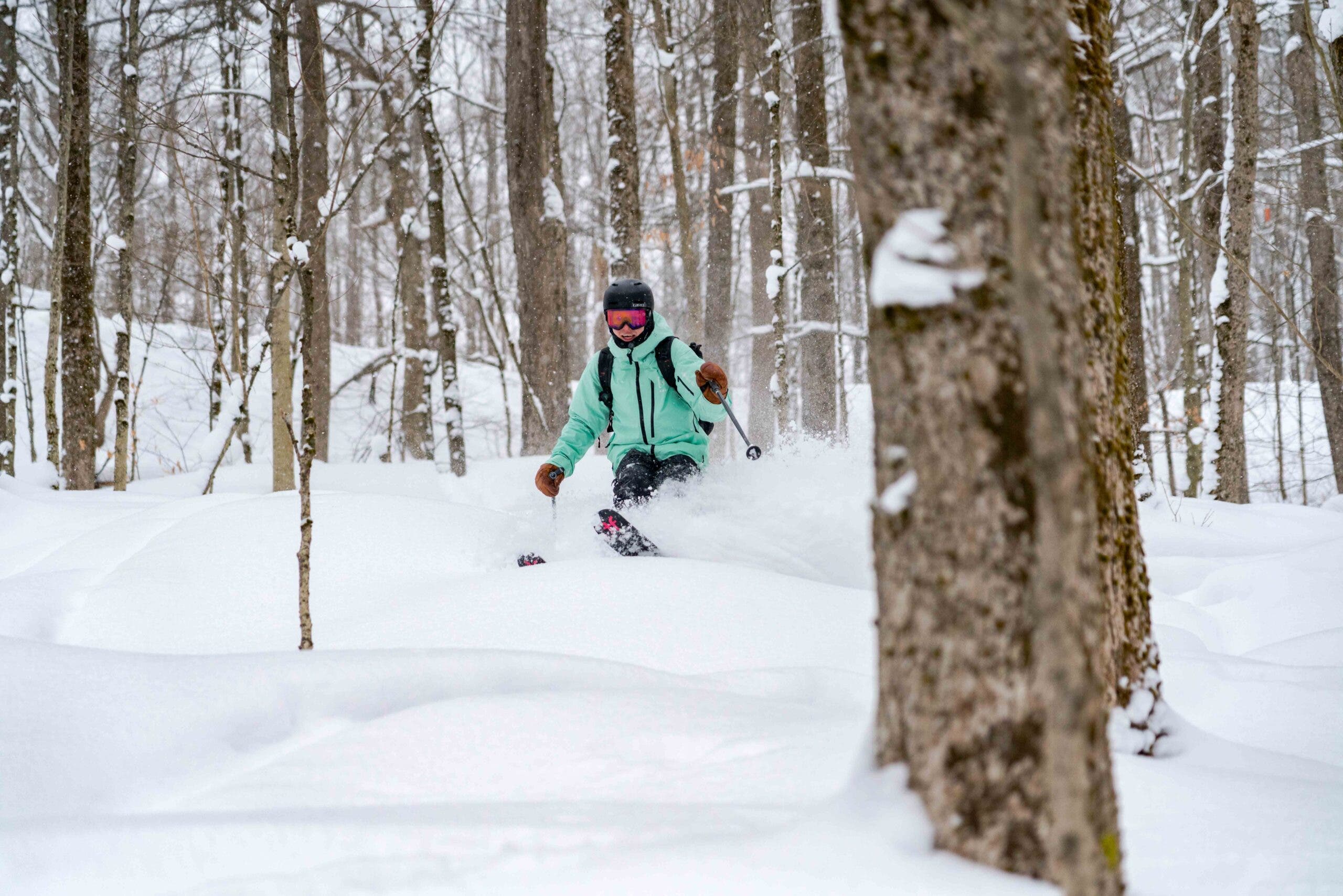
The trail map is divided into several distinct "faces," each offering a different character of skiing. The Tannenbaum area is celebrated for its gladed runs and serene, winding trails that offer a "big mountain" feel in a compact setting. Conversely, the Yodeler and Wall areas provide the steep, technical pitches required by advanced skiers and racers.
The Symbiotic Relationship with Ellicottville
A critical component of Holiday Valley’s success is its proximity to the village of Ellicottville, located just one mile from the resort’s base lodges. This relationship creates a "ski town" atmosphere that is often cited as a primary reason for the resort’s high marks in "après-ski" and "character" categories. Ellicottville serves as a cultural hub, featuring a high density of locally owned boutiques, microbreweries, and fine-dining establishments that operate in historic 19th-century buildings.
Industry analysts note that this synergy between a high-functioning resort and an authentic, walkable village is a rarity in the mid-Atlantic and Western New York regions. The village’s ability to host large-scale events, such as the Fall Festival and various winter carnivals, provides a steady stream of tourism revenue that supports both the municipal infrastructure and the resort’s seasonal staffing needs. This local ecosystem has proven resilient against the economic pressures that have seen other small-town ski areas struggle to maintain their identity.
Expansion into a Four-Season Economic Model
While skiing remains the primary draw, Holiday Valley has successfully mitigated the risks associated with shorter winters by developing a comprehensive summer and autumn program. This diversification is a key pillar of the resort’s long-term sustainability strategy.
- Sky High Adventure Park: This facility includes the largest aerial adventure course in New York State, a climbing forest, and a mountain coaster that winds through the woods. These attractions cater to a younger demographic and families, providing a steady "adventure tourism" draw from May through October.
- Golf and Mountain Biking: The Double Black Diamond golf course is recognized for its challenging topography and scenic vistas, while the resort’s mountain biking trails have become a destination for the growing off-road cycling community in the Great Lakes region.
- Conference and Event Hosting: With extensive slopeside lodging and multi-purpose base lodges, Holiday Valley has become a regional center for corporate retreats and weddings, ensuring high occupancy rates for the Inn at Holiday Valley and the Tamarack Club throughout the midweek periods.
Industry Context and Competitive Analysis
The ranking of Holiday Valley as No. 4 in the East places it in the company of legendary Vermont destinations like Mad River Glen, Smugglers’ Notch, and Jay Peak. For a resort in Western New York to achieve this status is significant. It suggests a shift in the market where "accessibility" and "value" are becoming as important as "vertical drop."
Observers in the ski industry suggest that Holiday Valley’s success is a direct result of its refusal to join the "race to the bottom" regarding lift ticket pricing and overcrowding. By maintaining an independent pricing structure and focusing on the "local" experience, the resort has cultivated a fiercely loyal customer base from Buffalo, Cleveland, Pittsburgh, and Southern Ontario. This loyalty is reflected in the high volume of repeat visitors and the strong demand for the resort’s rental management properties.
Environmental Stewardship and Future Challenges
As with all winter-dependent businesses, Holiday Valley faces the ongoing challenge of climate change. The resort’s response has been proactive, focusing on energy-efficient snowmaking and water conservation. By utilizing high-efficiency snow guns that require less compressed air and electricity, the resort has managed to increase its snow production capacity while simultaneously reducing its carbon footprint.
Furthermore, the resort’s management has indicated that future capital projects will continue to focus on "smart growth"—improving the quality of existing trails and facilities rather than simply expanding for the sake of acreage. This includes ongoing upgrades to the lift infrastructure and the potential for expanded night skiing, a popular feature for the local workforce and students in the Buffalo-Niagara corridor.
Conclusion: The "Holiday Valley" Effect
The recent accolades for Holiday Valley Resort serve as a testament to the viability of the independent resort model in the 21st century. By prioritizing the guest experience, maintaining a deep connection to its host community, and diversifying its seasonal offerings, Holiday Valley has transcended its role as a local ski hill to become a major player in the Eastern tourism market.
As the resort enters its eighth decade of operation, the "Holiday Valley effect"—a combination of technical excellence, community integration, and year-round utility—remains a blueprint for how mid-sized resorts can thrive in an increasingly consolidated industry. For visitors, it offers a reminder that world-class outdoor adventure does not always require a trip to the Rockies or the Alps; sometimes, it is found just 45 minutes south of a major metropolitan center, tucked away in the snowy ridges of Western New York.
