

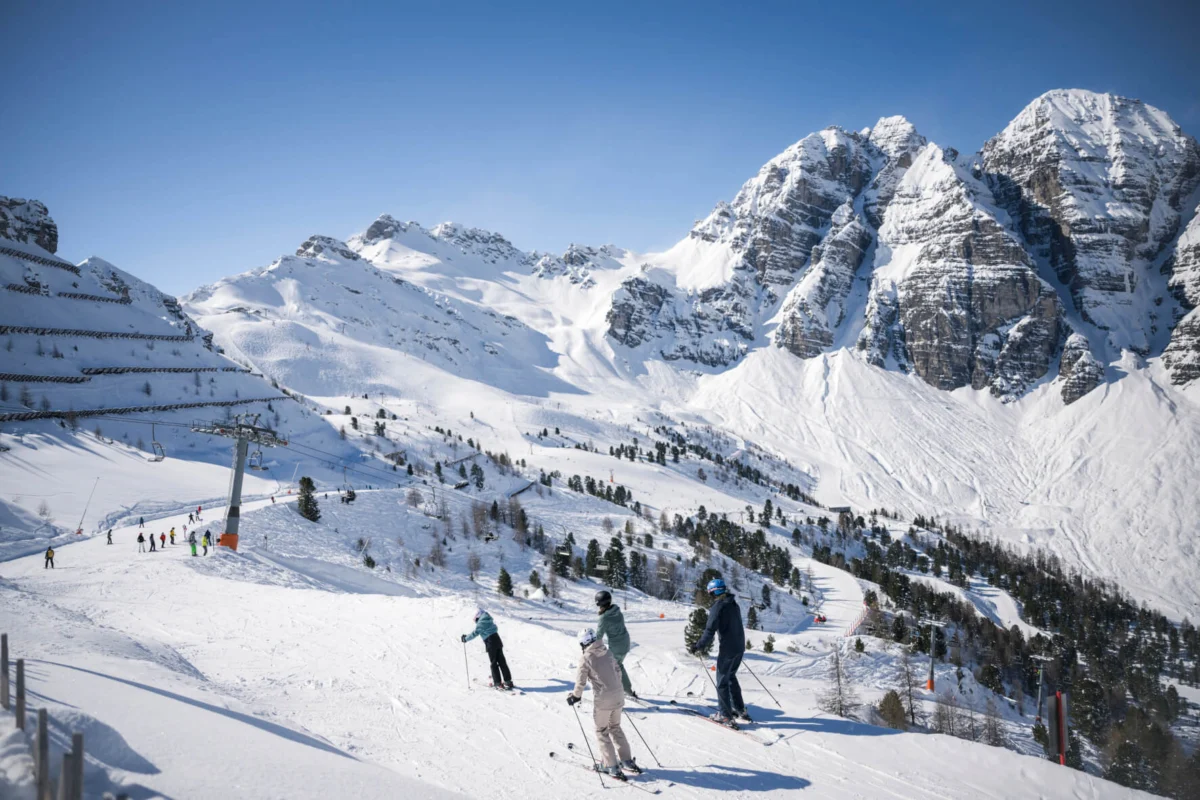
The landscape of global winter sports has undergone a profound economic transformation over the last six decades, evolving from a localized recreational activity into a high-cost international luxury industry. While skiing has historically been viewed as a privileged pursuit, market data from the 2020s indicates a widening price disparity between North American resorts and their European counterparts. In the 1960s, a day pass at regional American mountains, such as Sunday River in Maine, could be secured for the equivalent of a few hours of entry-level wages. However, as of July 2026, the cumulative costs of equipment, lodging, and lift access in the United States, Canada, and Australia have reached record highs, prompting a strategic shift among budget-conscious travelers toward the European Alps.
Industry analysts note that while inflation has affected the European market, the rate of increase has not matched the aggressive pricing structures seen in North America. Currently, travelers utilizing multi-resort passes such as the Epic, Ikon, and Indy Pass find that their international coverage significantly offsets the primary expense of mountain access. In the current economic climate, a comprehensive ski excursion to the Alps can be executed for under $100 per day, excluding airfare—a figure that is increasingly unattainable in premier United States destinations.
Historical Context and the Evolution of Ski Costs
The transition from the "Golden Age" of skiing in the mid-20th century to the modern era of the "megapass" reflects broader shifts in global tourism. During the 1960s and 70s, skiing was characterized by independent ownership and regional accessibility. The consolidation of the industry, beginning in the late 1990s and accelerating through the 2010s, led to the rise of corporate resort conglomerates. This shift prioritized high-end amenities and real estate development, driving up the cost of secondary expenses such as food and beverage and on-mountain lodging.
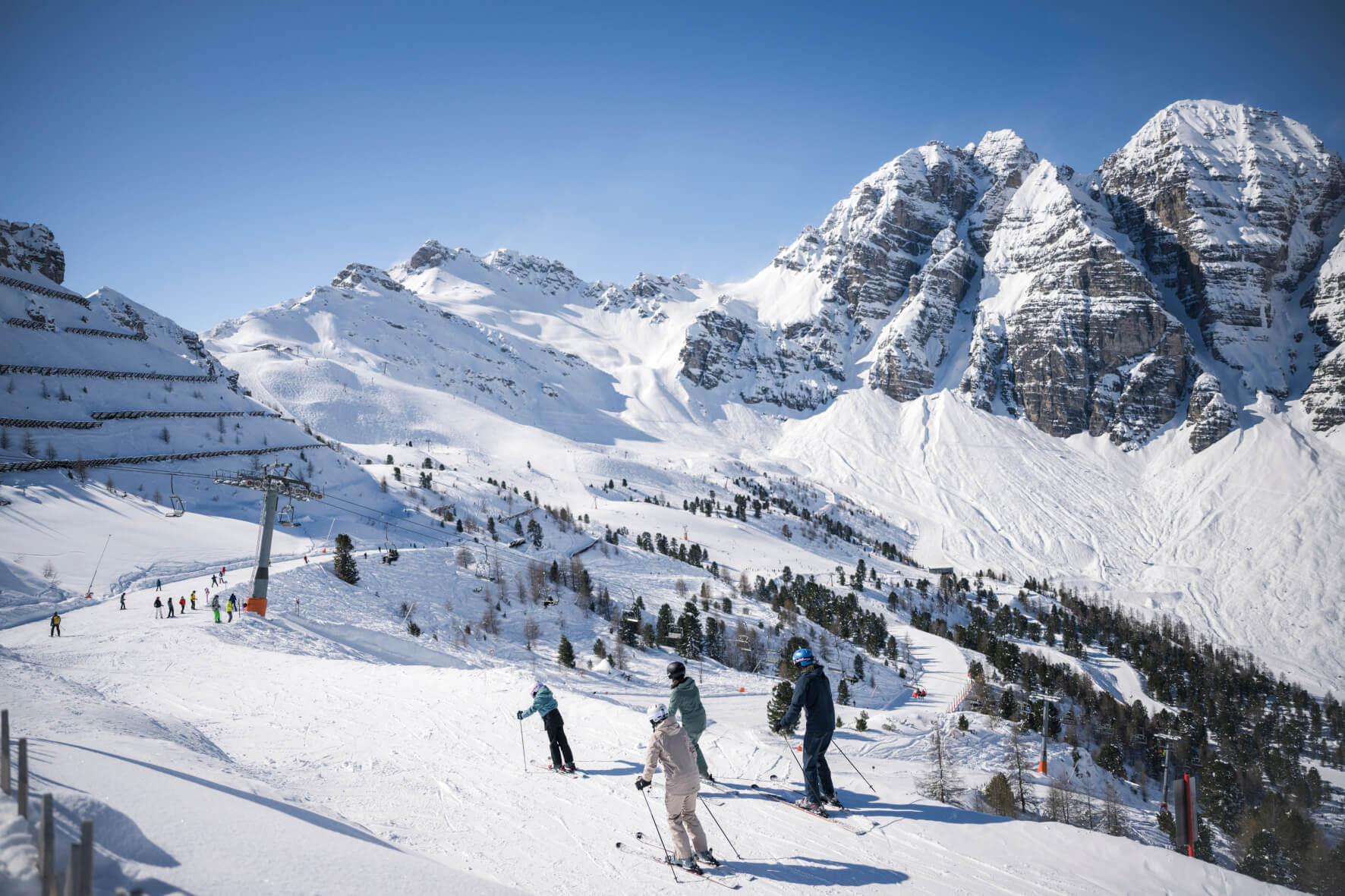
By 2026, the "premiumization" of the North American ski experience has created a market vacuum for the middle-class traveler. In contrast, the European model maintains a diverse range of price points, largely due to the higher density of skiable terrain and a more fragmented ownership structure that encourages competitive pricing. The integration of American-based passes into European networks has further incentivized trans-Atlantic travel, as the marginal cost of a European ski day continues to drop relative to domestic options.
Regional Economic Disparities: The Alpine Price Hierarchy
A comparative analysis of Alpine nations reveals a distinct hierarchy regarding cost-efficiency. Market data identifies Italy as the most budget-friendly destination, followed by France, Austria, and finally Switzerland, which remains the most expensive market in the region.
The price differential between Italy and Switzerland is particularly stark. On average, the cost of lodging, groceries, and dining in Italian resorts ranges from 50 to 75 percent of the price for equivalent services in Switzerland. This disparity extends to basic consumer staples; for instance, a premium espresso in an Italian mountain village typically costs approximately $1.50, whereas a similar beverage in a Swiss resort can exceed $5.00. Similar trends are observed in the price of bread and basic groceries, where French and Italian markets offer significantly higher value for the consumer dollar.
Seasonal Strategies and the "Janvril" Phenomenon
Timing remains a critical factor in the economics of Alpine travel. The month of April has emerged as the primary "discount season" for the region. During this period, accommodation rates often plummet by as much as 50 percent compared to peak January or February dates. While lift ticket prices do not always see a commensurate 50 percent reduction, many resorts offer spring incentives to maintain occupancy.
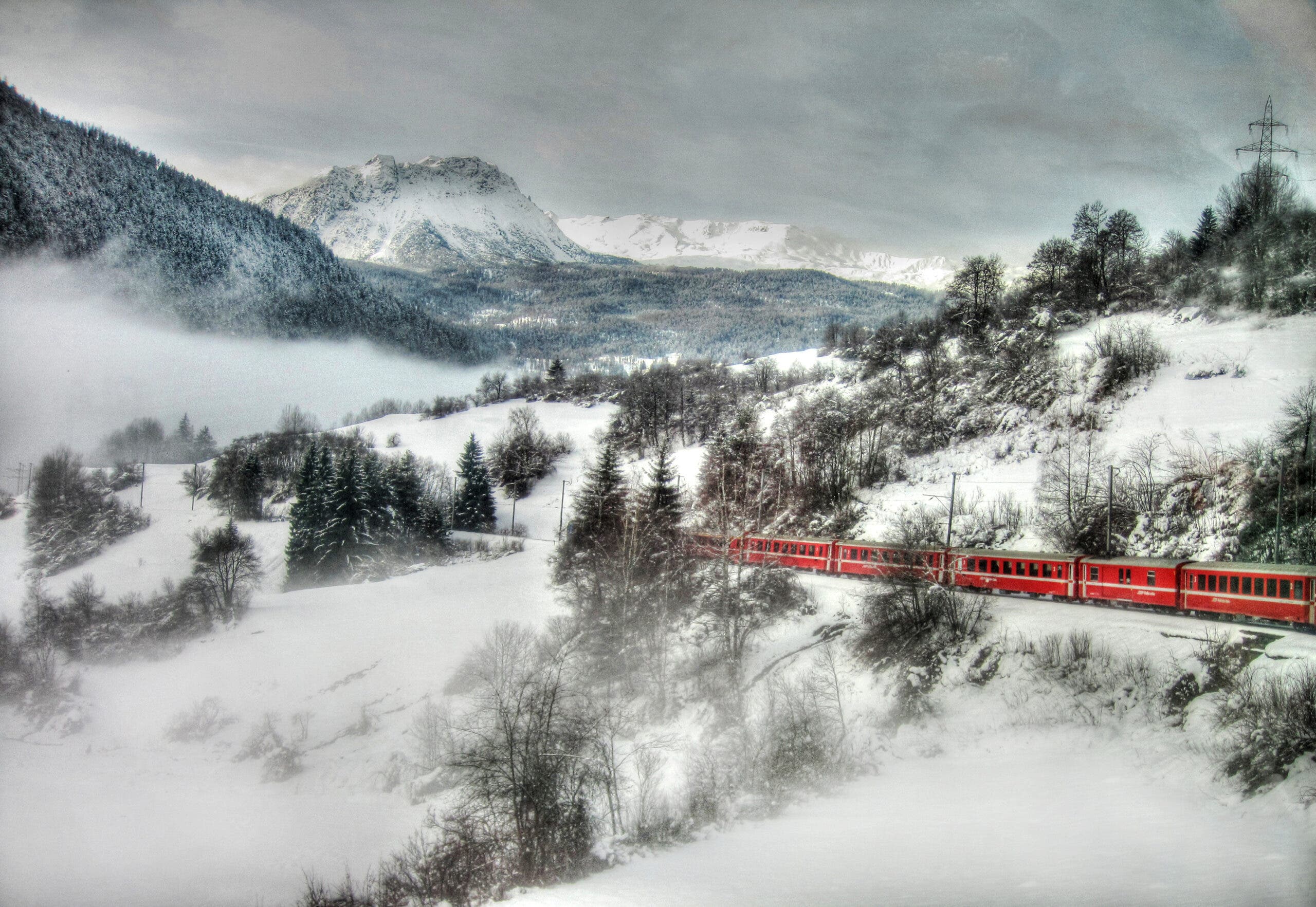
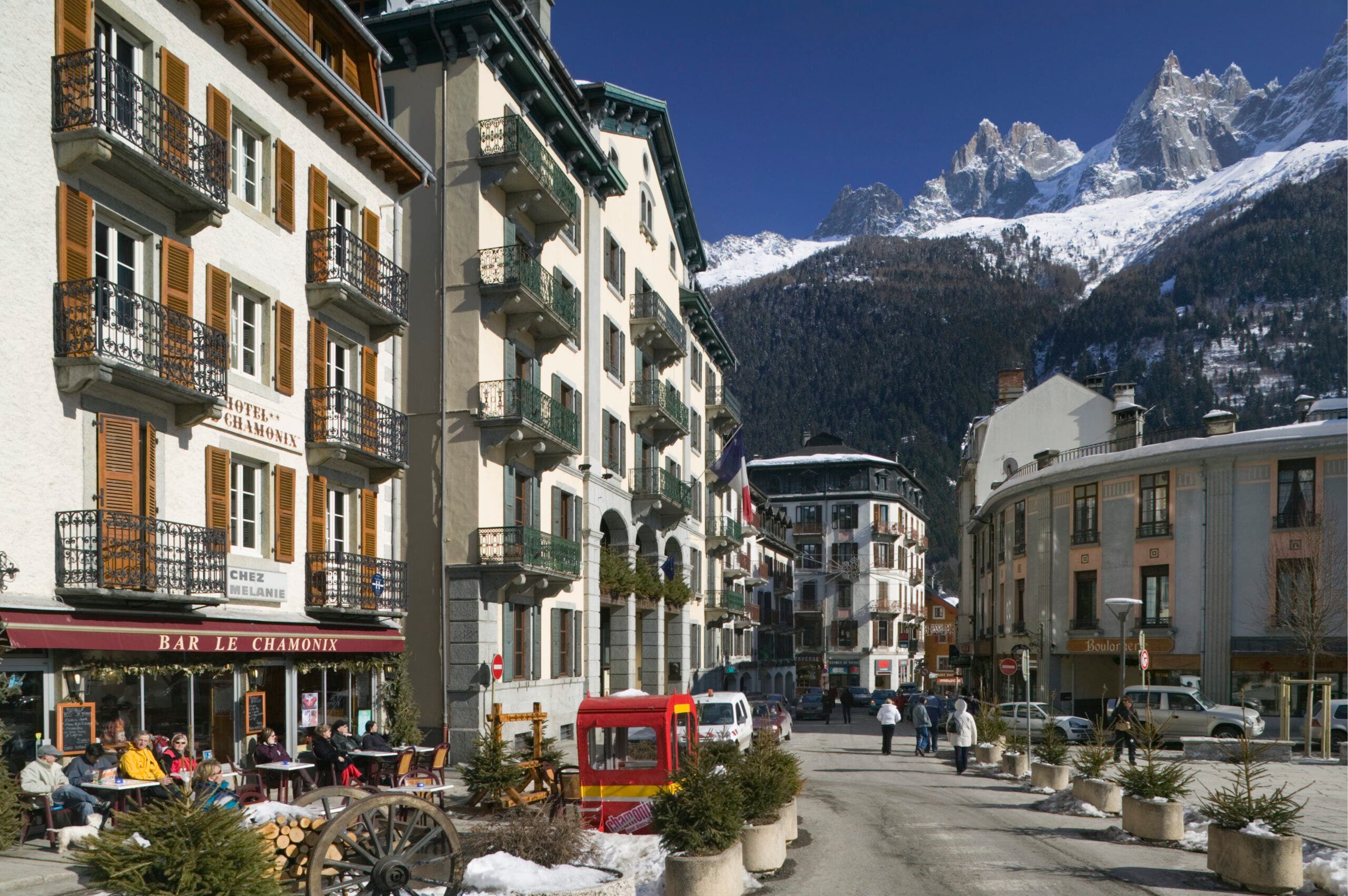
The geography of the Alps, situated at higher latitudes than many American resorts, allows for a prolonged winter season. Meteorological data suggests that high-altitude resorts such as Chamonix, Zermatt, and Les 3 Vallées frequently experience robust snow cover well into the spring. This has led to the French industry term "Janvril"—a portmanteau of Janvier (January) and Avril (April). This phenomenon describes the tendency for April storms to deliver significant moisture and cold temperatures, often resulting in mid-winter conditions during the low-cost spring window. However, analysts warn that April travel carries inherent variability, which contributes to its lower market price.
Transportation Logistics and Infrastructure Efficiency
The European Union’s public transportation infrastructure remains a primary driver of cost savings for international visitors. Unlike the automobile-dependent model prevalent in the United States, the Alps are serviced by an extensive network of trains and buses.
While historic "Eurail" passes remain a staple for general tourism, the regional bus system has become the most cost-effective method for skiers. For example, a bus transfer from Geneva International Airport to Chamonix is priced between $10 and $30, whereas shared airport shuttles often start at $100, and private transfers can reach $300.
Furthermore, the rise of digital ride-sharing platforms like BlaBlaCar has introduced a "gig economy" solution to mountain transport. This peer-to-peer system allows travelers to book seats in private vehicles at a fraction of the cost of traditional rentals. For those traveling in larger groups or families, car rentals remain a viable strategy, particularly as they allow for lodging in "satellite villages" located outside the high-rent districts of major resort bases.
The Shift in Accommodation and Equipment Management
Consumer behavior regarding lodging and equipment is also evolving. There is a documented increase in American travelers utilizing European hostels—referred to as gîtes in France or ostellos in Italy. These facilities, which now frequently offer private rooms alongside traditional dormitories, provide a social environment and kitchen access for $30 to $60 per night in France, Italy, and Austria. Even in luxury-tier towns like St. Moritz, hostel rates hover around $80, providing a significant discount over local hotel inventory.
In terms of equipment, logistical analysis suggests that renting high-performance gear in Europe is often more economical than paying international checked baggage fees. This strategy is reinforced by the "traveling light" approach, which enables the use of cheaper public transportation. Additionally, the prevalence of off-piste skiing in Europe increases the risk of equipment damage from sub-surface hazards; many travelers opt to utilize rental fleets to avoid the maintenance costs associated with damaging personal high-end gear.
Urban Integration and Satellite Village Economics
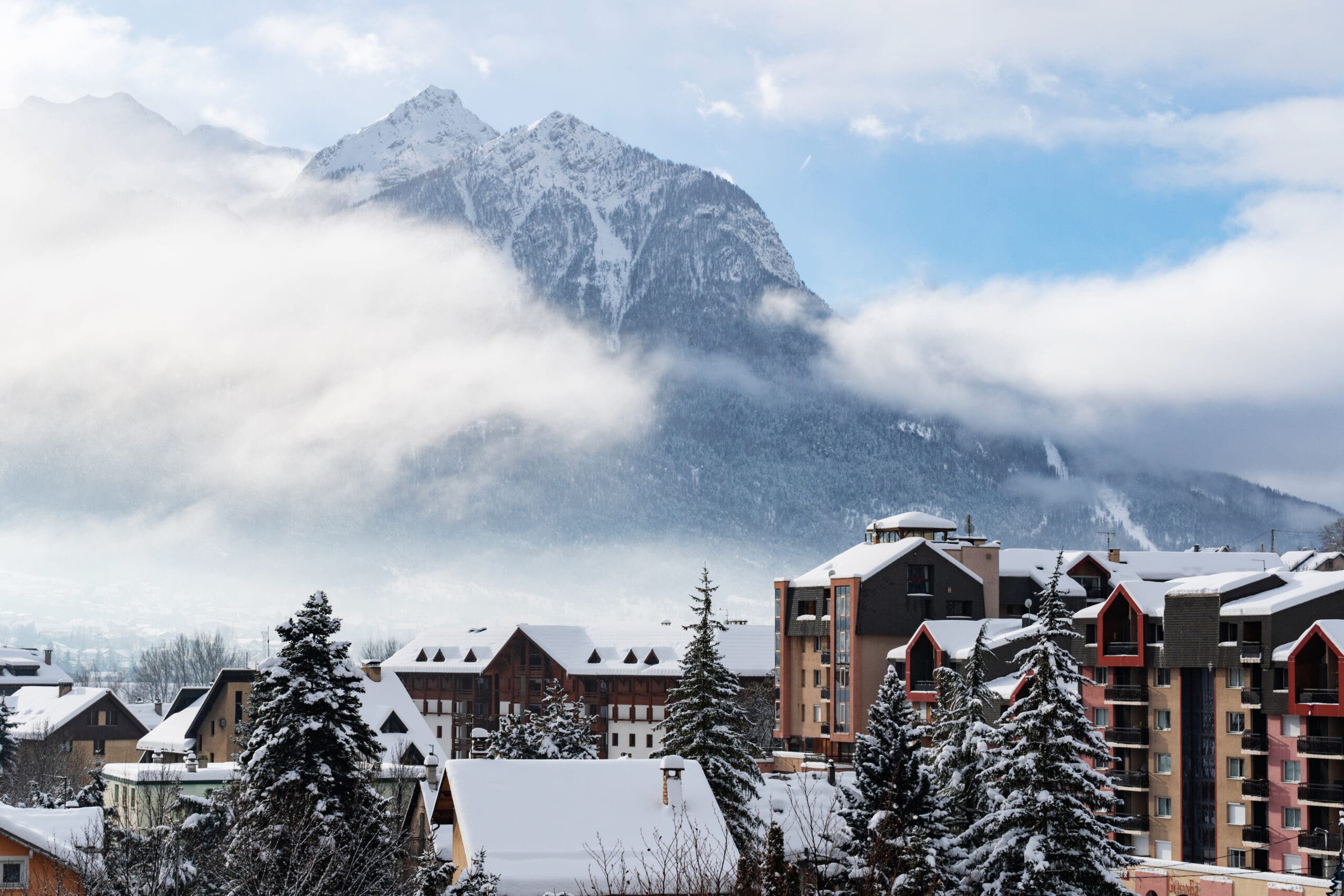
A sophisticated strategy for cost reduction involves basing operations in larger valley towns rather than slopeside resorts. European towns such as Briançon, Aosta, and Bourg St. Maurice provide direct or near-direct access to major ski areas via gondolas or short bus rides. These municipalities function as year-round residential centers, meaning that grocery stores, restaurants, and equipment rentals are priced for locals rather than tourists.
Additionally, many large-scale resorts are connected to smaller, quieter villages (e.g., Vallorcine near Chamonix or Venosc near Les 2 Alpes). These villages offer the same access to the lift network but at a lower price point for accommodation and dining.
Broader Economic Impact and the Remote Work Influence
The integration of remote work into the professional landscape has further altered the economics of the ski trip. The time zone difference between Europe and North America allows American professionals to ski during the European day and begin their workday in the late afternoon (corresponding to the American morning). This "work-from-the-Alps" model allows for longer stays, which triggers economies of scale. Longer durations typically result in lower per-day costs for lodging and multi-day lift passes.
Finally, tourism boards are increasingly promoting "dual-purpose" winter trips that combine skiing with urban sightseeing in capitals like Paris, Milan, or Munich. Because winter is the low season for urban tourism, airfares to major hubs are often lower than flights to regional mountain airports. This multi-city approach distributes the fixed costs of international travel across a broader range of experiences, maximizing the overall value of the excursion.
As the 2026-2027 season approaches, the data suggests that for the disciplined traveler, the Alps represent not only a cultural alternative to North American skiing but a necessary economic strategy for maintaining participation in the sport. By leveraging public infrastructure, regional price variations, and strategic timing, the "hundred-dollar-a-day" ski trip remains a viable reality in the European market.
