

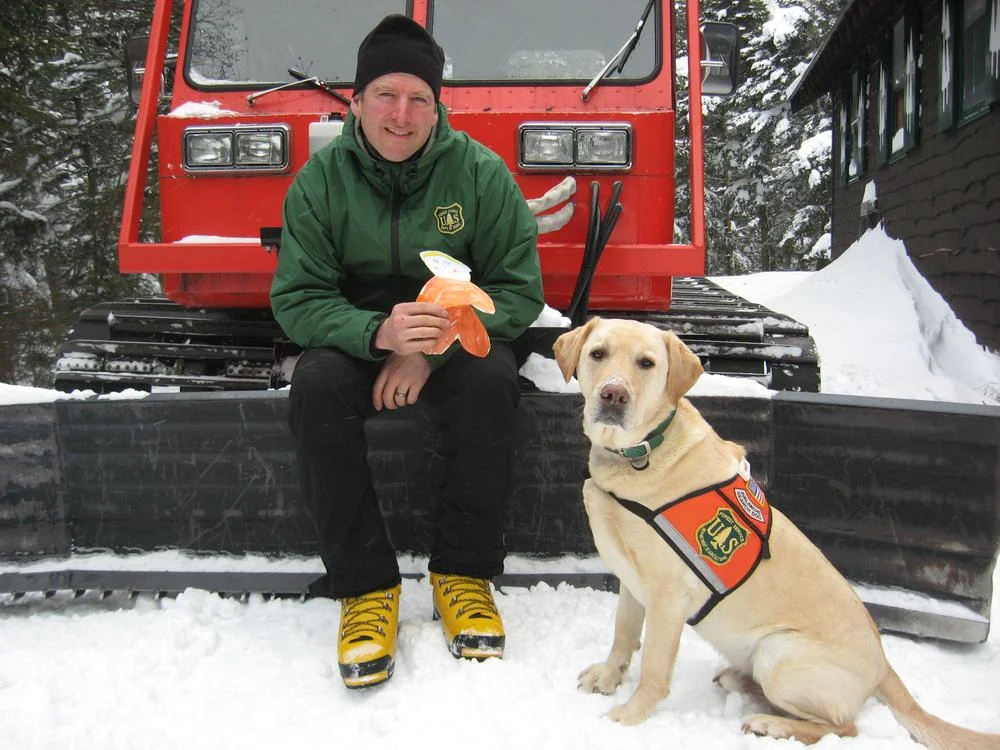
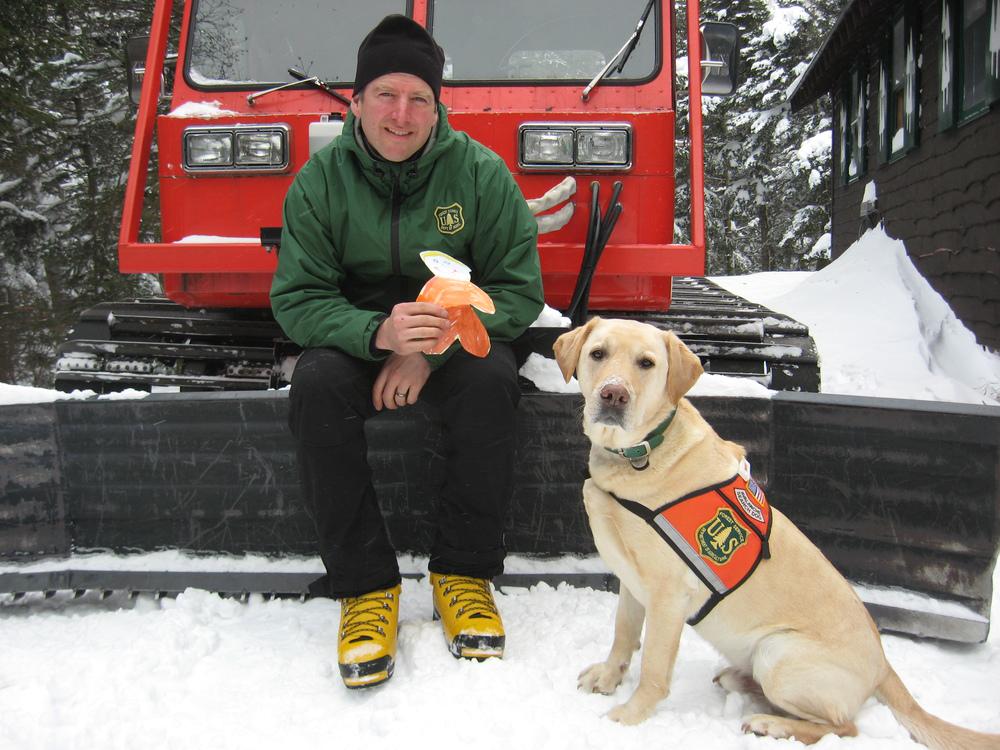
The Mount Washington Avalanche Center (MWAC) is mourning the loss of Cutler, a highly respected avalanche rescue dog who dedicated 11 years of his life to ensuring the safety of visitors in the White Mountain National Forest. Cutler, a key member of the MWAC team, passed away recently, leaving a significant void in the organization and the hearts of those who worked alongside him. His unwavering commitment and unique ability to connect with the public made him an invaluable asset, extending the reach of avalanche safety education far beyond traditional methods.
A Lifelong Commitment to Safety
For nearly 80% of his life, Cutler was actively involved in making Mount Washington a safer environment for skiers, snowboarders, hikers, and all outdoor enthusiasts who venture into its challenging terrain. Avalanche dogs like Cutler are trained to detect the scent of humans buried under snow, a critical skill in search and rescue operations following an avalanche. Their keen sense of smell, combined with their agility and stamina, allows them to cover vast areas and pinpoint buried victims much faster than human search teams alone.
Cutler’s tenure with the MWAC began approximately 11 years ago, a significant period that saw him participate in numerous training exercises and, most importantly, respond to potential rescue situations. While specific details of his operational deployments are often kept confidential to protect the privacy of those involved in rescue efforts, his consistent presence and dedication over more than a decade speak volumes about his reliability and the trust placed in him by his handlers.
Beyond the Search: Public Relations and Education
While Cutler’s primary role was that of a highly trained search and rescue dog, his impact extended significantly into public relations and avalanche safety education. His presence at public events, demonstrations, and even casual interactions with visitors served as a powerful tool for the MWAC’s Snow Rangers. The inherent appeal of an avalanche dog often breaks down barriers, making people more receptive to learning about the inherent dangers of the mountain and the importance of avalanche safety.
"Cutler was more than just a rescue dog; he was an ambassador for avalanche safety," commented a hypothetical MWAC spokesperson, reflecting the sentiment of the organization. "His ability to engage with the public, especially children, made complex safety messages accessible and memorable. He helped us connect with thousands of people who might not have otherwise sought out this critical information."
The Mount Washington Avalanche Center, a collaborative effort between the U.S. Forest Service and the Mount Washington Observatory, is responsible for providing avalanche forecasts and safety information for the most notoriously dangerous peak in the eastern United States. The mountain’s extreme weather conditions, steep slopes, and propensity for heavy snowfall create a high-risk environment for avalanches, particularly in areas like Tuckerman Ravine and Huntington Ravine.
A Tribute to a Dedicated Partner
Mount Washington Avalanche Center Director Chris Joosen, Cutler’s primary handler, has shared a poignant tribute to his canine partner. A blog post, accompanied by a comprehensive photo album, details Cutler’s life and his invaluable contributions to the MWAC. This personal account offers a glimpse into the deep bond between a handler and his working dog, highlighting the trust, dedication, and mutual respect that defined their partnership.
"For 14 great years, Cutler was my shadow, my partner, and my furry guardian angel," Joosen is quoted as saying in the tribute, reflecting on the dog’s extended lifespan and service. "He approached every day with an enthusiasm that was infectious, whether it was training, a public outreach event, or heading out on a call. His presence on the mountain made it a safer place for everyone, and his absence will be profoundly felt."
The blog post, accessible on the Mount Washington Avalanche Center’s website, likely details the rigorous training regimen that avalanche dogs undergo, including scent detection exercises, obedience, and acclimatization to harsh mountain environments. It also likely illustrates the unique challenges of working in the White Mountains, where visibility can be near zero, temperatures plummet, and winds can reach hurricane force.
The Role of Avalanche Dogs in Modern Search and Rescue
The use of trained avalanche dogs is a cornerstone of modern avalanche rescue protocols worldwide. These animals are bred for specific traits, such as strong prey drive (which translates to a high desire to "find" their handler or a buried person), intelligence, and a calm demeanor in stressful situations. The training process is extensive, often taking years to complete, and requires constant reinforcement and practice.
An avalanche dog’s training involves simulating real-life scenarios, where they learn to differentiate the scent of a human buried under snow from other environmental odors. They are taught to bark persistently at the location of a scent, signaling to their handler where to begin digging. In many cases, the speed at which an avalanche dog can locate a buried victim significantly increases the chances of survival. The "golden hour" for avalanche victims – the critical period after burial – is often measured in minutes, making the efficiency of a canine search paramount.
The average lifespan of a working avalanche dog can vary, but many serve for 8 to 10 years. Cutler’s 11 years of dedicated service, extending beyond the typical operational lifespan, is a testament to his robust health, exceptional work ethic, and the excellent care he received.
Background Context: Mount Washington’s Avalanche Risks
Mount Washington, standing at 6,288 feet, is renowned for its extreme and unpredictable weather. It holds the record for the highest wind gust ever recorded on the Earth’s surface at 231 mph. This harsh environment, coupled with its steep and snow-laden slopes, makes it a prime location for avalanche activity.
Tuckerman Ravine and Huntington Ravine are particularly popular among skiers and snowboarders seeking challenging backcountry descents. However, these areas are also the most prone to avalanches, necessitating the constant vigilance and expertise of the MWAC. The center’s mission is to monitor snowpack conditions, assess avalanche hazards, and provide timely forecasts to the public, thereby mitigating risks and promoting responsible backcountry travel.
The MWAC operates during the winter and spring seasons, when avalanche danger is at its peak. Their work involves snow pits, stability tests, and continuous observation of weather patterns and snowpack evolution. The involvement of highly trained dogs like Cutler amplifies their operational capacity and public outreach efforts.
Implications of Cutler’s Passing
The loss of Cutler represents a significant setback for the MWAC, not only in terms of operational capacity but also in the realm of public engagement. The unique role he played in public relations and education is difficult to replace. While the MWAC undoubtedly has other trained dogs and ongoing efforts to recruit and train new canine partners, each dog brings a distinct personality and a unique connection with the community.
The passing of such a dedicated service animal also highlights the importance of recognizing and honoring the contributions of these animals. They are not merely tools but integral members of the rescue teams, requiring significant investment in training, veterinary care, and the well-being of both the dog and their handler.
The broader implication of Cutler’s legacy is the enduring reminder of the importance of avalanche safety. His years of service underscore the ongoing need for education, preparedness, and respect for the mountain environment. For those who had the opportunity to meet Cutler, his memory will undoubtedly serve as a personal reminder of the dedication and courage of both human and canine members of the MWAC.
The Future of Avalanche Dog Programs
The MWAC, like many similar organizations globally, relies on the continued development and support of avalanche dog programs. The recruitment of suitable dogs, the extensive training of both dogs and handlers, and the ongoing financial commitment are crucial for maintaining effective search and rescue capabilities.
The tribute from Director Joosen suggests that the MWAC is committed to continuing Cutler’s work. The blog and photo album serve as not only a farewell but also an opportunity to educate the public about the vital role of avalanche dogs and to potentially inspire future handlers and supporters of these essential programs. The success of these programs hinges on public awareness, financial support, and the dedication of individuals and organizations committed to mountain safety. Cutler’s life and service have undoubtedly left an indelible mark, and his memory will continue to inspire efforts to keep the slopes of Mount Washington safer for all who seek to experience its grandeur.
