

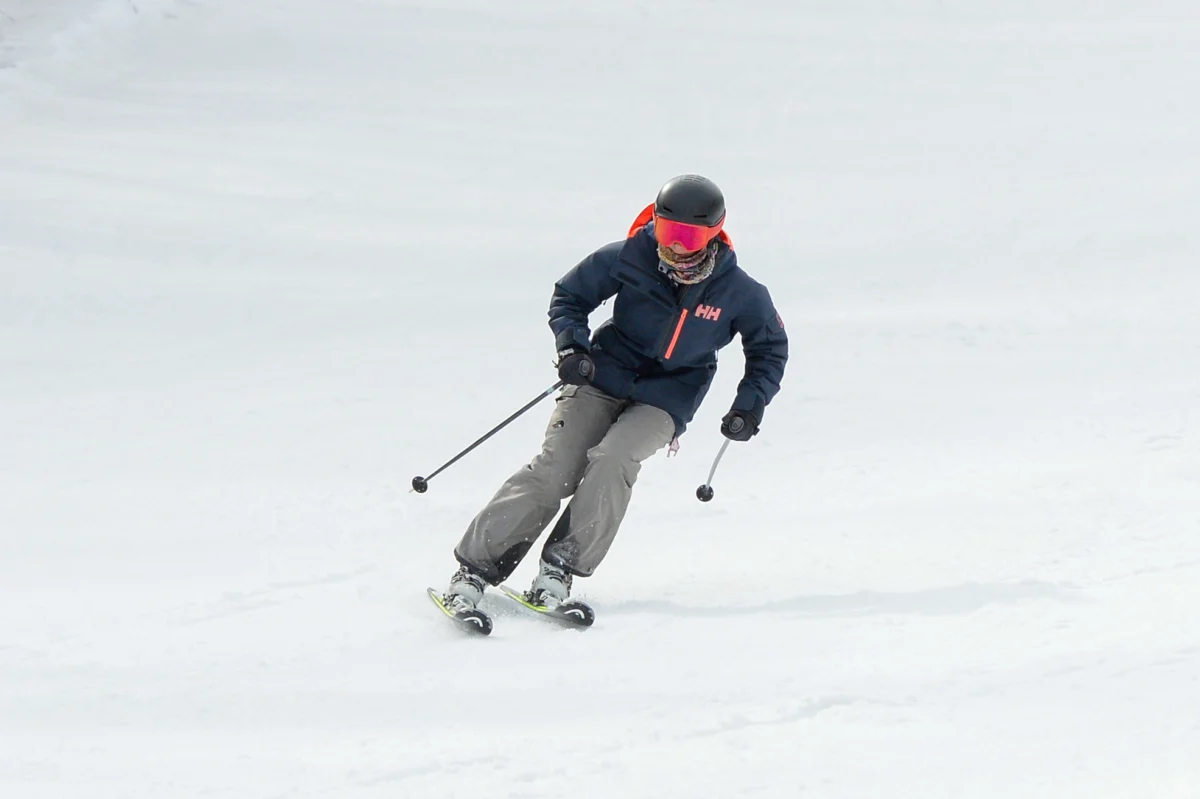
The challenge of effectively guiding ski students, often characterized by instructors possessing a vast repertoire of drills but lacking a clear methodology for their optimal application, is a perennial concern within snowsports education. This common dilemma—knowing precisely what movement change is desired but struggling to select the most impactful activities, or feeling overwhelmed by the sheer volume of potential adjustments—is frequently experienced by instructors both during guest lessons and rigorous exam scenarios. To address this, a refined interpretation of a foundational strategy outlined in the Teaching Snowsports Manual is gaining prominence, offering a structured yet adaptable approach to movement analysis (MA) and the introduction of novel movement patterns.
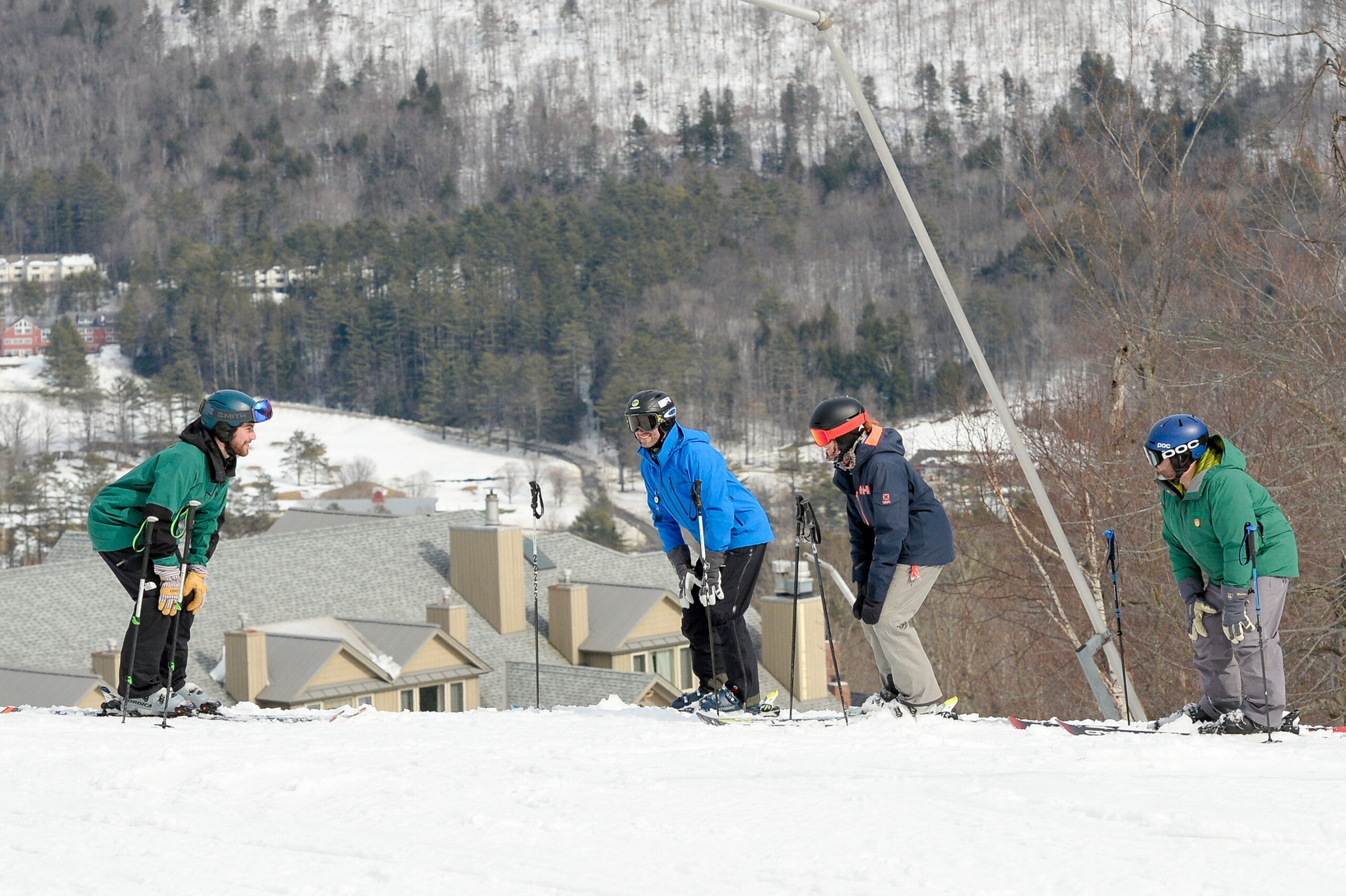
This strategy, traditionally presented as a four-phase process—Static, Simple, Complex, and Applied (SSCA)—provides a progressive pathway for skill acquisition. Originating from the pedagogical principles championed by organizations like the Professional Ski Instructors of America and American Association of Snowboard Instructors (PSIA-AASI), the SSCA model serves as a cornerstone in developing effective teaching methodologies. PSIA-AASI, established in 1961, is the world’s largest snowsports instruction organization, continually evolving its teaching standards and resources, including comprehensive manuals like the Teaching Snowsports Manual, which is a vital guide for thousands of certified instructors across the United States. The manual, specifically on page 51 of its relevant edition (such as the one referenced in the original article, published around 2017-2019, with subsequent updates), details this four-phase
