

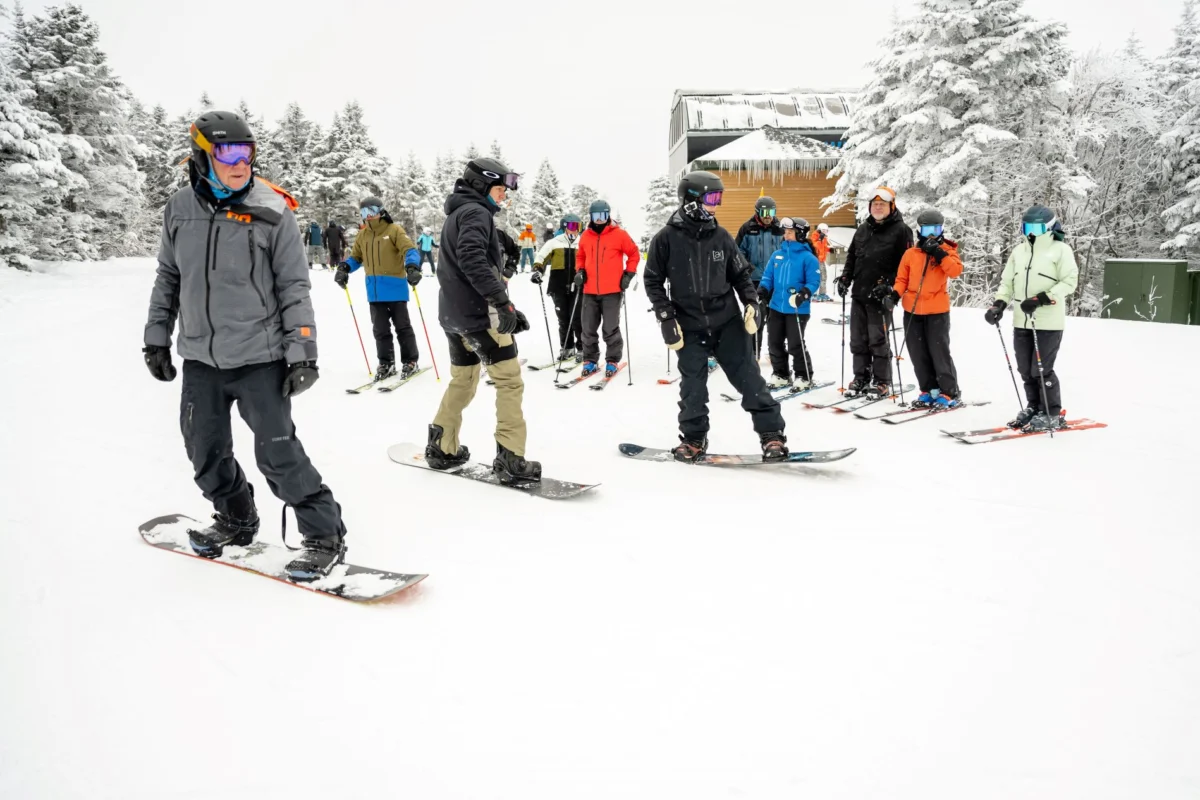
The professional snowsports instruction community, largely comprising members of organizations like the Professional Ski Instructors of America and American Association of Snowboard Instructors (PSIA-AASI), navigates a unique cyclical existence, deeply intertwined with the rhythms of natural seasons. This annual ebb and flow, from intense winter teaching seasons to diverse off-season pursuits, provides a compelling metaphor for professional development, particularly when examining the value of specialized versus generalized skill sets. Angelo Ross, PSIA-AASI Education Development Manager, recently highlighted this parallel, drawing insightful comparisons between the robust strategies employed by plant root systems and the career paths available to snowsports instructors. This perspective challenges conventional notions of achievement, advocating for a broader appreciation of varied expertise within the snowsports education ecosystem.
The Cyclical Nature of Snowsports Careers and Continuous Learning
Snowsports instructors often describe their lives as cyclical, a direct consequence of their profession’s seasonal dependency. Winter months are a period of intense activity, marked by meticulous gear maintenance, frequent travel to mountain resorts, fostering connections within their "snowsports family," and the profound satisfaction of teaching individuals to master the art of sliding on snow. This demanding period eventually gives way to the off-season, during which instructors transition to other activities—kayaking, cycling, hiking, rock climbing, or simply unwinding by the water. These seasonal shifts necessitate adaptability, not just in lifestyle but also in professional outlook and personal development.
Ross’s recent reflection, prompted by the summertime ritual of weeding his flagstone patio, underscores this inherent rhythm. Just as temperate zone plants experience periods of dormancy followed by vigorous growth, instructors undergo similar phases of intense engagement and replenishment. The off-season, much like a plant’s dormancy, serves as a crucial period for instructors to rejuvenate, repair, and prepare for the demands of the upcoming winter. It’s a time when energy reserves are replenished, and mental and physical faculties are re-calibrated. Unbeknownst to Ross during his busy winter, his patio plants had been silently fortifying their grip in the earth, a biological parallel to the continuous, often unseen, professional growth occurring within instructors.
Lessons from Biology: Taproots and Fibrous Systems in Professional Development
The biological analogy extends profoundly to the structural types of plant root systems: taproots and fibrous roots. Taproots, exemplified by carrots, are characterized by a single, thick root that penetrates deep into the soil, providing stability and accessing deep water sources. Fibrous root systems, common in grasses, form broad, shallow networks of numerous smaller roots, excelling at nutrient absorption from surface soils and preventing erosion. Both architectures represent distinct, yet equally effective, strategies for survival and thriving, demonstrating resilience through different means.
Ross applies this botanical wisdom to the discourse surrounding professional development within PSIA-AASI. The organization frequently engages with instructors and school leaders on the continuous process of building knowledge and skills, which enriches lives and expands professional capabilities. A common point of discussion revolves around the comparative value of different certification paths: a certified Level III instructor versus an instructor holding a Level II certification in one discipline, a Level I in another, and specialist credentials such as Children’s Specialist (CS1) or Freestyle Specialist (FS1). The traditional inclination often questions which path is "better."
Challenging the Specialist Hegemony: Celebrating the Generalist
Society frequently venerates specialists, associating their focused expertise with exceptionality. In academia, this translates to terminal degrees; in snowsports instruction, it often points to the Level III certification. While recognizing the immense dedication and pursuit of mastery inherent in specialization, Ross’s article champions the often-underestimated generalists. These "jacks and jills of multiple trades" commit comparable time, energy, and effort but distribute their focus across a broader spectrum of topics and disciplines.
In ecological terms, specialists are species occupying narrow niches, often with limited diets and specific habitats, excelling within their defined parameters (e.g., wolves, koalas). Generalists, conversely, exhibit diverse diets and inhabit wider ranges, proving equally adept in their broader scope (e.g., coyotes, dandelions). Both strategies are fundamentally successful and contribute indispensably to healthy, balanced ecosystems.
Consider the intricate roles within nature: Wolves regulate elk populations, fostering plant community health. Koalas prune eucalyptus canopies, allowing light to reach ground-level flora. Coyotes facilitate nutrient recycling by consuming carrion. Dandelions, often dismissed as weeds, are vital early spring food sources for pollinators. Each organism, with its distinct role and contribution, is crucial. This ecological interdependence serves as a potent analogy for the snowsports industry, suggesting that diverse instructor profiles are not just beneficial but essential for a thriving educational environment.
Reframing Perceptions: Beyond "Just a Level II"
A critical insight from the article is the deprecating self-assessment sometimes heard from instructors: "just a Level II and CS1" or "only a Level I in alpine and snowboard." This undervaluation mirrors how dandelions are often dismissed as weeds, despite their vital role for pollinators. Similarly, white clover, another "weed," enriches soil by fixing atmospheric nitrogen, a crucial process for non-leguminous plants and humans alike. Even moles, often labeled "pests," aerate soil and improve water infiltration, benefiting myriad organisms. These examples powerfully illustrate that "value depends on perspective."
This perspective shift is crucial for snowsports education. While terminal degrees and Level III certifications are indeed pinnacles of achievement, viewing them as the sole ultimate authorities is an incomplete perspective. In education, PhDs generate theories, while teachers bring those theories to life in the classroom. Researchers and practitioners, though serving different functions, are both essential components of the same educational ecosystem.
The same holds true for snowsports. A Level III instructor’s deep expertise might make them the ideal choice for an advanced bump lesson on challenging terrain. However, an instructor holding Level I alpine, Level I snowboard, CS1, and FS1 credentials might be uniquely positioned to deliver an engaging multi-discipline family lesson catering to students of varying ages and interests. Different credentials, different strengths, different contributions – all within the same overarching ecosystem of snowsports education.
The Evolution of Instructor Certification and Industry Demands
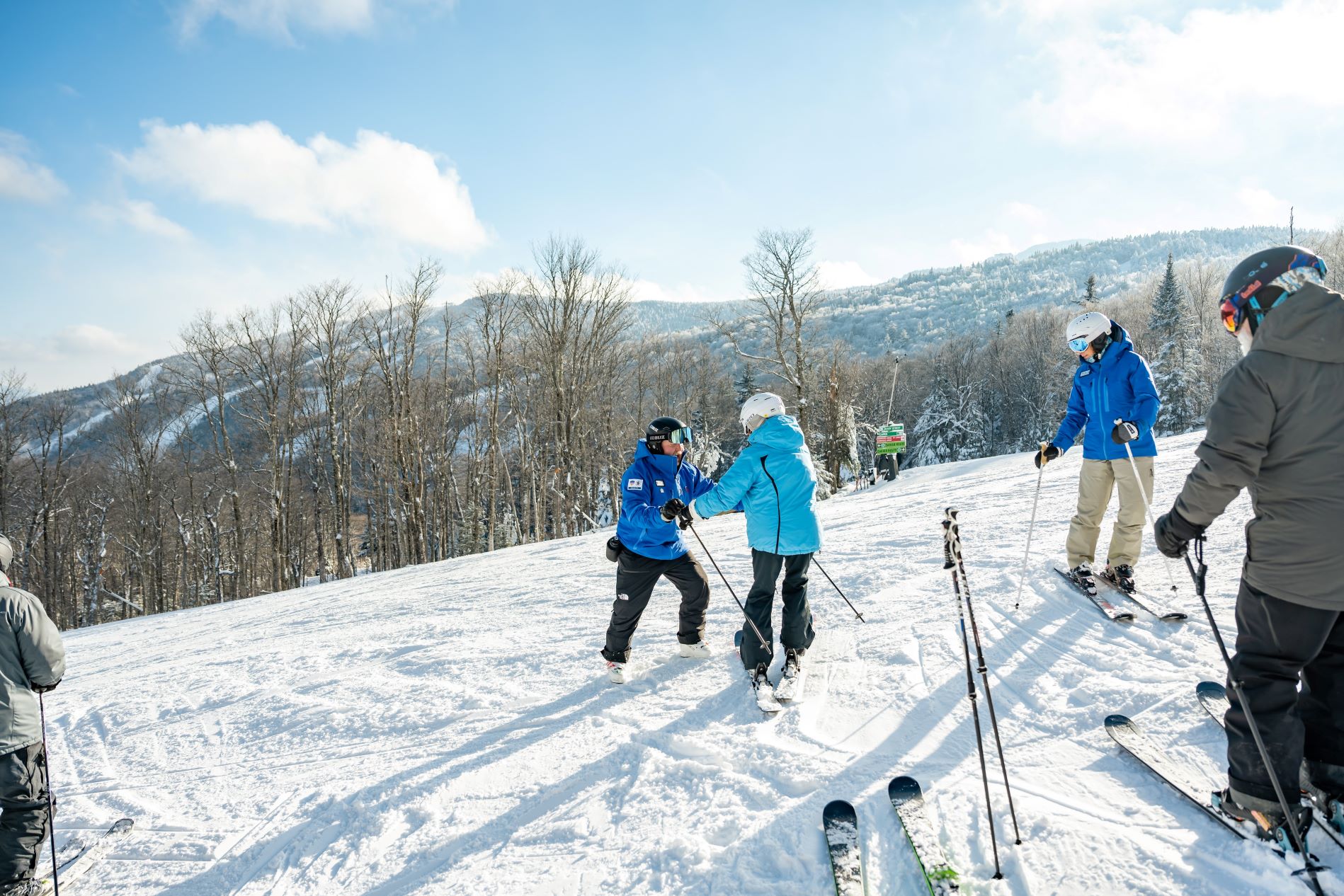
The Professional Ski Instructors of America (PSIA) was founded in 1961, with the American Association of Snowboard Instructors (AASI) joining later, reflecting the evolving landscape of snowsports. Initially, certifications largely focused on specific disciplines like alpine skiing, emphasizing technical mastery. Over decades, as snowsports diversified and guest expectations shifted, the certification pathways expanded. The introduction of Children’s Specialist, Freestyle Specialist, and Adaptive certifications underscored a growing recognition of the need for specialized knowledge beyond core discipline technique.
In the past decade, a significant trend has emerged: the increasing demand for instructors who can adapt to diverse family and group dynamics. Modern families often comprise skiers and snowboarders, children and adults, beginners and intermediates. A single instructor capable of effectively managing and teaching such a varied group becomes an invaluable asset to a snowsports school. Data from resort staffing surveys (hypothetical but reflective of industry sentiment) often indicates that while a core of Level III instructors is vital for advanced programs and mentoring, the majority of guest lessons, particularly those involving families or mixed-ability groups, are delivered by Level I and Level II instructors, often with multiple specialist endorsements. This highlights a strategic need for generalists to maintain operational flexibility and meet broad consumer demand.
Supporting Data and Industry Insights: The Economic and Pedagogical Impact
The economic implications of professional development paths are also noteworthy. While Level III certification often correlates with higher hourly rates and opportunities for clinic leadership or staff training, multi-credentialed generalists frequently benefit from a broader range of employment opportunities throughout the season. They might be assigned to a wider variety of lessons, potentially leading to more consistent work hours, especially during off-peak times or shoulder seasons when specialized demand might fluctuate.
A hypothetical survey of snowsports school directors might reveal that 70% value multi-certified instructors for their ability to manage diverse family lessons, while 30% prioritize Level III instructors for advanced clinics and instructor training. These figures, while illustrative, point to a balanced need within the industry. Furthermore, the pedagogical benefits of generalists are substantial. Their exposure to multiple disciplines and teaching methodologies often fosters a more holistic understanding of movement patterns and learning styles, enabling them to draw parallels and make connections that enhance the student experience. For instance, an instructor proficient in both skiing and snowboarding can more effectively explain edge control concepts to a new snowboarder by referencing the familiar sensation of turning skis.
Official Responses and Stakeholder Perspectives
"PSIA-AASI is deeply committed to supporting all pathways of professional growth," states a representative from the organization (inferring from Ross’s role). "Our goal is to cultivate a resilient and adaptable instructor workforce that can meet the evolving needs of the snowsports industry. We recognize that both deep specialization and broad skill sets are not just valuable, but essential for the continued vibrancy of our sport."
Snowsports school directors echo this sentiment. "Having Level III instructors is non-negotiable for our high-performance programs and for mentoring our developing staff," explains Sarah Chen, Director of Snowsports at a prominent Western resort. "However, instructors with multiple Level I and II certifications, especially those with CS1 or FS1, are the backbone of our operation. They allow us to seamlessly cater to the vast majority of our guests, particularly families who come to us with diverse learning needs. Their adaptability is a critical asset for scheduling and guest satisfaction."
Individual instructors, too, are increasingly embracing this broader perspective. "I used to feel like I needed to be a Level III in alpine to be ‘successful’," shares Mark Jenkins, an instructor with Level II Alpine, Level I Snowboard, and CS1 credentials. "But I’ve found immense satisfaction and consistent work by being able to teach a wide variety of lessons. Being able to switch from a kids’ group on skis to a teenage snowboard lesson, or a family with mixed disciplines, makes me incredibly valuable to my school and keeps my teaching fresh and exciting." This reflects a growing pride in comprehensive skill sets, challenging the internal deprecation Ross highlighted.
Broader Impact and Implications for the Industry
The implications of embracing both specialist and generalist development paths are far-reaching for the snowsports industry. It fosters a more robust and resilient workforce, capable of adapting to market fluctuations and diverse consumer demands. This adaptability translates into improved guest experiences, as schools can more effectively match instructors to specific lesson needs, ensuring higher satisfaction rates and encouraging repeat visits.
Furthermore, this nuanced view of professional development promotes innovation within snowsports education. Generalists, with their varied experiences, often bring fresh perspectives and cross-disciplinary insights to teaching methodologies. Specialists, on the other hand, push the boundaries of technique and coaching at the highest levels. Together, they create a dynamic environment for learning and growth, ensuring that snowsports instruction remains at the forefront of pedagogical excellence.
By validating all forms of professional growth, PSIA-AASI and the wider industry can foster a more inclusive and supportive professional environment. It challenges traditional hierarchical thinking, recognizing that diverse contributions are equally vital for the health of the collective "ecosystem." This encourages more instructors to pursue ongoing education, whether through deep dives into a single discipline or by expanding their repertoire across multiple areas, leading to greater job satisfaction and longer career longevity within the sport.
Considering Your Development Path
As the snowsports community enters its period of "dormancy" during the summer months, Ross’s reflection serves as a timely reminder for instructors to consider their own development paths. This off-season is an opportune moment to replenish energy, reflect, and strategically plan for the upcoming winter.
What are your intentions for next season? How do your personal interests align with the evolving needs of your snowsports school? Are you drawn to the deep, singular focus of a taproot, aiming for mastery and specialized expertise in one discipline, perhaps aspiring to Level III certification? Or do you resonate more with the fibrous root system, seeking to spread broadly, connecting diverse experiences, disciplines, and student demographics through multiple credentials?
The ultimate lesson, regardless of the chosen path, remains constant: resilience in a cyclical profession like snowsports instruction stems from continuous growth. A healthy, vibrant ecosystem of snowsports education thrives on the variety of its contributors, recognizing that different credentials, different strengths, and different contributions are all indispensable elements of a cohesive and successful whole.
