

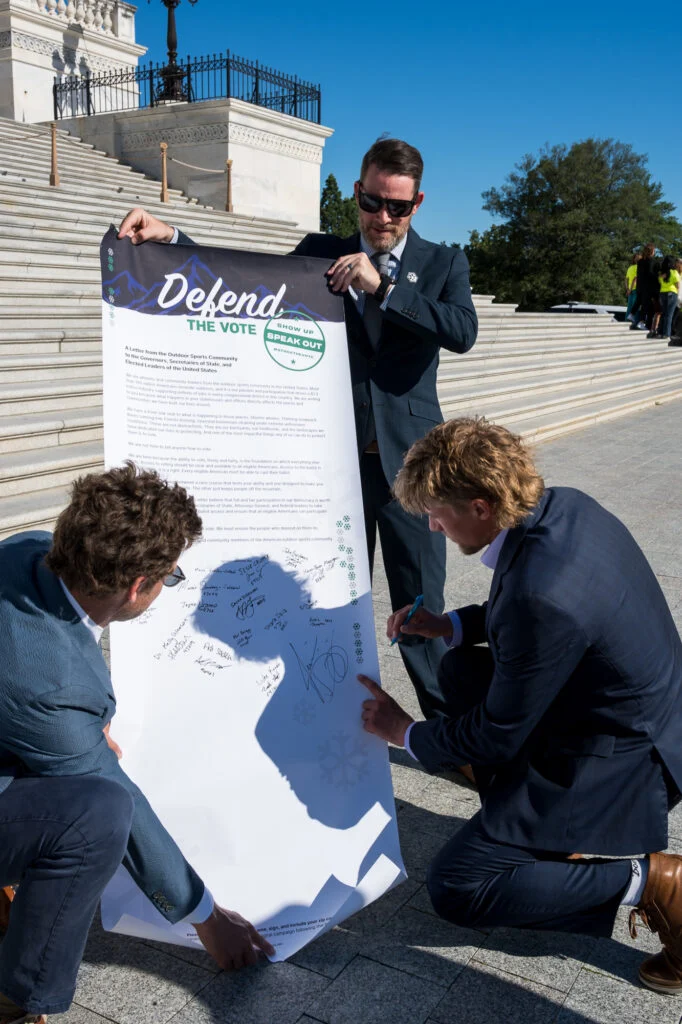
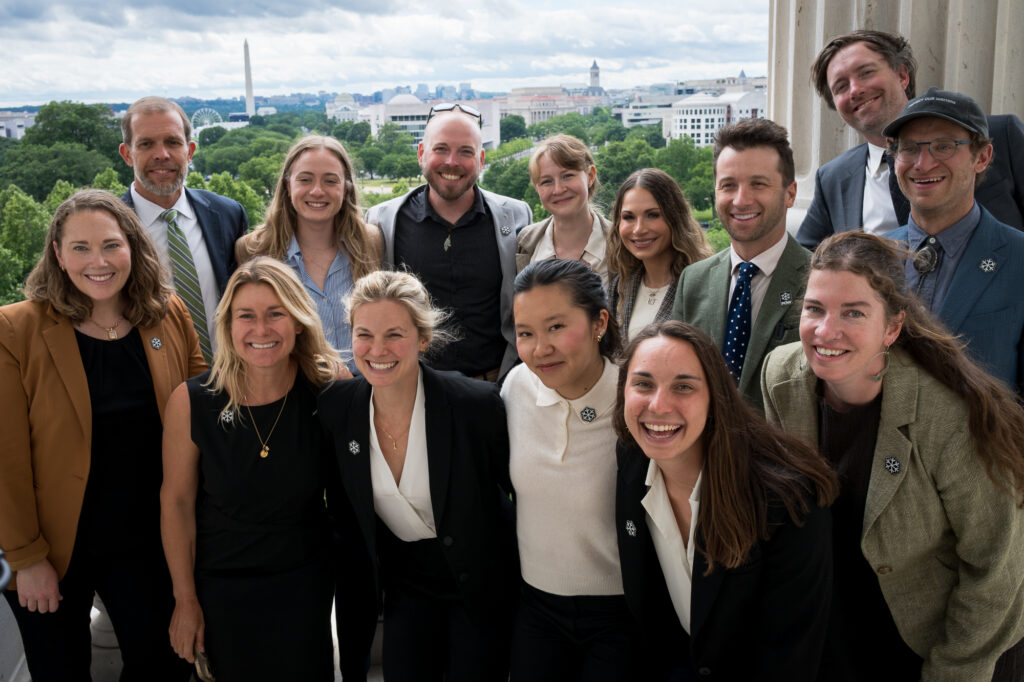
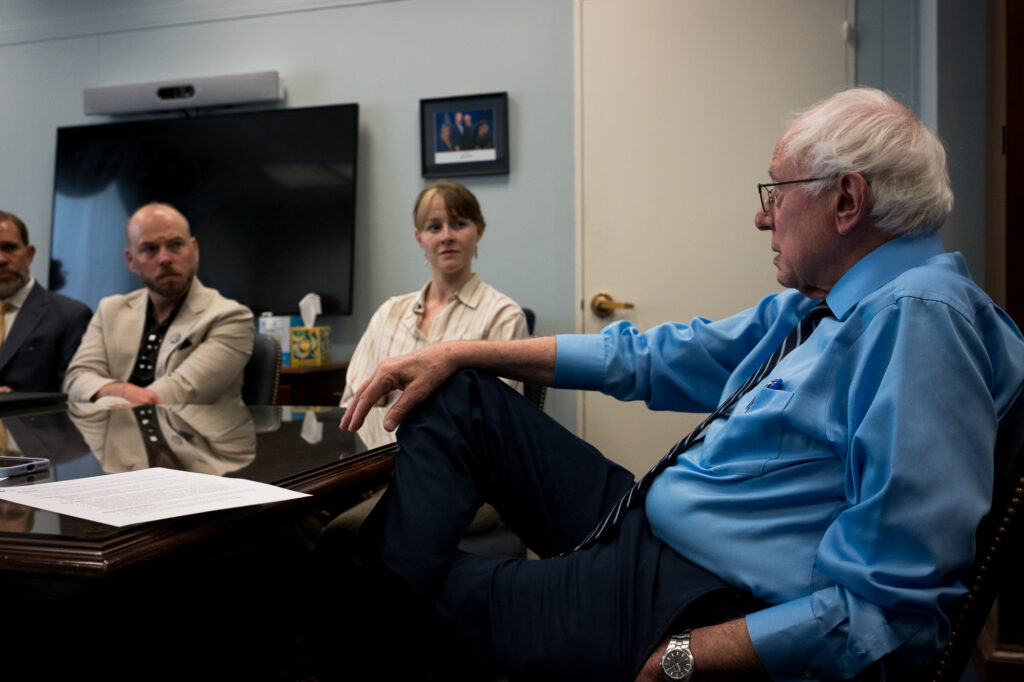
The non-profit advocacy organization Protect Our Winters (POW) recently concluded an intensive two-day legislative fly-in on Capitol Hill, deploying a high-profile delegation of 13 Olympic athletes, climate scientists, and outdoor industry leaders to confront a wave of environmental deregulation and expanded fossil fuel extraction. Between early June 2026 and the mid-summer legislative session, the group conducted 38 high-level meetings with congressional offices, targeting a bipartisan mix of 15 Republican and 23 Democratic representatives. The mission focused on two primary legislative objectives: halting the systematic dismantling of the Environmental Protection Agency’s (EPA) regulatory authority and securing permanent protections for the Arctic National Wildlife Refuge against imminent oil and gas industrialization.
The delegation arrived in Washington at a critical juncture for American environmental policy. Since the beginning of 2025, the federal government has moved to weaken or eliminate more than 50 core environmental protections, many of which involve the rollback of methane emission standards, the narrowing of the Clean Water Act’s jurisdiction, and the relaxation of vehicle efficiency requirements. The POW delegation sought to frame these policy shifts not merely as political disagreements, but as existential threats to the $1.1 trillion outdoor recreation economy and the health of the American public. By leveraging the cultural influence of world-class athletes and the technical expertise of former federal scientists, the group aimed to penetrate the partisan gridlock that has characterized environmental discourse in the 119th Congress.
Chronology of the Advocacy Mission and Legislative Context
The 48-hour advocacy sprint followed a period of aggressive federal action regarding public lands and industrial oversight. In early 2025, a series of executive orders and departmental directives began the process of sidelining scientific advisory boards and reducing the enforcement capacity of the EPA. By the spring of 2026, the Department of the Interior had finalized a major lease sale in the National Petroleum Reserve-Alaska (NPR-A), granting 187 leases across approximately 1.3 million acres. This was followed by the announcement of a Coastal Plain lease sale in the Arctic Refuge, with bids opening in early June 2026—the exact window during which the POW delegation descended on the capital.
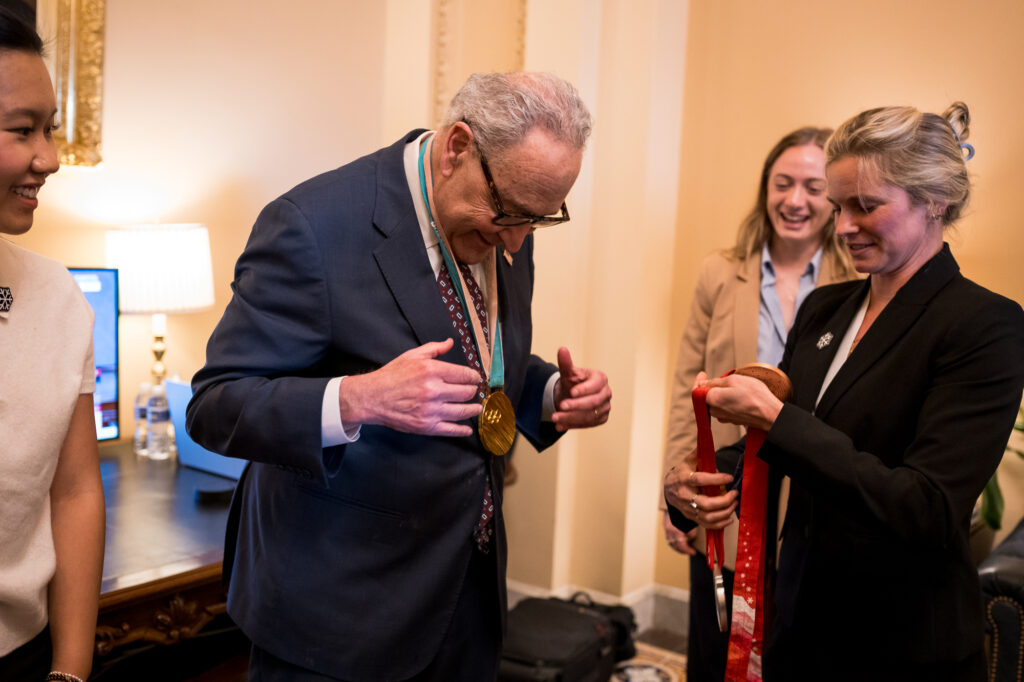
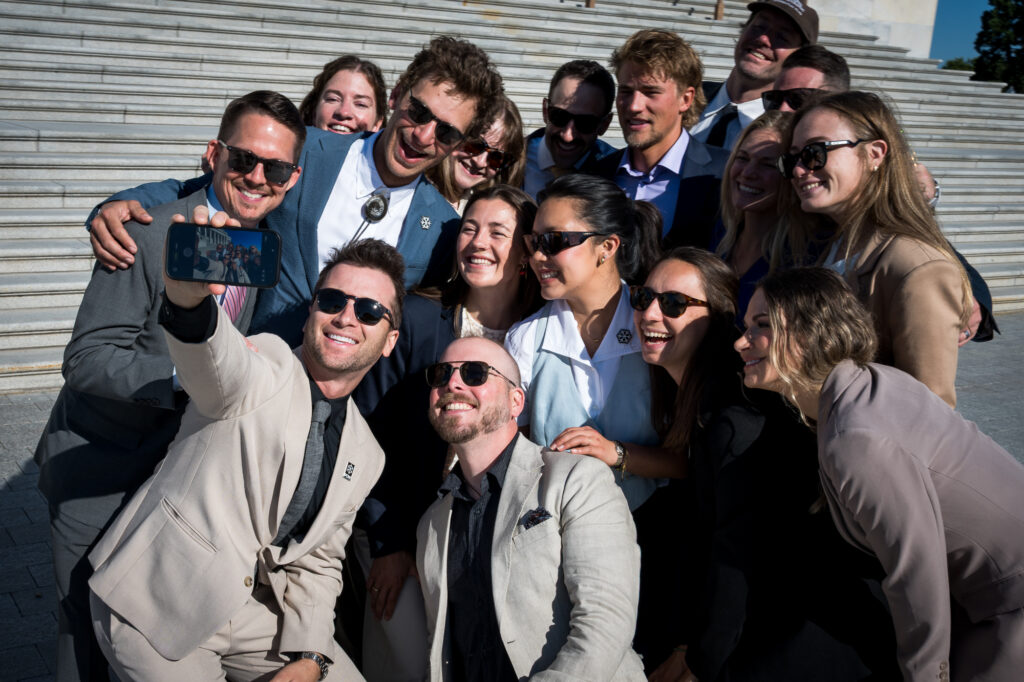
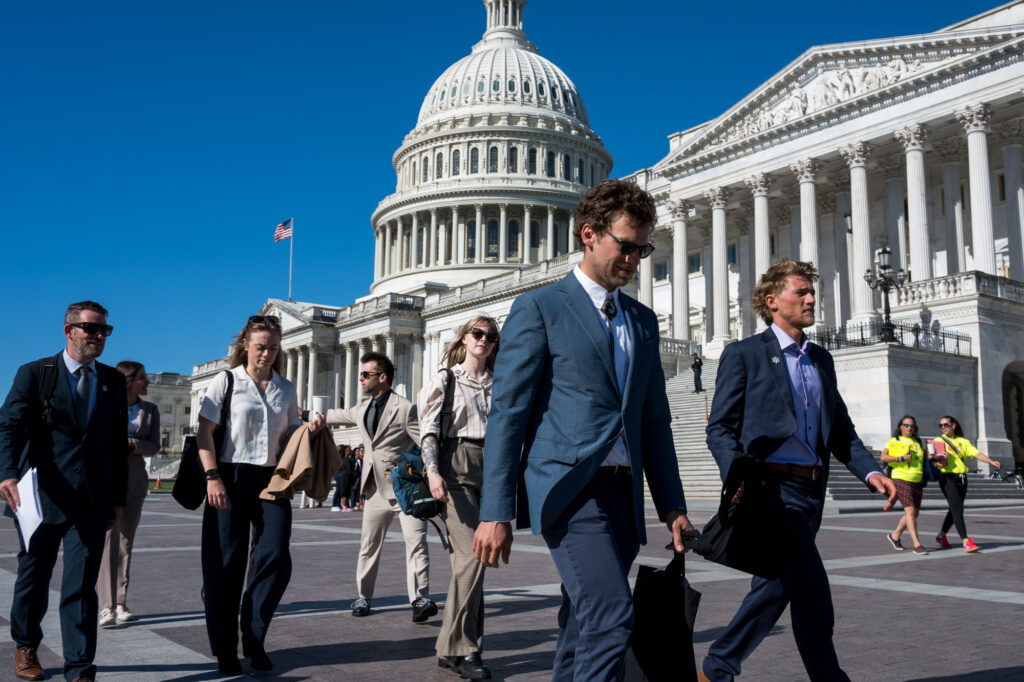
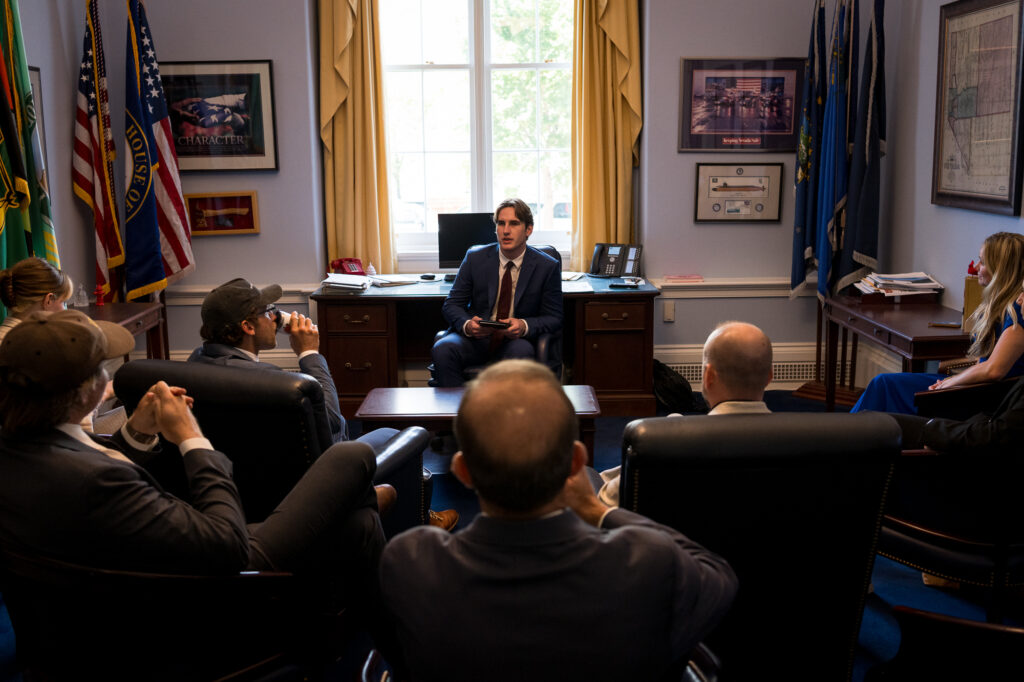
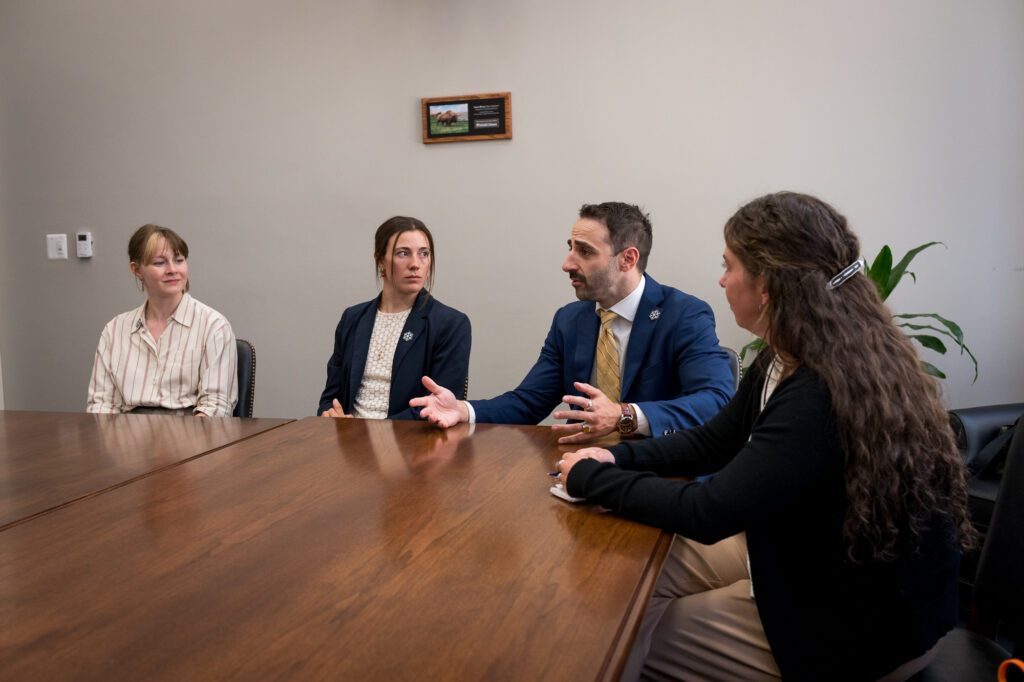
The timing of the visit allowed the delegation to speak directly to the House Natural Resources Committee as members debated the long-term industrialization of the Alaskan North Slope. Over the course of their two-day schedule, the members of the "Outdoor State"—a term POW uses to describe the 50 million Americans who identify as outdoor enthusiasts—met with influential figures including Senate Majority Leader Chuck Schumer and key members of the House Committee on Energy and Commerce. The delegation’s presence was intended to serve as a physical reminder that the "Outdoor State" is a mobilized and attentive voting bloc that spans the geographic and political spectrum.
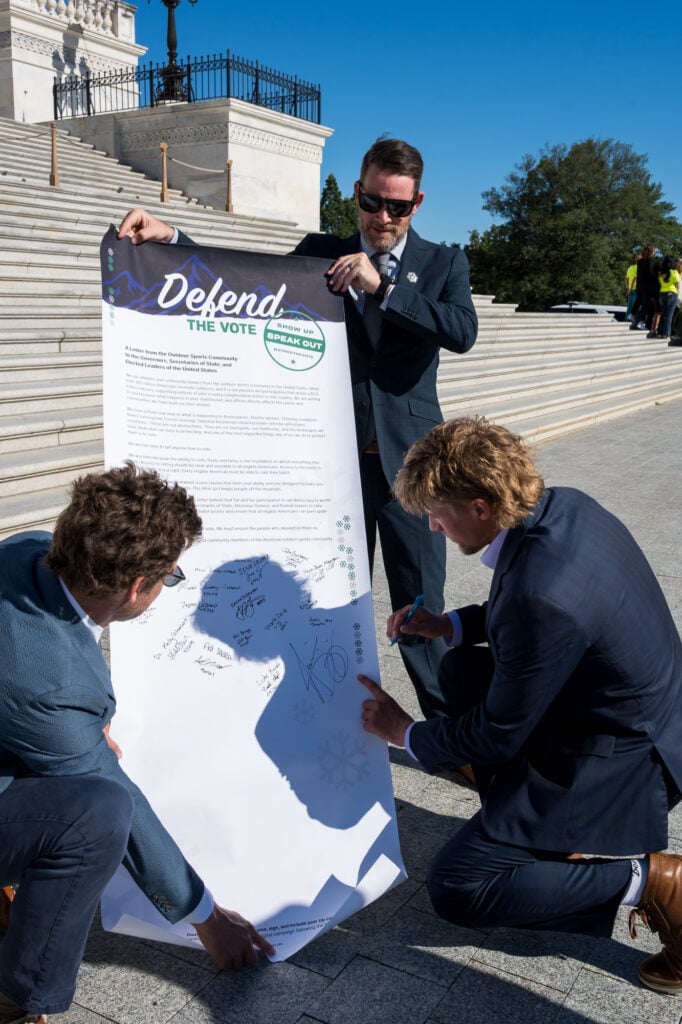
Strategic Advocacy: Reversing EPA Deregulation
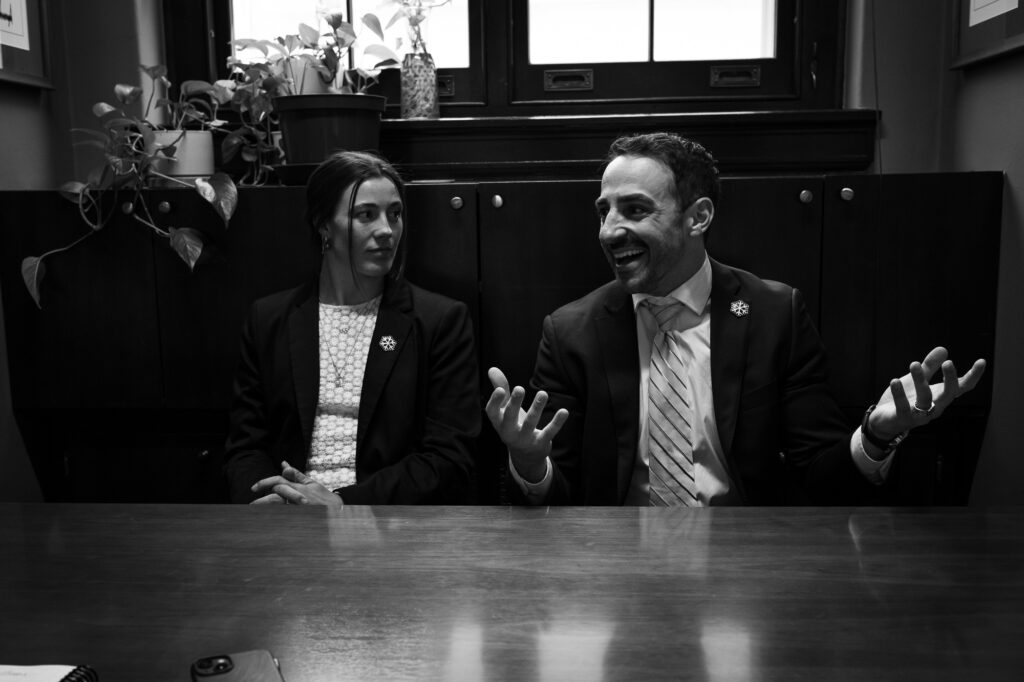
A centerpiece of the delegation’s platform was the restoration of the EPA’s mission to regulate harmful pollution based on peer-reviewed science. The group argued that the dismantling of protections since 2025 has led to increased pollution levels in gateway communities and diminished the stability of the climate required for the winter sports industry to survive. The presence of Stu Nissenbaum, a former EPA scientist and current member of the POW Science Alliance, provided a unique technical perspective during these sessions. Nissenbaum provided congressional staff with data-driven briefings on the long-term costs of sidelining scientific expertise, emphasizing that the loss of federal oversight results in tangible economic damage to public health systems and the outdoor tourism sector.
The delegation’s messaging centered on the idea that clean air and water are non-partisan prerequisites for a functioning economy. In meetings with Republican offices, the group focused on the economic resilience of rural areas that depend on outdoor recreation. They highlighted that when federal agencies are unable to hold polluters accountable, the financial burden of environmental cleanup and healthcare often falls on local municipalities and taxpayers. The primary "ask" for lawmakers was a commitment to concrete legislative steps that would restore the EPA’s regulatory teeth and ensure that science remains the central pillar of federal decision-making.
Defending the Arctic and Public Landscapes
The second pillar of the mission was the defense of iconic public lands from fossil fuel extraction, specifically targeting the Arctic National Wildlife Refuge. The Trump Administration’s recent move to expand oil and gas leasing in the Coastal Plain represents one of the most significant shifts in public land management in decades. The POW delegation presented a clear counter-narrative: public lands are not disposable assets for short-term industrial gain, but essential carbon sinks and biodiversity hotspots that underpin the global climate system.
Gus Schumacher, an Olympian and member of the POW Ski Alliance, emphasized the common ground found in these discussions. "Protecting our water, air, and key habitats are non-partisan issues; we might just have different ideas of how to get there," Schumacher noted during the trip. The delegation specifically lobbied for the Arctic Refuge Protection Act, which would designate the Coastal Plain as a wilderness area, effectively preventing future industrialization. The group argued that the long-term economic value of a preserved Arctic far outweighs the temporary revenue generated by lease sales, particularly as the global energy market continues to shift toward renewables.
The Economic Power of the Outdoor State
To bolster their arguments, the delegation utilized recent economic data demonstrating the scale of the outdoor recreation industry. According to the Bureau of Economic Analysis (BEA), the outdoor recreation economy accounts for approximately 2.2% of the U.S. Gross Domestic Product (GDP). This sector supports nearly 5 million jobs across the country, many of which are located in "gateway towns" adjacent to public lands. The delegation highlighted that climate change—driven by the very fossil fuel extraction they are opposing—poses a direct threat to this $1.1 trillion industry by shortening winter seasons, increasing the frequency of catastrophic wildfires, and causing unpredictable snowpacks.
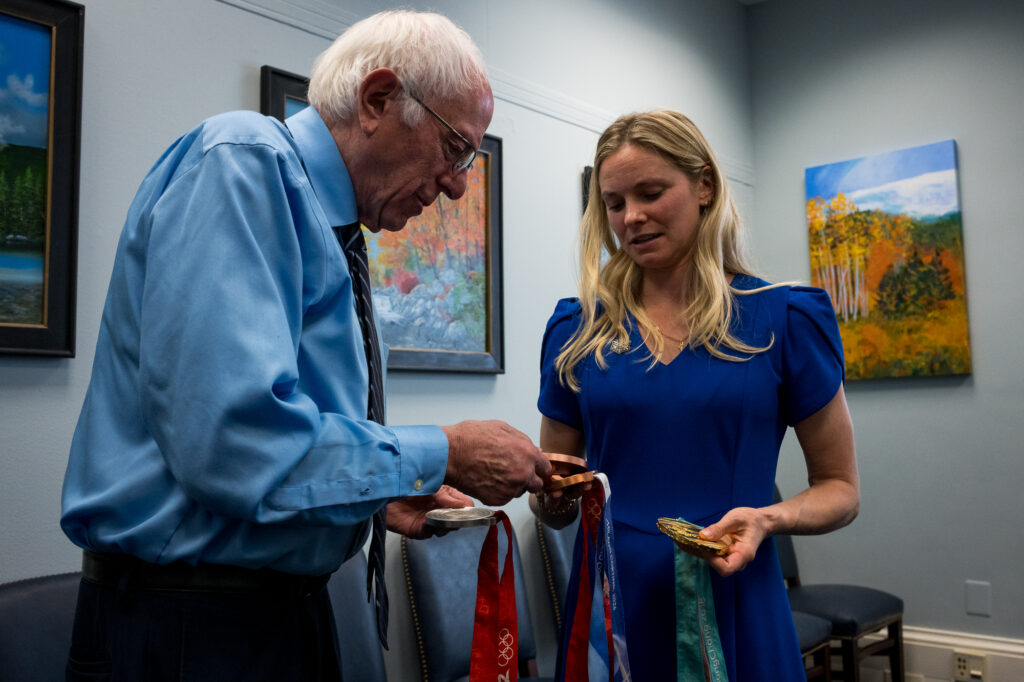
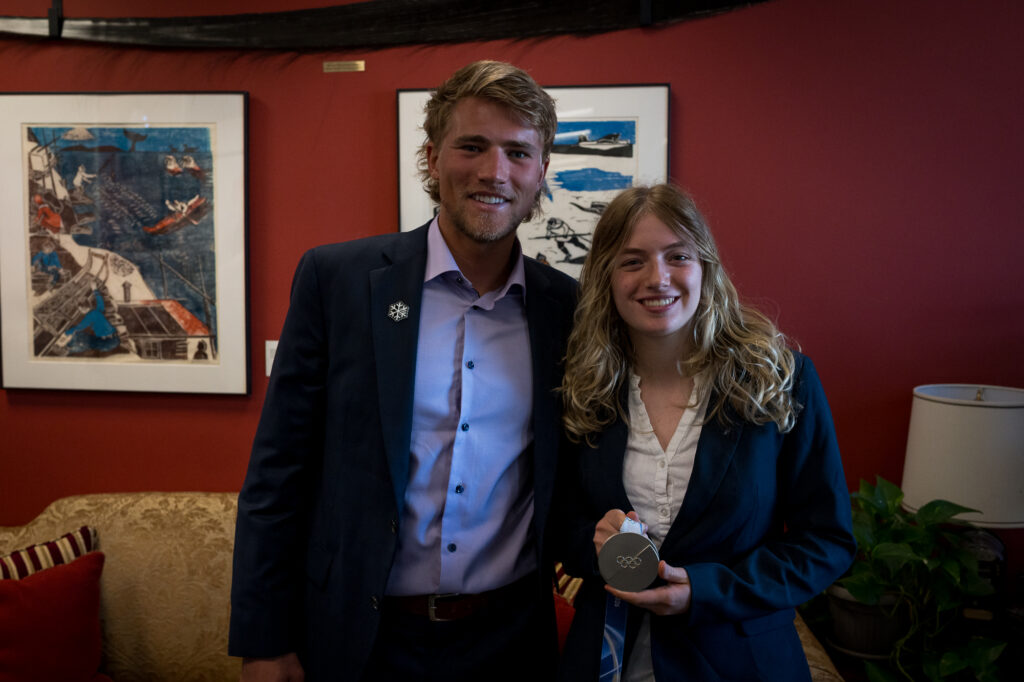
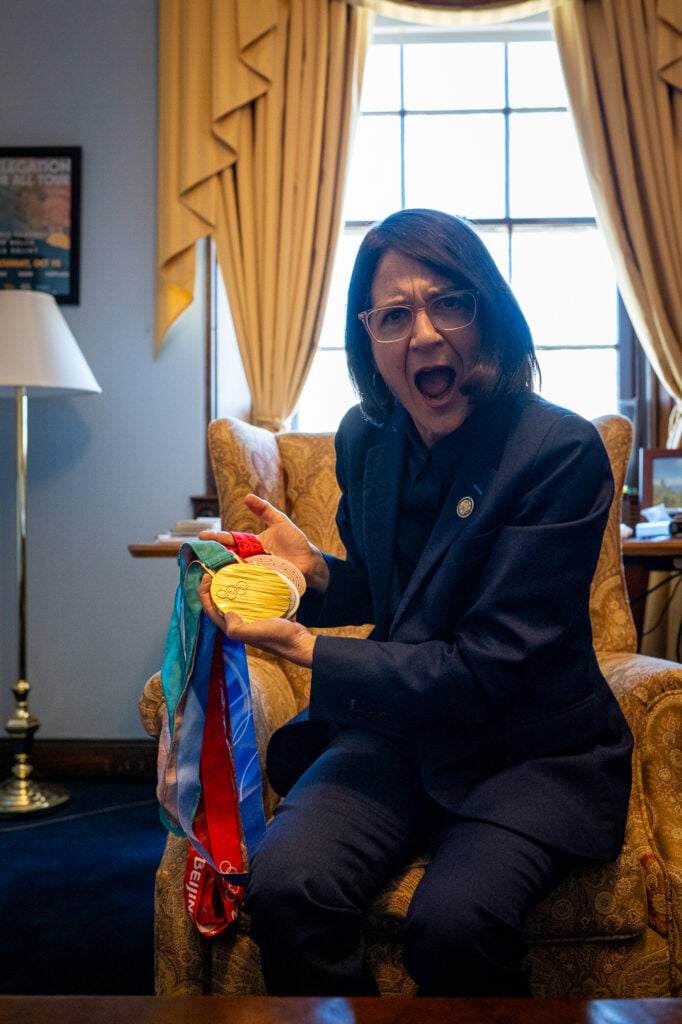
The athletes, including cross-country skiing gold medalist Jessie Diggins and snowboarder Bea Kim, shared personal accounts of how diminishing snowlines are already impacting their training and competition schedules. By bringing their Olympic medals into the offices of lawmakers, the athletes created a visceral connection between high-level policy and the future of American sports heritage. This approach was designed to move the conversation beyond abstract climate models and into the realm of cultural and economic loss.
Official Responses and Cross-Party Dialogue
The reception on Capitol Hill was described by delegation members as a mixture of encouragement and bureaucratic complexity. While Democratic offices generally aligned with POW’s calls for stronger EPA regulations and Arctic protections, the 15 meetings with Republican staff provided a platform for more nuanced dialogue. Max Lowe, a filmmaker and member of the POW Creative Alliance, observed that while the legislative process is often frustratingly slow, the act of showing up in person is vital for ensuring that the "greater good of the people" is considered in the long term.
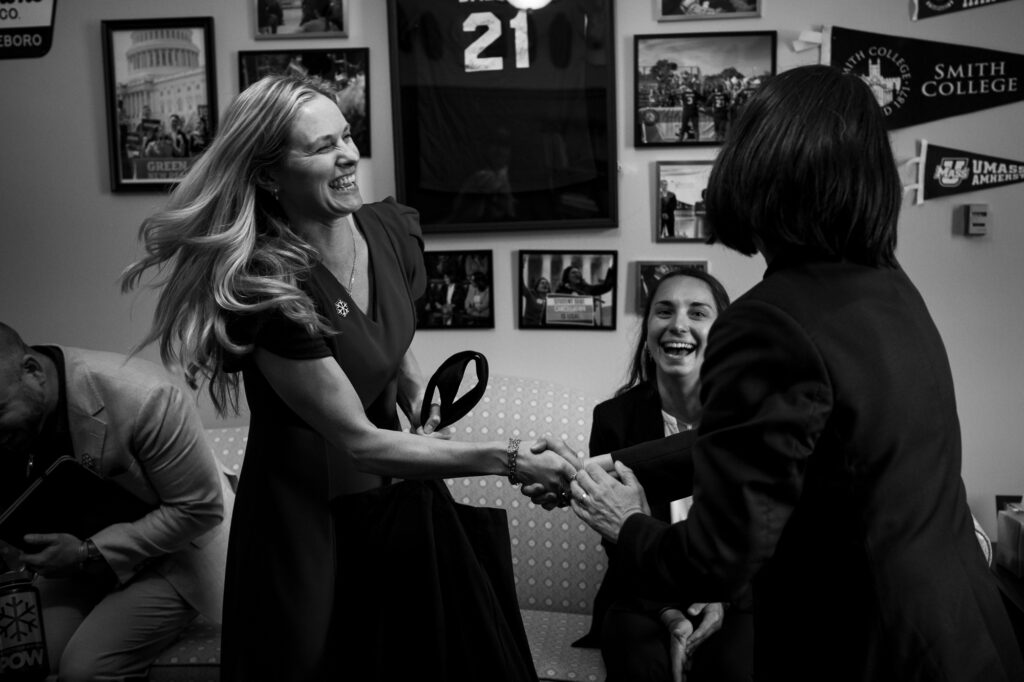
Lawmakers such as Senator Chuck Schumer expressed appreciation for the delegation’s efforts, noting the importance of hearing from constituents who are on the front lines of climate change. The presence of the "Science Alliance" members was particularly noted for adding a layer of substantive expertise that is often missing from purely political advocacy. By pairing athletes with scientists, POW created a "messenger-expert" dynamic that proved difficult for congressional staffers to ignore.
Broader Impact and Future Implications
The POW fly-in represents a broader trend in environmental advocacy: the professionalization of the "Outdoor State" as a political force. As climate change continues to disrupt traditional industries, the outdoor recreation sector is increasingly asserting itself in Washington, D.C. The success of this mission will be measured by the future trajectory of the Arctic Refuge Protection Act and the potential for a legislative rebound of EPA authorities in the coming sessions.
The delegation’s work also underscored the importance of public lands as a tool for climate mitigation. By advocating against oil and gas leasing, POW is positioning public land management as a central component of national climate strategy. The group argued that preserving these landscapes is one of the most cost-effective ways to combat wildfire and drought—crises that are increasingly affecting both red and blue states.
As the delegation departed Washington, the message remained clear: the outdoor community is no longer sitting on the sidelines. The 38 meetings held over two days served as a formal notice to Congress that a diverse coalition of athletes, scientists, and business leaders is watching federal actions closely. For the members of Protect Our Winters, the fight for clean air, stable climates, and protected public lands is not a partisan hobby, but a necessary defense of their livelihoods and the natural world. The "slow way" of legislative change, as Max Lowe described it, requires a grain of patience, but the urgency of the 2026 lease sales suggests that the window for action is closing rapidly. The "Outdoor State" has signaled that it intends to remain a permanent and vocal fixture in the halls of power until science-based protections are restored.
