

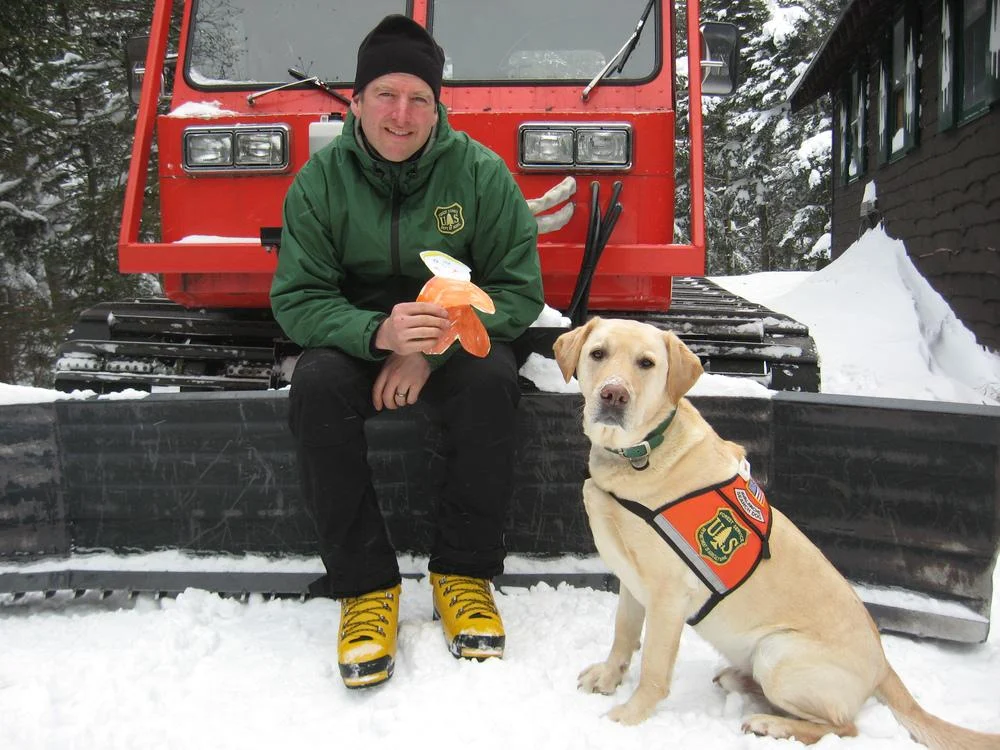
The mountain community is mourning the loss of Cutler, a distinguished avalanche rescue dog who dedicated 11 years of his life to ensuring the safety of visitors in the White Mountain National Forest. Cutler, a veteran member of the Mount Washington Avalanche Center (MWAC), recently passed away, leaving a significant void in the hearts of his handlers and the countless individuals he helped protect. His unwavering commitment and exceptional skills made him an indispensable asset to the MWAC, contributing significantly to avalanche preparedness and rescue operations on the formidable Mount Washington.
A Decade of Dedication: Cutler’s Imprint on Mount Washington
For over a decade, Cutler was a constant presence on the slopes of Mount Washington, a mountain renowned for its extreme weather conditions and challenging terrain. His tenure with the Mount Washington Avalanche Center spanned nearly 80% of his life, a testament to his dedication and the integral role he played in the center’s mission. Avalanche dogs are highly trained canine partners that assist human rescuers in locating individuals buried under snow. Their keen sense of smell allows them to detect human scent even when buried deep beneath the snowpack, making them invaluable in time-sensitive rescue situations.
Cutler’s responsibilities extended beyond the critical function of search and rescue. He was also a highly effective ambassador for avalanche safety. His presence at public outreach events and educational programs allowed the Mount Washington Snow Rangers to connect with a broader audience, disseminating vital information about avalanche awareness, risk assessment, and safe travel practices in mountainous winter environments. This public relations aspect of his work was crucial in fostering a culture of safety and preparedness among hikers, skiers, and snowboarders who frequent the White Mountains.
The Life of an Avalanche Dog: A Deeper Look
The rigorous training and demanding work of an avalanche dog are often underestimated. These animals undergo extensive socialization and specialized training from a young age. They learn to distinguish human scent from other environmental smells, to navigate difficult terrain in varying weather conditions, and to work collaboratively with their human handlers. The bond between an avalanche dog and its handler is exceptionally strong, built on trust, communication, and mutual reliance.
Mount Washington, with its notorious weather and steep, avalanche-prone terrain, presents a particularly challenging operational environment. The White Mountains are a popular destination for backcountry recreation, and the MWAC plays a vital role in monitoring snowpack conditions and issuing avalanche forecasts. The presence of highly trained avalanche dogs like Cutler provides an additional layer of security for those venturing into these potentially hazardous areas.
A Legacy of Service and Public Engagement
The Mount Washington Avalanche Center, a collaborative effort between the U.S. Forest Service and the Mount Washington Observatory, is dedicated to providing avalanche hazard information and public safety education for the Mount Washington region. The center’s work is crucial for preventing avalanche accidents and ensuring the well-being of the public. Cutler’s contribution to this mission was immeasurable.
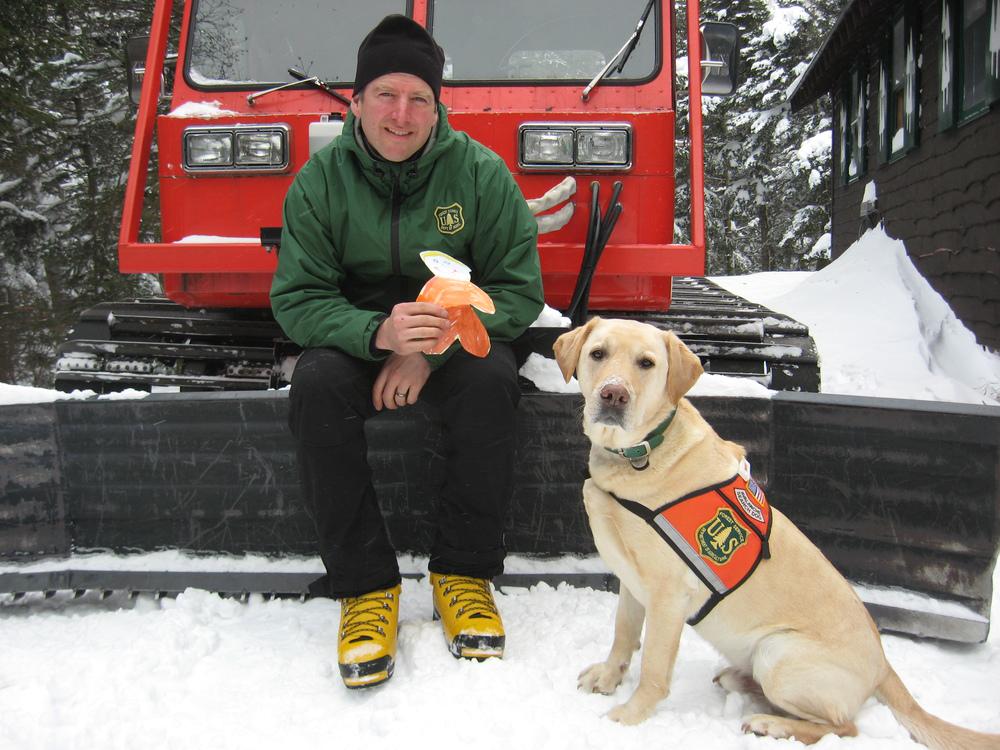
Chris Joosen, the Director of the Mount Washington Avalanche Center, has publicly acknowledged Cutler’s profound impact. Joosen has shared a heartfelt blog post and an extensive photo album, chronicling Cutler’s life and his dedicated service. This collection offers a poignant glimpse into the daily routines, the challenges, and the successes of an avalanche dog. The images depict Cutler and Joosen working together, often in challenging conditions within the iconic Tuckerman Ravine on Mount Washington, a popular and often dangerous area for winter sports enthusiasts. These visuals underscore the dedication and partnership required for such critical work.
The blog post, titled "Cutler: The Life of an Avalanche Dog, Thanks Buddy for 14 Great Years," provides a comprehensive overview of Cutler’s career. While the original article states 11 years of service, Joosen’s blog likely refers to Cutler’s full lifespan, indicating he was with the center for a significant portion of his 14 years. This distinction highlights the long-term commitment and dedication of these exceptional animals. The blog serves as a tribute, celebrating Cutler’s contributions and expressing gratitude for his unwavering loyalty and service.
Supporting Data and Broader Context
The importance of avalanche dogs in rescue operations is supported by data. While specific statistics for Cutler’s career are not readily available, national trends demonstrate their effectiveness. In avalanche rescue scenarios, time is of the essence. The survival rate of buried victims decreases dramatically with each passing minute. Avalanche dogs can cover large areas and locate buried individuals much faster than human searchers alone, significantly increasing the chances of survival. According to studies on avalanche rescue, the use of trained avalanche dogs can drastically reduce search times, particularly in complex terrain or when visibility is poor.
Mount Washington itself presents unique challenges that amplify the need for specialized rescue capabilities. It is infamous for its extreme weather, experiencing some of the harshest conditions in North America. Record-breaking wind speeds, heavy snowfall, and rapidly changing temperatures can create dangerous avalanche conditions. The steep slopes of Tuckerman Ravine, in particular, are a magnet for skiers and snowboarders seeking challenging descents, but they also carry a significant avalanche risk. The MWAC’s forecasts and on-the-ground presence, including the vital role of avalanche dogs, are critical in mitigating these risks.
Official Responses and Community Sentiment
The passing of a working animal like Cutler elicits a strong emotional response from the community they serve. The MWAC, as an organization, likely experiences a profound sense of loss. The handlers and staff who worked directly with Cutler would have developed deep personal bonds with him, viewing him as a colleague and a cherished member of their team.
The blog post by Chris Joosen serves as an official expression of sentiment from the MWAC. The tone is one of deep gratitude and respect, acknowledging the significant contribution Cutler made. The sharing of this information with the public allows for a collective acknowledgment of Cutler’s service and provides an opportunity for others who may have encountered Cutler or benefited from the MWAC’s work to express their own appreciation.
Beyond the immediate MWAC team, the broader outdoor recreation community in New Hampshire and the surrounding regions likely shares in the mourning. Avalanche dogs become symbols of safety and preparedness. Their presence, even if unseen by many, provides a sense of reassurance to those who venture into the backcountry. News of Cutler’s passing would resonate with individuals who understand the risks associated with winter mountain activities and appreciate the dedication of those who work to keep them safe.
Implications and Future Considerations
The retirement and subsequent passing of a seasoned avalanche dog like Cutler raise important considerations for avalanche safety organizations. The process of training and integrating a new avalanche dog into an established team requires significant time, resources, and expertise. Ensuring a seamless transition and maintaining the high standard of canine support is crucial.
Cutler’s tenure highlights the long-term investment in these specialized animals. The average lifespan of an avalanche dog can be around 10-12 years, and their working careers often span many of those years. This necessitates a continuous cycle of training and recruitment to maintain operational readiness. The MWAC, like other avalanche centers, will need to plan for the future, ensuring that new canine recruits are brought into the fold and receive the necessary training to uphold the legacy of service established by dogs like Cutler.
Furthermore, the public relations aspect of Cutler’s role underscores the importance of community engagement in avalanche safety. Dogs, with their inherent appeal, can be powerful tools for educating the public and fostering a greater understanding of avalanche risks. As organizations like the MWAC continue their vital work, maintaining these outreach efforts, perhaps with new canine ambassadors, will remain a key strategy for promoting a culture of safety.
Cutler’s passing is a poignant reminder of the dedication, skill, and loyalty of avalanche dogs. His 11 years of service on Mount Washington represent a significant contribution to public safety, and his memory will undoubtedly continue to inspire those who work and recreate in the challenging yet beautiful landscape of the White Mountains. The legacy of his wagging tail and keen nose will live on in the continued efforts of the Mount Washington Avalanche Center to make the mountains a safer place for all.
