

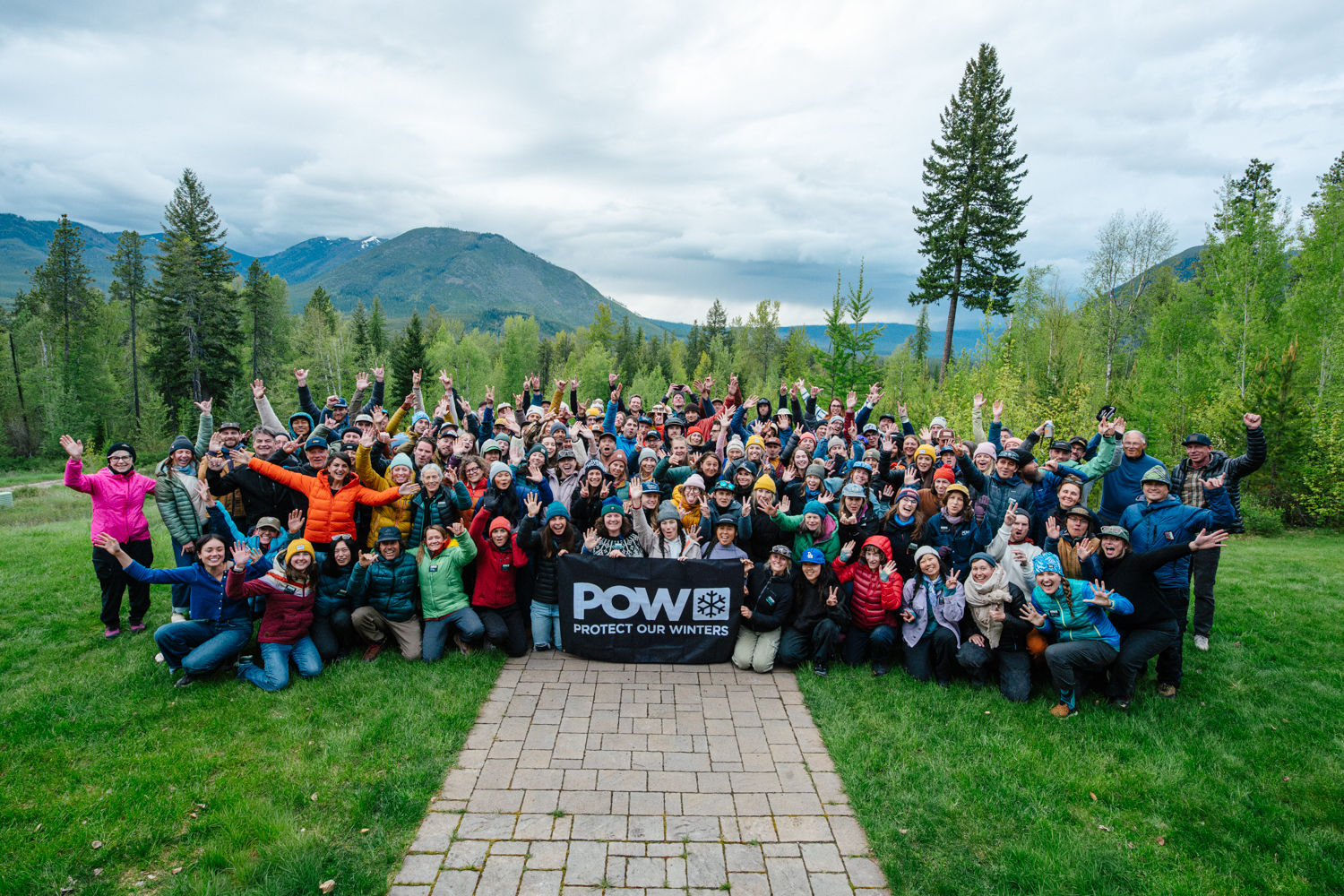
The Protect Our Winters (POW) Chapter Program has evolved into a pivotal mechanism for mobilizing the outdoor recreation community, transitioning from a centralized advocacy group into a distributed network of local organizers. By bridging the gap between high-level climate policy and community-level civic engagement, the program empowers enthusiasts of winter and water sports to influence the legislative and regulatory frameworks that govern their local environments. This localized approach recognizes that while national climate targets are essential, the implementation of renewable energy projects, the management of public lands, and the regulation of utility providers often occur at the municipal and county levels.
The POW Chapter Program operates on the premise that the "Outdoor State"—a demographic of over 50 million Americans who identify as outdoor enthusiasts—possesses significant untapped political and economic influence. According to data from the U.S. Bureau of Economic Analysis (BEA), the outdoor recreation economy accounted for approximately $1.1 trillion in gross output in 2022, representing 2.2% of the United States’ Gross Domestic Product (GDP). By organizing this economic force into a cohesive political constituency, POW field organizers are effectively challenging traditional lobbying interests in regions where the environment and the economy are inextricably linked.
Profiles in Local Leadership: The Field Organizers
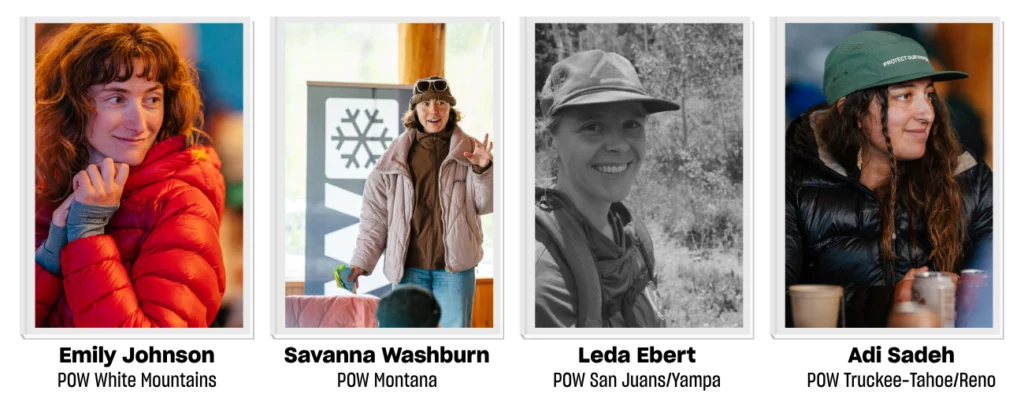
The efficacy of the Chapter Program is driven by field organizers who possess deep ties to their respective regions. These individuals serve as conduits between POW’s national strategy and the specific needs of mountain and coastal communities.
Emily Johnson, representing the White Mountains of New Hampshire, brings a background rooted in the specific ecological challenges of the Northeastern United States. Johnson’s focus centers on building collective power to protect ecosystems that are increasingly threatened by erratic winter patterns. In New Hampshire, where winter tourism is a cornerstone of the state economy, the loss of consistent snowpack represents not only an environmental crisis but a direct threat to the livelihoods of thousands of residents.
In the American West, Savanna leads the Montana chapter, operating in a state where the constitutional right to a "clean and healthful environment" provides a unique legal framework for advocacy. Her work emphasizes the connection between outdoor recreation and utility policy, specifically targeting the long-term energy planning of major providers like NorthWestern Energy.
Leda, overseeing the Southwest Colorado and Yampa Valley regions, focuses on the "Western Slope," a geography characterized by a transition from traditional extractive industries to a more diversified economy based on recreation and renewable energy. Her work involves building resilient communities that can navigate the complexities of climate action while maintaining local economic stability.
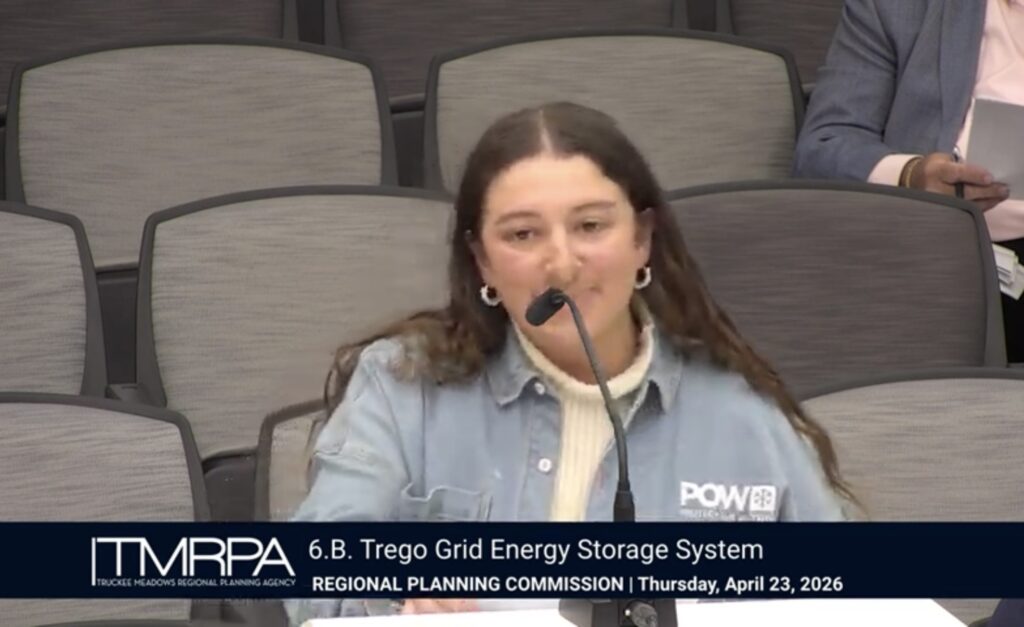
Adi, serving the Truckee-Tahoe and Reno regions of California and Nevada, integrates geography and ecology into her advocacy work. Her focus is on grid modernization and the promotion of clean energy storage, recognizing that the Sierra Nevada region is a critical battleground for both environmental conservation and sustainable infrastructure development.

A Chronology of Strategic Successes
The Chapter Program has recorded several measurable victories in 2026, demonstrating the tangible impact of localized grassroots organizing. These "wins" range from electoral successes to the approval of large-scale renewable energy infrastructure.
In early 2026, the POW Action Fund, a sister organization to the Chapter Program, facilitated the election of Laurel Boivin to the New Hampshire Electric Coop’s Board of Directors. Boivin, an expert in energy policy and community relations, represents a shift in leadership for one of the state’s largest member-owned utilities. This victory illustrates how grassroots mobilization can influence the governance of organizations that make critical decisions regarding energy sourcing and grid modernization.
In Colorado, the San Juan Chapter successfully advocated for the lifting of a moratorium on battery energy storage systems (BESS) in La Plata County. The removal of this moratorium allows for the integration of large-scale storage projects, which are essential for stabilizing the grid as more intermittent renewable sources like wind and solar are introduced.
Simultaneously, in Nevada, the Reno chapter played a decisive role in the advancement of the TregoGrid project. This initiative will bring 200 megawatts (MW) of battery storage to the grid, a significant step toward the state’s decarbonization goals. Field organizer Adi noted that the chapter’s advocacy focused on the technical necessity of storage to meet clean energy targets, effectively moving the project through the approval process in April 2026.
The Strategic Importance of Local Advocacy
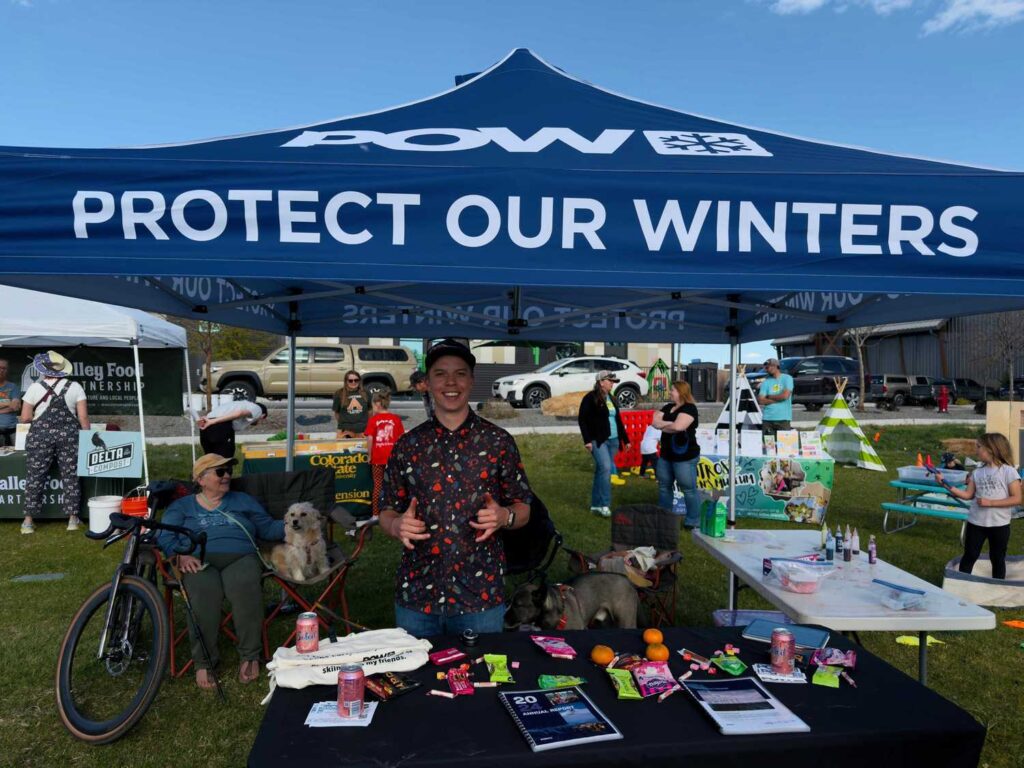
The POW Chapter Program emphasizes local advocacy because of the high degree of influence individual citizens can exert over municipal and county decisions. Unlike national legislative battles, which are often characterized by partisan gridlock and the heavy influence of large-scale corporate lobbying, local government meetings are accessible venues where public testimony can directly alter the course of a project.
Data on civic participation suggests that local elections and council meetings often suffer from low turnout, meaning that even a small, organized group of advocates can represent a decisive margin. In rural electric cooperative elections, for instance, outcomes can be determined by fewer than a dozen votes. By mobilizing outdoor enthusiasts to participate in these "micro-elections" and public comment periods, POW chapters are able to secure victories for clean energy and land conservation that would be far more difficult to achieve at the federal level.
Furthermore, local advocacy serves as a "proving ground" for broader policy shifts. When a mountain town successfully implements a transition to 100% renewable energy or approves a major storage project, it provides a scalable model that other communities and state legislatures can emulate. This creates a "ripple effect" where local progress builds the momentum necessary for state and national reform.
Economic Implications and Industry Resilience
The work of these chapters is increasingly viewed through the lens of economic resilience. The winter sports industry is particularly vulnerable to climate change; studies indicate that by 2050, the length of the winter season in some parts of the U.S. could be reduced by up to 50% under high-emission scenarios. This contraction would have devastating effects on the "gateway communities" that rely on seasonal tourism.
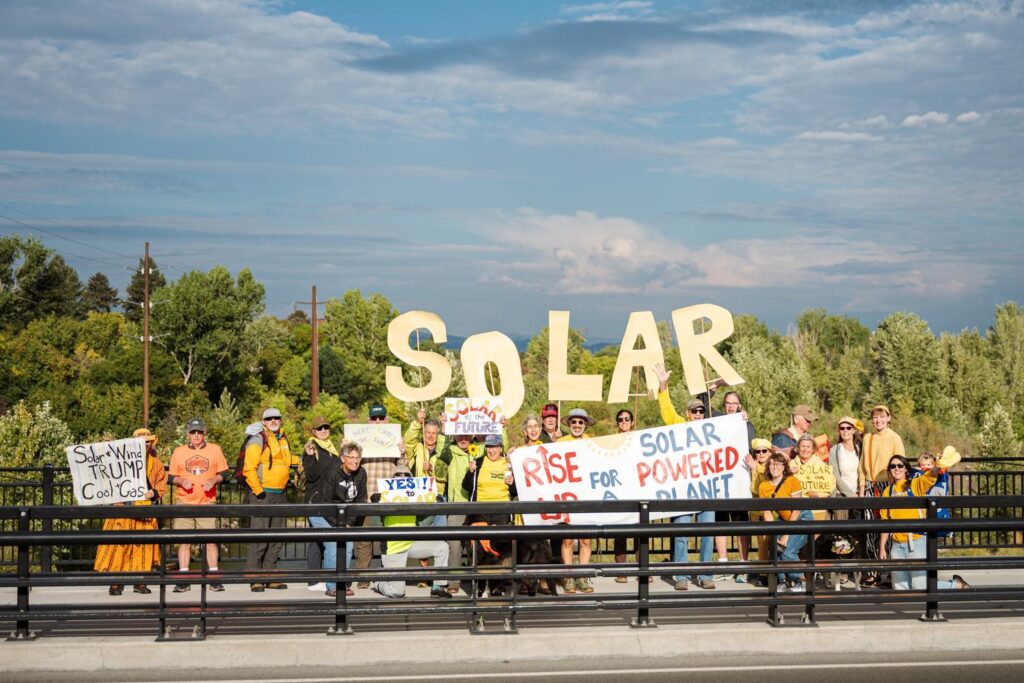
Field organizers like Savanna in Montana have highlighted the economic risks associated with traditional utility planning. By challenging NorthWestern Energy’s Integrated Resource Plan (IRP), which continues to prioritize coal and gas over lower-cost wind and solar options, the Montana chapter is advocating for ratepayer protection. Modernizing the energy grid is not only an environmental imperative but a fiscal one, as renewable energy and storage costs continue to decline relative to fossil fuel generation.
Future Outlook: The 2026 Midterm Cycle and Beyond
As the 2026 midterm election cycle approaches, the POW Chapter Program is shifting its focus toward voter mobilization. Organizers in key regions, such as Nevada’s 3rd Congressional District (CD3) and New Hampshire’s 1st Congressional District (CD1), are working to increase turnout among outdoor enthusiasts. The goal is to ensure that the "Outdoor State" is recognized as a critical voting bloc that prioritizes climate action and public land protection.
The program’s strategy involves more than just endorsing candidates; it focuses on "building the muscle" of civic engagement. This includes training volunteers on how to write effective letters to the editor, how to deliver impactful public comments at city council meetings, and how to navigate the technical complexities of energy planning documents.
The organizers acknowledge that for many, the first step into advocacy can be intimidating. However, they maintain that professional expertise is not a prerequisite for participation. The core of their strategy is the "power of the story"—the ability of local residents to explain how climate change is affecting their environment and their economy.
Conclusion and Analysis of Broader Impacts
The Protect Our Winters Chapter Program represents a sophisticated evolution in environmental activism. By decentralizing its operations and focusing on the specific regulatory and electoral levers of local government, the organization is effectively bypassing national political stagnation.
The broader implication of this model is the professionalization of the grassroots volunteer. By providing local organizers with the tools to engage in technical utility hearings and county-level land-use decisions, POW is creating a more informed and active citizenry. This approach addresses the "apathy of scale"—the feeling that individual action is meaningless in the face of a global crisis—by focusing on winnable, local battles that have immediate impacts on community health and economic stability.
As the program continues to grow, its success will likely be measured by its ability to turn the cultural passion for the outdoors into a permanent and influential political infrastructure. In the current landscape of American climate policy, the work of field organizers in the White Mountains, the Gallatin Valley, and the Sierra Nevada may well be the most effective front line in the effort to secure a sustainable future for the "Outdoor State."
