

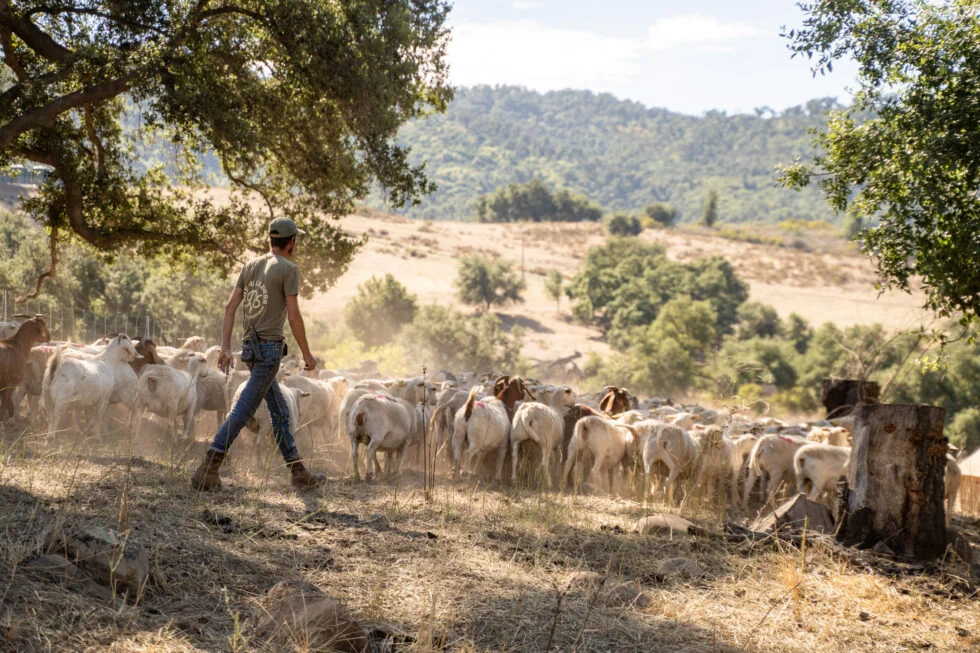
For millennia, the ecological health of Southern California was dictated by the rhythm of movement. Migratory animals traversed the region’s diverse terrain in response to the availability of forage and water, navigating the challenges of predation, drought, and shifting seasons. Long before the implementation of modern fire suppression policies or urban development, native grasses were grazed, trampled, and redistributed across the hillsides. In this historical context, vegetation did not accumulate in a stagnant, uninterrupted cycle; rather, the landscape was a dynamic system shaped by consumption, regrowth, and migration.
Fire was a natural component of this ecology, though it functioned differently than the megafires of the 21st century. Historically, fires were frequent but often lower in intensity, moving through a landscape where grazing prevented the uniformity of fuel loads. Today, that balance has shifted. Southern California now faces a reality defined by hotter temperatures, prolonged drought, and the proliferation of invasive annual grasses. These factors, combined with decades of fuel accumulation, have transformed wildfire from an occasional ecological tool into a structural condition that defines daily life. This transformation has significant implications for public safety, insurance stability, and the region’s relationship with its natural spaces.
The Rising Threat of the Wildland-Urban Interface
The intensifying wildfire crisis in the Western United States is not an isolated phenomenon but a result of intersecting climate and land-management factors. According to data from the National Oceanic and Atmospheric Administration (NOAA), climate change—driven by rising temperatures and increasingly dry atmospheric conditions—has become a primary driver in the growing severity and extent of wildfires. The "brittle" Mediterranean climate of Southern California, characterized by short periods of intense rain followed by long, arid stretches, makes the region particularly vulnerable to these shifts.
As urban development continues to push into the wildland-urban interface (WUI), the risks to life and property have escalated. In California, wildfire is no longer merely an environmental concern; it is reshaping insurance systems, housing policy, and public infrastructure. Major insurers have increasingly withdrawn from fire-prone regions, citing the instability caused by catastrophic burns. Meanwhile, updated fire hazard maps and new defensible space regulations are forcing a reimagining of how communities coexist with the surrounding landscape.
Prescribed Grazing as a Climate Adaptation Strategy
In response to these mounting pressures, a traditional form of land management has reemerged as a central pillar of California’s climate adaptation strategy: prescribed grazing. This practice involves the strategic use of livestock, specifically sheep and goats, to reduce fuel loads and promote the growth of native plant species.
Cole Bush, a prescribed grazing practitioner and founder of the Shepherdess Land and Livestock Co., operates out of the Ojai Valley. Her work represents a shift toward "ecological attentiveness," where animals are used as tools to address the systemic causes of landscape dysfunction rather than just the symptoms. Bush notes that the region’s current state is one of imbalance, where invasive species have created a volatile environment.
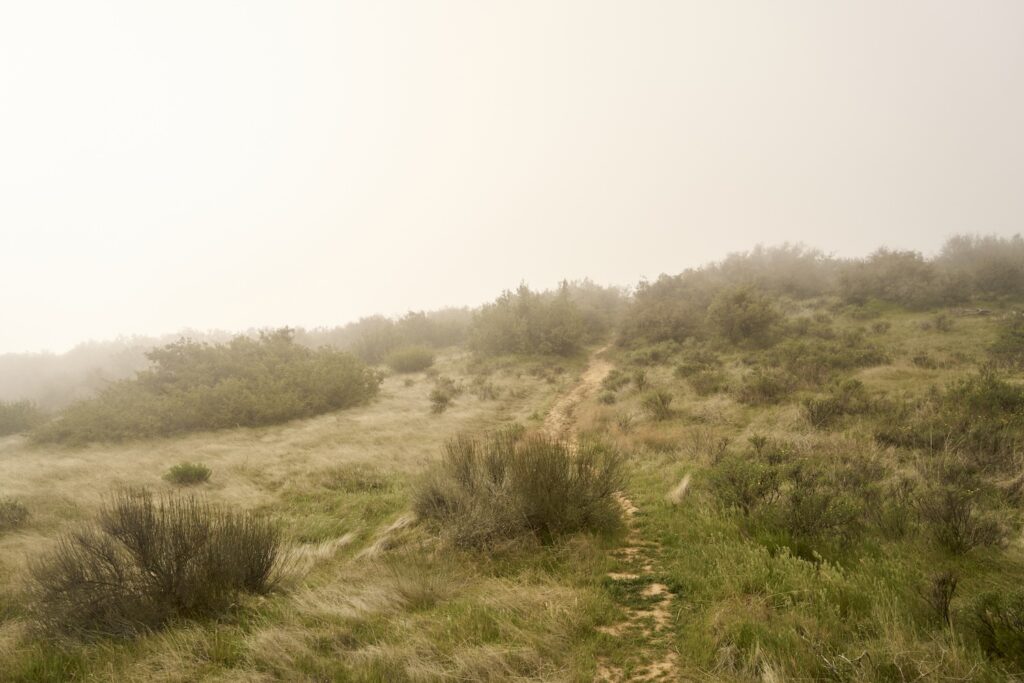
"We use a prescriptive approach that takes into consideration all of the variables a landscape reveals," Bush explained. "We start with the goal. Why are the animals here? What is the land trying to tell us?"
Before animals are introduced to a site, practitioners evaluate several factors, including:
- Vegetation density and species composition
- Topography and erosion risk
- Soil compaction and water movement
- Wildlife corridors and proximity to residential areas
By tailoring the grazing strategy to the specific needs of the terrain, shepherds can effectively manage fuel without the ecological disruption often caused by heavy machinery.
The Biological Efficiency of Sheep and Goats
The choice of livestock is critical to the success of prescribed grazing. Sheep and goats serve distinct ecological functions that, when combined, offer a comprehensive solution for fuel reduction.
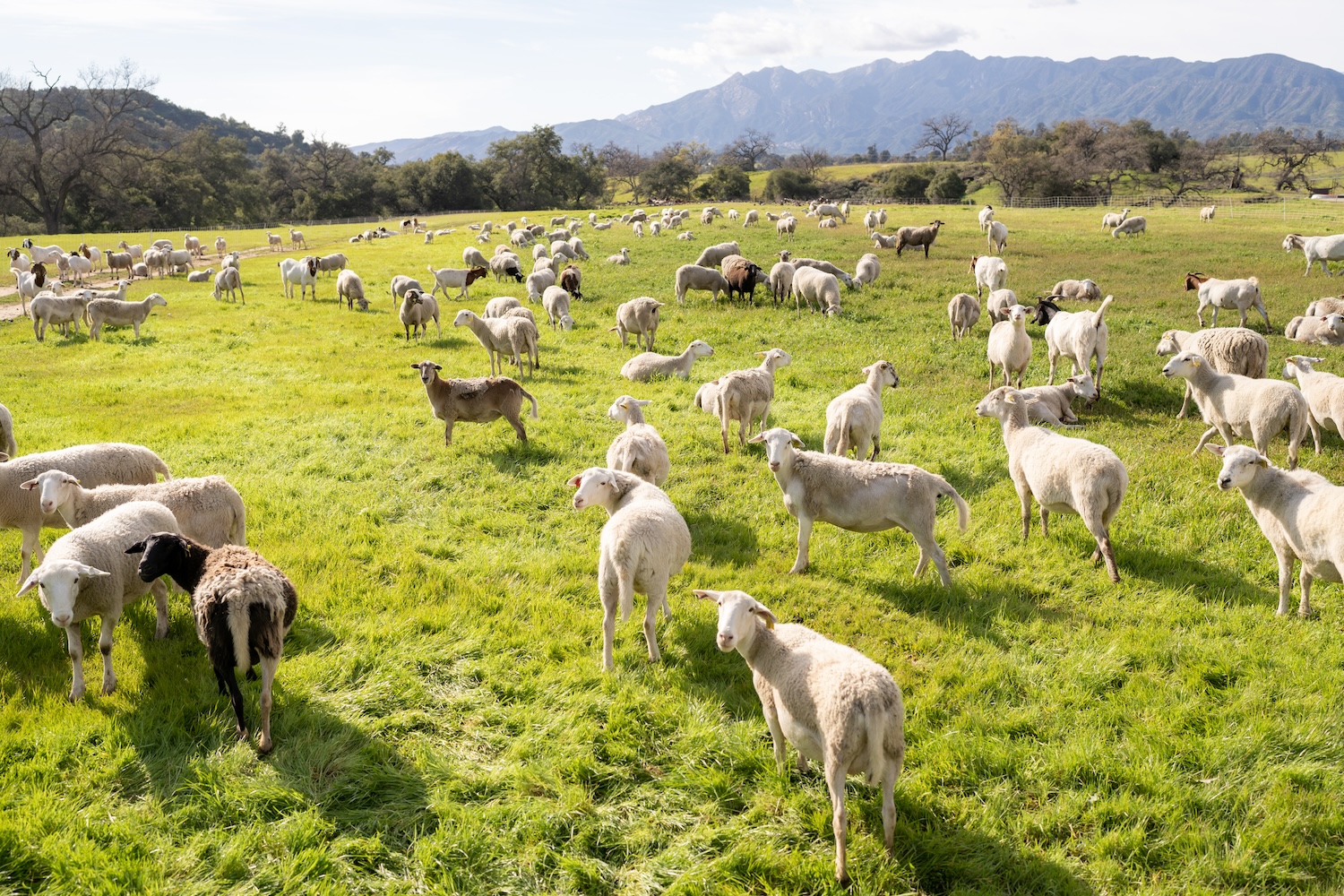
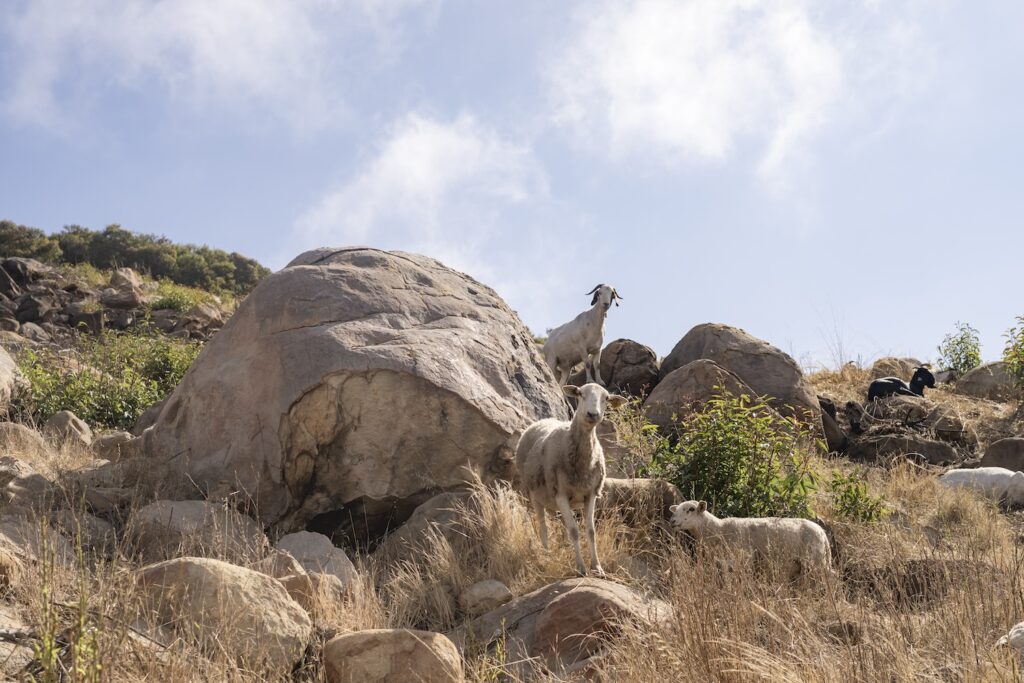
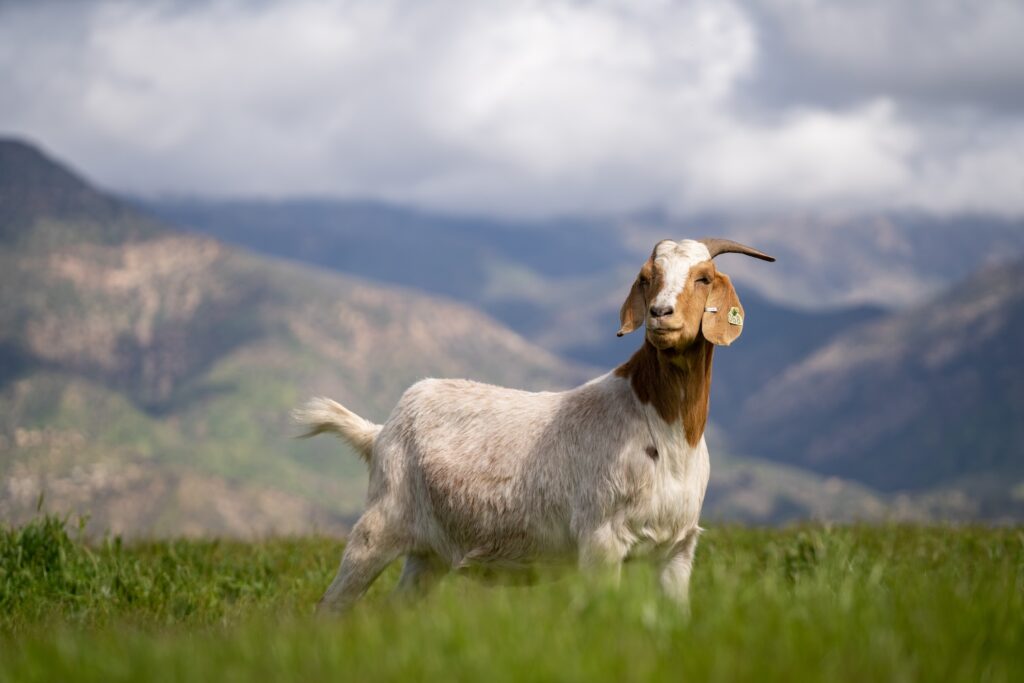
Goats are primarily "browsers." They prefer woody vegetation, shrubs, and low-hanging tree branches, making them ideal for thinning dense chaparral and brush. In contrast, sheep are "grazers," focusing on grasses and lower-growing forage. This "combo punch," as Bush describes it, allows for the targeted removal of different fuel types.
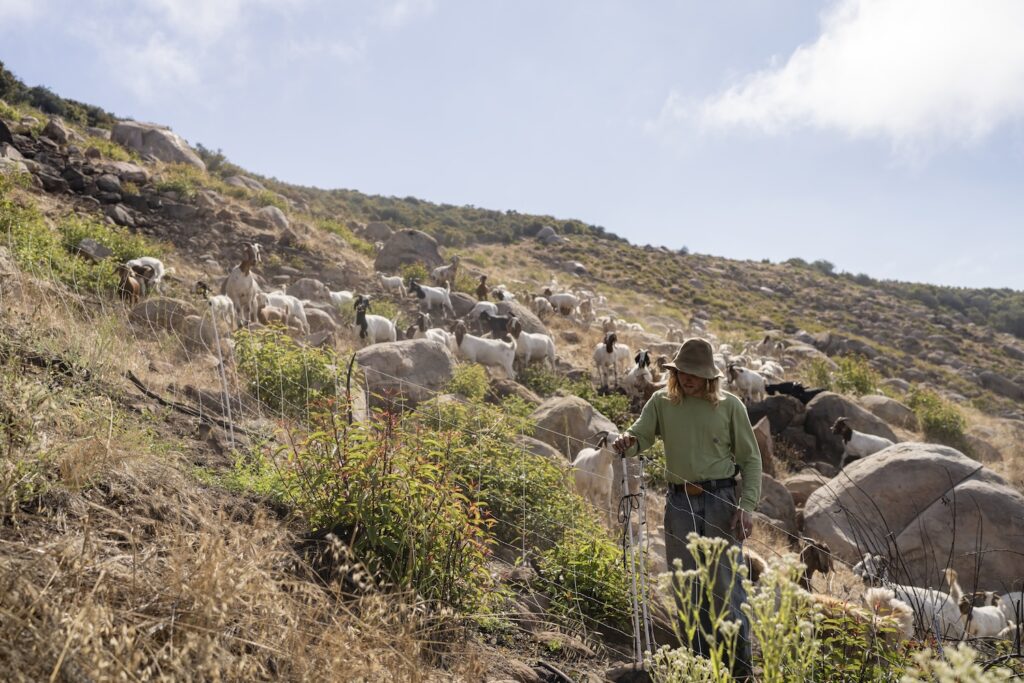
Furthermore, these animals are uniquely suited for the rugged and often inaccessible terrain of Southern California. They can navigate steep canyons, utility corridors, and suburban edges where mechanical clearing is impossible. Unlike cattle, sheep and goats require significantly less water and can be moved through populated areas with minimal disruption. This adaptability is essential for protecting the WUI, where fire risk is highest.
A Chronology of Crisis and Response: 2017–2026
The necessity of these adaptive measures is underscored by the timeline of major wildfire events in the region. The 2017 Thomas Fire, which devastated Ventura and Santa Barbara counties, served as a catalyst for new thinking regarding land stewardship. It highlighted the vulnerability of the Ojai Valley and surrounding communities, prompting the formation of local resilience networks.
By 2025, the reality of ecological instability became even more pronounced. In January 2025, a series of fires erupted across Los Angeles and Ventura counties, including the Kenneth Fire near Agoura. These events tested the region’s emergency infrastructure and led to the creation of the Ojai Herd and Horse Network, an improvised evacuation support system for livestock.
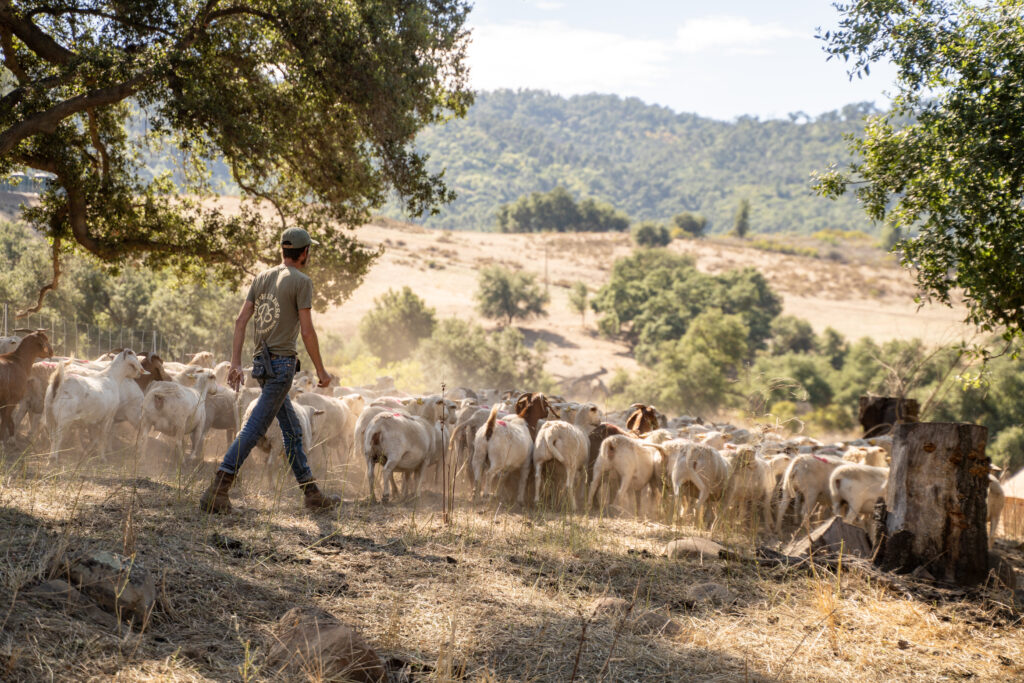
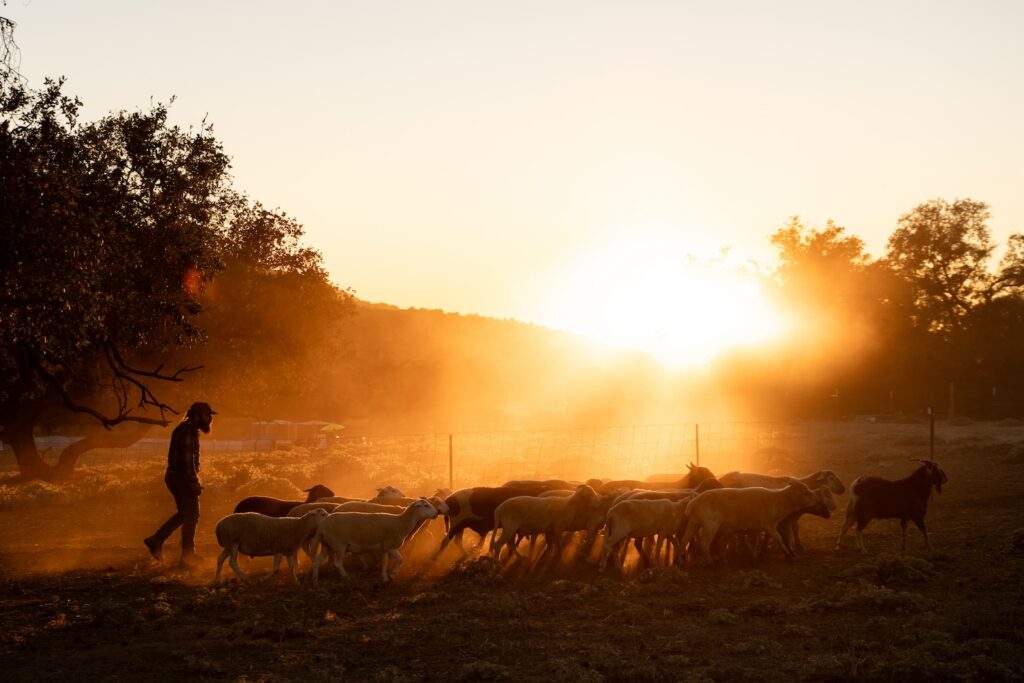
Cole Bush played a pivotal role during the Kenneth Fire, using her expertise to evacuate semi-feral sheep from steep hillsides under extreme pressure. "It was only experienced shepherds who could get those sheep off that mountain slow and steady and calm," Bush recalled. The evacuation required a deep understanding of animal behavior, utilizing subtle directional pressure to move the flock through smoke and emergency traffic without inciting panic.
The 2026 Sandy Fire in Ventura County further demonstrated the ongoing volatility of the landscape. Even as communities work to implement grazing and prescribed fire, the sheer scale of modern megafires continues to pose a significant challenge. These events have created a feedback loop: climate change intensifies wildfires, which then release massive amounts of carbon into the atmosphere, further accelerating climate instability.
The Intersection of Recreation and Stewardship
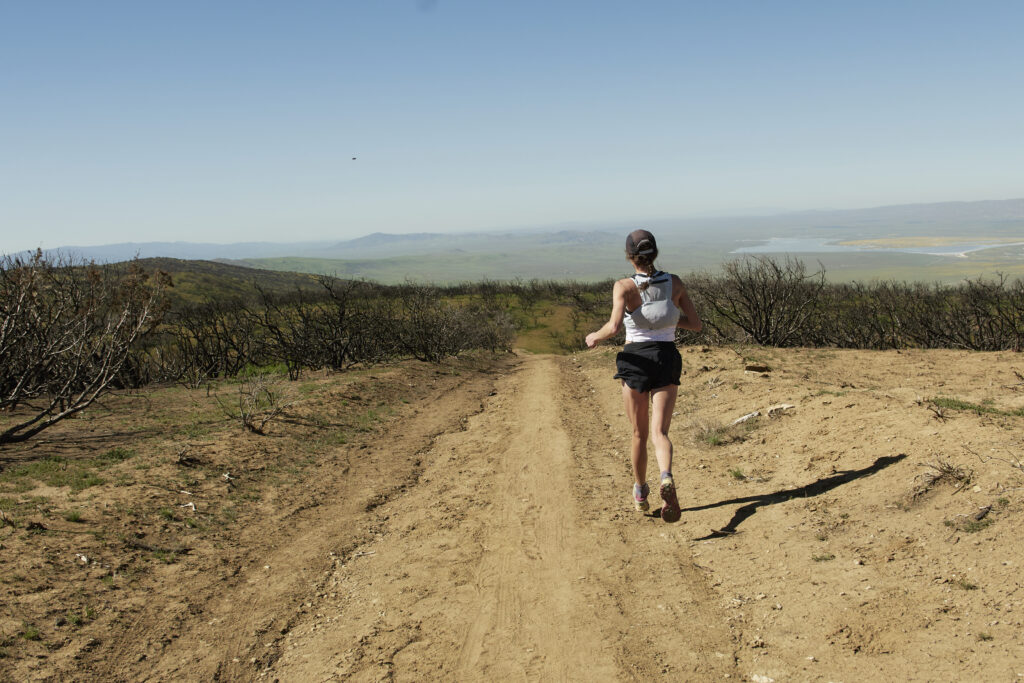
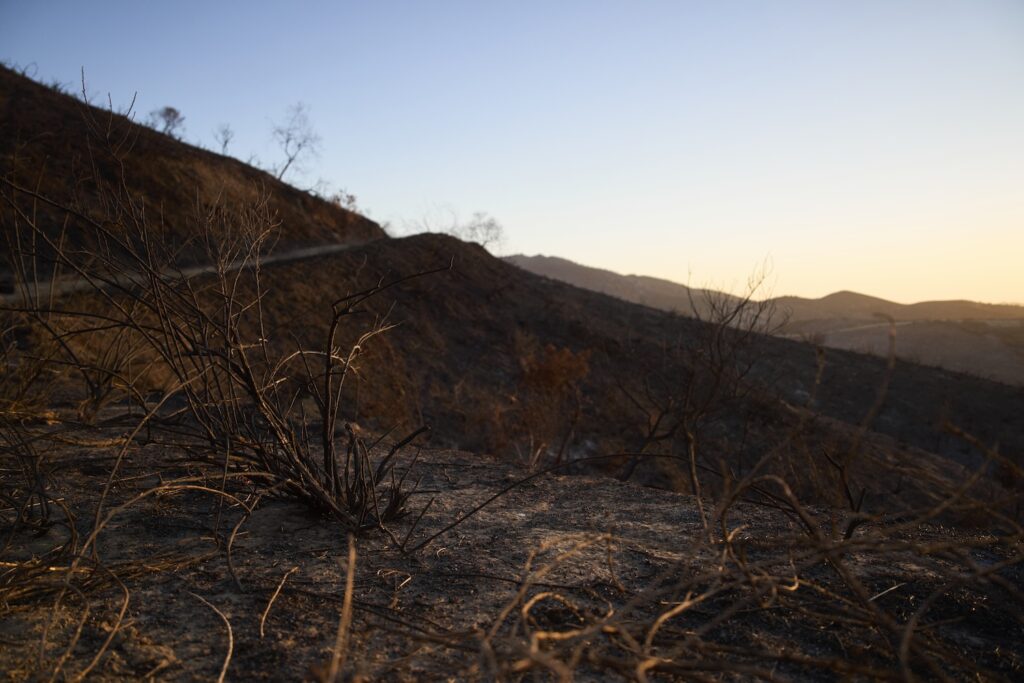
The changing ecology of Southern California has also fundamentally altered the region’s outdoor culture. Landscapes that attract millions of trail runners, hikers, and cyclists are now viewed through the lens of wildfire risk. Trails often close for months or years following major burns, and hillsides frequently reopen as blackened, unstable environments prone to erosion and flooding.
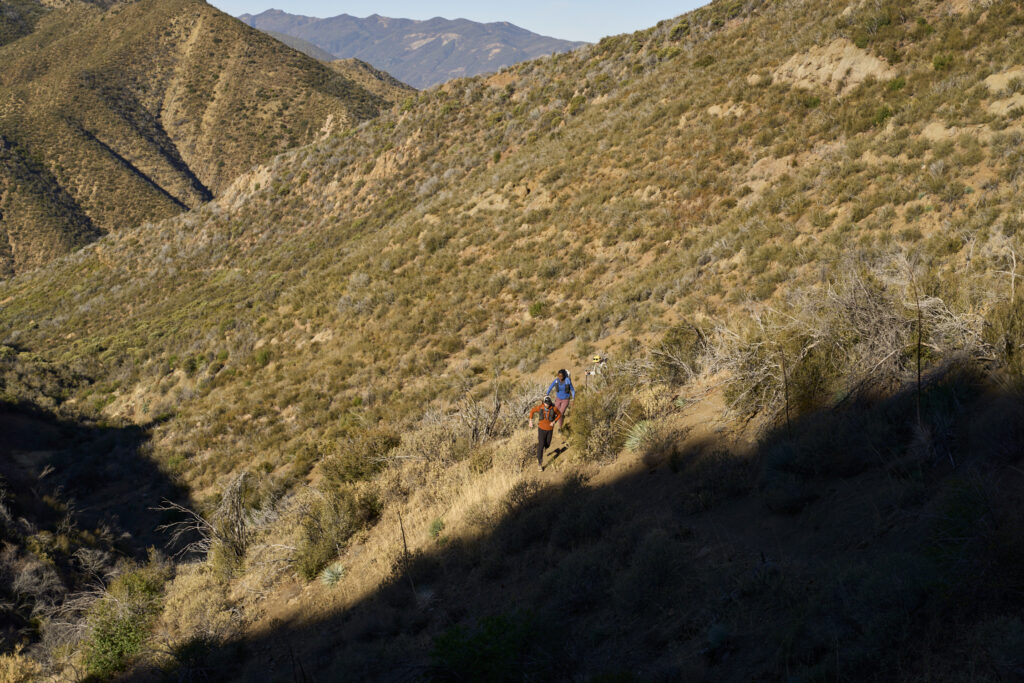
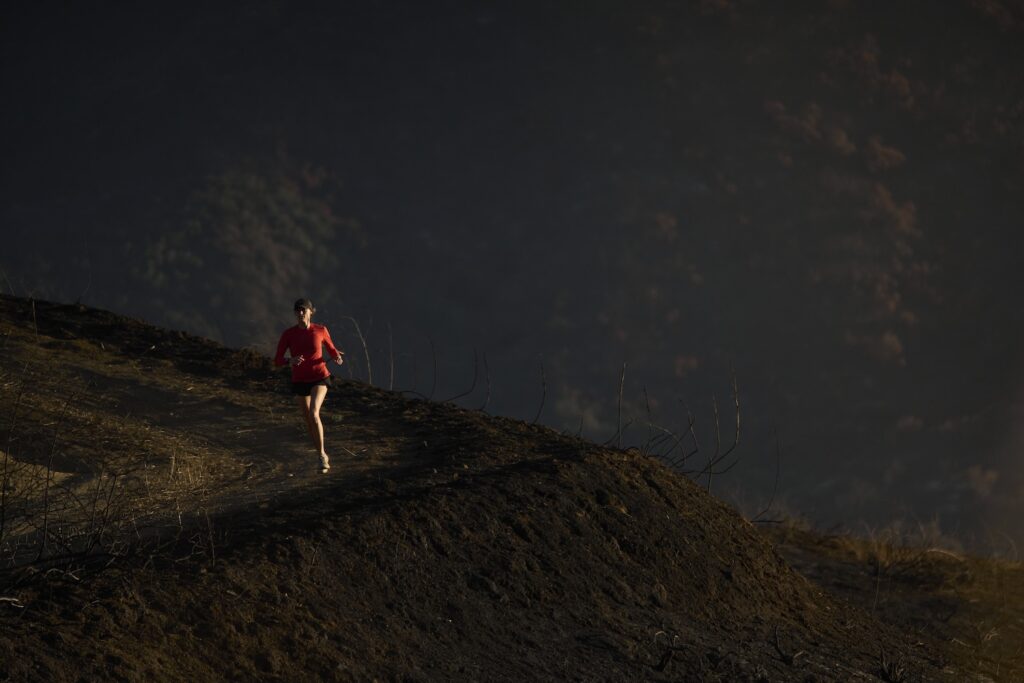
Liam Pickhardt, an Ojai-based photographer and trail runner, has documented this shift. He argues that the traditional separation between outdoor recreation and land stewardship is no longer sustainable. "The trails people run on and the open spaces people recreate in require active management now," Pickhardt said. "They don’t just stay intact on their own anymore."
Trail runners, in particular, develop an intimate familiarity with the landscape through repeated passage. They notice subtle changes in vegetation, the return of native species, or the spread of invasive grasses. This observational relationship mirrors that of a shepherd, creating a sense of reliance on and responsibility for the land. For many in the outdoor community, stewardship is no longer an optional activity but a requirement for the continued use of public lands.
Community Resilience and Policy Implications
The shift toward active land management is reflected in the work of organizations like the Ojai Valley Fire Safe Council. Kalli O’Connor, the council’s Assistant Director, describes wildfire resilience as a long-term process of cultural adaptation. The goal is to move away from a purely reactive model of fire suppression toward a proactive model of community preparedness.
This transition involves a "layered" approach to safety, including:
- Hardening Structures: Improving building materials to resist ignition.
- Defensible Space: Managing vegetation immediately surrounding homes.
- Fuel Breaks: Creating strategic clearings, often through grazing or prescribed fire, to slow the spread of advancing flames.
- Ecological Restoration: Reintroducing native plants that are more fire-resilient and better at retaining moisture.
The political future of California is increasingly tied to these efforts. As wildfire continues to reshape the state’s economy and environment, the ability of communities to adapt will determine their long-term viability. The "modern shepherd," as Bush suggests, is a form of activism—a commitment to maintaining the habitability of a volatile landscape through constant, attentive labor.
Conclusion: Shaping the Future Through Movement
The landscapes of Southern California will continue to burn; the region’s ecology and climate make fire an inevitability. However, the scale and impact of these fires are not predetermined. They are shaped by what moves across the land—whether it be the spread of invasive species, the movement of fire through accumulated fuel, or the strategic migration of grazing herds.
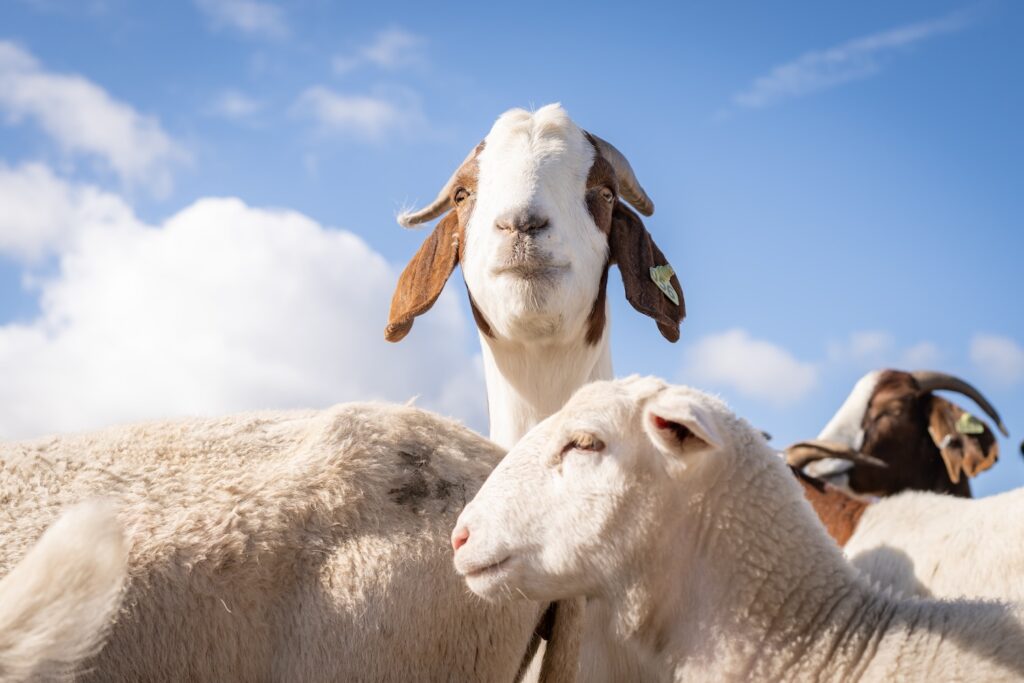
By reintegrating movement into the landscape through prescribed grazing, practitioners are attempting to restore a semblance of the ecological balance that existed for millennia. These efforts, combined with community-led stewardship and updated public policy, represent a path forward in an era of climate instability. As sheep and goats move through the hillsides of Malibu, Ventura, and Ojai, they are doing more than just clearing grass; they are helping to define the next chapter of Southern California’s relationship with the natural world. In a region defined by change, the ancient practice of shepherding has become a modern necessity for survival.
