

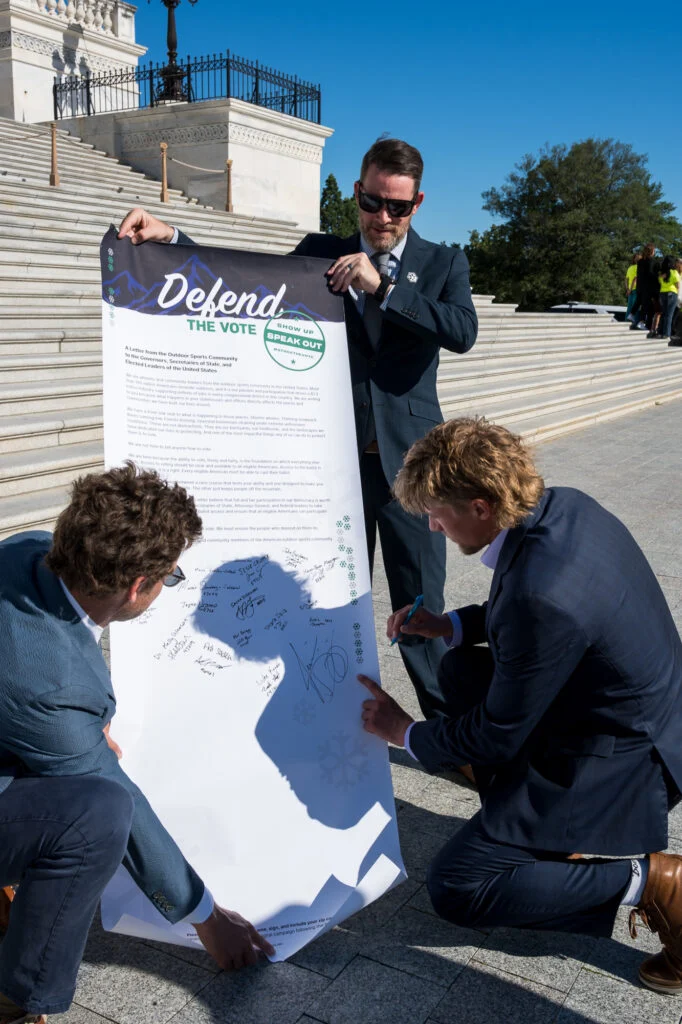
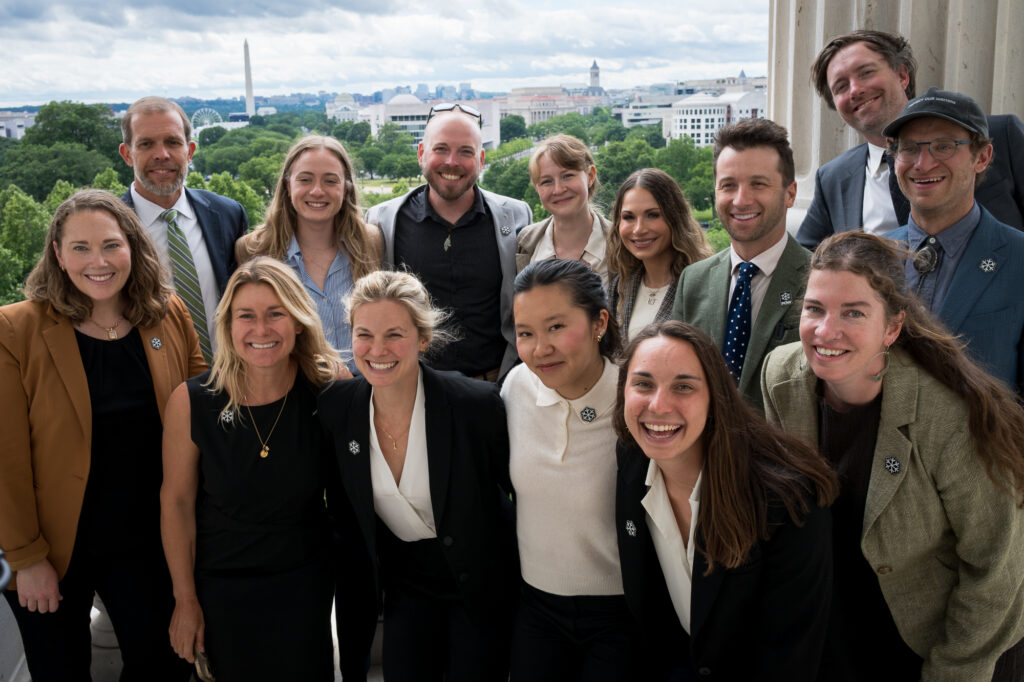
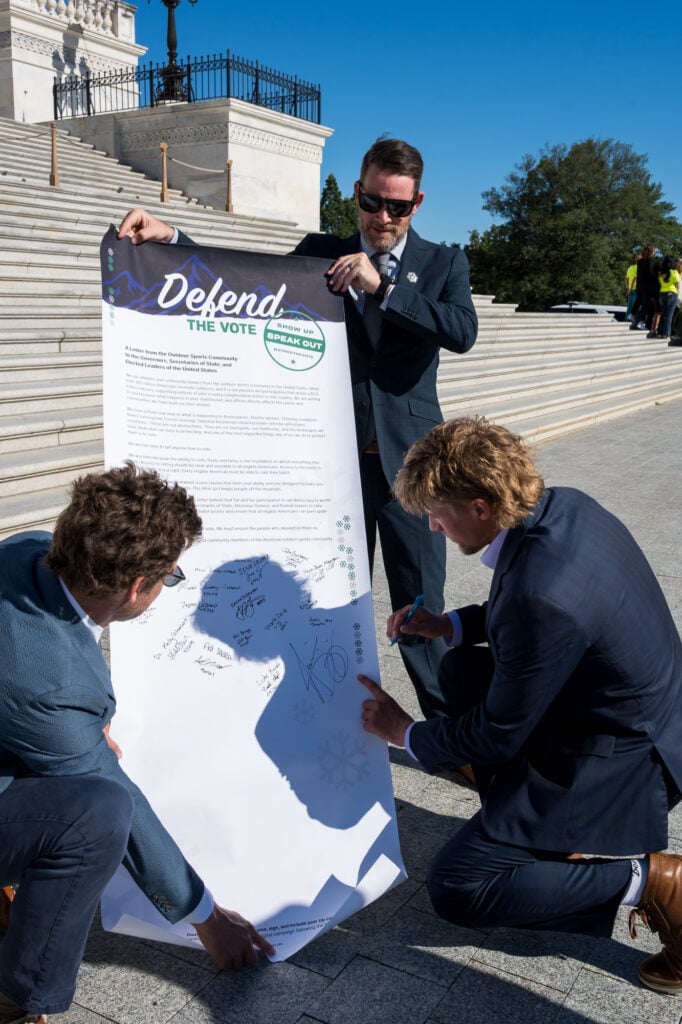
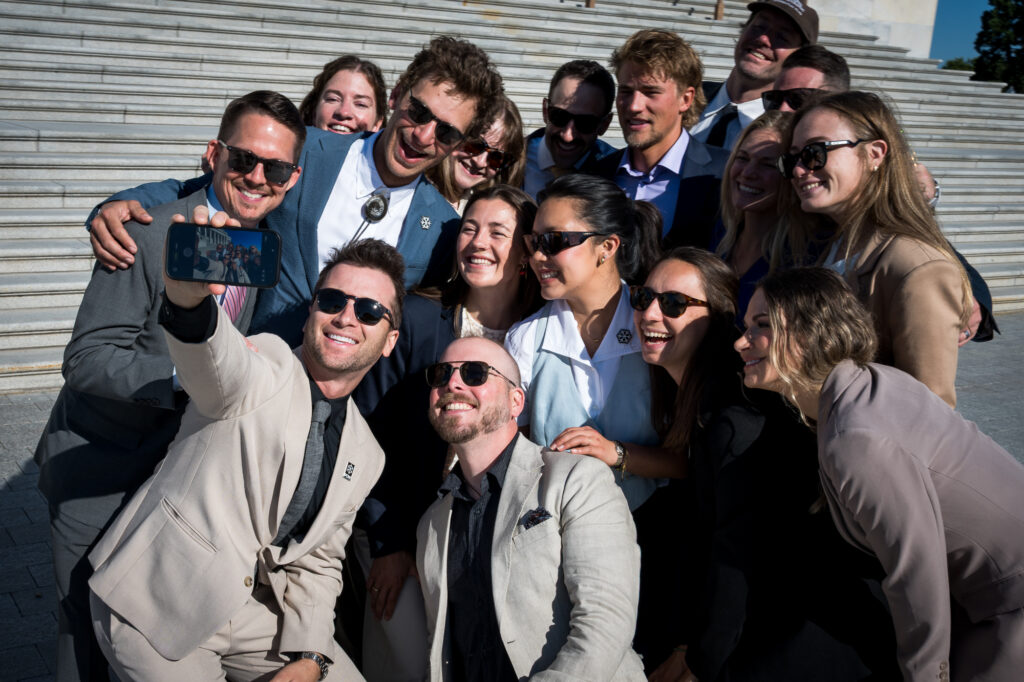
The non-profit advocacy organization Protect Our Winters (POW) recently concluded a high-profile legislative mission to Washington, D.C., deploying a diverse delegation of 13 Olympic athletes, climate scientists, filmmakers, and outdoor industry executives. The two-day advocacy push, aimed at members of the 119th Congress, sought to address a rapid acceleration of environmental deregulation and the expansion of fossil fuel extraction on federal lands. Representing what the organization terms the "Outdoor State"—a constituency of 50 million outdoor enthusiasts—the group conducted 38 high-level meetings with congressional offices and the House Natural Resources Committee to demand a reversal of policies they argue threaten the $1.1 trillion outdoor recreation economy and the ecological stability of the planet.
The delegation arrived at a critical juncture in American environmental policy. Since the beginning of 2025, federal agencies have undergone a systematic restructuring that has resulted in the weakening or total elimination of more than 50 core environmental protections. These rollbacks have largely targeted the regulatory authority of the Environmental Protection Agency (EPA) and the Department of the Interior, affecting standards for clean air, water quality, and methane emissions. By bringing world-class athletes and credentialed scientists directly into the halls of power, POW aimed to shift the narrative from abstract policy debates to the tangible impacts of climate change on American landscapes and livelihoods.
A Strategic Composition of the Delegation
The 2025 delegation was strategically assembled to provide a blend of cultural influence and technical expertise. Among the prominent figures were Olympic gold medalist and cross-country skier Jessie Diggins, alongside fellow Olympians Julia Kern, Jaelin Kauf, Gus Schumacher, Bea Kim, and Olivia Giaccio. These athletes serve as primary witnesses to the "vanishing winter," providing firsthand accounts of how shifting weather patterns are disrupting the global competitive circuit and the domestic ski industry.
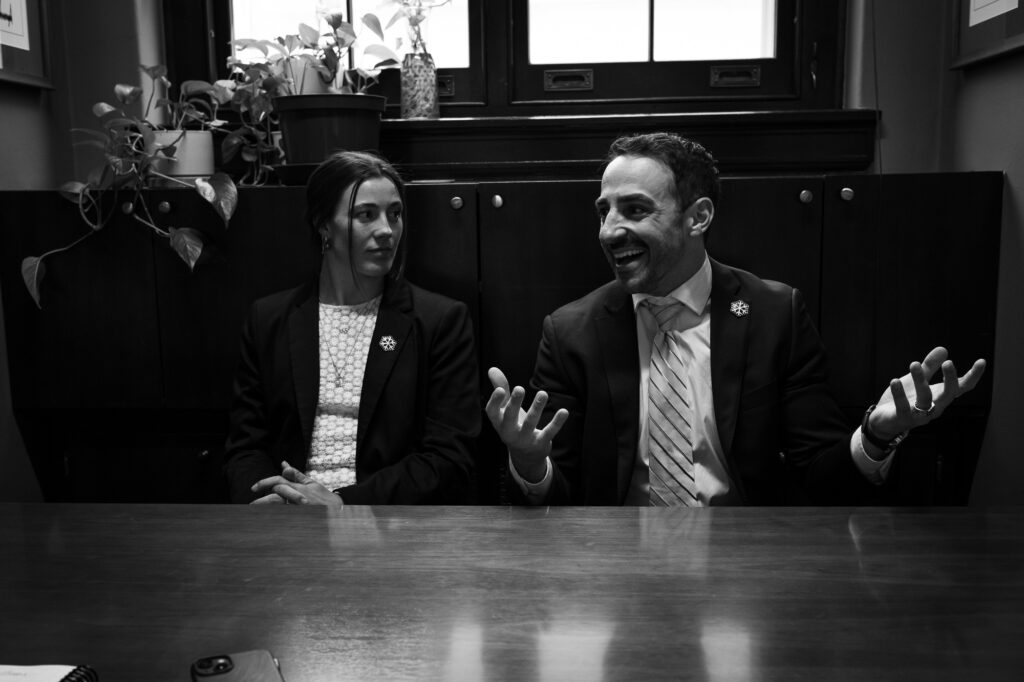
Accompanying the athletes were members of the POW Science Alliance, including Tracy Fanara and Stu Nissenbaum, the latter a former EPA scientist. The inclusion of Nissenbaum was particularly significant, as his presence provided a bridge between legislative theory and the technical realities of environmental enforcement. The delegation also included Max Lowe, Mike Thurk, and Chris Shane from the POW Creative Alliance, who documented the proceedings to mobilize the broader outdoor community, and Jamey Delaplane, a board member of the POW Action Fund.
Chronology of the Two-Day Legislative Push
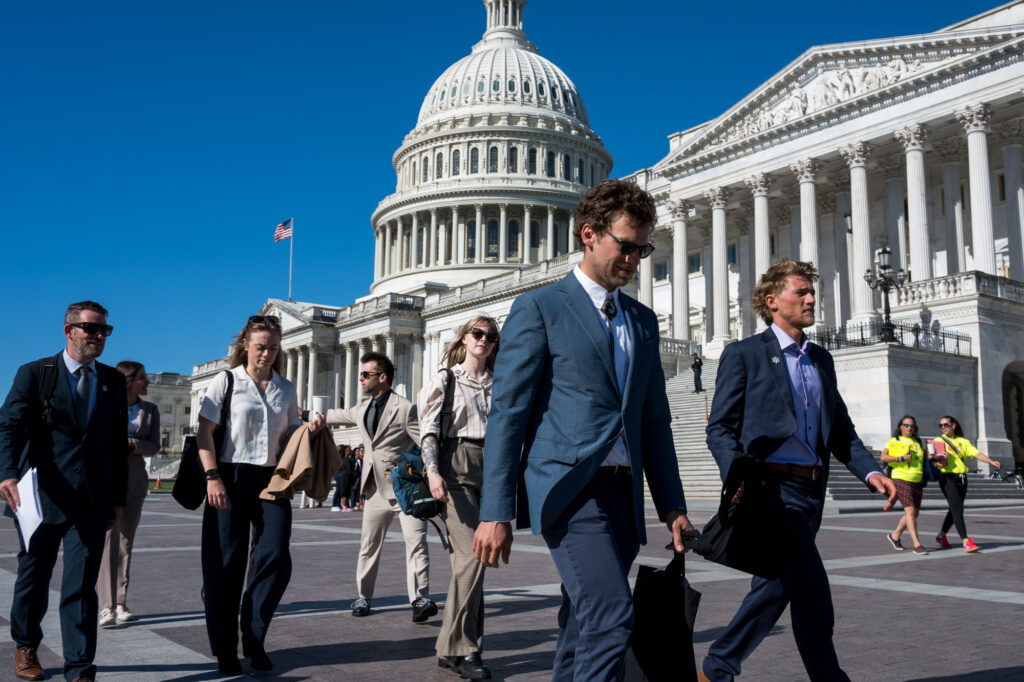
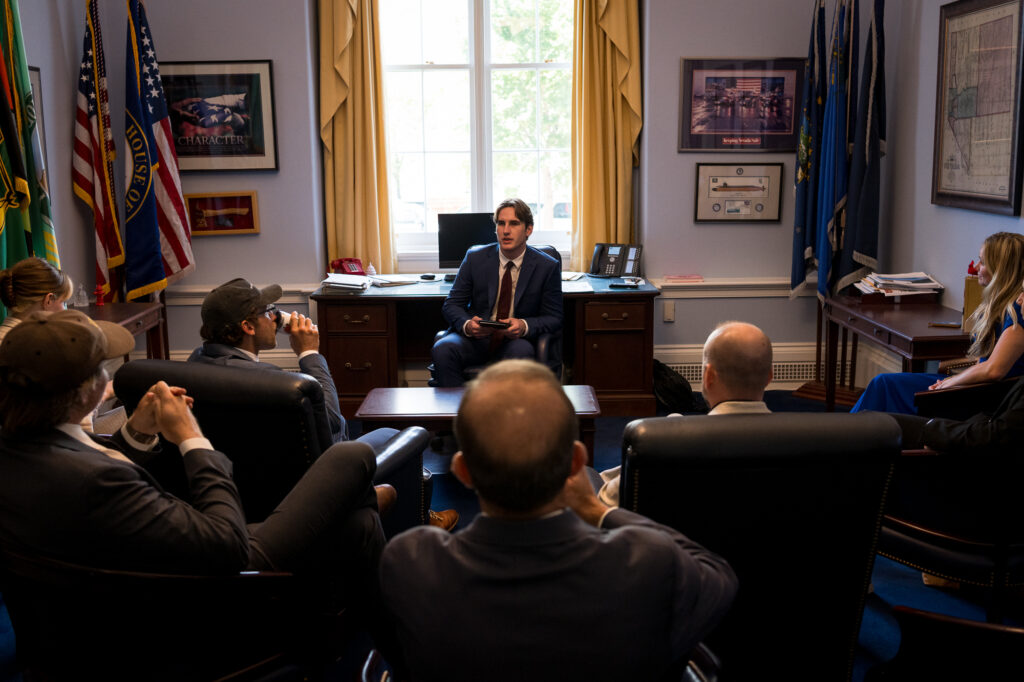
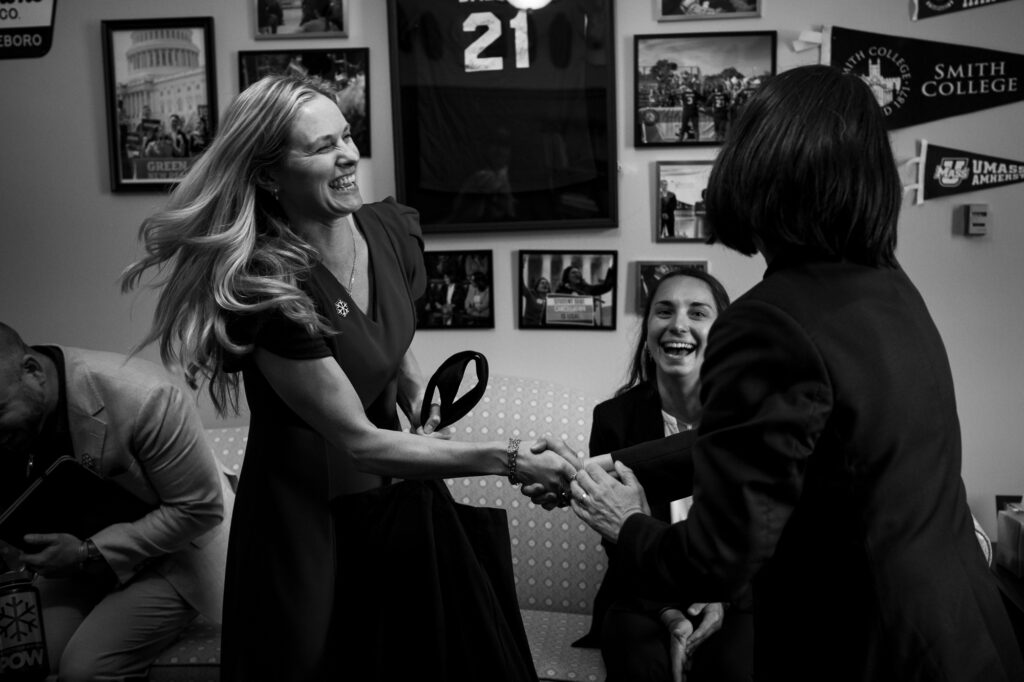
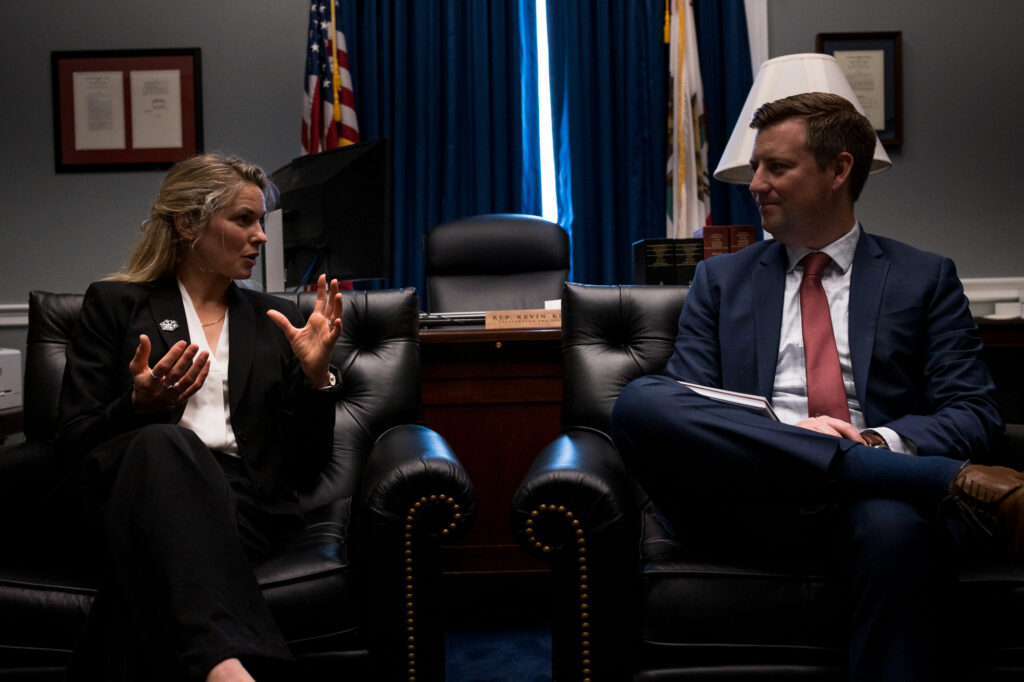
The mission was characterized by a dense schedule of 38 meetings over 48 hours, targeting a bipartisan selection of lawmakers. The delegation met with 15 Republican and 23 Democratic offices, reflecting a strategic effort to frame public land protection as a non-partisan issue of national economic importance.
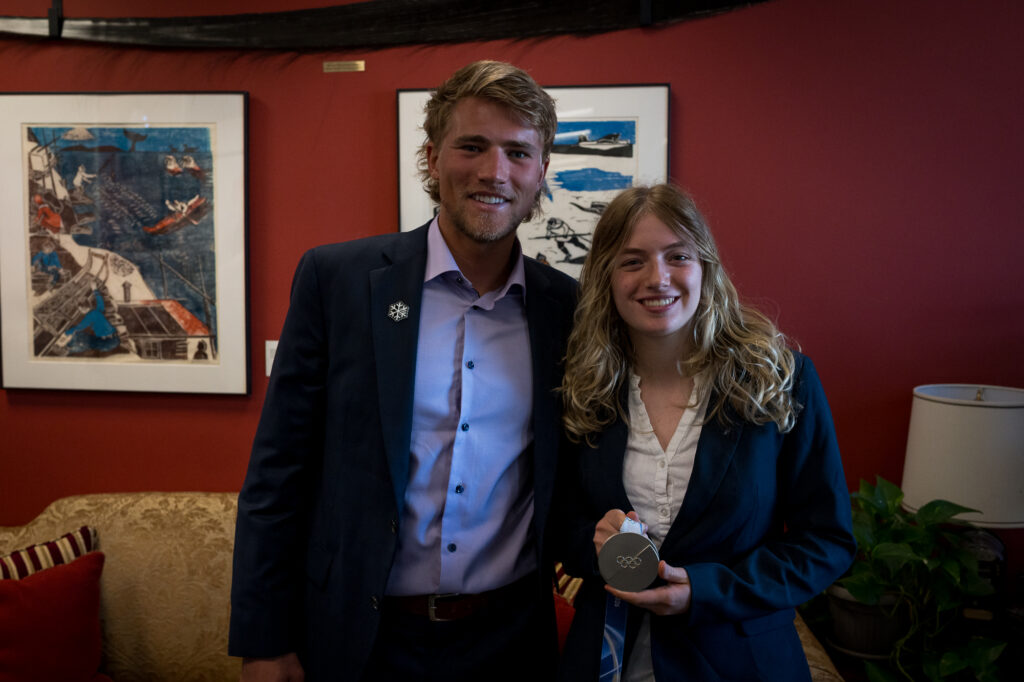
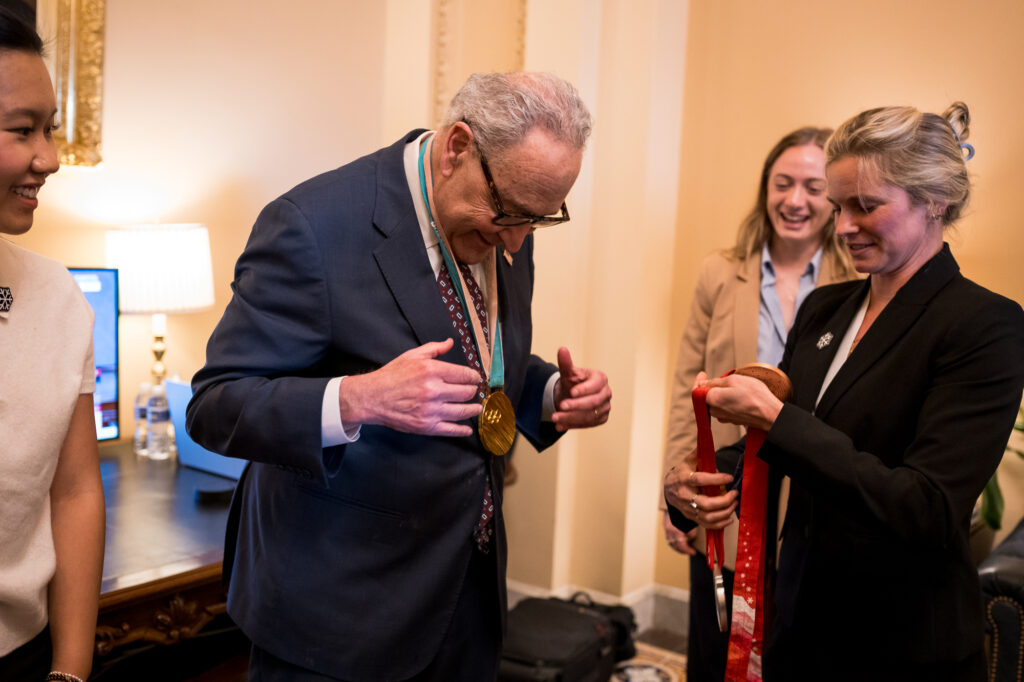
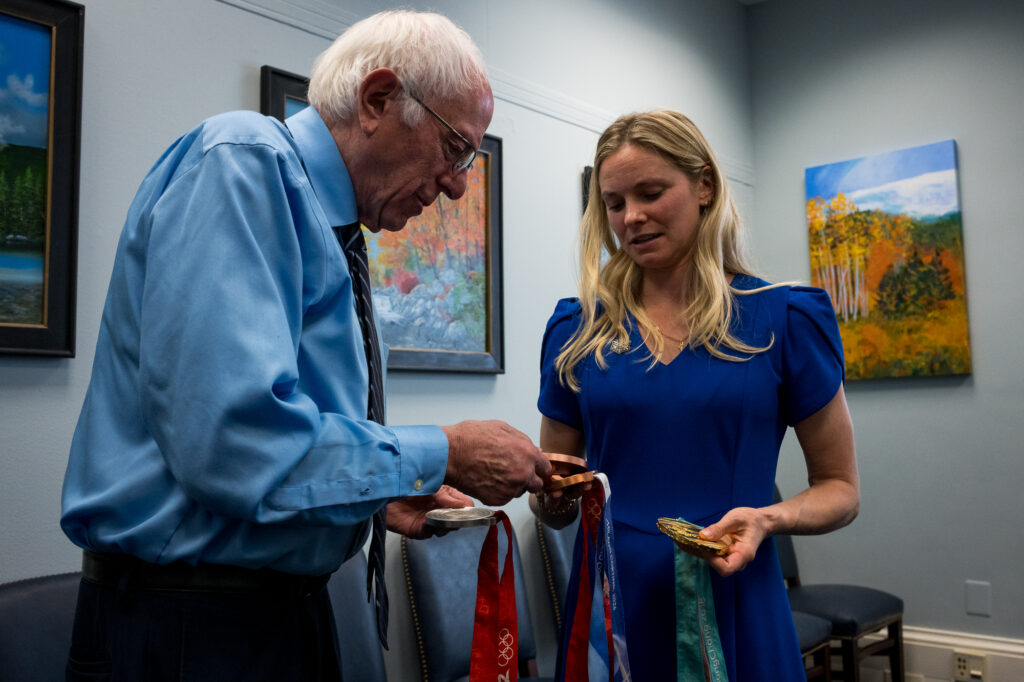
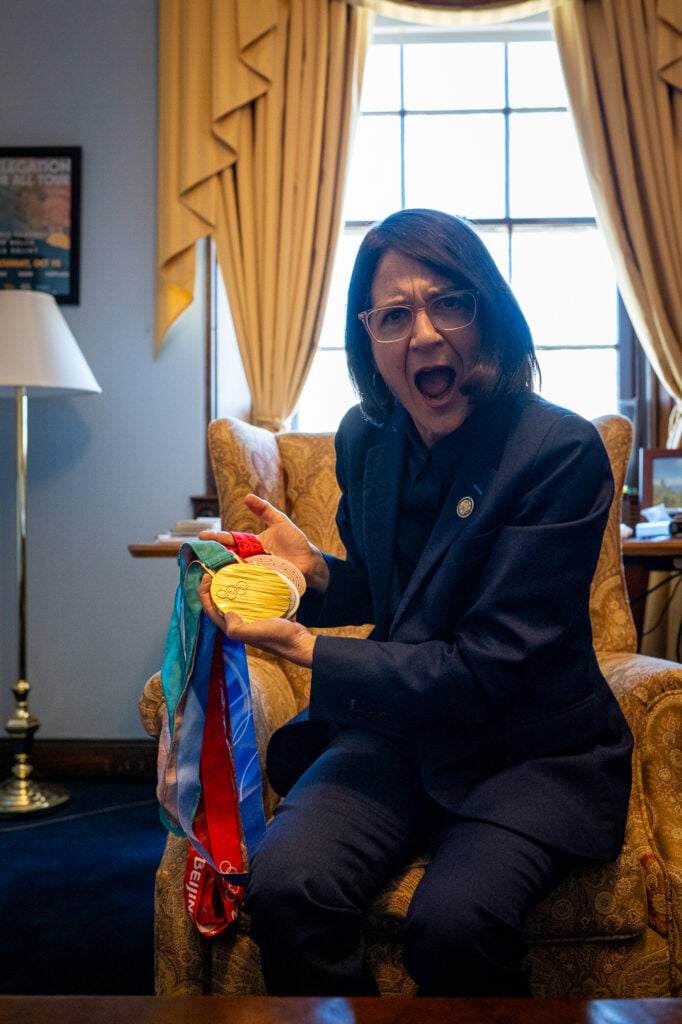
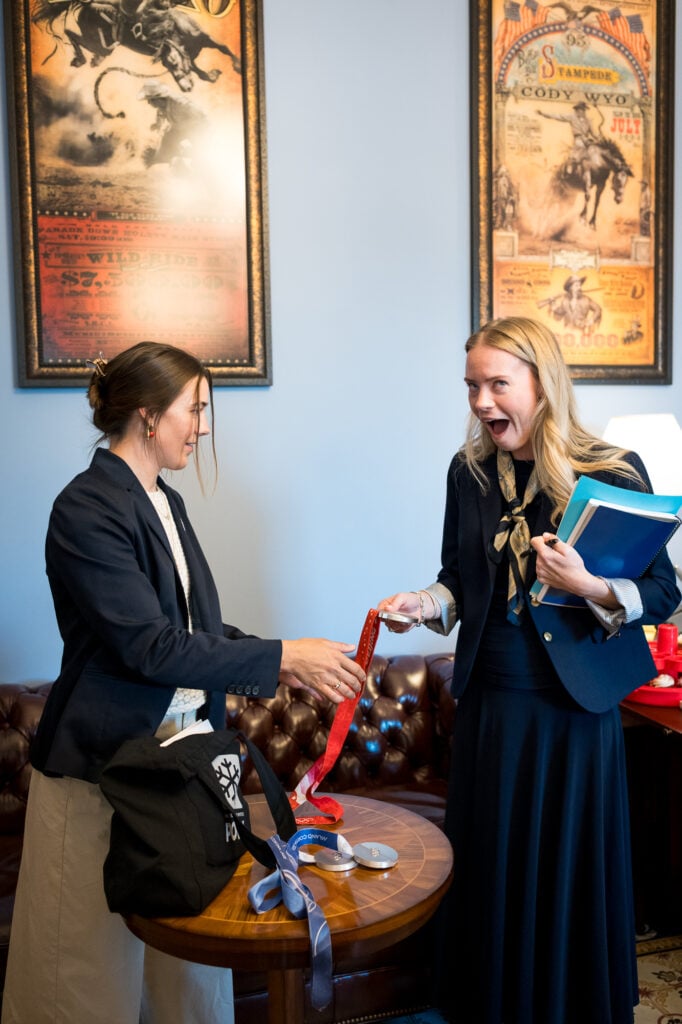
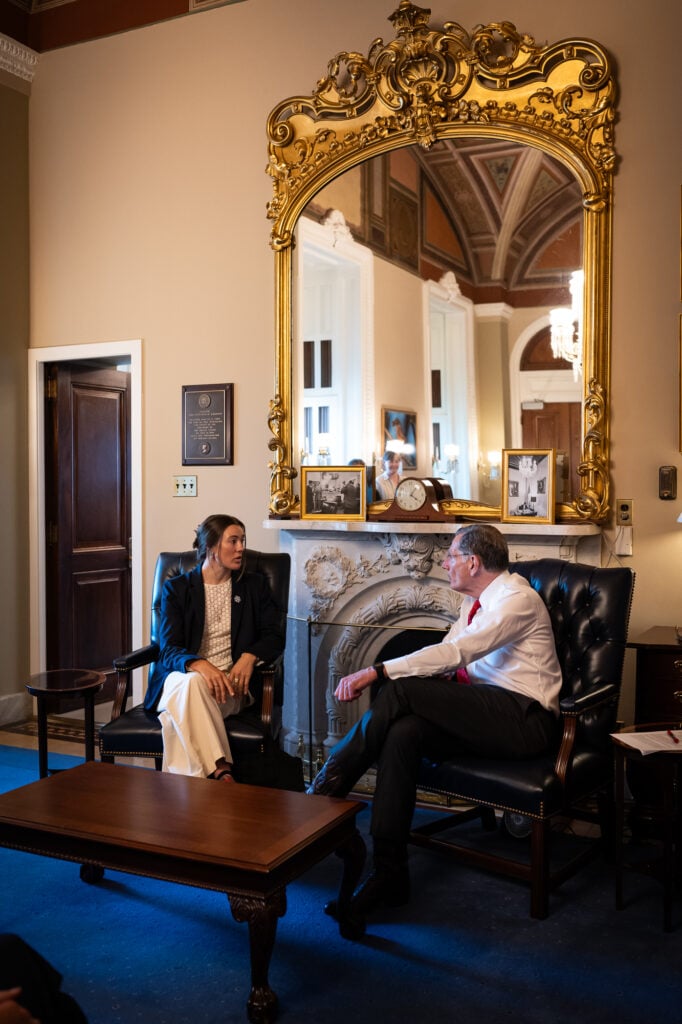
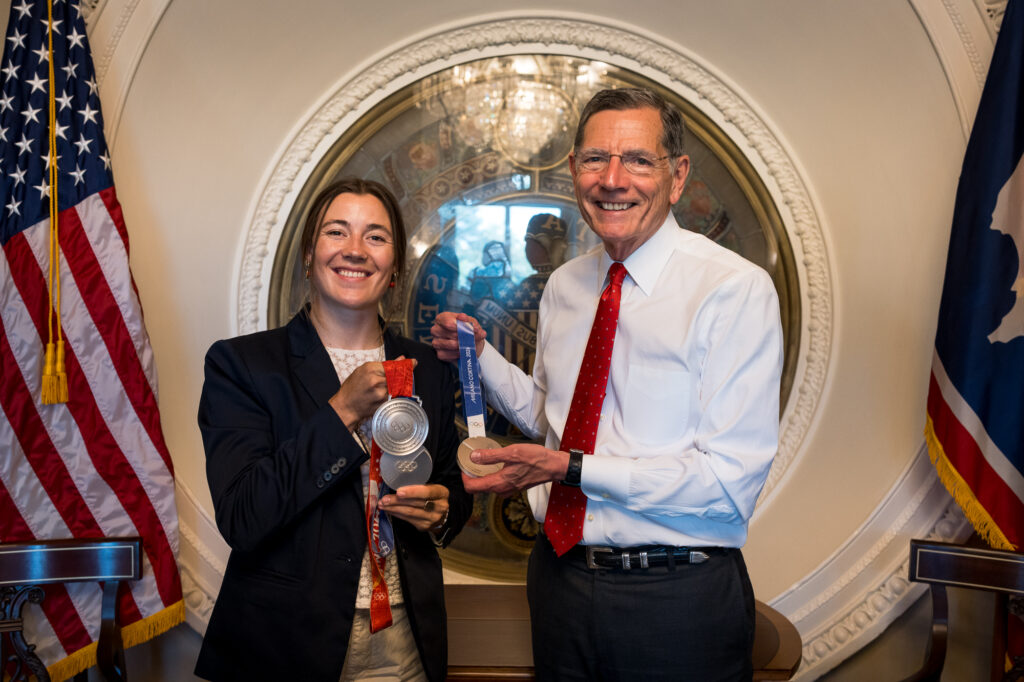
The first day focused heavily on the House Natural Resources Committee, the primary legislative body overseeing federal lands and energy development. Discussions centered on the recent surge in oil and gas leasing in sensitive ecosystems. The second day shifted toward the preservation of regulatory frameworks, with meetings held in the Senate to discuss the restoration of the EPA’s mission. A highlight of the trip included a meeting with Senate Majority Leader Chuck Schumer, where Jessie Diggins used her Olympic medals as a visual catalyst to discuss the prestige and economic value of winter sports, which are currently under threat from rising global temperatures.
Advocacy Pillar I: Halting EPA Deregulation and Restoring Science
A primary objective of the POW delegation was to address the systematic dismantling of the EPA’s regulatory capacity. Since early 2025, the executive branch has moved to sideline scientific advisory boards and weaken the enforcement of pollution standards. The delegation argued that the EPA, created by Congress in 1970, was designed specifically to insulate public health from industrial externalities—a mission they claim has been compromised.
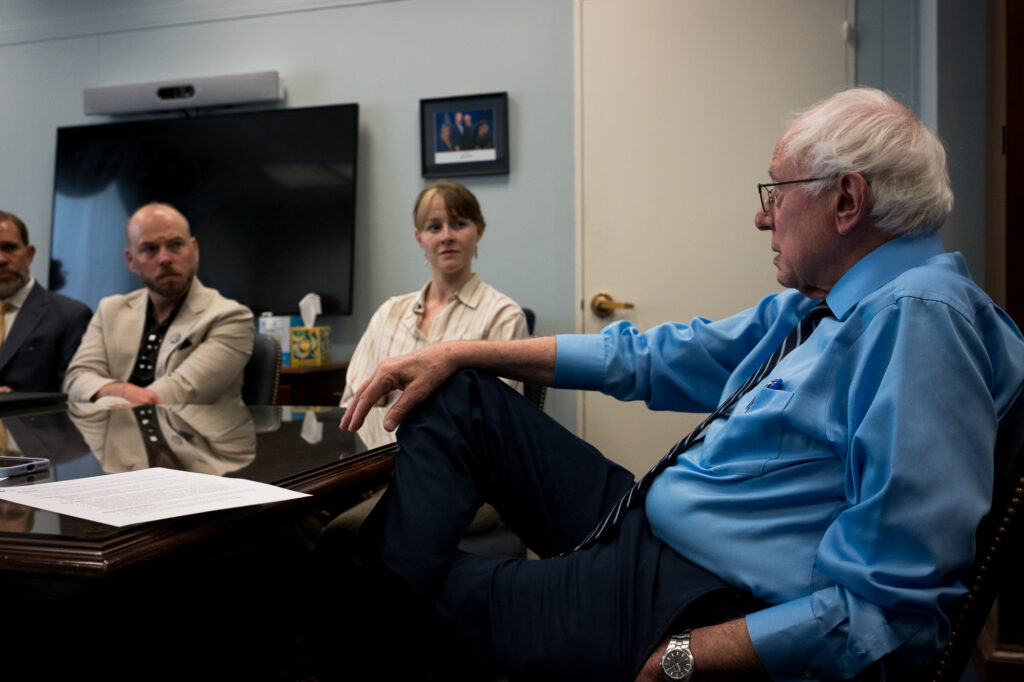
During these sessions, Stu Nissenbaum provided expert testimony on the long-term costs of deregulation. He highlighted how the removal of "sue and settle" provisions and the weakening of the "Social Cost of Carbon" metrics have allowed polluters to operate without accountability. The delegation presented data showing that air and water pollution do not respect partisan lines, affecting both rural gateway communities and urban centers. They called for immediate legislative oversight to ensure that federal agencies are required to use the "best available science" in their decision-making processes, a standard that has been increasingly bypassed in favor of industrial expediency.
Advocacy Pillar II: Defending Public Lands from Extraction
The second major focus of the mission was the defense of iconic American landscapes against a renewed push for fossil fuel extraction. The delegation highlighted the recent Department of the Interior lease sales in the National Petroleum Reserve-Alaska (NPR-A), which resulted in 187 new leases covering approximately 1.3 million acres. Furthermore, they voiced strong opposition to the opening of the Coastal Plain of the Arctic National Wildlife Refuge (ANWR) for bidding.
POW’s message to lawmakers was that public lands are "not for sale" and should not be sacrificed for short-term energy gains that exacerbate long-term climate risks. The delegation advocated for the Arctic Refuge Protection Act, which would provide permanent protection for the 1.5-million-acre Coastal Plain, often referred to as the "biological heart" of the refuge. Gus Schumacher, a member of the POW Ski Alliance, emphasized that while different parties may have varying ideas on energy independence, the protection of vital habitats and clean water remains a common ground for the majority of Americans.
Economic Data and the Impact of the "Outdoor State"
To bolster their arguments, the delegation utilized data from the Bureau of Economic Analysis (BEA), which indicates that the outdoor recreation economy accounts for 2.2% of the U.S. Gross Domestic Product (GDP). This sector generates over $1.1 trillion in economic output and supports nearly 5 million jobs. The delegation argued that climate change and environmental degradation are not just ecological threats but are direct attacks on a major pillar of the American economy.
The "Outdoor State" constituency, which POW represents, includes a broad demographic of hunters, anglers, skiers, climbers, and small business owners. In gateway towns across the American West and New England, the economy is entirely dependent on the predictability of the seasons. The delegation presented evidence that shorter winters and increased wildfire activity are leading to decreased tourism revenue and rising insurance costs for outdoor businesses. By framing climate action as "economic defense," the delegation was able to find resonance with offices that are traditionally more focused on fiscal issues than environmental ones.
Bipartisan Dialogue and Official Responses
One of the more unexpected takeaways from the mission was the efficacy of public lands as a diplomatic bridge. Despite the highly polarized atmosphere of the 119th Congress, the delegation reported that conversations regarding wildfire mitigation and drought management were productive across party lines. Republican offices, particularly those representing Western states, showed interest in how public land management can serve as a tool for climate resilience, provided the messaging focused on local economic stability and resource protection.
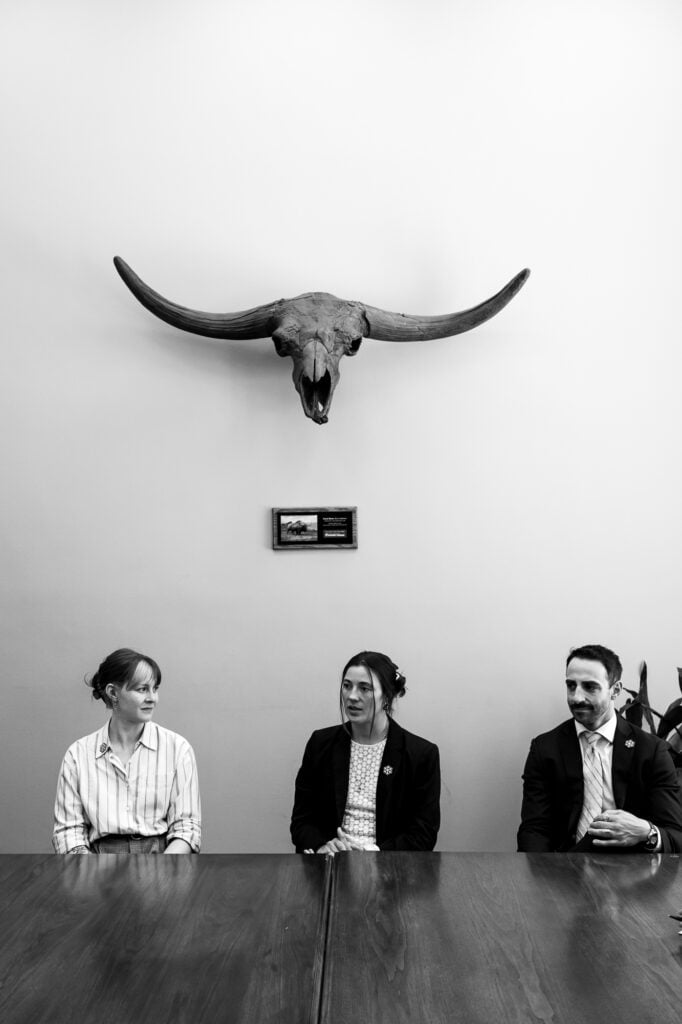
Max Lowe, a filmmaker and member of the Creative Alliance, noted that while the pace of government can be "frustratingly slow," the process of building relationships with representatives is essential for long-term change. The "slow way" of change, as Lowe described it, involves consistent presence and the presentation of credible, firsthand accounts that cut through political rhetoric.
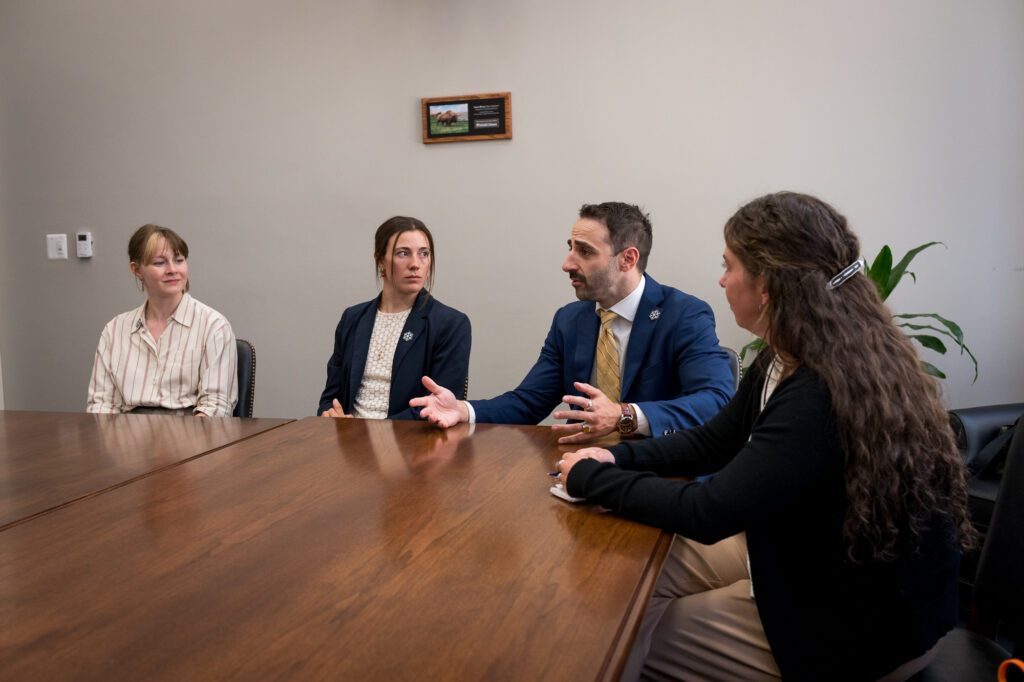
While many Democratic lawmakers reaffirmed their commitment to the Arctic Refuge Protection Act and the restoration of the EPA, the response from some Republican offices was more measured. However, the delegation noted that the "messenger matters." Lawmakers who might otherwise dismiss an environmental lobbyist were more inclined to listen to an Olympic gold medalist or a local small business owner who could speak to the direct impact of policy on their community.
Analysis of Implications and Broader Impact
The POW delegation’s visit signifies a shift in environmental advocacy, moving away from purely aesthetic or moral arguments toward a data-driven, economic, and culturally resonant approach. By mobilizing high-profile athletes, the organization is leveraging "cultural capital" to gain access to decision-makers who are often insulated from traditional environmental activism.
The broader implications of this mission are twofold. First, it highlights the growing political organization of the outdoor industry. Historically, the outdoor sector has been a "sleeping giant" in Washington, but missions like this suggest it is becoming as organized and influential as other major industrial lobbies. Second, the focus on the Arctic Refuge and the NPR-A indicates that the battle over American energy policy has moved into the most sensitive ecological zones in the country. The outcome of these legislative battles will likely determine the trajectory of U.S. carbon emissions for decades.
As the 119th Congress continues its session, the pressure from the "Outdoor State" is expected to mount. Protect Our Winters has signaled that this mission is only the beginning of a sustained campaign to protect the "foundation of every outdoor experience." The delegation left Washington with a clear mandate: to ensure that the rules protecting public lands and a stable climate are not eliminated behind closed doors, but are instead strengthened through transparent, science-based governance.
Conclusion and Future Outlook
The success of the Protect Our Winters delegation will ultimately be measured by legislative results, specifically the progress of the Arctic Refuge Protection Act and the potential for congressional oversight hearings regarding EPA deregulation. However, in the immediate term, the mission succeeded in humanizing the climate crisis for lawmakers. By connecting the melting of glaciers in Alaska to the loss of American medals on the world stage and the loss of jobs in mountain towns, POW has created a compelling narrative of national interest.
The organization plans to follow up this mission with a series of regional activations, focusing on key states where public land use is a central political issue. As the climate continues to change, the voices of those who live and work in the outdoors are becoming increasingly impossible for Congress to ignore. The message remains steadfast: the health of the planet and the vitality of the outdoor economy are non-negotiable, and the Outdoor State is, more than ever, paying close attention.
