

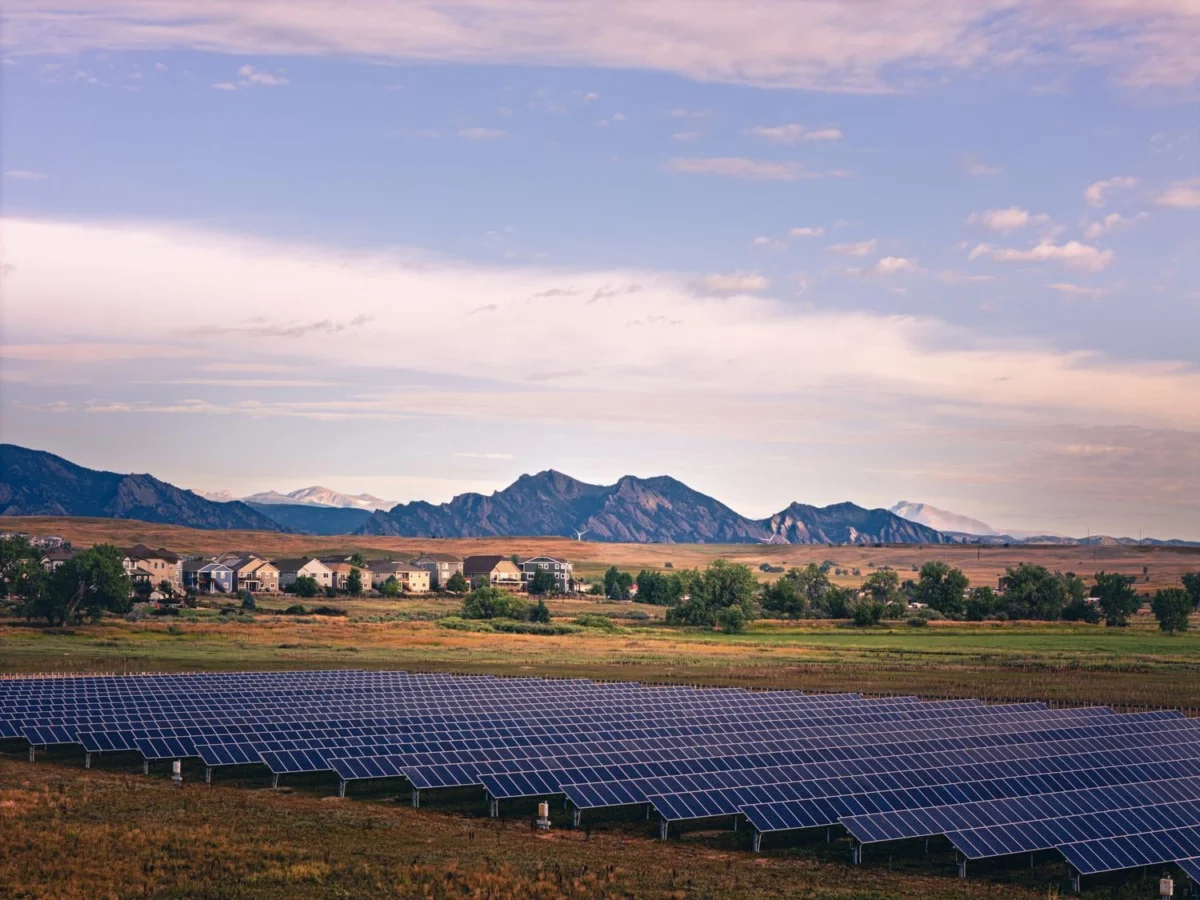
The traditional perception of summer as a season of leisure and outdoor exploration is undergoing a fundamental shift as extreme heat events become more frequent, intense, and geographically pervasive. Across the Northern Hemisphere, outdoor enthusiasts and casual recreators alike are reporting a phenomenon colloquially known as the "sufferfest," where rising temperatures transform routine hikes, bike rides, and climbs into hazardous endurance tests. According to atmospheric scientists and meteorological data, this shift is not merely a matter of perception but a documented escalation in global thermal patterns driven by systemic changes in the Earth’s climate. To understand the mechanics behind these escalating "heat domes" and their long-term implications, it is necessary to examine the convergence of high-pressure systems, jet stream volatility, and the overarching influence of anthropogenic warming.
Defining the Modern Heat Wave: Beyond the Thermometer
While the public often associates heat waves with a single day of record-breaking temperatures, meteorological organizations utilize more stringent criteria to define these events. The National Oceanic and Atmospheric Administration (NOAA) generally classifies a heat wave as a period of two or more days during which temperatures are abnormally high relative to the historical averages of a specific region. However, meteorologists argue that this definition often fails to account for the multi-dimensional nature of heat stress.
Will Stikeleather, a Boston-based meteorologist and atmospheric scientist associated with the POW Science Alliance, notes that the ambiguity of the technical definition can be misleading. According to Stikeleather, the danger of a heat wave is not solely a product of the mercury rising but is heavily influenced by humidity levels. Humidity inhibits the human body’s primary cooling mechanism—the evaporation of sweat—thereby significantly increasing the physiological impact of high temperatures. Consequently, modern meteorological assessments are increasingly relying on metrics such as the Heat Index and the Wet Bulb Global Temperature (WBGT) to provide a more accurate representation of human health risks.
The Mechanics of Atmospheric Trapping: Heat Domes and Blocking Patterns
The primary driver of extreme summer heat is the formation of large high-pressure systems in the upper atmosphere, often referred to as "heat domes." These systems act as atmospheric lids, trapping warm air over a broad geographic area. Within a heat dome, the high-pressure system causes air to sink toward the surface. As the air descends, it undergoes compressional warming, further elevating temperatures at ground level.

The internal dynamics of these systems are self-reinforcing. A heat dome typically rotates air in a counterclockwise direction around its center. If warm or humid air masses are situated to the south of the system, southwesterly winds will transport this additional thermal energy and moisture directly into the affected zone. These conditions generally persist until the high-pressure system is displaced by a significant shift in the jet stream.
In recent years, meteorologists have observed an increase in "atmospheric traffic jams," or blocking patterns. These occur when the jet stream—the high-altitude river of air that steers weather systems—becomes stagnant or develops deep, slow-moving meanders. These blocking patterns were responsible for the historic 2021 heat wave that devastated the Pacific Northwest and British Columbia. During this event, temperatures in some regions exceeded 115°F (46°C), a threshold previously considered nearly impossible for those latitudes.
The Role of Climate Change in Shifting Baselines
The intensification of heat waves is inextricably linked to the broader trend of global warming. Data from 1895 to 2023 indicates that the contiguous United States (CONUS) has warmed by approximately 2°F. While a two-degree shift in the mean temperature might appear marginal, its impact on the frequency of extreme events is exponential. By elevating the baseline temperature, the threshold for what constitutes a "once-in-a-century" event is lowered, making extreme heat more frequent and severe.
Research conducted by NOAA indicates that the frequency of heat waves in the United States has nearly tripled since the 1960s. Furthermore, the "heat wave season"—defined as the duration between the first and last heat wave of a calendar year—has expanded significantly. In the mid-20th century, this season averaged approximately 25 days; today, it has more than doubled to approximately 70 days. This expansion allows for extreme thermal events to occur well outside the traditional peak summer months of July and August.
The 6th Intergovernmental Panel on Climate Change (IPCC6) report further substantiates these findings, stating that it is "virtually certain" that climate change has increased the frequency and severity of warm temperature extremes globally. For instance, the 2021 Western Canada heat wave, initially estimated as a once-in-1,000-year event, was found to be 2°C hotter than it would have been in a pre-industrial climate.

Geographical Disparities and Arctic Amplification
The impacts of extreme heat are not distributed uniformly across the globe. Some regions are warming at a rate significantly higher than the global average. This is particularly evident in the polar regions, a phenomenon known as Arctic Amplification. As Arctic ice melts, the region loses its reflective "albedo" effect, causing the dark ocean water to absorb more solar radiation, which in turn accelerates warming.
Scientists have linked Arctic Amplification to an increase in "wavier" jet stream patterns across the mid-latitudes. A weaker, more undulating jet stream is more prone to the blocking patterns that stall heat domes over specific regions for weeks. This phenomenon has been a critical factor in the record-breaking summers observed in Europe. In Western Europe, the rate of increase in hot daily extremes is approximately three times the global average. A study by World Weather Attribution found that the hottest temperatures currently experienced in Europe are roughly 3.5°C higher than they would have been under similar atmospheric conditions in the 1970s.
Within the United States, the Northeast has emerged as one of the fastest-warming regions, housing three of the five states with the highest warming rates since 1970. Alaska remains the fastest-warming state overall, a direct consequence of its proximity to the accelerating changes in the Arctic circle.
The Urban Heat Island Effect and Human Health
Urban environments face a unique set of challenges during heat waves due to the "urban heat island" (UHI) effect. Infrastructure composed of concrete, asphalt, and steel has a low albedo, meaning it absorbs and retains a significant amount of solar radiation. In contrast, rural areas with dense vegetation benefit from evapotranspiration—a biological process where plants release moisture into the air, providing a natural cooling effect.
The UHI effect is most dangerous at night. In natural landscapes, heat dissipates relatively quickly after sunset; however, urban materials continue to radiate stored heat long into the night. This prevents the ambient temperature from dropping to levels that allow the human body to recover from daytime heat stress. This lack of nighttime cooling is a primary contributor to heat-related mortality, particularly among vulnerable populations such as the elderly and those without access to climate-controlled housing.
The metric of Wet Bulb Global Temperature (WBGT) has become essential for assessing these risks. In June 2026, data showed that 45% of Western European urban areas set new WBGT records. Because warmer air can hold approximately 7% more moisture for every 1°C of warming, the combination of high heat and high humidity is expected to reach the limits of human physiological tolerance more frequently in the coming decades.
Compounding Hazards: Wildfires and Snowpack Depletion
Extreme heat does not exist in a vacuum; it acts as a force multiplier for other natural disasters. One of the most critical correlations is between heat waves and wildfire risk. In the Rockies and the Pacific Northwest, record-low winter snowpacks often precede summer heat waves. When a series of heat domes settle over these regions, the remaining moisture in the soil and vegetation is rapidly depleted.
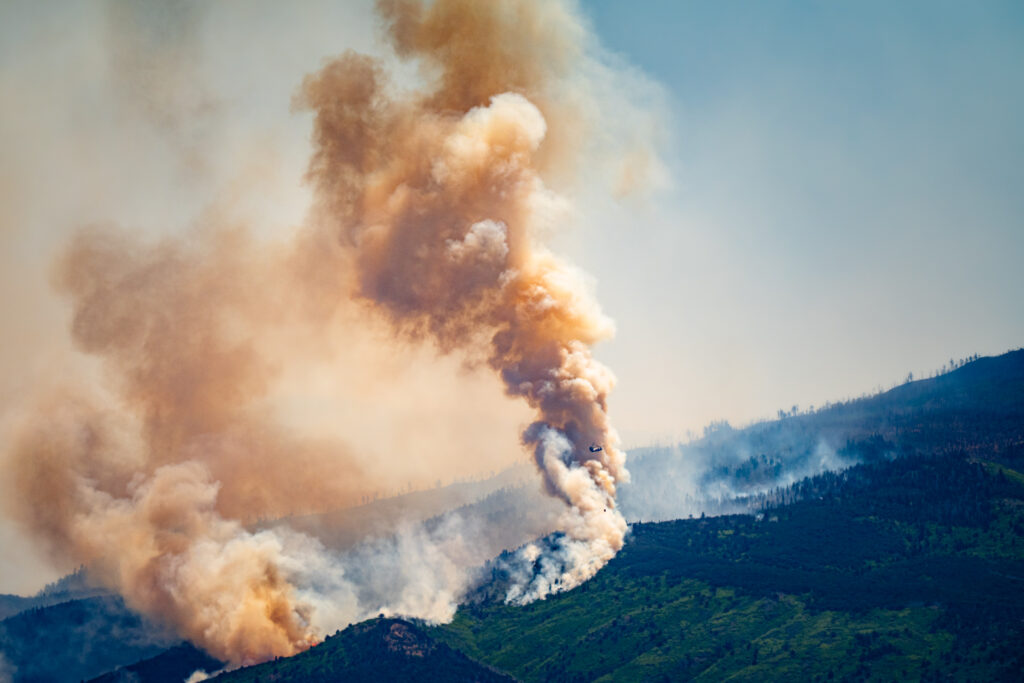
In July 2026, meteorologists noted that vegetation in large portions of the Pacific Northwest had "cured"—or dried out—weeks ahead of its typical schedule. Normally, these fuel types do not reach peak flammability until September. However, the early onset of extreme heat has expanded the window for large-scale, high-intensity wildfires. Cities like Spokane, Washington, which were previously accustomed to a shorter fire season, are now facing extended periods of hazardous air quality and increased fire threats.
Infrastructure Strain and the Energy Paradox
The societal response to extreme heat has traditionally relied on increased air conditioning (AC) usage. While AC provides immediate relief, it creates a feedback loop that exacerbates the underlying problem. The surge in demand for cooling places immense strain on aging electrical grids, leading to brownouts or total grid failure during peak heat events. Furthermore, if the energy powering these cooling systems is derived from fossil fuels, the resulting greenhouse gas emissions contribute to further global warming.
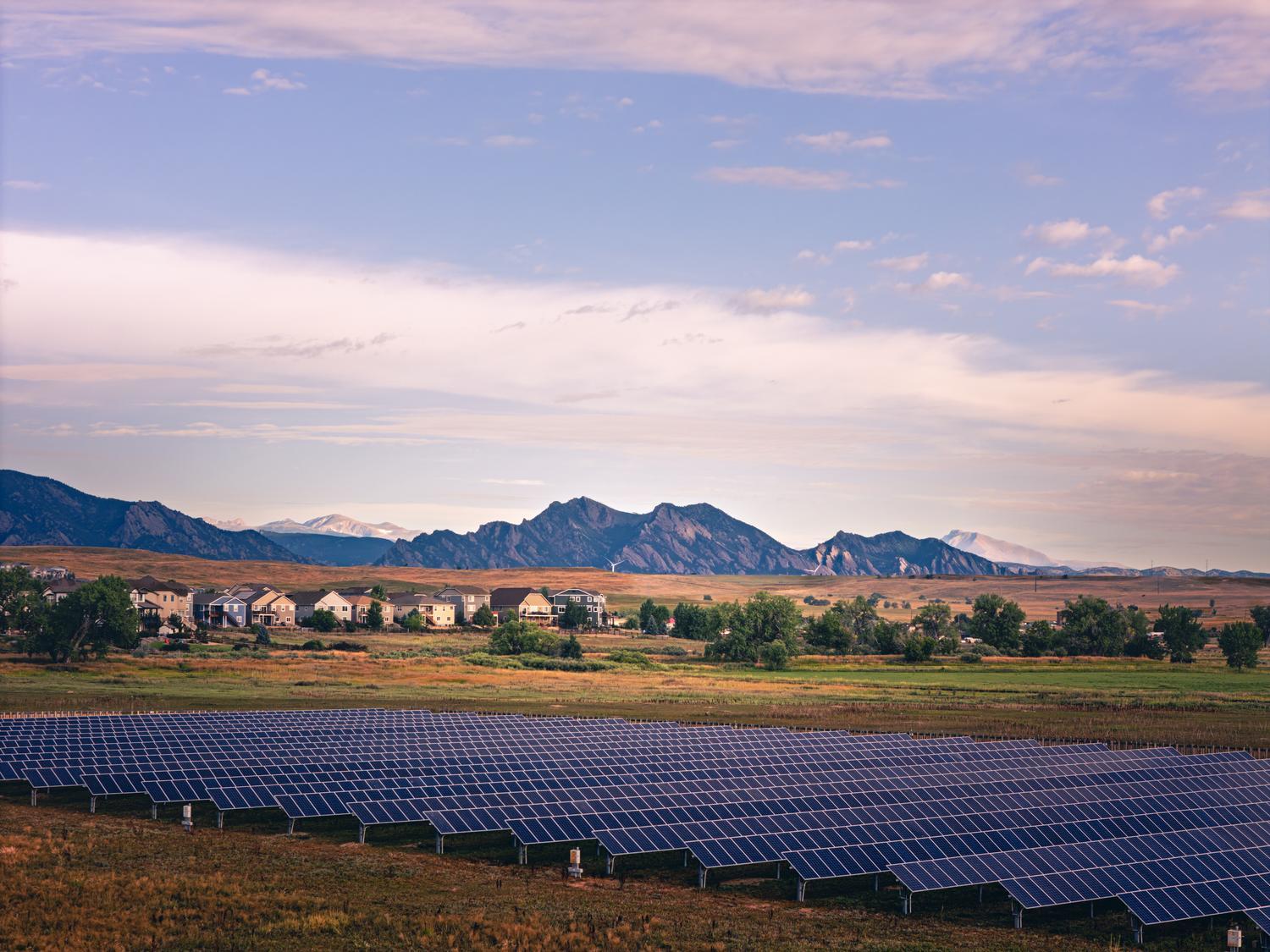
To break this cycle, urban planners and energy experts are advocating for a transition toward decentralized, clean energy solutions. Community-led initiatives, such as rooftop solar projects and rural electric co-operatives, are being implemented to increase grid resilience. By integrating local renewable energy sources and upgrading grid infrastructure, communities can maintain essential services during heat waves while simultaneously reducing their carbon footprint.
The Future of the "Outdoor State"
For the millions of individuals who rely on the outdoors for economic livelihood or personal well-being, the era of extreme heat necessitates a fundamental change in behavior. Ecosystems are being reshaped as plant and animal species struggle to adapt to rapid thermal shifts. For the human population, the "Outdoor State" is moving toward a model of adaptation and mitigation.
Adaptation strategies include shifting outdoor activities to the early morning hours, increasing investment in public "cooling centers," and enhancing urban forestry to mitigate the UHI effect. However, experts emphasize that adaptation alone is insufficient. Addressing the root cause of escalating heat waves requires a systemic reduction in global emissions and a rapid transition to a renewable energy economy.
As the science of heat waves becomes clearer, the data suggests that the "sufferfests" of recent summers are not anomalies but the vanguard of a new climatic reality. The resilience of the outdoor community and society at large will depend on the ability to integrate this scientific understanding into local policy, infrastructure development, and individual safety practices. Staying informed through meteorological forecasts, understanding the risks of humidity and WBGT, and supporting clean energy transitions are the primary tools available to navigate a warming world.
