

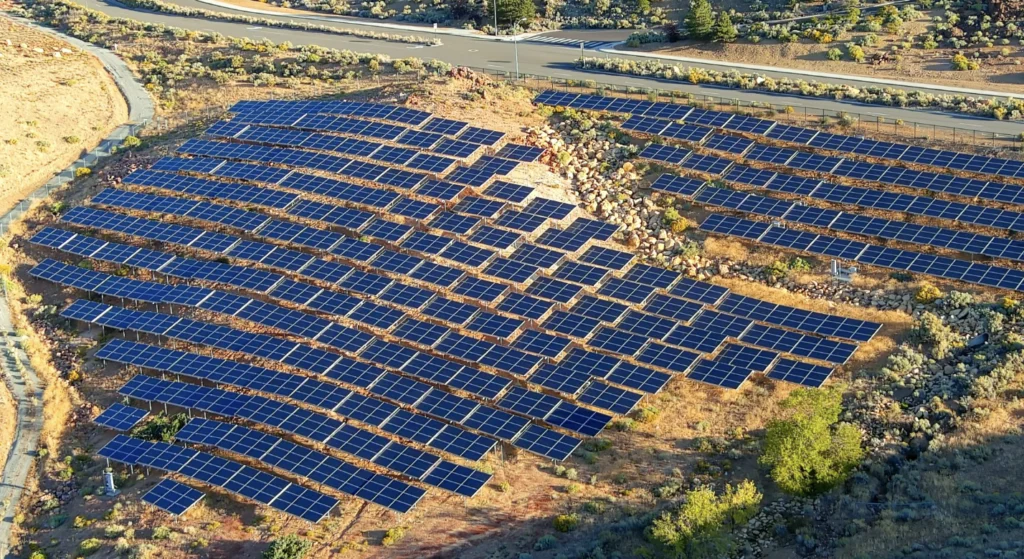
The city of Reno, Nevada, has marked a significant milestone in its transition toward a sustainable energy infrastructure following the successful community-led advocacy for the Trego Battery Energy Storage System (BESS). This 200-megawatt (MW) utility-scale project is designed to capture and store renewable energy, primarily from solar sources, to provide a reliable power reserve during periods of peak demand. By stabilizing the local electrical grid, the Trego BESS is projected to provide enough stored energy to power approximately 68,000 households in the region, effectively serving the equivalent of a small city.
The project’s approval follows a concerted effort by local residents, scientific experts, and advocacy groups, including representatives from Protect Our Winters (POW), who participated in public hearings to address technical concerns and emphasize the long-term benefits of the facility. The development represents a broader trend in Nevada’s energy strategy, which increasingly relies on advanced storage solutions to meet the state’s ambitious Renewable Portfolio Standards (RPS).
Technical Specifications and the Role of LFP Technology
The Trego BESS is not merely a collection of batteries but a sophisticated piece of grid infrastructure. At its core, the system utilizes Lithium Iron Phosphate (LFP) technology. Unlike traditional lithium-ion batteries that often use nickel and cobalt, LFP batteries are increasingly favored for stationary storage applications due to their superior safety profile and longevity.
From a technical standpoint, LFP chemistry is significantly more stable. It has a higher thermal runaway threshold, meaning the risk of fire or overheating is substantially lower than in the chemistries used in consumer electronics or older electric vehicle models. This safety factor was a primary point of discussion during the local approval process. Dr. Anne Nolin, a Snow Hydrologist and Professor in the Geography Department at the University of Nevada, Reno, noted that her initial inquiries into the project were satisfied by the transition to these safer materials.
The 200 MW capacity of the Trego system allows it to mitigate the "duck curve" phenomenon—a common challenge in solar-rich states like Nevada. The duck curve occurs when there is an abundance of solar power during the day but a sharp drop-off in production as the sun sets, coinciding with the evening spike in residential energy consumption. By storing excess solar energy during the afternoon and discharging it in the evening, the Trego BESS reduces the need for "peaker" plants, which are typically powered by natural gas and are both more expensive to operate and more carbon-intensive.
Chronology of Development and Community Engagement
The path to the Trego BESS approval involved several stages of regulatory review and public discourse. The project was initially proposed as part of a larger effort to modernize the Northern Nevada grid. However, like many large-scale infrastructure projects, it faced potential delays due to local concerns regarding land use, safety, and the "unknowns" of battery technology.
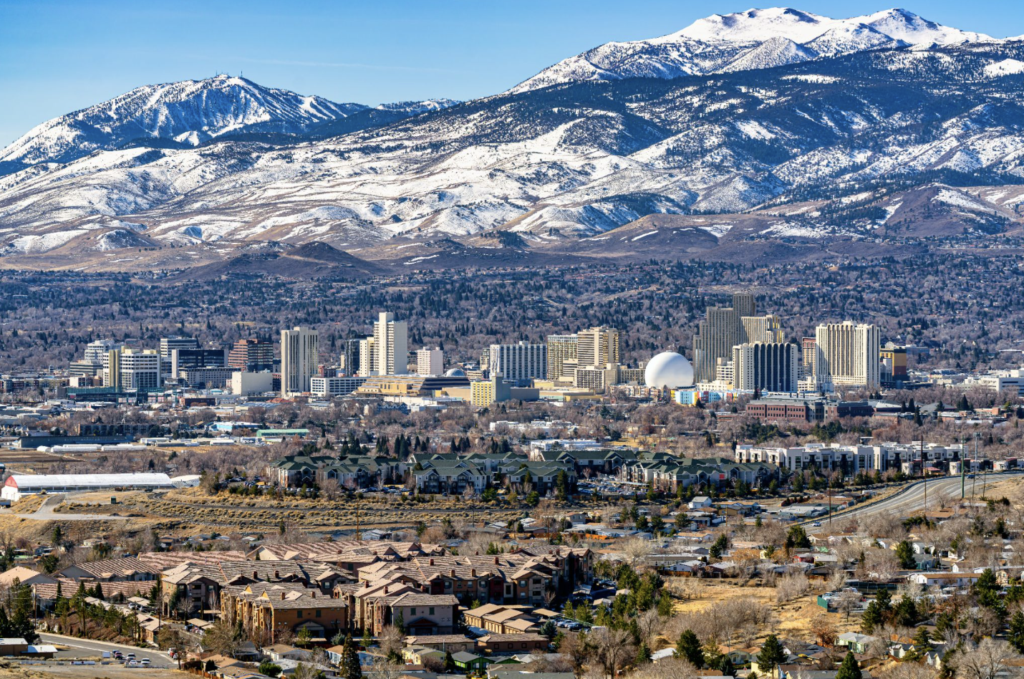
Throughout the late stages of the planning phase, the Washoe County community and Reno residents engaged in a series of public hearings. Advocacy was bolstered by the POW Science Alliance, which provided a platform for experts like Dr. Nolin to translate complex energy data into actionable community information.
The timeline of the project’s advancement highlights a shift in local governance:
- Project Proposal: Initial filing of the Trego BESS blueprints, detailing the 200 MW capacity and site selection.
- Environmental and Safety Review: Assessment of the LFP technology and its impact on the local ecosystem.
- Public Commentary Period: A phase marked by significant participation from outdoor enthusiasts, scientists, and local homeowners.
- Final Hearing and Approval: The culmination of community testimony, where the project received the green light to proceed toward construction.
During these hearings, the narrative shifted from one of apprehension to one of empowerment. Dr. Nolin and other advocates emphasized that local participation is a critical component of the national climate strategy. The successful mobilization in Reno serves as a blueprint for other municipalities facing similar infrastructure transitions.
Economic Impact and Regional Benefits
The economic implications of the Trego BESS extend beyond energy savings. Based on industry data and local economic assessments, projects of this scale generate substantial financial activity. Estimates suggest that for every 5 megawatts of storage capacity, approximately $14 million in economic activity is generated through a combination of construction jobs, long-term maintenance roles, and tax revenue for local government services.
For a 200 MW project like Trego, the cumulative economic stimulus is projected to be significant, contributing to the diversification of Nevada’s economy. The construction phase alone requires specialized labor, including electrical engineers, heavy equipment operators, and project managers. Once operational, the facility contributes to the local tax base, which in turn funds public schools, infrastructure repair, and emergency services in Washoe County.
Furthermore, the project offers long-term cost stabilization for consumers. By reducing the grid’s reliance on volatile global natural gas markets and utilizing Nevada’s abundant solar resources, the Trego BESS helps insulate local utility rates from external price shocks.
Addressing NIMBYism through Scientific Literacy
One of the primary hurdles for clean energy infrastructure in the United States is the "Not In My Backyard" (NIMBY) sentiment. This resistance often stems from a lack of familiarity with new technologies or concerns about property values and aesthetics. The Trego project was no exception, initially facing skepticism regarding the visual impact of the battery containers and the safety of the chemical components.
The strategy used in Reno to overcome these hurdles focused on scientific literacy and transparency. By presenting data on the safety of Lithium Iron Phosphate and the necessity of storage for grid reliability, advocates were able to demystify the technology. Dr. Nolin’s involvement was particularly influential; as a scientist whose work focuses on snow hydrology and the impacts of climate change on water resources, she provided a credible voice on why the transition to clean energy is a local necessity.
The success of the Trego BESS suggests that when community members are provided with clear, factual information and a platform to voice their concerns, they are more likely to support large-scale climate solutions. This move toward "YIMBYism" (Yes In My Backyard) is essential for the rapid deployment of the infrastructure required to meet national decarbonization goals.
Nevada’s Leadership in the Clean Energy Transition
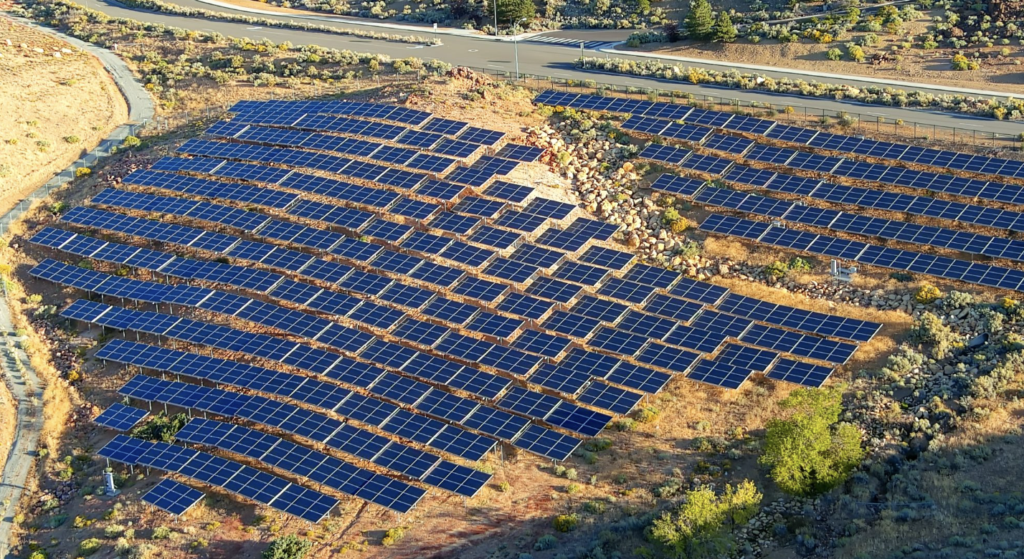
The Trego project is a vital piece of the puzzle for Nevada’s broader climate goals. The state has committed to a Renewable Portfolio Standard that requires 50% of all electricity sold to customers to come from renewable sources by 2030, with a long-term goal of net-zero emissions by 2050.
Nevada is uniquely positioned to lead this transition. The state ranks among the top in the nation for solar potential and has become a hub for battery manufacturing and recycling, largely due to the presence of the Tesla Gigafactory and various lithium mining and processing initiatives. The Trego BESS links these sectors together, providing the storage capacity needed to make the most of the state’s generation and manufacturing capabilities.
The project also aligns with federal incentives provided by the Inflation Reduction Act (IRA), which offers tax credits for standalone energy storage. These federal policies have made projects like Trego more financially viable, encouraging private investment in public-interest infrastructure.
Broader Implications and Future Outlook
The approval of the Trego BESS in Reno is a microcosm of the challenges and opportunities facing the global energy transition. As fossil fuel plants are decommissioned, the reliability of the replacement clean energy grid depends entirely on the ability to store power.
The Reno win demonstrates several key takeaways for other communities:
- Local Action is Scalable: Individual testimony at a county hearing can influence the trajectory of a multi-million dollar energy project.
- Technological Specificity Matters: Understanding the difference between battery chemistries (e.g., LFP vs. traditional Li-ion) can alleviate safety concerns and build public trust.
- Economic Realities Drive Support: Highlighting the $14 million in economic activity per 5 MW provides a tangible reason for local governments to favor these projects.
As construction begins, the Trego BESS will stand as a testament to the efficacy of grassroots advocacy and scientific communication. It serves as a reminder that while climate change is a global issue, the solutions are often built at the local level, one public hearing and one battery array at a time. The successful integration of this 200 MW system into the Reno grid will likely encourage further investment in Nevada’s clean energy corridor, paving the way for a more resilient and sustainable future for the entire Intermountain West.
