

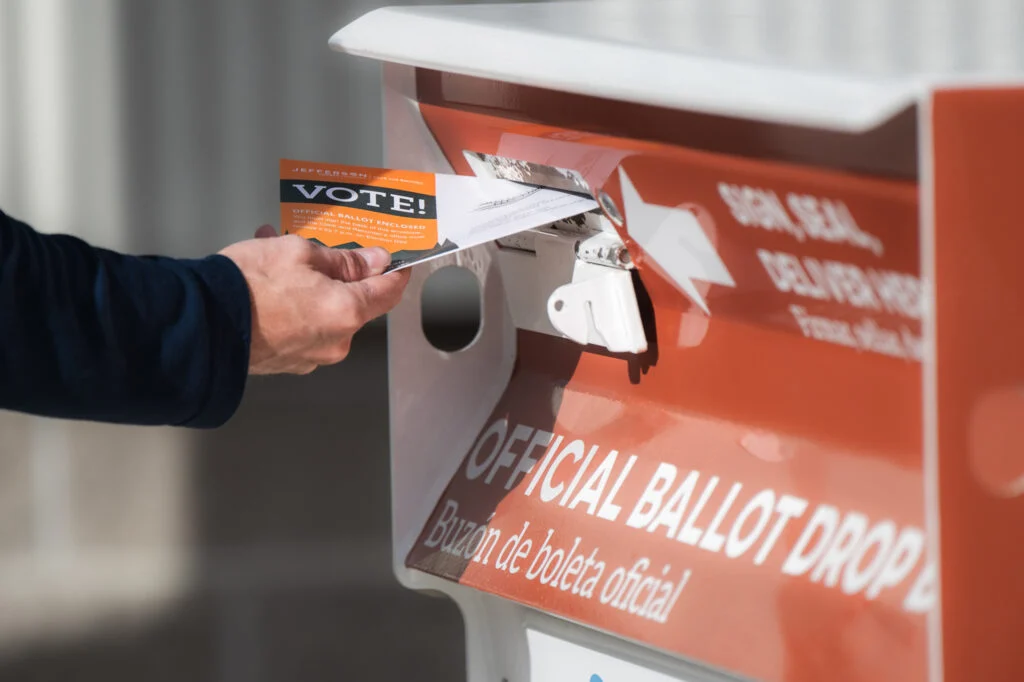
The intersection of democratic integrity and environmental sustainability has become the central focus of a burgeoning movement within the outdoor industry and climate advocacy circles, as leaders argue that the preservation of the natural world is now inextricably linked to the protection of the right to vote. This shift in strategy follows a series of legislative and executive actions that have significantly hampered the transition to clean energy and reduced the scale of protected public lands. Organizations such as Protect Our Winters (POW) are now pivoting their resources toward "Defend the Vote" initiatives, asserting that the single greatest obstacle to climate progress is no longer a lack of technological innovation or economic viability, but rather the political landscape and the accessibility of the ballot box.
The Legislative Shift and Economic Repercussions
The climate advocacy community is currently grappling with the fallout from the "One Big Beautiful Bill Act," a federal tax and budget law passed last year that fundamentally altered the trajectory of the American energy transition. While previous federal policies had aimed to provide a stable, multi-year runway for renewable energy developers, this new legislation implemented a rigorous clawback of clean energy tax credits. Most notably, the act established a July 2026 deadline for project commencement, effectively compressing the development timeline from nine years to just one.
The economic consequences of this policy shift have been immediate and measurable. Market analysis indicates that approximately $83 billion in planned solar, wind, and battery storage projects have been either canceled or indefinitely delayed due to the loss of financial incentives and the shortened regulatory window. This contraction in the renewable sector has had a direct impact on the labor market, with an estimated 470,000 jobs—ranging from specialized engineering roles to regional construction positions—failing to materialize or being eliminated.
Furthermore, the executive branch’s recent decision regarding the Bears Ears National Monument has signaled a significant departure from previous conservation standards. On July 13, the administration moved to reduce the monument’s size by 90 percent, shrinking it from 1.36 million acres to approximately 121,000 acres. This reduction not only opens the excluded land to mining and resource extraction within a 60-day window but also effectively dissolves the tribal commission that previously co-managed the site. These actions have been taken without a broader shift in public opinion regarding land conservation, highlighting the immense power held by those in administrative positions.
A Chronology of Recent Voting Restrictions
Parallel to the rollbacks in environmental protections, a series of administrative and state-level actions have raised alarms regarding the security and accessibility of the electoral process. The timeline of these events suggests a coordinated approach to narrowing the electorate in key regions.
In March of this year, the administration issued a directive to the Department of Homeland Security (DHS) to compile comprehensive lists of citizens, while simultaneously instructing the United States Postal Service (USPS) to implement restrictions on the delivery of mail-in ballots. Although a federal court subsequently struck down key provisions of these orders as unconstitutional, legal experts suggest the intent behind the directives has created a chilling effect on voter confidence.
By July, the situation intensified when the administration dismissed the remaining members of the Election Assistance Commission (EAC). This move left the federal agency responsible for certifying voting systems without the quorum necessary to conduct official business, creating a potential vacuum in oversight as the midterm elections approach.
At the state level, the legislative environment has become increasingly restrictive. Twelve states now require documentary proof of citizenship for voter registration. In South Dakota and Utah, new laws enforcing these requirements have officially gone into effect for the current election cycle. Meanwhile, in Texas, state officials have begun purging voter rolls using federal data sets that civil rights groups argue are flawed and outdated. Ohio is also facing significant litigation over its own voter roll maintenance practices, which critics describe as an aggressive effort to disenfranchise legitimate voters.
Supporting Data on Energy and Democratic Participation
The correlation between political power and climate outcomes is supported by data tracking both energy investment and voter turnout. According to recent industry reports, the United States was on track to meet its 2030 emissions reduction targets prior to the implementation of the "One Big Beautiful Bill Act." The subsequent $83 billion shortfall in investment represents a nearly 30 percent drop in projected renewable capacity additions for the 2025–2027 period.
From a democratic perspective, the states implementing the strictest voting requirements often overlap with regions critical to the clean energy economy. For instance, the mountain west and parts of the southwest, which hold significant potential for wind and solar development, are the same areas seeing the most intense legal battles over ballot access.
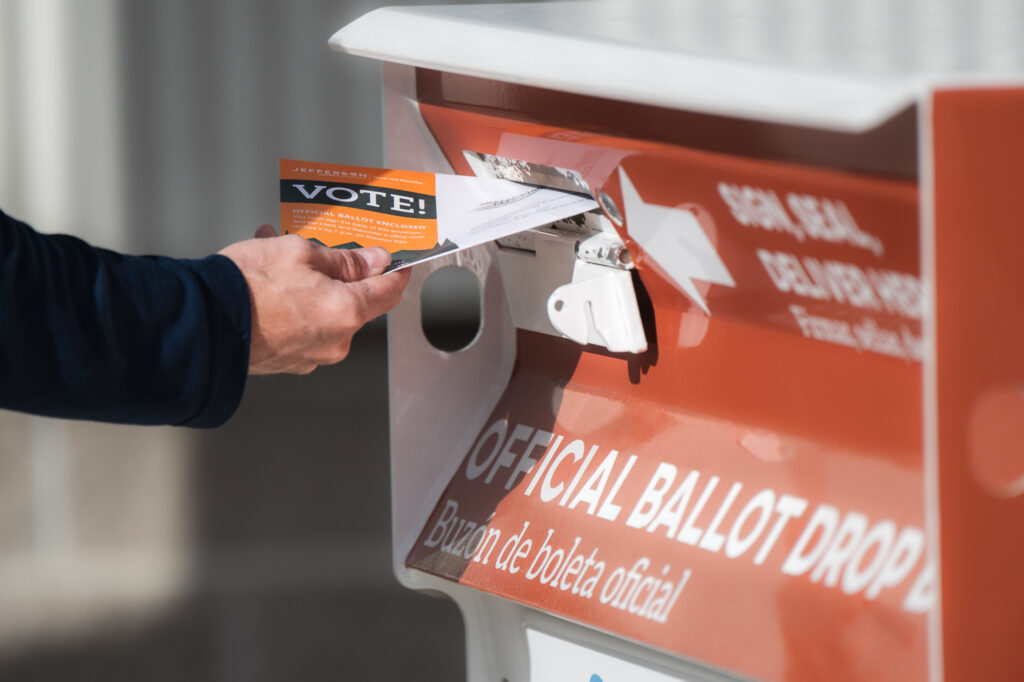
Data from previous election cycles indicates that young voters and outdoor enthusiasts—demographics that prioritize climate action—are among the groups most likely to be affected by changes to mail-in balloting and registration requirements. In the 2022 midterms, mail-in ballots accounted for over 35 percent of the total vote in several states currently facing new restrictions. The current efforts to limit these methods are viewed by advocates as a direct threat to the "climate vote."
Institutional and Industry Responses
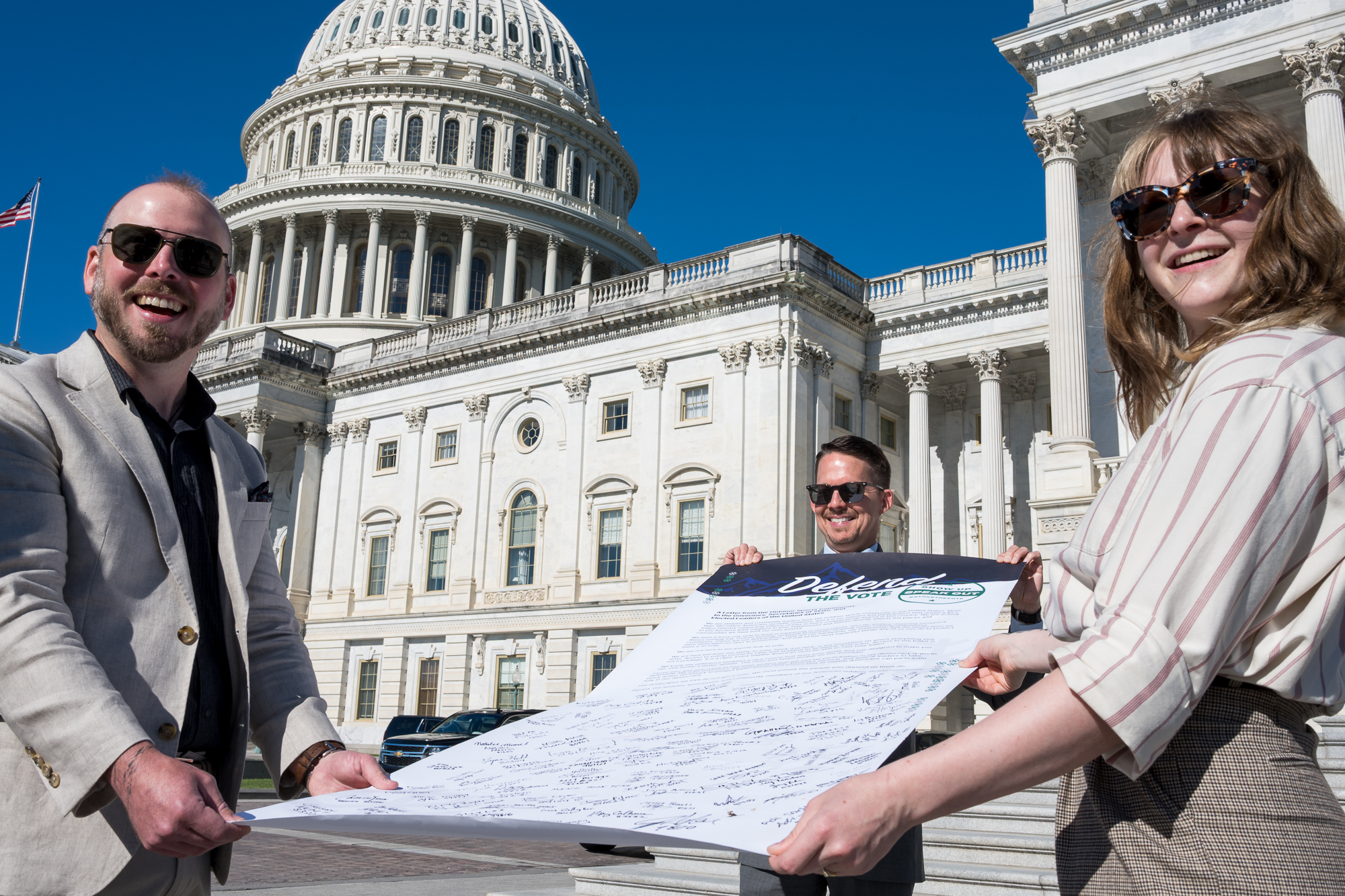
The response from the private sector and non-governmental organizations has been robust. Protect Our Winters has launched the "Defend the Vote" campaign, which serves as a precursor to their broader "Stoke the Vote" midterm push. This campaign has shifted its focus to specific geographies where POW operates and where election interference is deemed most likely.
The organization has begun engaging directly with Secretaries of State, starting in Montana and New Hampshire, to advocate for fair election administration. This localized approach is designed to maximize the impact of advocacy resources. Notably, a recent sign-on letter initiated by POW has garnered unprecedented support from the outdoor industry. Dozens of recognizable brands, including major equipment manufacturers and apparel companies, have joined the call to protect ballot access.
Industry leaders have expressed that their participation is driven by the realization that their business models—dependent on stable winters and accessible public lands—are at risk. A spokesperson for a leading outdoor retailer stated that "defending the vote is no longer a partisan issue; it is a matter of corporate and environmental survival."
Official Responses and Legal Challenges
The administration and proponents of the new voting laws maintain that these measures are necessary for "election integrity" and "fiscal responsibility." Officials from the DHS have defended the data-gathering initiatives as a means to ensure the accuracy of voter rolls, while proponents of the "One Big Beautiful Bill Act" argue that the clawback of tax credits was a necessary step to curb federal spending and re-evaluate the efficiency of energy subsidies.
However, these justifications are being met with significant legal resistance. Civil rights organizations and environmental legal funds have filed a flurry of lawsuits in federal and state courts. In Texas and Ohio, plaintiffs argue that voter purges violate the National Voter Registration Act (NVRA) by removing eligible voters without proper notice or cause. In the case of the EAC, advocacy groups are calling for the immediate appointment of new commissioners to restore the agency’s ability to function before the general election.
Analysis of Broader Impacts and Implications
The synthesis of climate policy and voting rights represents a maturation of the environmental movement. For decades, climate advocacy focused primarily on scientific communication and technological solutions. The current shift acknowledges that without a functional and representative democratic process, scientific consensus and technological readiness are insufficient to drive policy change.

The long-term implications of this shift are twofold. First, it creates a broader coalition of voters. By framing voting as a "climate action," organizations like POW are reaching individuals who may not see themselves as traditional political activists but who care deeply about the preservation of outdoor spaces. Second, it elevates the stakes of administrative and procedural changes in government. The firing of a commission or the change in a postal delivery directive is now seen through the lens of its ultimate impact on global carbon trajectories.
As the midterm elections approach, the success of the "Defend the Vote" campaign will likely be measured by voter turnout in the targeted regions. If the outdoor community can successfully mobilize to overcome new barriers to the ballot, it may provide a blueprint for how other single-issue advocacy groups can integrate democratic protection into their core missions.
Ultimately, the current landscape suggests that the fight for a stable climate has moved from the mountains and the laboratories into the registrar’s office and the courtroom. The message from the outdoor industry is clear: the ability to "stoke the vote" for the climate is entirely dependent on the ability to cast that vote in the first place. Protecting the ballot box has become the most urgent environmental priority of the current era.
