

The Environmental Protection Agency (EPA), an institution established in 1970 under the Nixon administration, was founded upon a singular, bipartisan premise: to protect human health and the environment. For over half a century, the agency has operated as the primary steward of the nation’s natural resources, utilizing the legislative authority of the Clean Air Act and the Clean Water Act to mitigate pollution and preserve the ecological integrity of the United States. However, a recent and systematic series of policy shifts has signaled a fundamental departure from this historic mandate. Over the past 12 months, a methodical rollback of core environmental protections has reshaped the agency’s role, transitioning it from a regulatory watchdog to an entity increasingly focused on industrial deregulation and the reduction of federal oversight.
This shift has profound implications for what advocates call the "Outdoor State"—a demographic of approximately 181 million Americans who participate in outdoor recreation. This constituency, which includes professional athletes, outdoor brands, and local communities, finds its livelihood and health directly tied to the stability of the climate and the purity of the nation’s air and water. As the EPA moves to weaken the legal and scientific frameworks that have governed pollution for decades, the economic and physical well-being of these populations faces unprecedented risks.
The Rescission of the Endangerment Finding and Its Legal Implications
At the heart of the recent deregulatory wave is the overturning of the Endangerment Finding. Originally issued in 2009 following the landmark Supreme Court case Massachusetts v. EPA (2007), the finding established that greenhouse gas emissions from new motor vehicles threaten the public health and welfare of current and future generations. This legal determination served as the "backbone" of federal climate policy, providing the EPA with the mandatory authority to regulate carbon dioxide and other heat-trapping gases under the Clean Air Act.
By rescinding or effectively neutralizing this finding, the federal government has removed the primary legal obligation to address climate pollution from power plants, the transportation sector, and heavy industry. Legal analysts note that this action creates a vacuum in federal climate governance. Without the Endangerment Finding, the agency’s ability to defend emissions standards in court is significantly compromised. This policy shift occurs as global climate scientists warn that the window to remain below the 1.5°C warming threshold is rapidly closing. Surpassing this limit is projected to trigger irreversible "tipping points," including the collapse of major ice sheets and the mass extinction of coral reef ecosystems.
A Chronology of Deregulation: Air, Water, and Toxic Substances
The dismantling of the EPA’s regulatory framework has not been limited to climate-related policies. A comprehensive review of the past year reveals a broad spectrum of rollbacks affecting nearly every facet of environmental protection.
Air Quality and Public Health
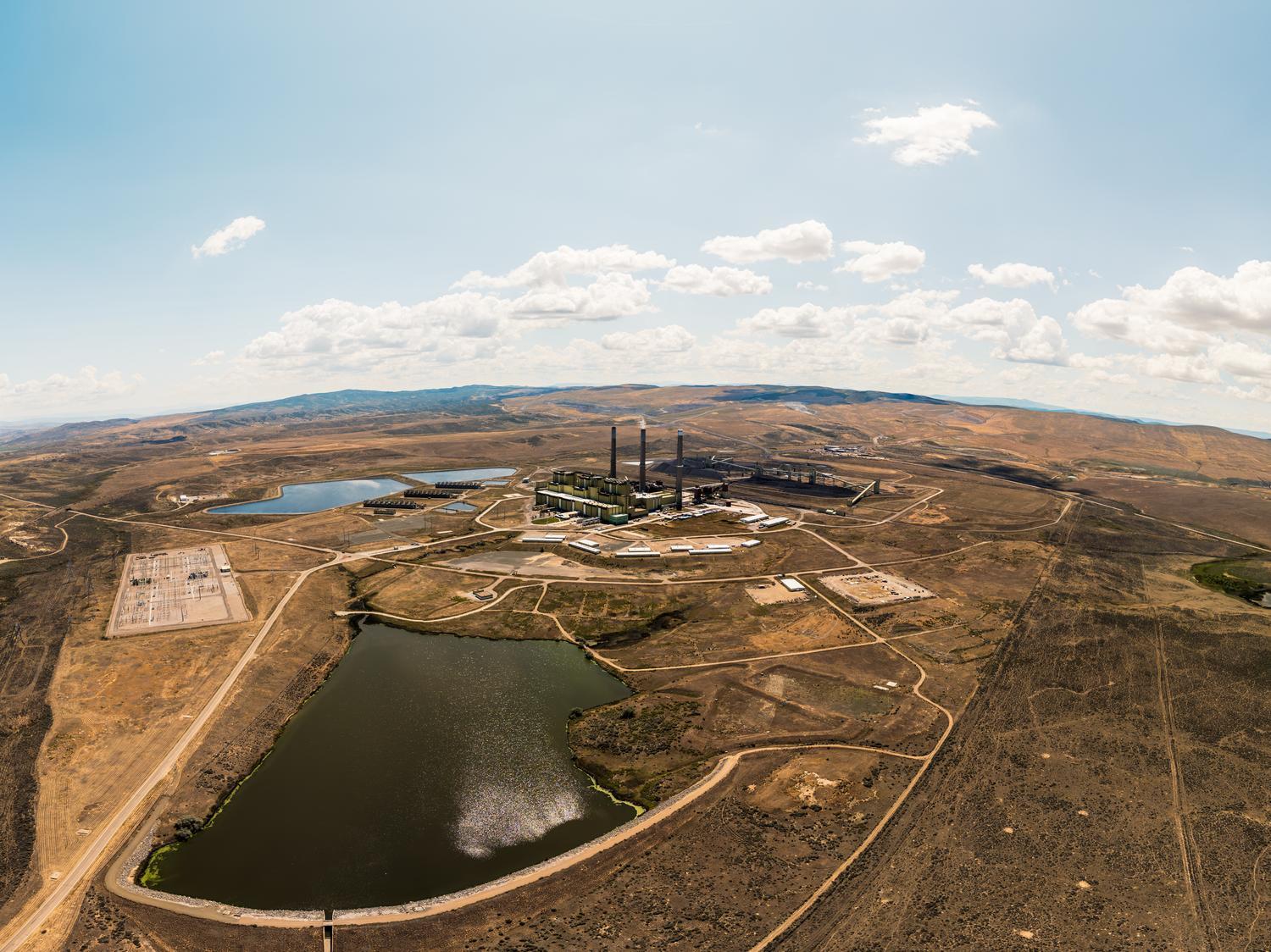
The EPA has moved to weaken the Mercury and Air Toxics Standards (MATS), which were designed to limit the amount of mercury, arsenic, lead, and other heavy metals emitted by coal- and oil-fired power plants. Mercury is a potent neurotoxin that can cause developmental delays in children and neurological damage in adults. Furthermore, the agency has rolled back the "Good Neighbor" rule, which required upwind states to reduce emissions that contribute to smog and soot in downwind neighboring states.
The relaxation of vehicle emissions standards represents another significant shift. By lowering the required fuel efficiency and emissions benchmarks for passenger vehicles, the agency has effectively increased the projected volume of carbon emissions and particulate matter in the atmosphere. These changes coincide with a rise in "high-smog" days in major metropolitan hubs such as Denver, Salt Lake City, and Los Angeles, where air quality frequently reaches levels deemed "unhealthy for sensitive groups."
Water Protections and the WOTUS Definition
Water quality has seen similar rollbacks, primarily through the narrowing of the definition of "Waters of the United States" (WOTUS). This redefinition excludes many ephemeral streams and wetlands from federal protection under the Clean Water Act. These smaller bodies of water are critical for filtering pollutants and providing habitat; their exclusion allows for increased industrial and agricultural runoff into the nation’s primary watersheds. Additionally, the EPA has extended compliance deadlines for toxic wastewater discharge from coal plants, allowing for the continued release of coal ash and other contaminants into local water systems.
The Economic Consequences for the $1.1 Trillion Outdoor Industry
The economic impact of these environmental shifts is quantifiable. According to data from the Bureau of Economic Analysis, the outdoor recreation economy accounts for $1.1 trillion in annual economic output and supports over five million jobs across the United States. This sector relies heavily on "stable seasons"—predictable winters for skiing and snowboarding, and clear, smoke-free summers for hiking, biking, and fishing.
The degradation of environmental standards poses a direct threat to this economic engine. In the Northeastern United States, Vermont has reported a 22% decrease in snow days over the last two decades, a trend that threatens the viability of the multi-billion dollar ski industry. In the West, increasingly frequent and severe wildfires—exacerbated by a warming climate—have led to prolonged closures of national forests and public lands, resulting in significant revenue losses for local businesses and guiding services. When air quality reaches hazardous levels due to smog or wildfire smoke, outdoor participation drops, leading to a ripple effect of canceled bookings, reduced equipment sales, and diminished tax revenue for rural communities.
The Erosion of Enforcement and Scientific Integrity
Regulations are only as effective as the mechanisms used to enforce them. Data indicates that the EPA has dramatically reduced the number of inspections and criminal prosecutions of polluters. The expanded use of "enforcement discretion" allows the agency to grant waivers to industrial facilities that fail to meet pollution standards, citing economic or "emergency" conditions.
Simultaneously, the agency has undergone an internal restructuring that many experts characterize as an assault on scientific integrity. Key developments include:
- Sidelining Scientific Advisory Boards: Independent scientific panels, which historically provided non-partisan expertise on air and water quality, have been disbanded or populated with industry-affiliated personnel.
- The "Secret Science" Rule: New policies have limited the types of scientific studies the EPA can use when crafting regulations, specifically targeting studies that rely on confidential patient health data. This effectively excludes many of the most influential public health studies linking pollution to chronic illness.
- Budgetary and Staffing Cuts: Reports suggest the agency has faced proposed budget cuts of upwards of 50%, alongside a significant loss of institutional expertise as long-term researchers and policymakers resign or are reassigned.
- Environmental Justice: The closure of the Office of Environmental Justice and the removal of the EJScreen tool—a mapping software used to identify communities disproportionately affected by pollution—have left marginalized populations without critical resources to advocate for their health and safety.
Official Responses and Stakeholder Perspectives
The reaction to these changes has been polarized. Industry groups, particularly those in the coal and manufacturing sectors, have largely welcomed the deregulatory trend, arguing that it reduces "regulatory overreach," lowers energy costs, and fosters a more competitive environment for American business. Proponents of the changes often frame the mission of the EPA as one of "cooperative federalism," where the burden of regulation is shifted from the federal government to the states.
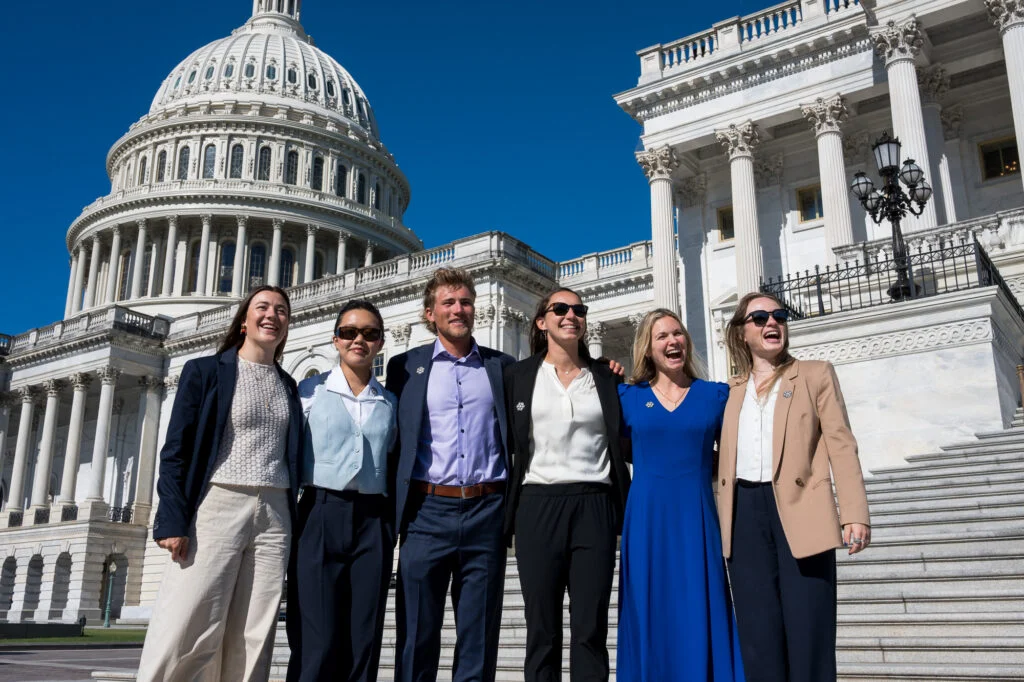
Conversely, environmental advocacy groups and public health organizations have condemned the rollbacks. Organizations like the American Lung Association have pointed to the direct correlation between weakened air standards and increased rates of asthma, heart disease, and premature death. The Protect Our Winters (POW) Action Fund, representing the "Outdoor State," has announced plans to send a delegation to Washington, D.C., to meet with lawmakers. Their objective is to demand legislative accountability and the restoration of the EPA’s original mandate to protect the environment.
Analysis of Long-term Implications
The systematic dismantling of the EPA’s regulatory power suggests a long-term shift in the American approach to environmental management. By prioritizing short-term industrial deregulation over long-term ecological stability, the current policy trajectory risks permanent damage to public health and the national economy.
The loss of the Social Cost of Carbon—a metric used to estimate the economic damage of each ton of carbon dioxide emitted—means that the true cost of pollution is no longer being factored into federal decision-making. This creates a distorted economic landscape where the profits of polluting industries are privatized, while the costs of healthcare, disaster recovery, and environmental restoration are socialized and borne by the taxpayer.
Furthermore, the dismissal of scientific evidence in policymaking sets a precedent that may take decades to reverse. As the global community moves toward a decarbonized economy, the United States risks losing its position as a leader in environmental technology and innovation. For the 181 million Americans who rely on the outdoors for their health, culture, and economy, the stakes of this deregulatory era could not be higher. The restoration of the EPA’s role as a protector of the public trust will likely remain a central point of political and legal contention for years to come.
