

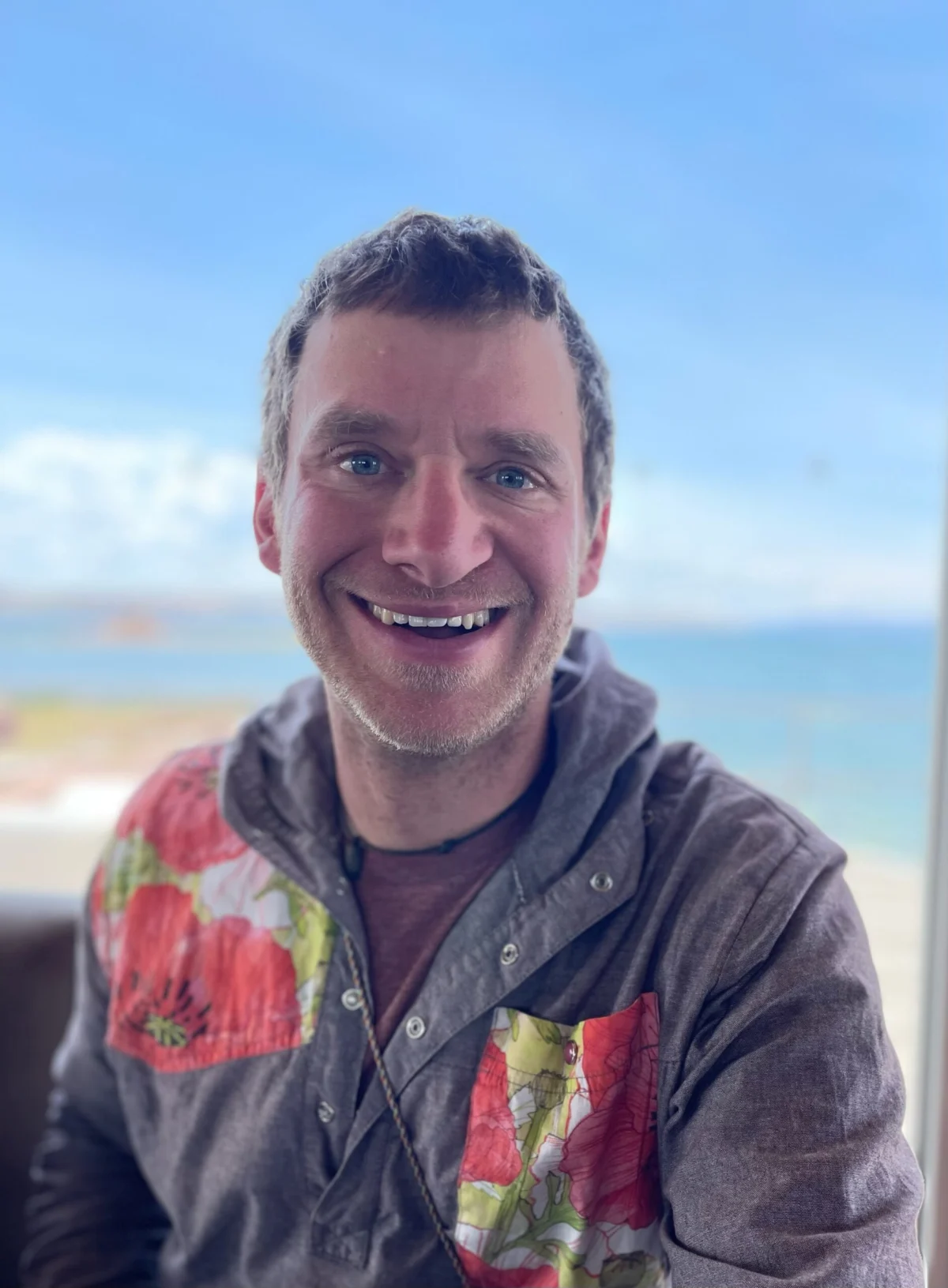
The initiative, championed by the non-profit organization Protect Our Winters (POW), represents a strategic shift in environmental advocacy, aiming to bridge the gap between recreational outdoor activities and systemic climate policy reform. Led by voices such as Alex Lee, an Associate Professor of Philosophy at Alaska Pacific University, the movement seeks to transform the global community of outdoor enthusiasts into a cohesive political constituency. By framing environmental protection as a moral and economic necessity, the campaign targets the "Outdoor State"—a demographic of skiers, hikers, anglers, and climbers who contribute significantly to the global economy but have historically remained fragmented in their political influence.
The Intersection of Philosophy and Environmental Advocacy
At the core of this movement is the work of Alex Lee, an environmental philosopher whose research focuses on applied environmental ethics and conservation policy. Based at the Institute of Culture and Environment in Anchorage, Alaska, Lee’s academic background provides a rigorous framework for the "Get Outside, Give a Shit" (GOGAS) campaign. His work posits that the enjoyment of wild places carries an inherent moral obligation to defend them against anthropogenic climate change.
Lee’s involvement signals a maturation of the outdoor advocacy sector. Rather than relying solely on aesthetic appreciation or "leave no trace" ethics, the current movement emphasizes "systemic stewardship." This approach recognizes that individual lifestyle changes, while valuable, are insufficient to address the scale of the climate crisis. Instead, it advocates for large-scale policy shifts, renewable energy transitions, and the protection of public lands through legislative action.
Economic Data: The Power of the Outdoor State
The rationale for mobilizing the outdoor community is supported by significant economic data. According to the 2023 report from the U.S. Bureau of Economic Analysis (BEA), the outdoor recreation economy accounts for $1.1 trillion in gross economic output, representing 2.2% of the United States’ Gross Domestic Product (GDP). This sector supports nearly 5 million jobs and is growing faster than the overall U.S. economy.
In states like Colorado, Utah, and Alaska, the outdoor industry is a primary economic driver. However, this multi-billion-dollar industry is increasingly threatened by climate instability. Data from the National Oceanic and Atmospheric Administration (NOAA) indicates that the winter season in the Northern Hemisphere has shortened by an average of two weeks since the mid-20th century. For the ski industry, this translates to a direct loss of revenue; a study published in Current Issues in Tourism estimated that the U.S. ski industry lost more than $5 billion between 2000 and 2019 due to human-induced climate change.
By leveraging these figures, the GOGAS campaign frames climate action not just as an environmental issue, but as a defense of a critical economic sector.
Chronology of the Movement
The evolution of outdoor advocacy from niche hobbyism to a professionalized political force has occurred over several decades:
- 2007: Professional snowboarder Jeremy Jones founds Protect Our Winters (POW) after witnessing the direct impact of declining snowpacks on global mountain ranges.
- 2014-2016: POW expands its reach beyond snow sports, incorporating trail runners, mountain bikers, and anglers. The organization begins sending delegations of professional athletes to Washington, D.C., to lobby for the Clean Power Plan.
- 2018: The "Outdoor State" concept is popularized, treating the 50 million+ outdoor participants in the U.S. as a unified voting bloc.
- 2020-2022: The movement plays a critical role in advocating for the Inflation Reduction Act (IRA), the largest climate investment in U.S. history. Advocates focused on the bill’s provisions for renewable energy and land conservation.
- 2023-Present: The launch of the "Get Outside, Give a Shit" campaign marks a new phase of aggressive public engagement, focusing on voter turnout and local policy initiatives ahead of major election cycles.
Strategic Framework: From Recreation to Radical Action
The "Get Outside, Give a Shit" campaign utilizes a multi-tiered strategy to convert passion for the outdoors into tangible outcomes. This framework is divided into three primary pillars: education, mobilization, and legislative pressure.
Education and Moral Inquiry
Under the guidance of figures like Alex Lee, the campaign provides resources that delve into the ethics of land use. This involves moving beyond the "playground" mentality—where nature is seen merely as a backdrop for sport—to a "homeland" mentality, where the ecosystem is viewed as a vital life-support system.
Digital Mobilization and Gated Resources
The initiative employs modern digital strategies to build a dedicated database of advocates. The use of "Protected" content and password-gaged download pages, as seen in recent POW communications, serves as a method to manage high-value resources such as lobbying toolkits, climate impact maps, and community organizing guides. This ensures that the most active members of the movement are equipped with factual, data-driven talking points for use in their local jurisdictions.
Legislative Pressure
The campaign identifies specific legislative targets, such as the protection of the Arctic National Wildlife Refuge (ANWR) or the expansion of solar permitting on degraded public lands. By mobilizing athletes and outdoor brands to speak as business leaders, the movement forces policymakers to acknowledge the economic risks of environmental deregulation.
Official Responses and Stakeholder Perspectives
The rise of organized outdoor advocacy has drawn reactions from both political and industrial sectors.
Mario Molina, Executive Director of Protect Our Winters, has frequently stated that the outdoor community has the potential to be the most influential "swing vote" in the country. "We aren’t a special interest group; we are a massive economic engine that depends on a stable climate," Molina noted in a recent summit.
On the legislative side, members of the Congressional Outdoor Recreation Caucus have increasingly cited industry data provided by organizations like POW when debating land management bills. Conversely, some critics in the traditional energy sector argue that the "Outdoor State" overlooks the complexities of energy security. However, the GOGAS campaign counters this by highlighting the rapid job growth in the renewable sector, which often overlaps with rural areas dependent on outdoor tourism.
Professional athletes, who serve as the "influencer" arm of the campaign, have also shifted their messaging. Where social media feeds were once dominated by "action shots," they now frequently feature calls to action regarding EPA regulations or local water rights. This shift reflects a broader cultural change within the industry where "giving a shit" is now seen as a prerequisite for professional sponsorship.
Analysis of Implications and Future Outlook
The implications of the "Get Outside, Give a Shit" movement extend far beyond the outdoor industry. If successful, this model of advocacy could provide a blueprint for other passion-based demographics to organize around climate issues.
Bridging the Urban-Rural Divide
One of the most significant potential impacts of this movement is its ability to bridge political divides. Outdoor recreation is a bipartisan activity; hunters and snowshoers often share the same terrain but hold different political affiliations. By focusing on the shared "ground" of land conservation and climate stability, the GOGAS campaign creates a platform for non-partisan cooperation.
The Shift in Corporate Responsibility
The movement is also forcing a reckoning among outdoor gear manufacturers. Companies are being pressured to move beyond "greenwashing" and toward "climate advocacy." This includes auditing supply chains, divesting from fossil fuels, and using their marketing budgets to promote climate policy rather than just products.
Challenges and Risks
Despite its growth, the movement faces significant challenges. The "Outdoor State" is not a monolith, and internal disagreements over land use—such as the conflict between motorized recreation and wilderness preservation—can dilute the movement’s focus. Additionally, the reliance on professional athletes as spokespeople carries the risk of alienating those who feel the climate movement is an elite or "lifestyle" pursuit rather than a necessity for all.
Conclusion
The "Get Outside, Give a Shit" initiative represents a sophisticated evolution in the fight against climate change. By combining the ethical depth of environmental philosophy with the hard data of a trillion-dollar industry, Alex Lee and Protect Our Winters are attempting to rewrite the narrative of environmentalism. The campaign asserts that the privilege of enjoying the outdoors is inseparable from the responsibility of protecting it.
As global temperatures continue to rise and snowpacks continue to dwindle, the transition from recreation to advocacy is no longer optional for the outdoor community. The success of the movement will ultimately be measured not by the number of people "getting outside," but by the number of people willing to exert the political and social pressure necessary to ensure those wild places remain for future generations. The "Outdoor State" has found its voice; the question remains whether the legislative halls of power are prepared for its volume.
