

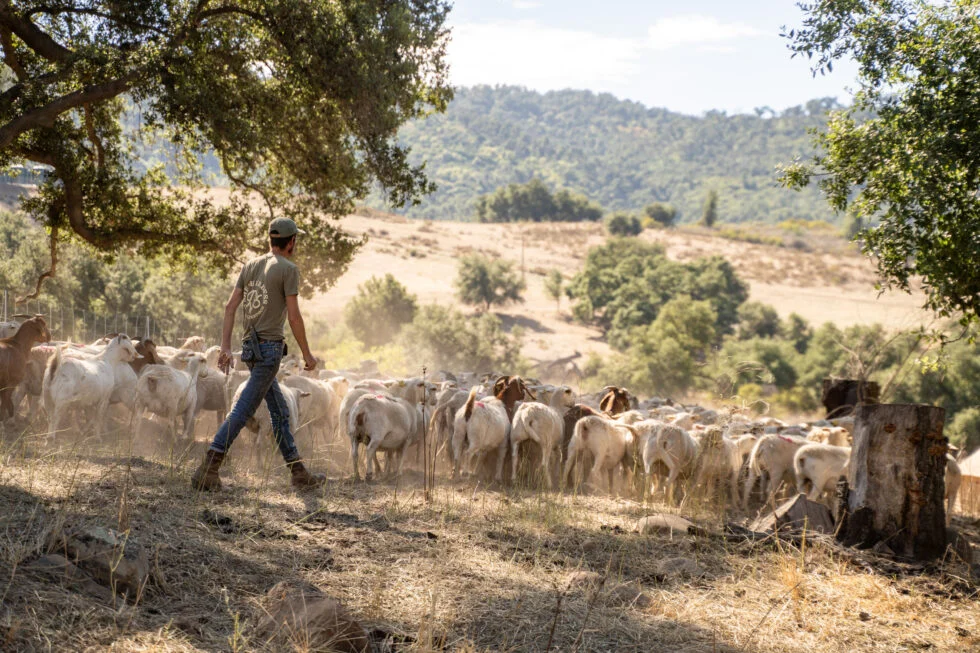
For millennia, the biological and geological character of Southern California was defined by constant motion. Vast herds of native animals migrated across the terrain in response to the availability of forage and water, driven by the rhythms of drought, predation, and the changing seasons. This movement served a critical ecological function: native grasses were grazed, trampled, and redistributed across the hillsides long before the advent of modern fire suppression, urban expansion, or formal fuel management strategies. In this ancestral system, vegetation did not merely accumulate into a static, dangerous mass; rather, the landscape was kept in a state of dynamic equilibrium through cycles of consumption, regrowth, and migration.
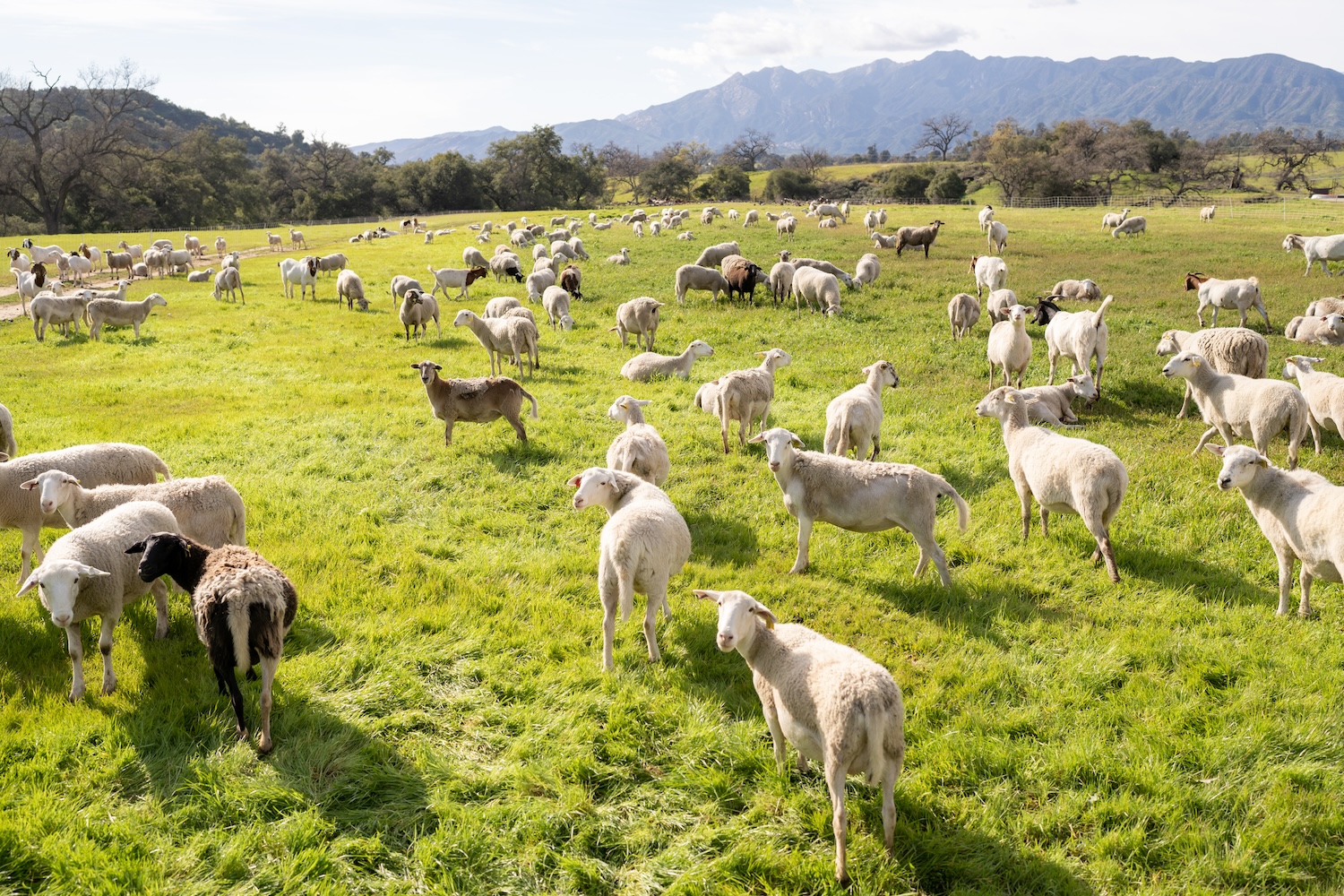
Today, this historical balance has been replaced by a more volatile reality. A combination of rising temperatures, prolonged drought cycles, the proliferation of invasive annual grasses, and decades of aggressive fire suppression has transformed wildfire from a periodic ecological reset into a permanent structural condition. For residents of the region, the landscape is no longer just a backdrop for recreation or aesthetic enjoyment; it is a source of atmospheric smoke, mandatory evacuations, trail closures, and insurance instability. As the climate continues to shift, a quiet but significant movement is returning to these hillsides: the use of prescribed grazing as a sophisticated tool for wildfire mitigation and ecological restoration.
The Evolution of the California Wildfire Crisis
The current wildfire regime in the Western United States is the result of what ecologists often call a "triple threat": climate change, invasive species, and historical land-use policy. According to data from the National Oceanic and Atmospheric Administration (NOAA), the atmospheric conditions in California have become increasingly dry, leading to a "vapor pressure deficit" that sucks moisture out of vegetation, turning living plants into volatile fuel.
In the early 20th century, the United States Forest Service and other agencies adopted a policy of total fire suppression. While intended to protect timber and communities, this policy inadvertently halted the natural thinning of forests and grasslands. Without the periodic "cool" fires that once cleared underbrush, fuel loads reached unprecedented levels. Concurrently, invasive species like cheatgrass and mustard, which dry out earlier in the season than native perennials, have created a carpet of highly flammable material across the Southern California landscape.
The result is a new era of "megafires." The 2017 Thomas Fire, which devastated Ventura and Santa Barbara counties, burned over 280,000 acres and signaled a shift in the scale of modern disasters. This was followed by even more complex events, including the Madre Fire in 2025—the largest in California that year—and the Sandy Fire of 2026. These events have forced a reimagining of how the state manages its wildland-urban interface (WUI), the zone where human development meets undeveloped natural areas.
Prescribed Grazing: A Strategic Ecological Tool
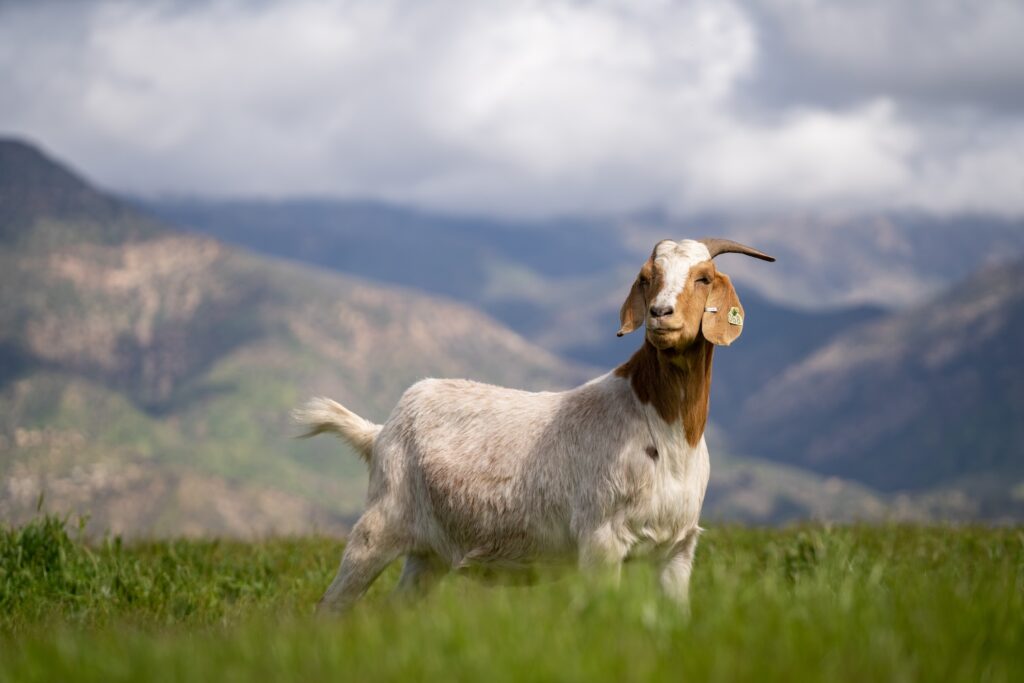
Amidst these challenges, prescribed grazing has emerged as a cornerstone of California’s climate adaptation strategy. Unlike traditional livestock operations, prescribed grazing is an intentionally designed form of land stewardship that utilizes sheep and goats to achieve specific environmental goals. This practice, often spearheaded by organizations like Shepherdess Land and Livestock and the Grazing School of the West, treats animals not just as livestock, but as a biological workforce capable of navigating terrain that is inaccessible to heavy machinery.
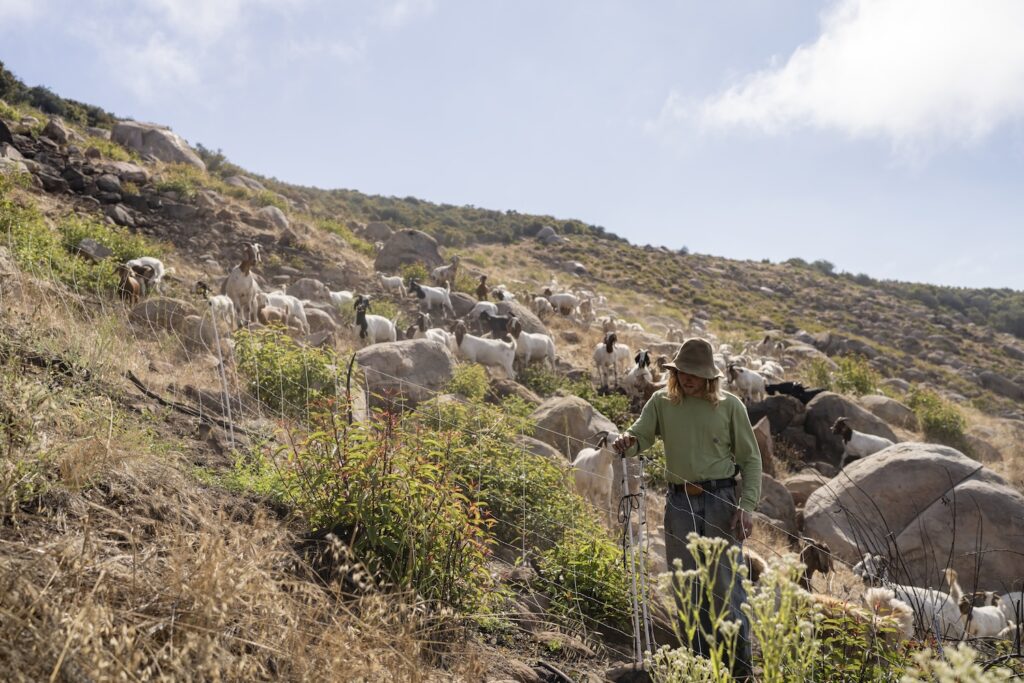
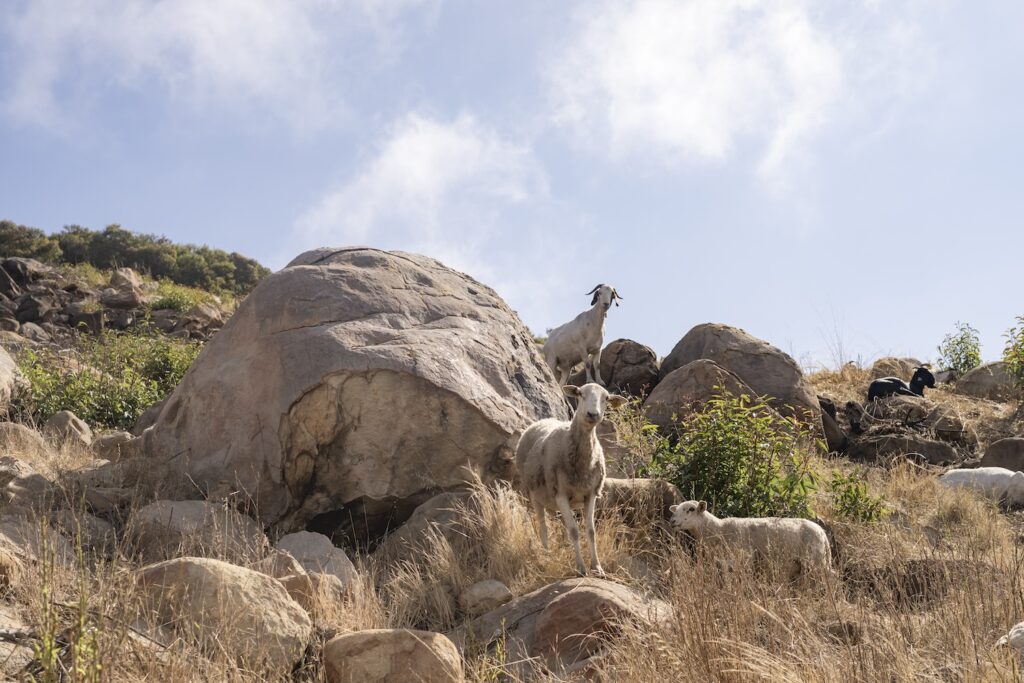
The strategy relies on the distinct biological behaviors of different species. Cole Bush, a prominent practitioner in Ojai, California, describes the method as a "combo punch." Goats are natural "browsers," preferring the woody vegetation, shrubs, and low-hanging tree branches that often serve as "ladder fuels"—materials that allow ground fires to climb into the forest canopy. Sheep, conversely, are "grazers," focusing their attention on the dense carpets of invasive grasses that cover the valley floors and hillsides.
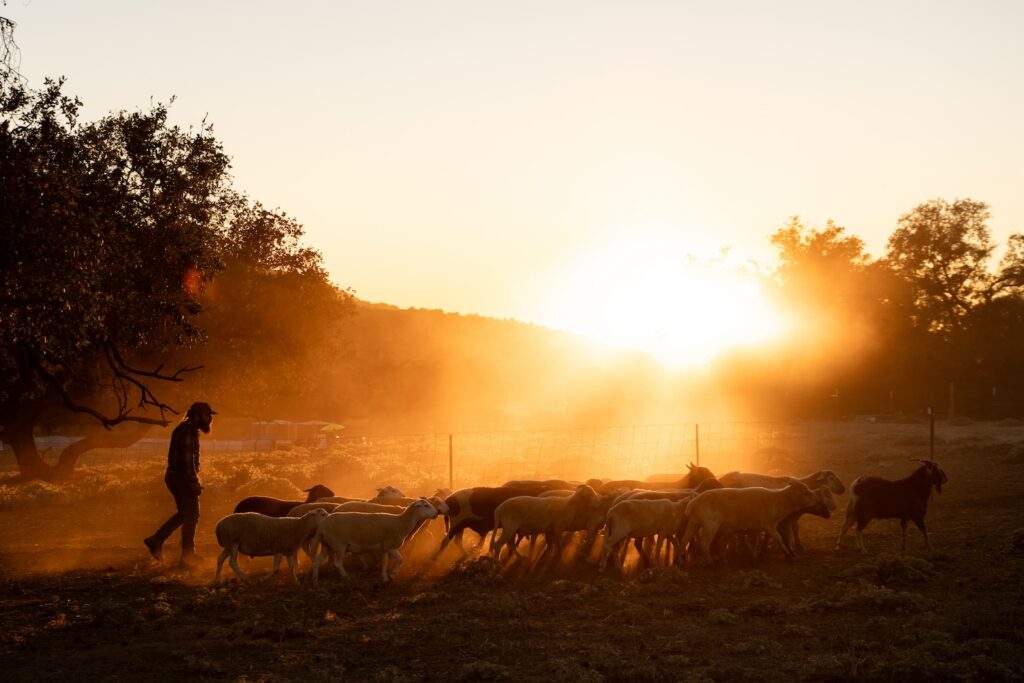
By deploying these animals in a targeted, rotational pattern, land managers can effectively "mow" the landscape. This reduces the height and density of fuel, which in turn reduces the intensity and rate of spread of a wildfire should an ignition occur. Furthermore, the action of the animals’ hooves helps break up the soil surface and incorporate organic matter, which can improve water retention and provide a competitive advantage to deep-rooted native plants over shallow-rooted invasive annuals.
Case Study: The Ojai Valley and the 2025 Fire Season
The practical application of these methods was put to a rigorous test during the Los Angeles fires of January 2025. As the Kenneth Fire erupted in the hills near Agoura, the limitations of traditional emergency infrastructure became apparent. In high-stress, high-smoke environments, the evacuation of livestock and semi-feral animals presents a unique logistical challenge.
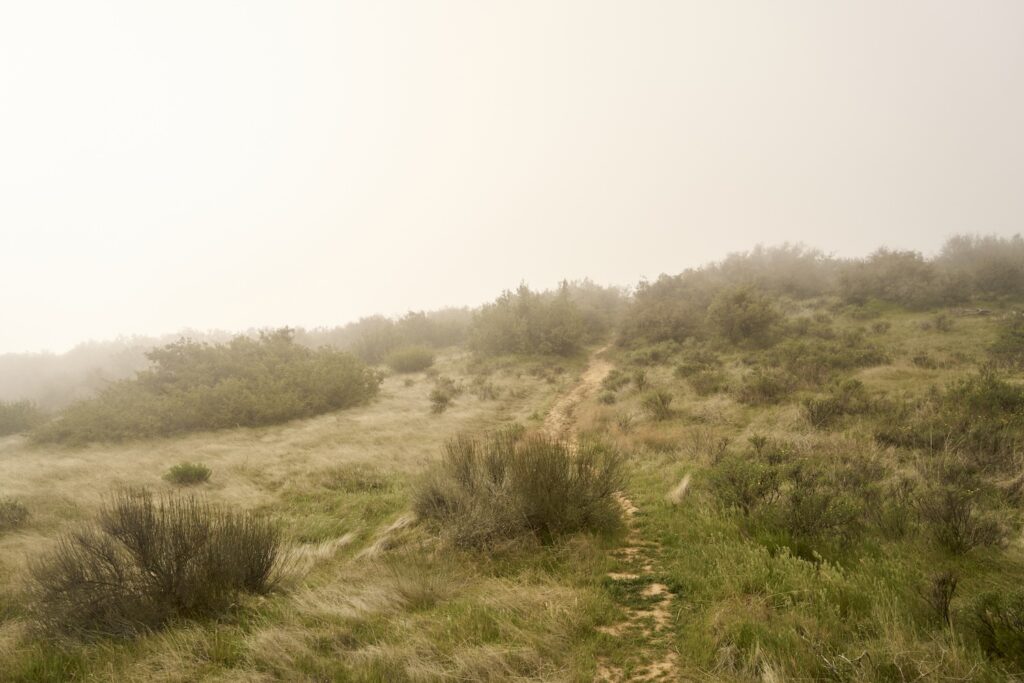
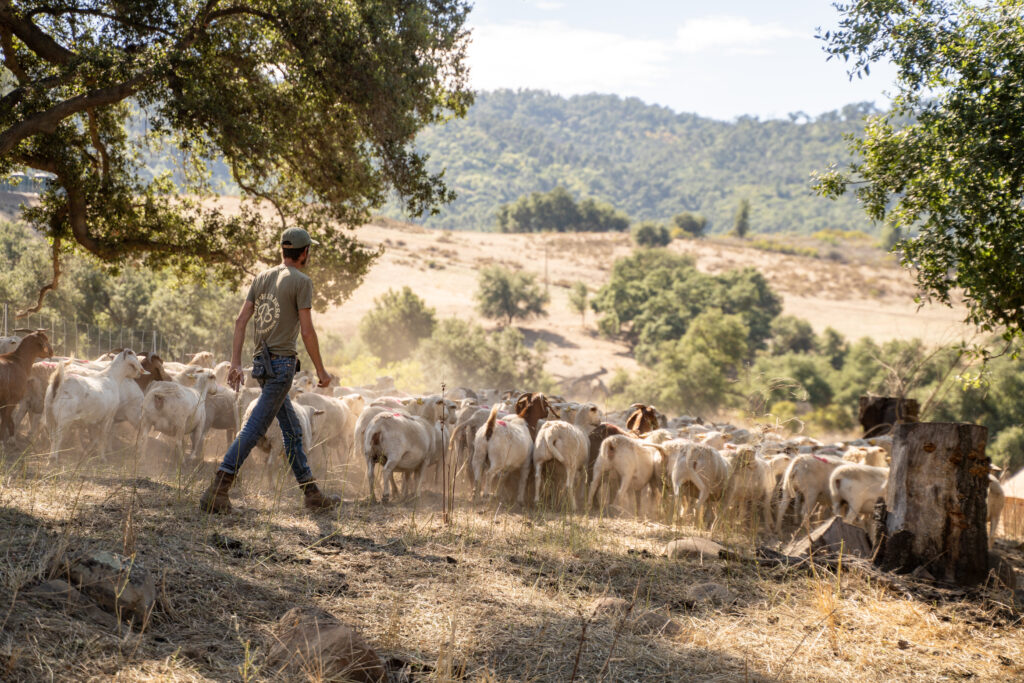
During this period, the Ojai Herd and Horse Network—a grassroots collective of shepherds, trailer owners, and volunteers—became a vital component of the emergency response. Cole Bush and her team utilized their expertise in animal psychology to move flocks off steep, smoke-filled ridges under extreme pressure. "It’s a dance," Bush noted, emphasizing that the calm, rhythmic movement used in daily grazing is the same technique required to save animals during a catastrophe.
The 2025 and 2026 fire seasons highlighted a critical fact: wildfire resilience is not a one-time project but a continuous process of management. In the Ojai Valley, which sits in a geographical "bowl" with limited entry and exit points, the reduction of fuel loads via grazing has become a matter of community survival. The work performed by the Shepherdess Land and Livestock herds in the months leading up to fire season provided critical buffer zones that allowed firefighters to more safely defend structures and infrastructure.
The Intersection of Recreation and Stewardship
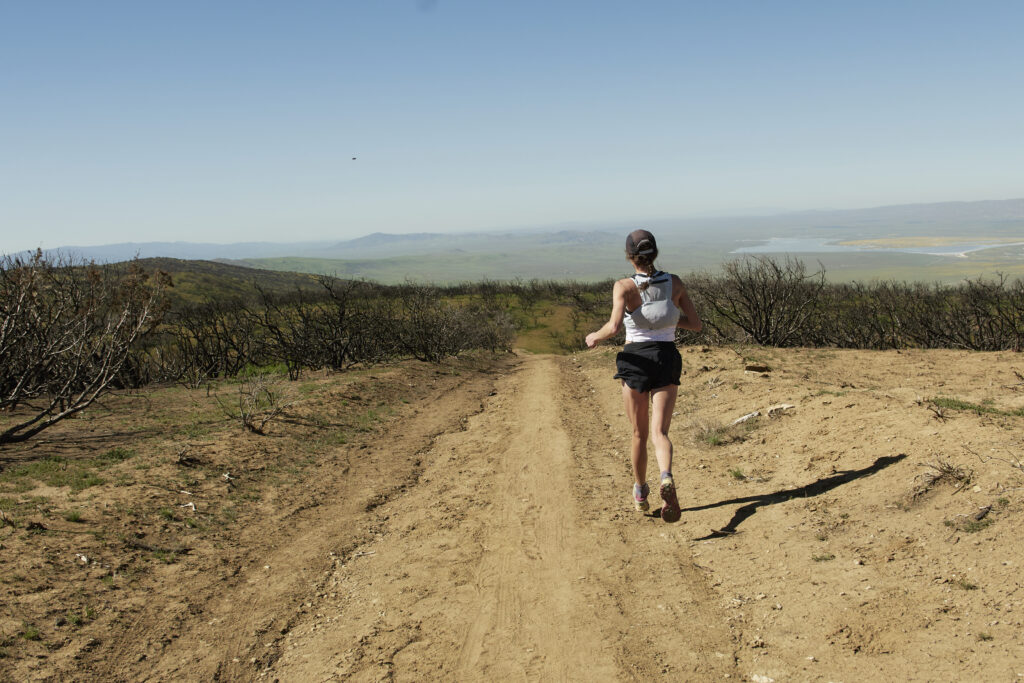
The changing ecology of Southern California has also forced a reckoning within the outdoor recreation community. For decades, trail runners, hikers, and mountain bikers viewed the landscape as a static playground. However, the increasing frequency of post-fire closures and the visible degradation of ecosystems have blurred the lines between the "user" and the "steward."
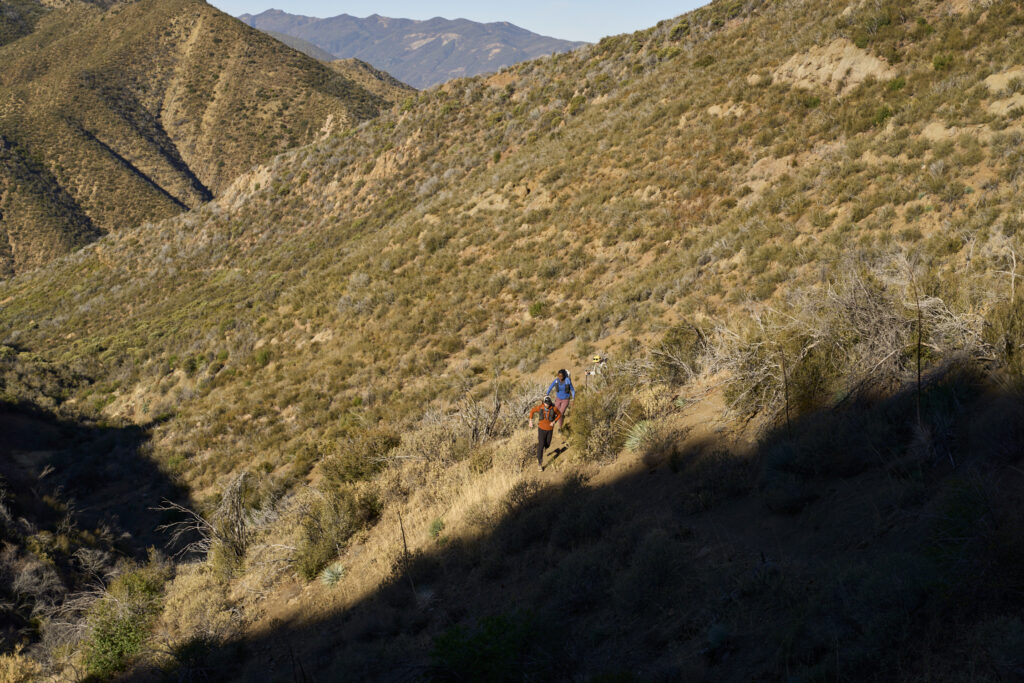
Liam Pickhardt, a photographer and trail runner who has documented the transition of the Los Padres National Forest, observes that trail runners are often the first to notice subtle ecological shifts. They see the return of native species after a grazing treatment or the erosion patterns that follow a major burn. "There’s a tendency to separate outdoor culture from land stewardship," Pickhardt states. "But the trails people run on require active management now. They don’t just stay intact on their own."
This sentiment is echoed by the Ojai Valley Fire Safe Council. Kalli O’Connor, the council’s Assistant Director, argues that wildfire resilience must be integrated into the cultural identity of the region. This includes public education on defensible space, the support of local grazing initiatives, and an understanding that "leaving it to nature" is no longer a viable strategy in a landscape that has been fundamentally altered by human activity and climate change.
Policy Implications and Economic Realities
The shift toward biological fuel management is also being driven by economic and political pressures. As wildfire risk increases, the insurance industry has begun to retreat from fire-prone regions of California, leaving homeowners with skyrocketing premiums or no coverage at all. State and local governments are responding by updating fire hazard maps and implementing stricter regulations for vegetation management.
Prescribed grazing offers a cost-effective alternative to mechanical clearing or chemical herbicides, particularly in the wildland-urban interface. Unlike machines, sheep and goats do not create sparks that could ignite a fire, and they do not require fossil fuels to operate. Furthermore, the "products" of this work—wool and meat—can help offset the costs of land management, creating a more circular and sustainable economic model for rural communities.
Data from the California Department of Forestry and Fire Protection (CAL FIRE) suggests that fuel breaks maintained through a combination of grazing and prescribed fire are significantly more effective at stopping the progress of a blaze than those that are left unmaintained. As a result, grant funding for these "ecosystem services" has seen a marked increase in recent legislative cycles.
Conclusion: A Future Shaped by Movement
The future of Southern California’s ecology will be defined by how well its human and animal inhabitants can adapt to a more volatile climate. The era of viewing the landscape as a passive, unchanging backdrop has ended. In its place is a new paradigm of active stewardship, where the ancient movement of herds is repurposed to meet the modern challenge of wildfire.
While the region will undoubtedly continue to face the threat of fire, the work being done in the Ojai Valley and beyond suggests a path forward. By integrating the biological intelligence of animals with modern climate science and community-led activism, California is beginning to rebuild a more resilient relationship with its terrain. Landscapes are ultimately shaped by what moves through them—be it fire, water, or herds of sheep—and for the first time in a century, that movement is being guided with an eye toward long-term ecological health and human safety.
