

The technical definition of a heat wave, according to the National Oceanic and Atmospheric Administration (NOAA), is a period of at least two or more days during which temperatures are abnormally high relative to historical averages for a specific region. While this definition provides a baseline for meteorological monitoring, atmospheric scientists and public health officials increasingly argue that a simple temperature threshold fails to capture the full complexity and danger of these events. Meteorologist and atmospheric scientist Will Stikeleather, a collaborator with the POW Science Alliance, notes that the ambiguity in the definition reflects the diverse ways heat waves manifest across different climates. Crucially, humidity plays a role equal to that of ambient temperature, as it significantly amplifies heat stress by hindering the human body’s ability to cool itself through evaporation.
The primary driver behind most modern heat waves is the formation of large high-pressure systems in the upper atmosphere. These systems, often referred to as "heat domes," act as atmospheric lids that trap heat over broad geographic regions. Within a heat dome, high pressure causes air to sink toward the surface. As the air descends, it compresses and warms, leading to a rapid escalation of ground-level temperatures. Furthermore, the clockwise rotation of air around these high-pressure centers in the Northern Hemisphere can draw in additional warm or humid air from southern latitudes, exacerbating the conditions. These systems typically only dissipate when shifted by the movement of the jet stream; however, recent trends indicate that these patterns are becoming increasingly stagnant.
The Mechanics of Atmospheric Stagnation and Blocking Patterns
In recent years, meteorologists have observed an increase in "atmospheric traffic jams" or blocking patterns. These occur when the jet stream—the high-altitude river of air that directs weather systems—develops deep, slow-moving meanders. When these patterns stall, heat domes can remain stationary over a region for days or even weeks. This phenomenon was responsible for the catastrophic heat wave that impacted the Pacific Northwest and British Columbia in June and July of 2021. During that event, temperatures in some regions exceeded 115°F, shattering all-time records in areas historically known for temperate summers.

The persistence of these blocking patterns is a subject of intense scientific scrutiny. Research into "Arctic Amplification" suggests that because the polar regions are warming at a faster rate than the rest of the planet, the temperature gradient between the poles and the equator is weakening. This gradient is what drives the speed and strength of the jet stream. As it weakens, the jet stream becomes "wavier," making it more prone to the types of stagnant high-pressure systems that facilitate prolonged extreme heat. While studies by researchers such as Francis and Vavrus (2012) and White et al. (2023) have linked these wavier patterns to increased heat wave frequency, the scientific community continues to refine models to fully understand these complex interactions.
A Century of Warming: Deciphering the Climate Change Connection
Data from 1895 to 2023 indicates that the contiguous United States (CONUS) has warmed by approximately 2°F. While this figure may seem marginal, it represents a significant shift in the global climate baseline. This elevated baseline means that even minor atmospheric anomalies can now trigger severe heat events that would have been impossible a century ago. The 6th Intergovernmental Panel on Climate Change (IPCC6) report states that it is "virtually certain" that human-induced climate change has increased the frequency and severity of warm temperature extremes globally.
The statistical trends are stark. Since the 1960s, the frequency of heat waves in the United States has nearly tripled. Furthermore, the "heat wave season"—defined as the duration between the first and last heat wave of the calendar year—has expanded from approximately 25 days to 70 days. This expansion means that extreme heat events are no longer confined to the peak of July and August but are increasingly occurring in late spring and early autumn. The 2021 Western Canada heat wave serves as a case study in this trend; it was estimated to be a 0.1% probability event (a "once-in-1,000-year" occurrence). However, under current climatic conditions, that event was approximately 2°C hotter than it would have been during the pre-industrial period of 1850–1900.
The Humidity Multiplier and Wet Bulb Globe Temperature
As global temperatures rise, the atmosphere’s capacity to hold moisture increases by approximately 7% for every 1°C of warming. This relationship means that modern heat waves are increasingly characterized by high humidity, which poses a unique threat to human health. To accurately measure this risk, scientists use the Wet Bulb Globe Temperature (WBGT), a metric that combines temperature, humidity, wind speed, and solar radiation to assess heat stress.
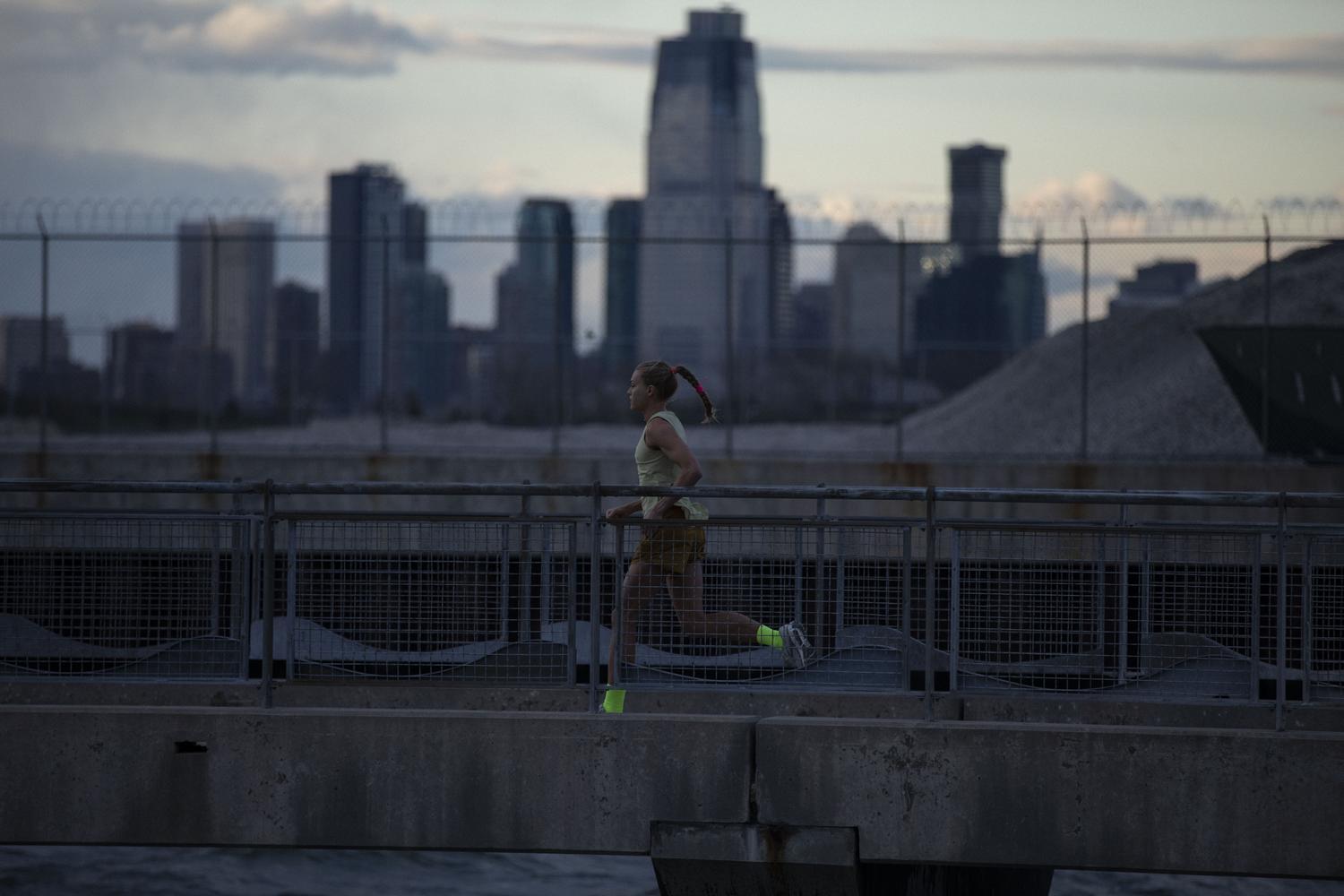
The impact of humidity was particularly evident during the European heat waves of June 2026. Data from World Weather Attribution indicated that 45% of all Western European urban areas set new WBGT records during that period. Cities from Spain to Sweden experienced unprecedented levels of heat stress. In Western Europe, extreme temperatures are currently increasing at three times the global average rate. A comparison with the summer of 1976—previously regarded as the benchmark for European heat—reveals that the hottest temperatures recorded in 2026 were roughly 3.5°C higher than they would have been under similar atmospheric conditions 50 years ago. Current models suggest that the 40°C heat seen recently across Central Europe is now ten times more likely to occur than it was as recently as 2003.
Regional Vulnerabilities and the Urban Heat Island Effect
Geographic factors dictate how heat waves manifest and which populations are most at risk. In the United States, the Northeast is warming faster than almost any other region, containing three of the top five fastest-warming states since 1970. Alaska remains the fastest-warming state overall due to its proximity to the melting Arctic. Meanwhile, the East Coast faces increasing vulnerability due to rising sea surface temperatures, which fuel inland humidity and prevent nighttime cooling.
Urban centers face a specific phenomenon known as the "urban heat island effect." Infrastructure composed of concrete, asphalt, and steel has a low albedo, meaning it absorbs and retains a high percentage of solar radiation. In contrast, rural areas with dense vegetation benefit from evapotranspiration—a biological process where plants release moisture into the air, cooling the surrounding environment. In cities, the heat absorbed during the day is released slowly at night, preventing temperatures from dropping. This lack of nighttime recovery is a critical health hazard, as the human body requires cooler temperatures to recover from daytime heat stress. This failure of the "cooling window" significantly increases the risk of heat stroke and cardiovascular failure among vulnerable populations.
Compounding Hazards: The Intersection of Heat and Wildfire Risk
Extreme heat does not exist in a vacuum; it acts as a force multiplier for other natural disasters, most notably wildfires. The combination of reduced winter snowpack and early-season heat waves creates a "curing" effect on vegetation. In the Pacific Northwest and the Rockies, record-low snowpacks followed by stagnant heat domes have led to forests becoming combustible weeks earlier than historical norms.
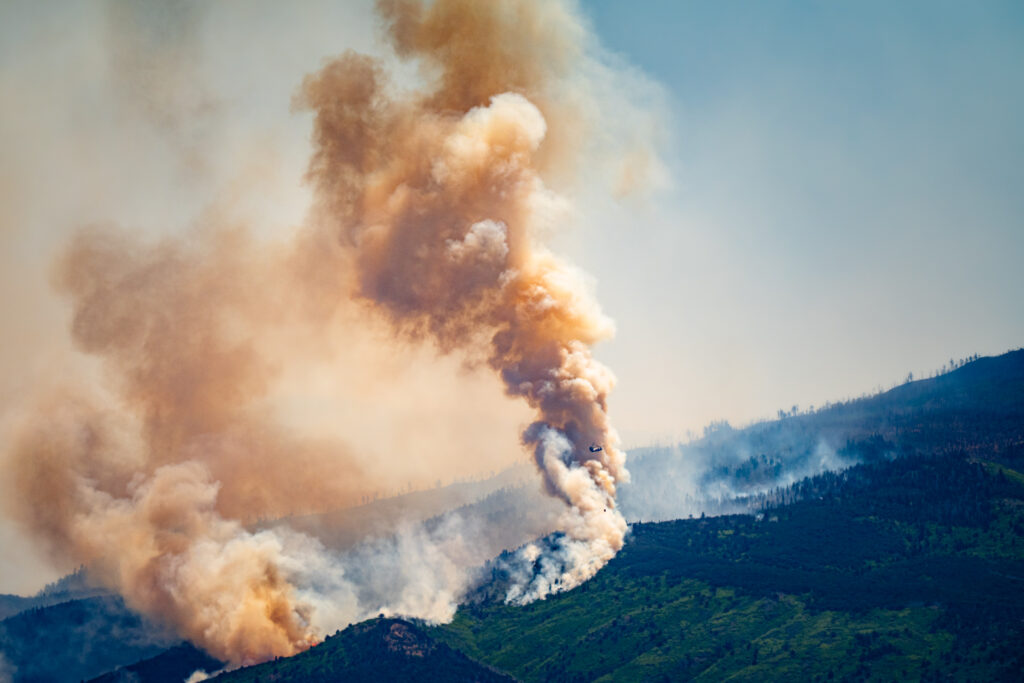
By late July 2026, vegetation in regions such as Spokane, Washington, had reached a level of dryness typically not seen until September. This expansion of the wildfire window increases the likelihood of extreme fire behavior, characterized by rapid spread and high intensity. These fires, in turn, release massive quantities of carbon dioxide and particulate matter into the atmosphere, creating a feedback loop that further degrades air quality and contributes to the greenhouse effect.
Economic and Infrastructure Implications
The broader implications of escalating heat waves extend to the economy and national infrastructure. Extreme heat places an immense strain on power grids as demand for air conditioning surges. In many regions, the existing grid is not designed to handle the peak loads associated with prolonged heat domes, leading to brownouts or total failures. Furthermore, reliance on traditional air conditioning creates a paradox: while it provides immediate relief, the energy required to run these systems often comes from fossil fuels, which contribute to the very warming driving the heat waves.
Labor productivity is also impacted. Outdoor industries, including construction, agriculture, and tourism, face significant disruptions as conditions become unsafe for workers. Economists estimate that extreme heat costs the global economy billions of dollars annually in lost labor hours and increased healthcare expenditures. For the "Outdoor State"—the community of enthusiasts who rely on the natural environment for recreation and livelihood—these shifts represent a fundamental change in how and when they can access the outdoors.
Strategic Responses: From Grid Resilience to Clean Energy Transition
Addressing the crisis of extreme heat requires a multi-faceted approach focusing on both mitigation and adaptation. Atmospheric scientists emphasize that while individual actions like staying hydrated and seeking shade are necessary for survival, systemic change is required to break the cycle of warming.
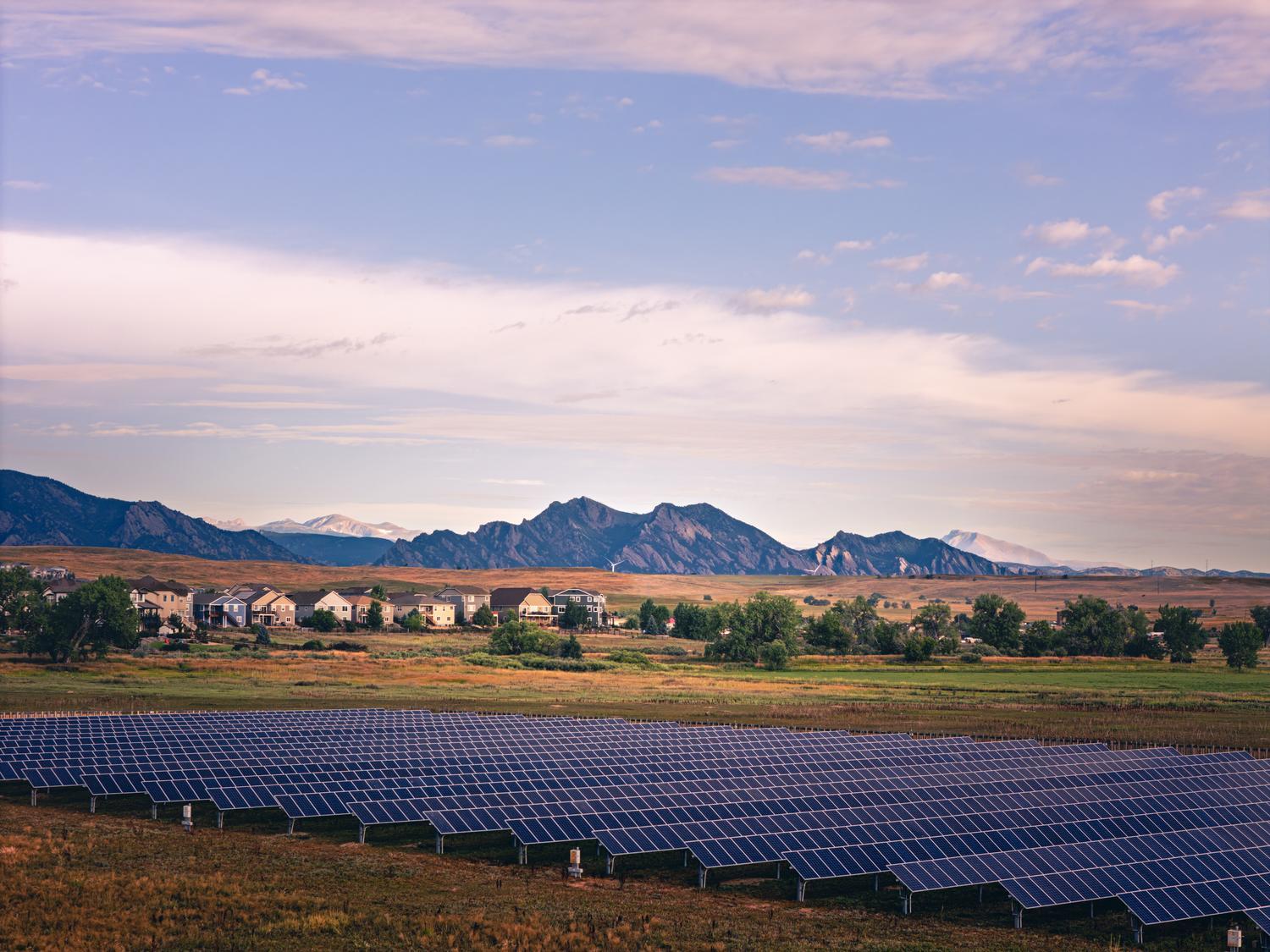
One primary solution lies in the decentralization and modernization of the energy grid. Community-led initiatives, such as rooftop solar projects and rural electric co-ops, are gaining traction as a means to build grid resilience. By generating power locally and utilizing clean energy sources, communities can reduce their reliance on a strained national grid and lower their carbon footprint. Organizations like Protect Our Winters (POW) advocate for the use of "Clean Energy Toolkits" to help municipalities transition to renewables more rapidly.
In addition to energy reform, urban planning must evolve to combat the heat island effect. This includes the implementation of "cool roofs" with high albedo, the expansion of urban canopies through tree-planting programs, and the creation of "green corridors" that encourage natural airflow. As heat waves continue to hit harder and last longer, the integration of scientific data into public policy remains the most effective tool for safeguarding communities and ensuring the long-term viability of the outdoor environment.
