

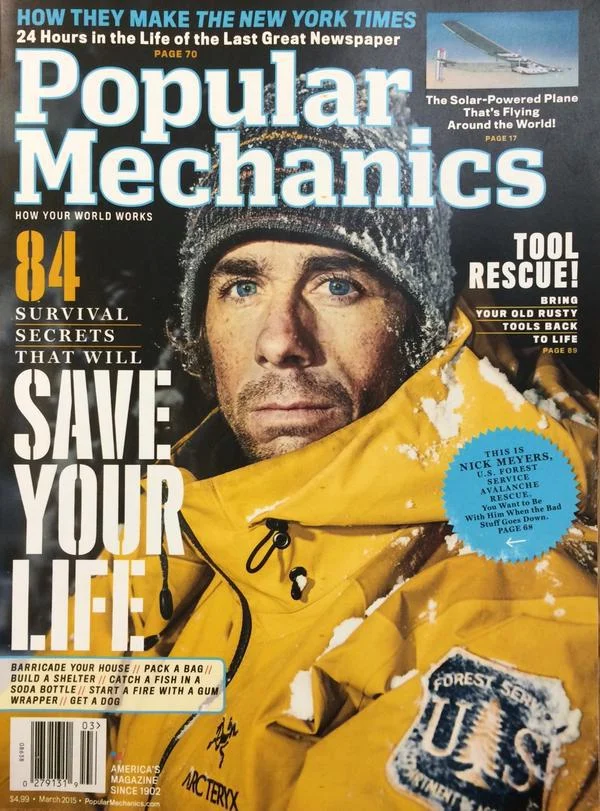
Mount Shasta, California – Nick Meyers, a prominent figure in mountain safety and a leading expert in avalanche rescue, has achieved a significant milestone by being featured on the cover of the latest issue of Popular Mechanics magazine. Meyers, who holds the dual roles of Director of the Mount Shasta Avalanche Center and Lead Climbing Ranger on Mount Shasta, was recognized for his extensive knowledge and practical experience in high-risk mountain environments, particularly concerning avalanche safety and survival. The feature article delves into the critical gear and techniques he employs to ensure survival in treacherous conditions, offering invaluable insights to a broad audience interested in outdoor adventure and safety.
Background: A Career Dedicated to Mountain Preservation and Safety
Nick Meyers’s extensive career has been deeply intertwined with the majestic and often perilous landscape of Mount Shasta. As the Director of the Mount Shasta Avalanche Center, he oversees crucial operations related to snowpack analysis, avalanche forecasting, and public education on avalanche awareness. This role is vital for the safety of skiers, snowboarders, climbers, and other outdoor enthusiasts who venture into the mountain’s challenging terrain, especially during the winter and spring months when avalanche risks are at their peak. His work involves meticulous data collection, on-the-ground observation, and the dissemination of vital information to prevent tragic incidents.
Simultaneously, his position as Lead Climbing Ranger on Mount Shasta places him at the forefront of rescue operations and risk management for those ascending the iconic peak. Mount Shasta, a stratovolcano in the Cascade Range, presents a unique set of challenges, including extreme weather, altitude sickness, crevasses, and, of course, avalanches. Meyers and his team are responsible for monitoring conditions, providing guidance to climbers, and responding to emergencies. This dual responsibility underscores his comprehensive understanding of the mountain’s dynamic environment and the multifaceted nature of mountain safety.
The recognition by Popular Mechanics, a magazine renowned for its focus on technology, innovation, and practical problem-solving, highlights the sophisticated nature of modern avalanche rescue and survival techniques. It signifies a shift in public perception, recognizing these disciplines not just as rugged outdoor pursuits but as fields demanding advanced knowledge, specialized equipment, and rigorous training.
The Popular Mechanics Feature: Essential Gear for Survival
The Popular Mechanics article, titled "10 Survival Essentials an Avalanche Rescue Expert Always Carries," offers a unique window into the mindset and preparation of a seasoned professional. While the specific list of items is detailed within the magazine, the core message emphasizes preparedness, redundancy, and the critical role of technology and knowledge in mitigating risks. This feature serves as an educational tool, empowering individuals with actionable advice should they find themselves in challenging alpine environments.
The selection of Meyers for this prominent feature is not arbitrary. His experience on Mount Shasta, a location known for its severe weather and demanding climbs, provides a robust foundation for his expertise. The magazine likely sought an individual whose daily work directly confronts the life-or-death scenarios associated with avalanches and extreme mountain conditions. His insights are therefore grounded in real-world application, making them highly credible and impactful.
The article likely touches upon several key categories of survival gear:
- Avalanche Safety Equipment: This would undoubtedly include a transceiver, probe, and shovel – the fundamental trio for locating and excavating buried victims. The Popular Mechanics piece would likely delve into the nuances of using these tools effectively and the importance of regular practice.
- Navigation and Communication: Reliable GPS devices, satellite communication tools, and well-maintained maps and compasses are crucial for maintaining orientation and signaling for help in remote areas where cellular service is non-existent.
- Shelter and Warmth: Items like emergency blankets, fire-starting kits, and appropriate layering of clothing are essential for preventing hypothermia, a significant threat in alpine environments.
- First Aid and Medical Supplies: A comprehensive first-aid kit, tailored to the potential injuries encountered in mountain rescue, is indispensable.
- Sustenance: High-energy, lightweight food and water purification methods are vital for maintaining physical strength during extended periods or emergencies.
The inclusion of Meyers on the cover, juxtaposed with the practical, gear-focused content, suggests a broader narrative about the intersection of human expertise and technological advancement in the pursuit of safety and survival. It elevates the importance of understanding and respecting the forces of nature, while also showcasing how innovation can provide crucial advantages.
Supporting Data and the Growing Importance of Avalanche Safety
The prominence of avalanche incidents, though often localized, underscores the critical need for expert knowledge and preparedness. According to the Colorado Avalanche Information Center (CAIC), between the 2009-2010 and 2018-2019 winter seasons, an average of 28 people were killed in avalanches in the United States each year. These figures, while an average, highlight a consistent and serious risk.
The Mount Shasta region, with its popularity for backcountry skiing, snowboarding, and climbing, experiences its own share of avalanche concerns. The Mount Shasta Avalanche Center plays a pivotal role in mitigating these risks through its forecasting and public outreach programs. By providing daily avalanche advisories during the active season, the center helps recreationalists make informed decisions about where and when it is safe to travel.
The work of avalanche centers like the one led by Meyers is data-intensive. It involves:
- Snowpack Monitoring: Daily measurements of snow depth, temperature profiles, and snow pit analysis to understand layering and weak layers within the snowpack.
- Weather Data Collection: Tracking precipitation, wind speed and direction, and temperature fluctuations, which are key drivers of avalanche formation.
- Avalanche Incident Reporting: Documenting observed avalanches, their size, type, and the conditions under which they occurred.
- Public Education and Outreach: Offering avalanche awareness courses, workshops, and providing online resources to educate the public on safe travel practices.
The feature in Popular Mechanics can be seen as a validation of these efforts and a testament to the growing sophistication of avalanche science and rescue techniques. It brings attention to a field that is often operating behind the scenes, working to prevent tragedies before they occur.
Chronology of Recognition and Impact
While the exact timeline leading to the Popular Mechanics feature is not detailed in the provided text, such opportunities typically arise from a combination of sustained professional achievement, significant contributions to the field, and often, nominations or pitches to the magazine. It is plausible that Meyers’s long-standing commitment to safety on Mount Shasta, coupled with his leadership at the Avalanche Center, brought him to the attention of Popular Mechanics‘ editorial team.
The publication of the article and the cover feature marks a significant point in Meyers’s public recognition. It transcends the niche audience of mountaineers and avalanche professionals, reaching a much broader readership. This increased visibility has several potential implications:
- Enhanced Public Awareness: More people will now be exposed to the importance of avalanche safety and the expertise required to navigate hazardous mountain environments.
- Increased Interest in Mountain Safety Careers: The feature might inspire younger individuals to pursue careers in fields like avalanche forecasting, search and rescue, and mountain guiding.
- Support for Avalanche Centers: Greater public awareness can translate into increased support for the vital work of avalanche centers, which often rely on funding and volunteer efforts.
- Validation of Professional Expertise: It provides a strong endorsement for the rigorous training and dedication required by professionals like Meyers.
The inclusion of links to both a blog post about Nick and the Popular Mechanics article itself allows for further exploration of his work and the subject matter. The blog post likely offers a more personal narrative and perhaps a deeper dive into his background and motivations, while the magazine article provides the practical, gear-centric advice that Popular Mechanics is known for.
Official and Community Reactions (Inferred)
The recognition of Nick Meyers by a prominent publication like Popular Mechanics would undoubtedly elicit positive reactions from various parties.
From within the U.S. Forest Service and National Park Service: As Director of the Mount Shasta Avalanche Center, which is often affiliated with or supported by the U.S. Forest Service, Meyers’s feature would be seen as a significant achievement for the organization. It highlights the critical role of their personnel in ensuring public safety in natural environments. Officials within these agencies would likely express pride and commend his dedication and expertise. A statement from a regional forester or a public affairs officer might express how this feature brings valuable attention to the importance of avalanche safety programs and the expertise of their staff.
From the Climbing and Outdoor Recreation Community: Climbers, skiers, snowboarders, and other outdoor enthusiasts who frequent Mount Shasta and similar mountain ranges would likely view this as a well-deserved honor. Meyers is a known quantity in these circles, and his expertise is often relied upon for safe passage. Their reactions would likely be expressed through social media, online forums, and direct communication, celebrating his contribution to their safety and the advancement of their sport. Comments might emphasize his commitment to education and his willingness to share his knowledge.
From the Mount Shasta Avalanche Center Team: His colleagues and team members at the Avalanche Center would undoubtedly be thrilled. This recognition reflects positively on the entire organization and validates their collective efforts in snowpack analysis and public safety. They might see it as a testament to his leadership and the importance of the center’s mission.
The image accompanying the original article, presumably a photograph of Meyers or related to his work, further solidifies his presence and the visual appeal of the feature. Such images are crucial in conveying the essence of the story and engaging the reader.
Broader Impact and Implications: Elevating Mountain Safety Discourse
The Popular Mechanics feature on Nick Meyers has implications that extend beyond his personal achievement. It serves to elevate the discourse surrounding mountain safety, particularly avalanche awareness, to a broader audience. In an era where outdoor recreation is experiencing a surge in popularity, the need for accessible, expert-driven safety information is paramount.
- Democratization of Expertise: By presenting complex survival techniques and essential gear in a format accessible to the general public, Popular Mechanics effectively democratizes this specialized knowledge. This can empower individuals to be better prepared for their own adventures, reducing the likelihood of incidents.
- Highlighting Technological Advancements: The article likely showcases how modern technology, from advanced avalanche transceivers to sophisticated weather monitoring systems, plays a crucial role in mitigating risks. This aligns with Popular Mechanics‘ ethos of exploring innovation and its practical applications.
- Reinforcing the Importance of Professional Training: The feature implicitly underscores the value of professional training and certification in fields like avalanche safety. It differentiates between casual enthusiasts and seasoned experts whose knowledge is honed through years of experience and dedicated study.
- Contribution to a Culture of Safety: Ultimately, such features contribute to fostering a broader culture of safety and preparedness in outdoor pursuits. When individuals are exposed to the expertise and strategies employed by professionals, they are more likely to adopt responsible practices themselves.
In conclusion, Nick Meyers’s appearance on the cover of Popular Mechanics is a significant recognition of his lifelong dedication to mountain safety and avalanche rescue. It brings crucial attention to a vital field, educates a wider audience on essential survival techniques, and celebrates the intersection of human expertise and technological innovation in the face of nature’s formidable challenges. His work on Mount Shasta, a demanding and iconic peak, serves as a powerful backdrop for this widespread acknowledgment of his invaluable contributions.
