

The intersection of outdoor recreation and climate policy is undergoing a significant transformation as Protect Our Winters (POW) expands its Chapter Program, a grassroots initiative designed to convert passion for adrenaline sports into effective civic engagement. While environmental advocacy has historically been viewed as the domain of specialized policy analysts and lobbyists, POW is successfully pivoting toward a decentralized model that empowers local community members—from professional skiers to weekend hikers—to influence decision-making at the municipal and state levels. This shift comes at a critical juncture for the outdoor recreation industry, which contributed $1.1 trillion to the U.S. economy in 2022, according to the Bureau of Economic Analysis, yet faces existential threats from warming winters, erratic precipitation, and increasing wildfire frequency.
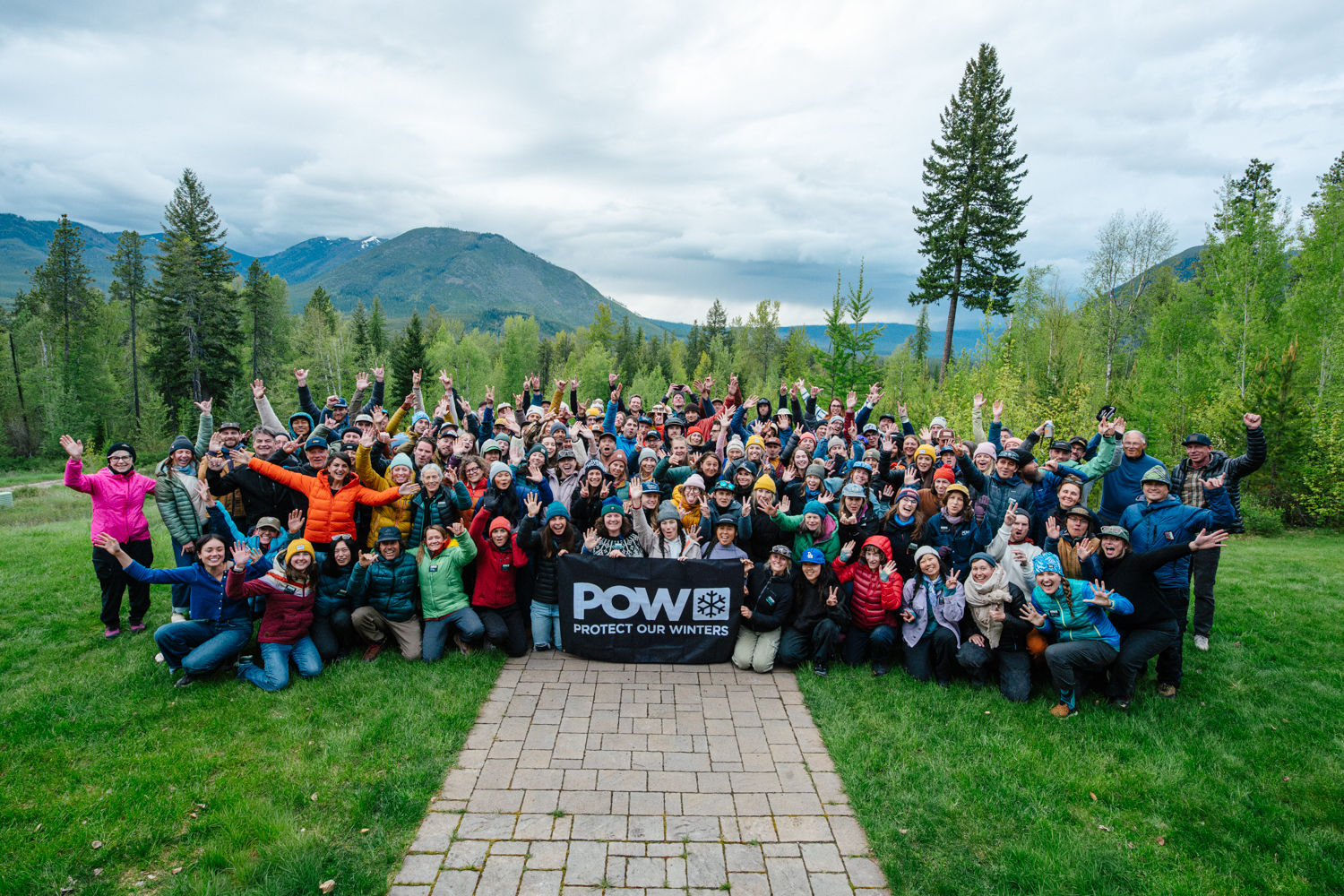
The POW Chapter Program functions as a year-round bridge between mountain or coastal communities and the legislative halls where climate policy is determined. By deploying field organizers in key regions such as the White Mountains of New Hampshire, the Gallatin Valley in Montana, the Western Slope of Colorado, and the Tahoe-Reno corridor, the organization is building a permanent infrastructure for climate action. These organizers are tasked with demystifying the political process, encouraging participation in town council meetings, and mobilizing voters for local elections that often have a disproportionate impact on energy infrastructure and land use.
The Evolution of the Grassroots Network
Founded in 2007 by professional snowboarder Jeremy Jones, Protect Our Winters initially focused on leveraging the influence of high-profile athletes to raise awareness about melting glaciers and shortening ski seasons. However, the organization’s strategy has evolved to recognize that national policy is often the result of momentum built at the local level. The current Chapter Program represents the latest iteration of this strategy, focusing on "The Outdoor State"—a demographic of over 50 million Americans who identify as outdoor enthusiasts.
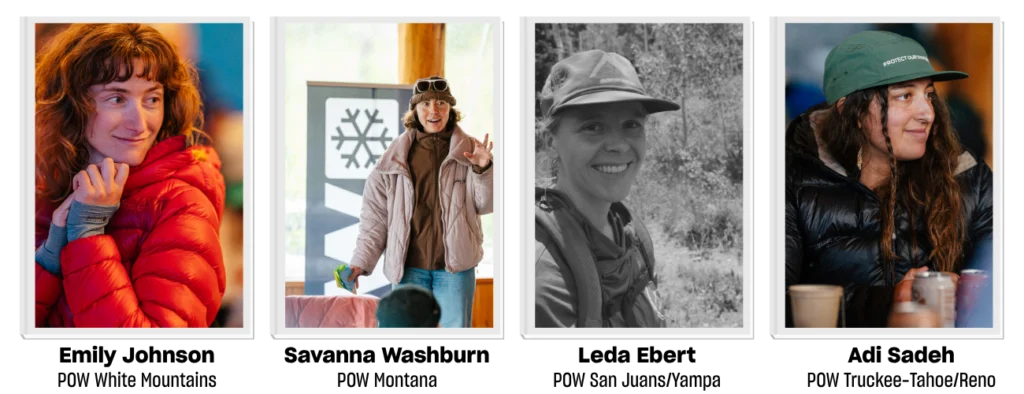
The chronology of this movement shows a transition from general awareness campaigns to targeted regional interventions. In 2024 and 2025, the program intensified its focus on utility commissions and rural electric cooperatives. Organizers now operate in specific hubs, such as the White Mountains (Emily Johnson), Montana (Savanna), Southwest Colorado and the Yampa Valley (Leda), and the Truckee-Tahoe-Reno region (Adi). These regions are not only recreation hotspots but also front lines for energy transition battles involving coal-to-clean energy conversions and grid modernization.
Regional Profiles: The Front Lines of Advocacy
In the White Mountains of New Hampshire, field organizer Emily Johnson leads efforts to connect the region’s deep-rooted skiing heritage with modern energy policy. Johnson, a native of Farmington, Maine, emphasizes the role of collective power in countering the influence of the fossil fuel industry. Her work focuses on building a "collective power of the many," specifically targeting governance structures like electric cooperatives that dictate the carbon intensity of New England’s power grid.
In Montana, organizer Savanna focuses on the Gallatin Valley, a region experiencing rapid growth and escalating climate pressures. Her advocacy is centered on the principle that "movement building is the antidote to apathy." By focusing on numbers and shared purpose, the Montana chapter aims to influence state and county-level decisions that affect everything from affordable housing to snow removal and clean air standards.
The Western Slope of Colorado is managed by Leda, who oversees the San Juan and Yampa Valley chapters. This region is a complex tapestry of public lands and energy-dependent economies. Leda’s work highlights the "human and environmental intersection," focusing on building resilient communities that can withstand the economic shifts inherent in the transition to renewable energy.

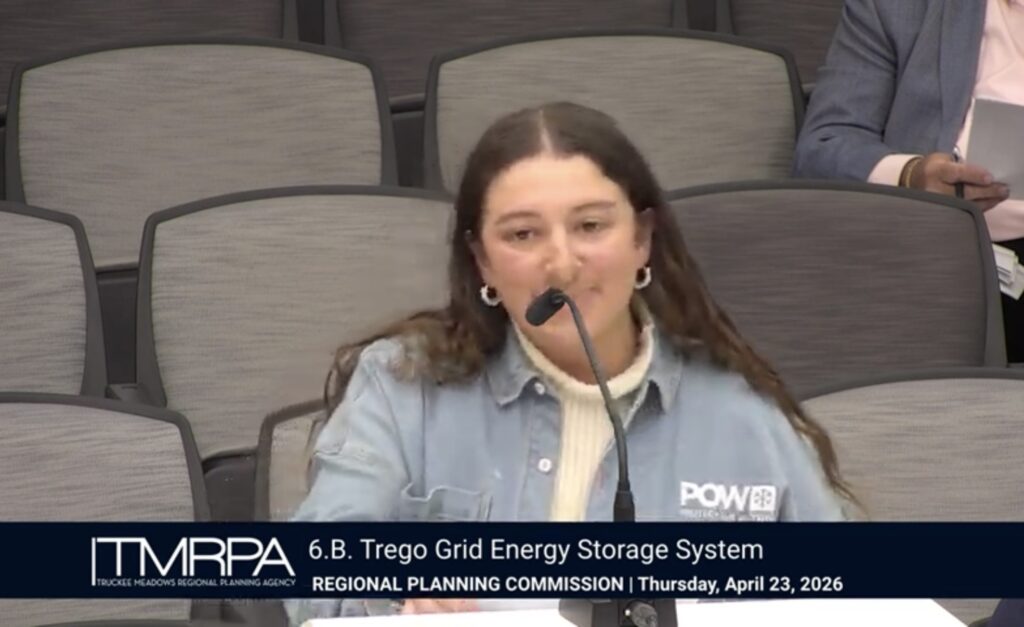
In the Sierra Nevada, Adi manages the Truckee-Tahoe and Reno chapters. With a background in geography and conservation, Adi’s work bridges the gap between the ecological needs of the Tahoe Basin and the urban energy demands of Reno. The focus here is on empowering individuals to confront the systems driving the climate crisis through grassroots organizing and holding local leaders accountable.
Strategic Local Successes and Case Studies
The effectiveness of the POW Chapter Program is evidenced by a series of recent "local wins" that demonstrate the impact of targeted advocacy on energy and environmental policy.
New Hampshire Electric Cooperative Election
In early 2024, the POW Action Fund supported the successful election of Laurel Boivin to the New Hampshire Electric Cooperative’s Board of Directors. Boivin, an expert in energy policy and community relations, represents a shift in board composition toward leaders who prioritize environmental compliance and clean energy transition. Because electric co-ops are member-owned, small-margin elections can fundamentally change a utility’s long-term procurement strategy.
The TregoGrid Project in Nevada
The Reno chapter played a pivotal role in the advancement of the TregoGrid project, which recently passed a major regulatory hurdle to add 200 megawatts (MW) of battery storage to the grid. Battery storage is considered a "linchpin" technology for decarbonization, as it allows intermittent renewable sources like wind and solar to provide a steady supply of power. The Reno chapter’s advocacy focused on meeting state decarbonization goals through tangible infrastructure improvements.
Montana’s Integrated Resource Plan (IRP)
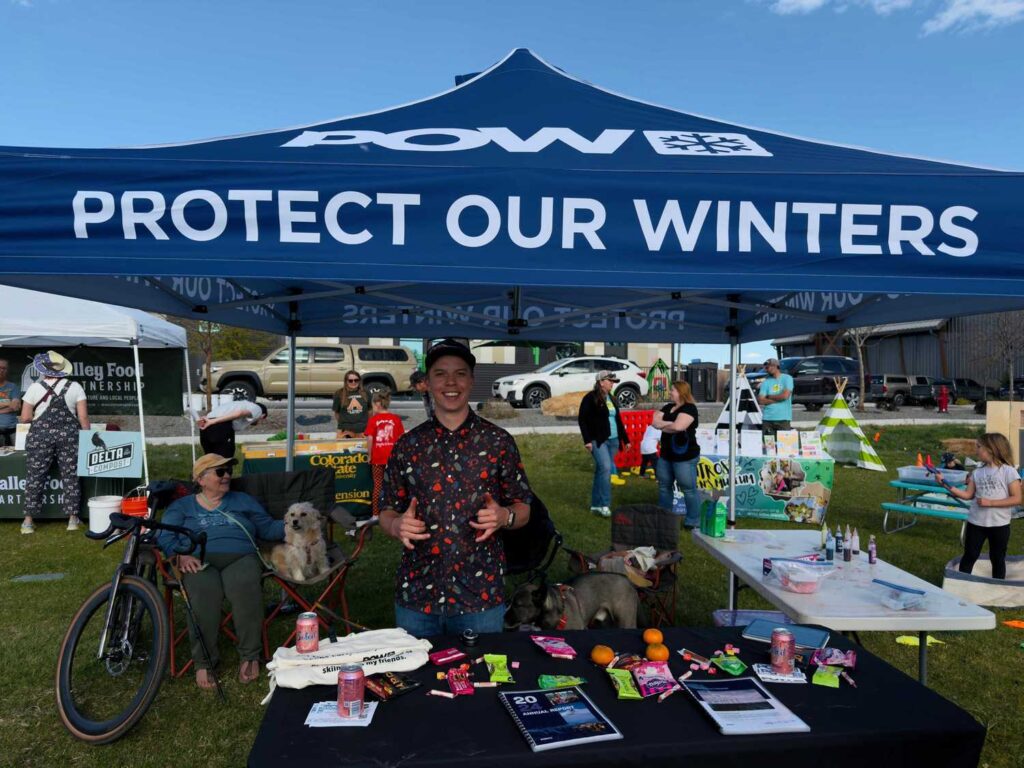
In Montana, the Bozeman chapter has been actively challenging NorthWestern Energy’s Integrated Resource Plan (IRP). The current plan has drawn criticism for its continued reliance on gas and coal, despite the utility’s pledge to reach net-zero emissions by 2050. Savanna and her team organized community events, such as "bike-to-comment" rides, where participants gathered to write public testimonies. These efforts are designed to ensure the Public Service Commission (PSC) hears from constituents who favor lower-cost wind and solar options over fossil fuel investments that could lock consumers into higher rates for decades.
Battery Storage in Colorado
In La Plata County, Colorado, the San Juan chapter helped influence the lifting of a moratorium on Battery Energy Storage Systems (BESS). Local volunteers submitted public comments emphasizing the safety and necessity of storage for regional energy independence. This move is seen as a foundational step for the Western Slope’s transition to a more modern, resilient energy grid.
Data and Economic Context: The Stakes of Inaction
The urgency of POW’s mission is supported by increasingly dire environmental data. According to the National Oceanic and Atmospheric Administration (NOAA), the U.S. has seen a significant decrease in average annual snowfall in many parts of the country since 1930. In the Northeast, winter temperatures have risen by approximately 3 degrees Fahrenheit over the last century, directly impacting the viability of small-scale ski operations and the local economies that depend on them.
The economic implications are vast. A study by the Outdoor Industry Association (OIA) found that the outdoor recreation economy supports 5 million jobs in the United States. In states like Montana and Colorado, recreation is a primary economic driver. When snowpacks fail or rivers run too low for fishing, the economic "ripple effect" hits hotels, restaurants, and retail sectors. POW’s strategy treats climate advocacy not just as an environmental issue, but as a form of economic protection for these communities.
The Power of the "Micro-Margin" in Local Governance
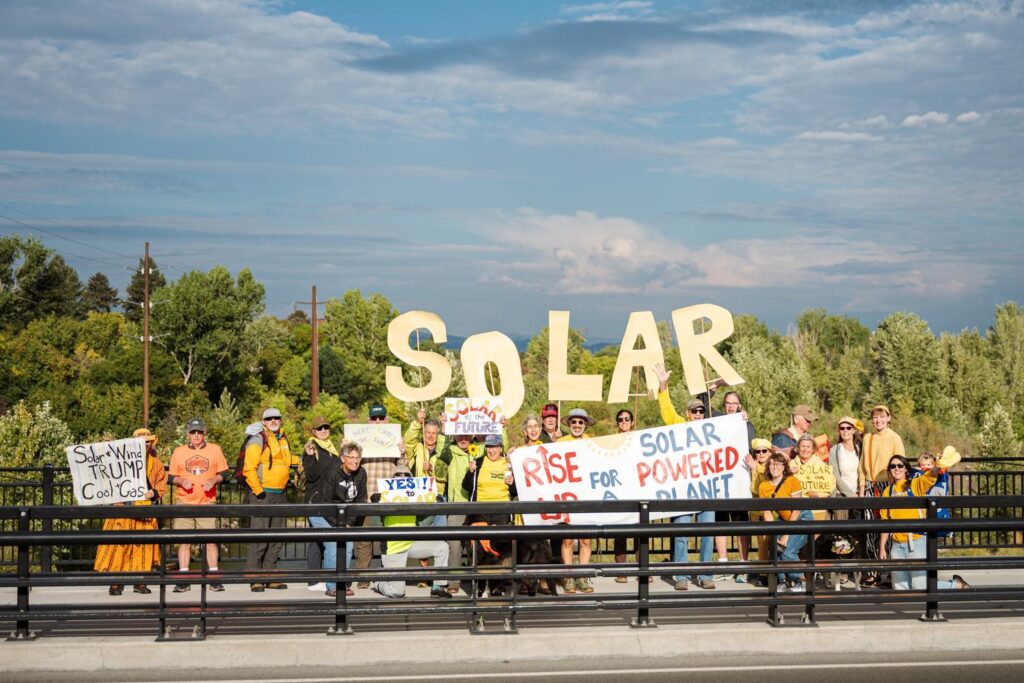
One of the central tenets of the POW Chapter Program is the belief that local advocacy offers a higher "return on investment" for the individual advocate than national campaigns. Organizers frequently cite the "micro-margin" nature of local politics.
"Rural electric coop elections are sometimes won or lost by eight votes," noted Leda, the Colorado organizer. This sentiment is echoed across the program: while national elections are often polarized and static, local decisions regarding land use, building codes, and utility rates are often decided by the few citizens who choose to show up. By providing training and resources, POW lowers the barrier to entry for these meetings, which can otherwise feel intimidating to the uninitiated.
Analysis of Broader Impact and Future Outlook
The broader implication of the POW Chapter Program is the creation of a scalable model for "civic fitness." By framing advocacy as a skill similar to the sports their members practice, POW is fostering a culture where political participation is seen as a natural extension of an outdoor lifestyle.
Looking ahead to the upcoming midterm and local election cycles, the chapters are shifting their focus toward voter turnout and candidate education. In Nevada’s 3rd Congressional District (CD3) and New Hampshire’s 1st Congressional District (CD1), chapters are mobilizing to ensure that climate remains a top-tier issue for voters. The goal is to create a "ripple effect" where local wins provide the political cover and momentum necessary for state and federal representatives to take bolder action on climate legislation.
As the effects of climate change become more pronounced, the role of grassroots networks like POW’s Chapter Program will likely become more central to the environmental movement. By grounding their work in the specific landscapes and economies of the regions they serve, these organizers are proving that the most effective way to protect the "winter" may be to start with the town council. Through a combination of storytelling, data-driven advocacy, and community mobilization, Protect Our Winters is redefining what it means to be an advocate in the 21st century, ensuring that those who play in the outdoors are also the ones fighting to preserve them.
