

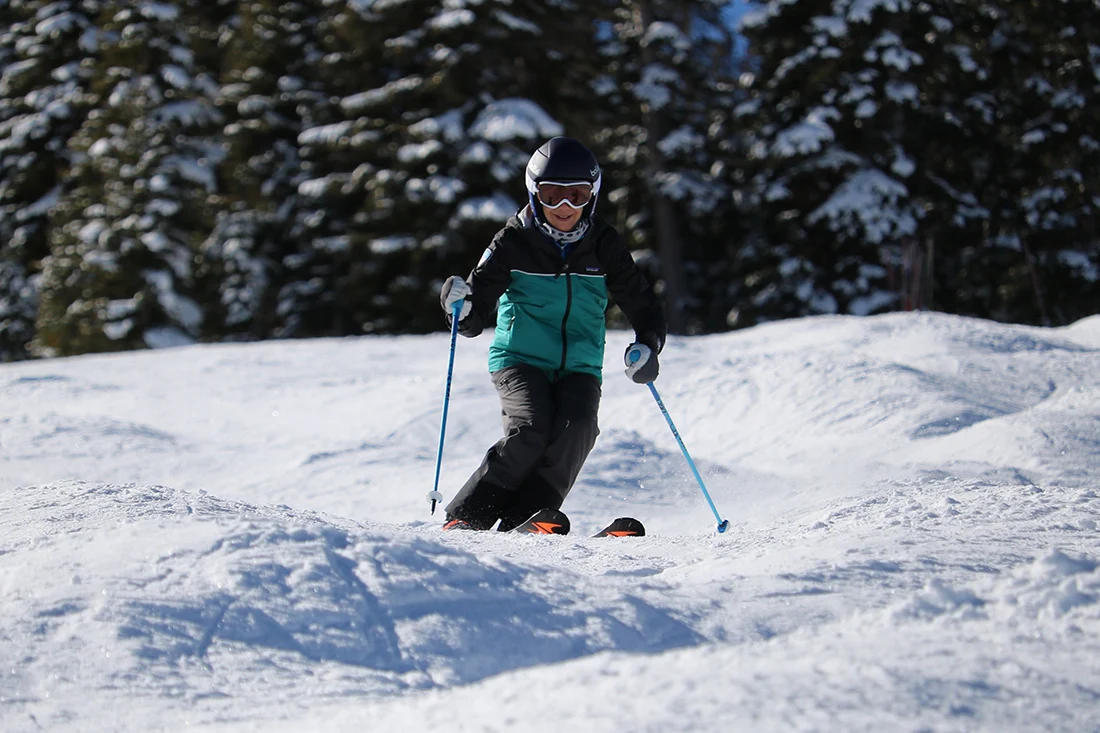
"I like to follow [my students] and copy their movements to understand what they are doing." This insightful observation, shared on a PSIA-AASI social media platform, encapsulates a pedagogical approach known as mirroring, a practice increasingly recognized as a best practice in teaching and learning across various disciplines, including snowsports. Mirroring, defined as intentionally replicating another’s actions to foster understanding, is not merely an imitation but a sophisticated cognitive and social strategy with deep evolutionary roots and profound implications for skill acquisition and interpersonal connection.
The Foundational Science of Understanding: Mirroring’s Deep Roots
The human capacity to learn through observation and imitation is a cornerstone of our intellectual and social development, tracing back millions of years. This fundamental ability is underpinned by several key evolutionary and neurological mechanisms.
-
Motor Resonance and Evolutionary Survival: The most basic form, motor resonance, is the ability to instinctively match observed actions. This capacity, evolving over 100 million years ago, is prevalent across many vertebrate species. Examples abound in the animal kingdom: wolf packs synchronize their speed, turns, and stops during a hunt, demonstrating a shared motor understanding crucial for coordinated action; young songbirds meticulously reproduce the complex melodies of their parents, a critical skill for mating and territorial defense. This foundational capability suggests that learning by copying is deeply ingrained as an evolutionary survival strategy, allowing for efficient transmission of vital skills and behaviors within a species.
-
Observational Learning and Primate Sophistication: Among primates, this capacity for learning gained significant sophistication tens of millions of years ago, evolving into observational learning. This involves not just simple imitation but understanding the goal behind an action. Chimpanzees learn complex tool use, such as "termite fishing" with specialized sticks, by watching elders. Bonobos engage in elaborate chasing games and social greetings, internalizing intricate social cues and behaviors through observation. This level of learning underscores the development of more complex cognitive processes beyond mere reflex.
-
Intentional Teaching and the Genus Homo: The pinnacle of this evolutionary trajectory is intentional teaching, a hallmark likely unique to our genus, Homo. The production of intricate stone tools, such as Acheulean handaxes, required a level of precision and sequential steps that could not be reliably acquired through observation alone. Archaeological evidence suggests that purposeful demonstration, guided practice, and direct instruction were essential for transmitting these complex skills across generations. This marks a critical juncture where active teaching, rather than passive observation, became a driving force in human technological and cultural evolution.
-
Modern Psychological Frameworks: These ancient evolutionary mechanisms find resonance in modern psychological theories. Albert Bandura’s Social Learning Theory, for instance, posits that learning occurs within a social context through observing, imitating, and modeling others’ behavior. Bandura’s work, particularly his research on observational learning and self-efficacy, aligns seamlessly with the concept of mirroring, demonstrating how individuals acquire new behaviors, attitudes, and emotional reactions by watching and interacting with others. The effectiveness of mirroring in teaching can thus be viewed as a contemporary application of these deeply embedded human psychological capacities, grounded in ancient survival strategies. Neuroscientific discoveries, particularly the identification of "mirror neurons" in the brains of primates and humans, further illuminate this process, showing specific neural circuits that activate both when an individual performs an action and when they observe someone else performing the same action, creating a direct neural link for empathy and understanding.
Interski 2023: A Global Stage for Pedagogical Innovation
The practical application and profound impact of mirroring were vividly demonstrated at Interski 2023, held in Levi, Finland. Interski, a quadrennial event organized by the International Ski Instructors Association (ISIA), is the premier global forum for snowsports education. It brings together national demonstration teams and instructors from over 30 countries to share the latest advancements in teaching methodologies, technical trends, and educational research. Far from a mere competition, Interski is a collaborative crucible where the world’s leading snowsports educators converge to push the boundaries of instruction. The event serves as a critical platform for cross-cultural exchange, fostering a global standard of excellence and innovation in ski and snowboard teaching.
At Interski 2023, Angelo Ross, reporting for the Eastern Alpine and Children’s Examiner, had the opportunity to attend two sessions presented by the Czech Republic National Team, focusing on brain-based learning. This educational philosophy consciously aligns instructional strategies with current neuroscience research, optimizing how the brain receives, processes, and retains information. The Czech team’s sessions provided a compelling, experiential demonstration of mirroring’s power.
The On-Snow Experiment: From Awkward Silence to Deep Connection
The on-snow session began with a diverse group of approximately 40 international instructors forming a large circle. The initial instruction was deceptively simple: find a partner through eye contact alone, without speaking. An initial wave of uncomfortable silence and darting eyes soon gave way to mutual acknowledgment. Within a minute, participants had locked eyes, signaled their connection through subtle non-verbal cues, and slid together to form partnerships. This initial, wordless interaction immediately underscored the power of non-verbal communication and the innate human drive to connect.
Ross found himself partnered with Angela Cesnik from the Australian National Team (APSI). After a brief, shared chuckle over their similar first names, they received the next instruction: stand face-to-face, about two feet apart, and again, without speaking, decide who would lead an upcoming, unknown activity. Through unspoken negotiation, Angela intuitively assumed the role of leader.
Leaders were then instructed to spend 60 seconds miming their morning bathroom routine. Followers were tasked with reproducing these movements exactly, acting as a "reflection" in their partner’s mirror. This reflective mirroring required precise coordination of opposite limbs and directions: if Angela "brushed her teeth" with her right hand, Ross had to use his left; if she turned to her left, he turned to his right. The scene, with 40 strangers emulating private morning rituals—from applying deodorant to wiping sleepy eyes—was undeniably comical. Yet, amidst the giggles and the private decisions about how "personal" to make the mime, a palpable sense of connection emerged. This exercise, often a dreaded "icebreaker," quickly forged trust and empathy between individuals from vastly different cultures and backgrounds. After one round, partners switched roles, deepening the shared experience.
Ross reflected on the profound impact: "Angela and I had never met and, almost literally, live in locations exactly opposite each other on Planet Earth. However, within a minute, we selected each other as partners, determined who would lead and who would follow, and gained superficial insights into some personal details about each other, all through eye contact and copying each other. I loathe icebreakers, but this was already a pretty cool clinic."
Tandem Mirroring and Technical Insights
The next phase moved to the snow, transitioning from reflective mirroring to tandem mirroring. Partners skied in the same direction, with the original leader making predictable, medium-radius turns. The follower skied closely behind, meticulously positioning their limbs, poles, helmet, and skis to precisely mimic the leader’s movements. At a predetermined stopping point, the follower described how mirroring the leader altered their technical performance, identifying specific insights gained from adopting a different movement pattern. The roles then reversed, allowing both partners to experience leading and following.
During the subsequent lift ride, Ross and Cesnik engaged in a deeper discussion, exploring similarities and differences in their skiing techniques, the impacts on their individual performance, the instructional values of APSI and PSIA-AASI, and even broader global politics. This high-impact experience, compressed into a short timeframe, demonstrated mirroring’s ability to facilitate not only technical learning but also profound interpersonal connection and cross-cultural dialogue.
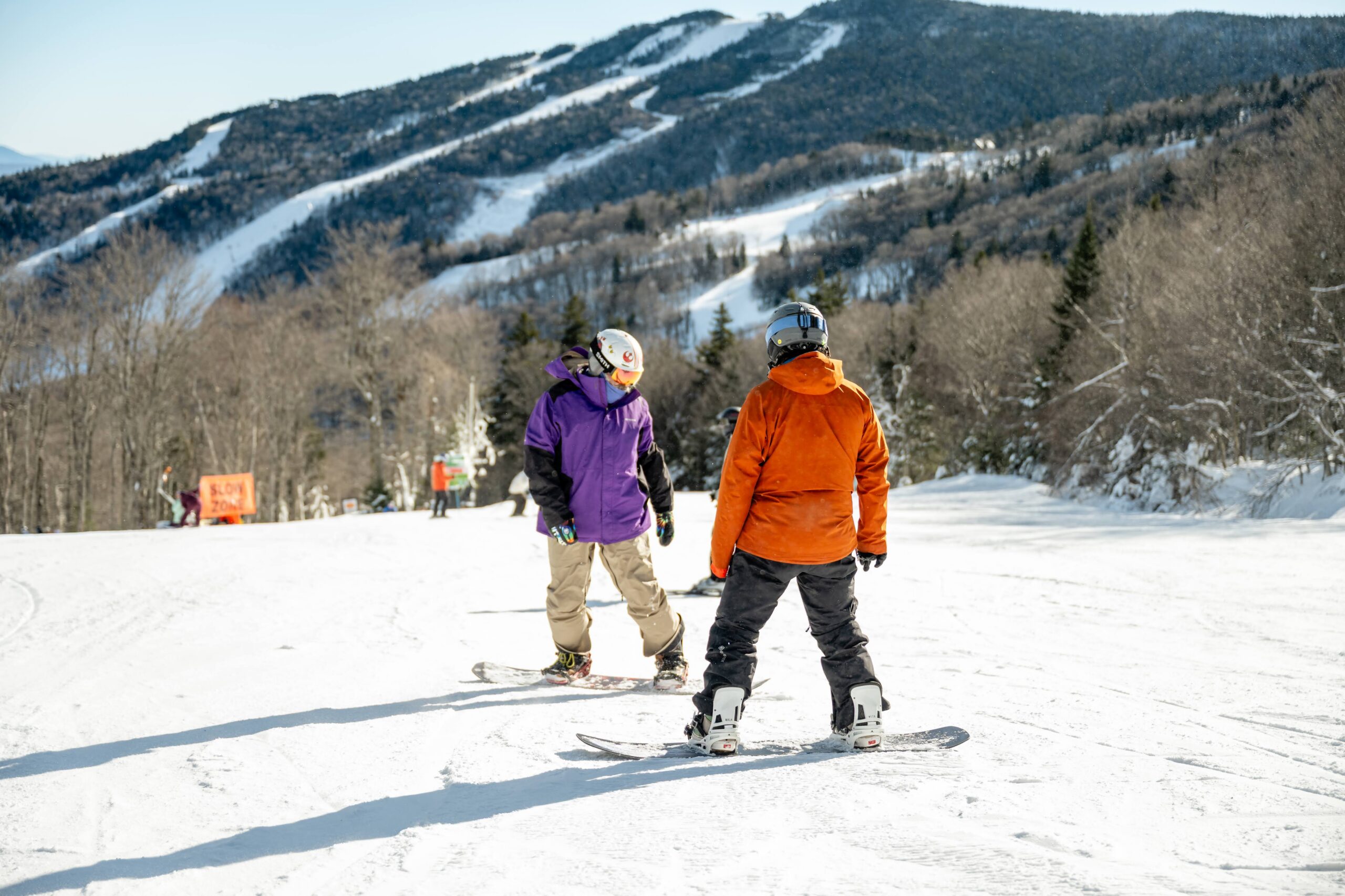
The corresponding afternoon indoor session provided the scientific underpinning for the morning’s activities. Czech researchers meticulously explained the brain-based science behind their approach, detailing how mirroring demonstrably facilitates trust, empathy, and understanding—all critical components of effective teaching and learning. The experience left a lasting impression on attendees, reinforcing the validity of ancient human behaviors through modern neuroscientific evidence.
Pioneering Practice: Ellen Post Foster’s Enduring Legacy
While the scientific underpinnings of mirroring are increasingly understood, its practical application has long been recognized by master instructors. One such luminary in American skiing is Ellen Post Foster, whose impact on the sport and the Professional Ski Instructors of America and American Association of Snowboard Instructors (PSIA-AASI) is immeasurable. Her illustrious career includes being the 1973 Junior National Champion of Exhibition Skiing, a champion in international freestyle competition in 1975 (aerials, ballet, moguls, and combined), an alumna of the 1980 and 1984 PSIA National Demonstration Teams, a Class of 2016 U.S. Ski & Snowboard Hall of Famer, and a 2021 Colorado Snowsports Museum Hall of Famer. Beyond her athletic achievements, Foster is a prolific snowsports author and a foundational figure in shaping modern instructional methodologies.
Ross recounts a memorable experience skiing with Foster: "Often, while skiing with Ellen, she will disappear. She’s small, rigged for silent running, and has exceedingly nimble touch. I don’t think she’s ever damaged a snowflake in her life. One of the first times I skied with her, I could see her in my periphery and then I couldn’t. When she reappeared at the lift, I told her I thought we had gotten separated. She informed me she had been behind me, following so she could understand my skiing." Foster then respectfully asked for permission to share her observations and offer feedback—a request Ross immediately accepted, recognizing the immense value of her insight.
This anecdote perfectly illustrates Foster’s intuitive understanding of mirroring as a diagnostic and empathic tool. As a co-author of PSIA-AASI’s current Teaching Snowsports Manual, Foster has ensured that the value of following students to understand their movements and perspectives is explicitly highlighted as a core teaching skill, solidifying its place in the association’s pedagogical framework. Her legacy underscores that while scientific validation is valuable, the wisdom of experienced educators often anticipates formal research findings.
Translating Theory to Practice: Post-Interski Implementations
Inspired by the Interski experience, Angelo Ross has actively incorporated mirroring into his instructional strategies, demonstrating its adaptability across various snowsports disciplines and educational contexts.
-
Rocky Mountain Telemark Education Staff Training: In November following Interski, Ross implemented a modified version of the Czech team’s approach during a staff training session. The program began with an indoor session designed to foster rapid connection and trust between paired partners, mirroring the initial Interski icebreaker. This foundational connection then transitioned to an outdoor session where partners engaged in careful observation and provided honest, constructive feedback while mirroring each other’s movements. This sequence effectively replicated the progression from empathy building to technical analysis seen in Levi.
-
National Ski Patrol’s Outdoor Emergency Transportation Conference: In December, Ross further adapted the on-snow mirroring concept for a group of National Ski Patrol leaders at Killington, Vermont. This application focused on facilitating partner observation and subsequent discussion about the applicability of various movement patterns in different, often challenging, circumstances pertinent to emergency transportation. This demonstrated mirroring’s utility beyond purely technical skill development, extending to tactical understanding and situational awareness.
Feedback from both sessions was overwhelmingly positive, consistently highlighting themes of "connecting quickly," "developing trust," and "deep learning." These qualitative responses underscore mirroring’s ability to accelerate rapport building, create a safe learning environment, and facilitate a more profound understanding of movement mechanics and their implications. The ease with which participants embraced and benefited from these mirroring exercises indicates its broad applicability and effectiveness in diverse adult learning environments.
The Broader Implications for Snowsports Education
The integration of mirroring as a conscious teaching and learning strategy holds significant implications for the future of snowsports education:
-
Enhanced Instructor Effectiveness: By actively mirroring students, instructors gain unparalleled insights into their students’ understanding, performance, and potential challenges. This empathetic approach allows instructors to tailor feedback more precisely, address root causes of movement patterns, and build stronger rapport, ultimately leading to more effective and personalized instruction.
-
Accelerated Student Learning and Skill Development: When students mirror their instructors, it fosters communication, builds trust, and directly enhances their understanding and skill acquisition. This kinesthetic learning method, supported by mirror neuron research, bypasses purely verbal instruction, allowing for more intuitive and rapid internalization of desired movements.
-
Fostering a Culture of Collaborative Learning: Mirroring among peers, especially in synchronized skiing or riding activities, transforms individual practice into a collaborative exploration. It provides immediate, visual feedback on varied movement patterns, sharpening observational skills and broadening technical understanding. This collaborative environment actively challenges the "one-right-way" mentality that can sometimes permeate traditional instruction, encouraging adaptability and appreciation for diverse styles.
-
Increased Engagement and Camaraderie: Incorporating mirroring into common "Follow Me" activities can significantly boost student interest and engagement. By taking turns leading and mirroring, students become active participants in their learning journey, developing ownership and a sense of shared accomplishment. This naturally develops into fun games, creative explorations of movement, and experiments, all of which are recognized best practices in teaching and learning, and align directly with PSIA-AASI’s core fundamentals.
-
Alignment with Modern Pedagogical Trends: Mirroring aligns perfectly with contemporary educational trends emphasizing experiential learning, constructivism, and the development of social-emotional skills alongside cognitive and motor skills. Its ability to build empathy, trust, and connection addresses the holistic needs of learners, creating more supportive and productive learning environments.
In conclusion, mirroring is far more than a simple trick; it is a time-tested, research-backed, and evolutionarily ingrained strategy that forms part of the very fabric of human learning. From the ancient origins of motor resonance to the sophisticated brain-based learning techniques showcased at Interski 2023, its power to foster understanding, build trust, and accelerate skill development is undeniable. By consciously integrating mirroring into instructional practices, snowsports educators can empower themselves and their students to continually evolve their understanding, refine their performance, and enrich the shared experience of learning and teaching on the snow.
