

The Environmental Protection Agency (EPA), an institution established in 1970 under the Nixon administration with a clear mandate to protect human health and the environment, is currently undergoing a fundamental transformation of its regulatory framework. This shift, characterized by a series of methodically executed rollbacks, has seen the rescission of foundational scientific findings and the weakening of long-standing protections established under the Clean Air Act and the Clean Water Act. While proponents of these changes argue they reduce the "regulatory burden" on American industry and stimulate economic growth, environmental scientists, public health advocates, and stakeholders in the outdoor recreation economy warn of catastrophic long-term consequences. The current trajectory represents a departure from decades of science-based governance, moving toward a model that prioritizes industrial deregulation over the mitigation of climate change and toxic pollution.
The Legal and Scientific Foundation: The Endangerment Finding
At the heart of the recent regulatory shifts is the rescission of the Endangerment Finding. Originally issued in 2009 following the landmark Supreme Court case Massachusetts v. EPA (2007), the finding established that greenhouse gases (GHGs) in the atmosphere—including carbon dioxide and methane—threaten the public health and welfare of current and future generations. This legal determination served as the "backbone" of the EPA’s authority to regulate emissions from vehicles, power plants, and industrial facilities.
By overturning this finding, the agency has effectively removed the federal obligation to address climate pollution. Without the Endangerment Finding, the legal mechanism that mandates the EPA to act on climate change is severed. This move occurs as global temperatures continue to rise, with the Intergovernmental Panel on Climate Change (IPCC) warning that the window to remain below the 1.5°C warming threshold is rapidly closing. The removal of this finding creates a legal vacuum, potentially toppling nearly all federal climate protections and leaving the United States without a centralized strategy for emissions reduction.
A Chronology of Deregulatory Actions
The dismantling of environmental protections has not occurred in isolation but through a series of calculated administrative actions. Over the past 12 to 18 months, the EPA has moved to weaken or eliminate dozens of rules designed to curb pollution and protect ecosystems.
- Greenhouse Gas and Vehicle Standards: The agency has rolled back stringent emissions standards for passenger vehicles and heavy-duty trucks. Simultaneously, it has eliminated the use of the "Social Cost of Carbon," a metric used to calculate the long-term economic damage caused by a ton of carbon dioxide emissions.
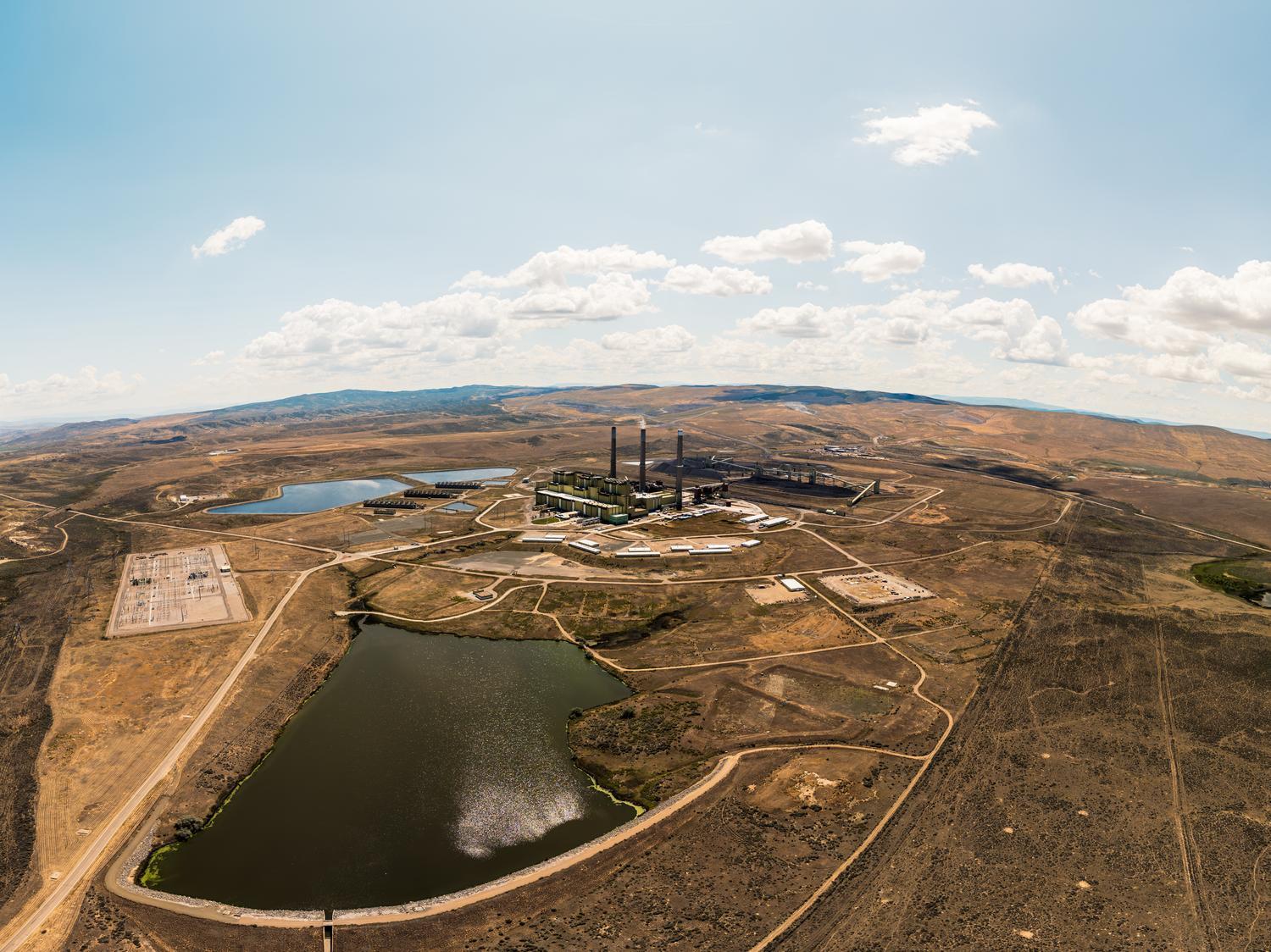
- The Mercury and Air Toxics Standards (MATS): The EPA has weakened limits on mercury, arsenic, lead, and other toxic pollutants emitted by coal-fired power plants. Mercury is a potent neurotoxin that bioaccumulates in the food chain, particularly in fish, posing significant risks to fetal development and children’s health.
- Water Quality and Wetlands: The definition of "Waters of the United States" (WOTUS) has been significantly narrowed. This redefinition excludes many ephemeral streams and millions of acres of wetlands from federal protection, allowing for increased industrial runoff and development in ecologically sensitive areas.
- Cross-State Air Pollution: The "Good Neighbor" rule, which prevents upwind states from polluting the air of downwind states, has been weakened, complicating efforts for states like New York and Connecticut to meet federal air quality standards due to emissions from Midwestern coal plants.
Public Health Implications and Toxic Pollution
The relaxation of pollution standards has immediate and measurable impacts on public health. According to the American Lung Association, nearly 40% of Americans live in areas with unhealthy levels of ozone or particle pollution. The rollback of the MATS rule and the weakening of ozone (smog) standards are expected to exacerbate these figures.
The medical community has long linked exposure to particulate matter and sulfur dioxide to increased rates of asthma, chronic obstructive pulmonary disease (COPD), and cardiovascular disease. Furthermore, the EPA’s decision to allow older coal plants to bypass air quality standards and grant exemptions for wastewater discharge limits increases the risk of heavy metal contamination in local water supplies. These pollutants do not disappear; they settle into the soil and water, leading to lasting ecosystem damage that can take decades to remediate.
The Economic Impact on the Outdoor Recreation Industry
While deregulation is often framed as a boon for the economy, it poses a direct threat to the $1.1 trillion outdoor recreation sector. This "Outdoor State" represents 181 million Americans who engage in activities such as skiing, hiking, fishing, and hunting. The industry supports over 5 million jobs and contributes approximately 2.2% to the national GDP.
The economic stability of this sector is intrinsically tied to a stable climate and clean natural resources.
- Snowpack Loss: In states like Vermont, snow days have decreased by 22% over the last 20 years, threatening the multi-billion dollar ski industry.
- Wildfire and Air Quality: Increasing wildfire frequency, fueled by a warming climate, has led to frequent closures of National Parks and outdoor venues. In cities like Denver and Salt Lake City, high-smog days have led to the cancellation of outdoor events, resulting in significant revenue losses for local businesses.
- Water Scarcity: Droughts and the degradation of waterways affect the fishing and boating industries, which are major economic drivers in the Great Lakes region and the American West.
The Erosion of Scientific Integrity and Enforcement
A critical component of the EPA’s recent transformation is the systemic sidelining of independent science. Scientific advisory boards, which once consisted of leading academic researchers, have been restructured to include industry-affiliated personnel and climate change skeptics.
Furthermore, the agency has seen a dramatic reduction in its enforcement capabilities:
- Budgetary Cuts: Proposals have aimed to cut the EPA’s budget by upwards of 50%, which would necessitate massive staff reductions and the loss of institutional expertise.
- Enforcement Discretion: The agency has expanded the use of "enforcement discretion," a policy that allows polluters to avoid penalties if they claim that compliance is difficult or if they self-report violations.
- Data Accessibility: The removal of EJScreen—a key mapping tool used to identify communities disproportionately burdened by pollution—has hindered the efforts of environmental justice advocates.
When the agency tasked with holding polluters accountable reduces inspections and cuts penalties, the burden of pollution is shifted from the corporation to the taxpayer and the local community.
Official Responses and Stakeholder Perspectives
The reaction to these changes has been polarized. Industry groups, such as the American Fuel & Petrochemical Manufacturers (AFPM) and various coal advocacy organizations, have praised the rollbacks. They argue that the previous regulations were "regulatory overreach" that stifled American energy independence and placed domestic manufacturers at a competitive disadvantage globally.
Conversely, environmental advocacy groups, including Protect Our Winters (POW) and its sister organization, the POW Action Fund, have intensified their efforts to hold lawmakers accountable. These organizations argue that the EPA was never intended to be a "friend of industry" but a regulator of it. They emphasize that the current path ignores the reality of climate science and the economic necessity of preserving the environment.
The scientific community has also expressed alarm. In various open letters and testimonies before Congress, researchers have noted that ignoring the Endangerment Finding does not change the physical reality of atmospheric warming. They warn that the "deregulatory agenda" will lead to an increase in extreme weather events, which already cost the U.S. economy billions of dollars annually in disaster relief and infrastructure repair.
Broader Implications and the Path Forward
The systematic dismantling of the EPA’s core functions represents a shift in the American approach to the "tragedy of the commons." By prioritizing short-term industrial gains over long-term environmental stability, the current policy framework risks irreversible damage to the nation’s natural resources and public health.
The international implications are equally significant. As the world’s second-largest emitter of greenhouse gases, the United States’ retreat from climate leadership undermines global efforts like the Paris Agreement. This creates a diplomatic vacuum and reduces the pressure on other major emitters to meet their own reduction targets.
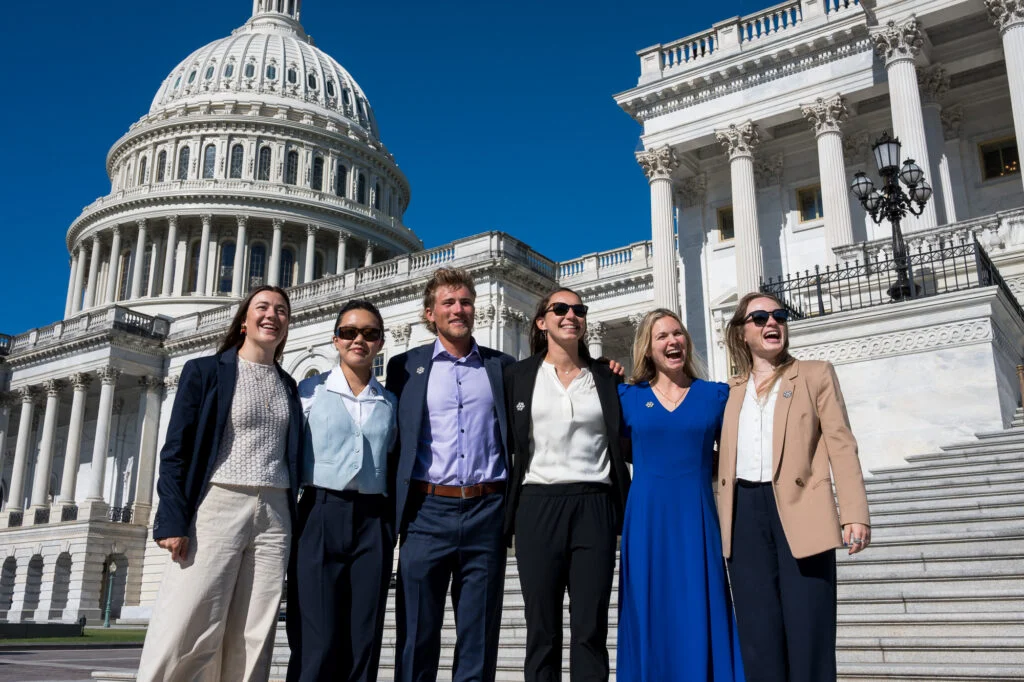
Restoring the EPA’s mandate will require a combination of legislative action, judicial challenges, and sustained public pressure. Later this month, advocates from across the outdoor industry and the scientific community are expected to convene in Washington, D.C., to meet with lawmakers. Their goal is to advocate for the reinstatement of science-based standards and to ensure that the EPA upholds its primary responsibility: protecting the air, water, and future of all Americans.
Summary of Major Deregulatory Actions
- Rescission of the Endangerment Finding: Eliminates the legal basis for GHG regulation.
- Power Plant Rollbacks: Weakens CO2 and toxic emission limits for coal and gas plants.
- Vehicle Emissions: Reduction in fuel efficiency and tailpipe emission requirements.
- WOTUS Redefinition: Removes federal protection for millions of acres of wetlands.
- MATS Revision: Decreases oversight of mercury and arsenic emissions.
- Budget and Staffing: Significant cuts to research arms and enforcement personnel.
- Environmental Justice: Elimination of the Office of Environmental Justice and associated mapping tools.
The outcome of this regulatory overhaul will likely be litigated in federal courts for years to come. However, for the communities currently facing increased pollution and the industries dependent on a stable climate, the impacts are already being felt. The transition from an agency of protection to one of deregulation marks a pivotal moment in American environmental history, the consequences of which will be borne by generations to come.
