

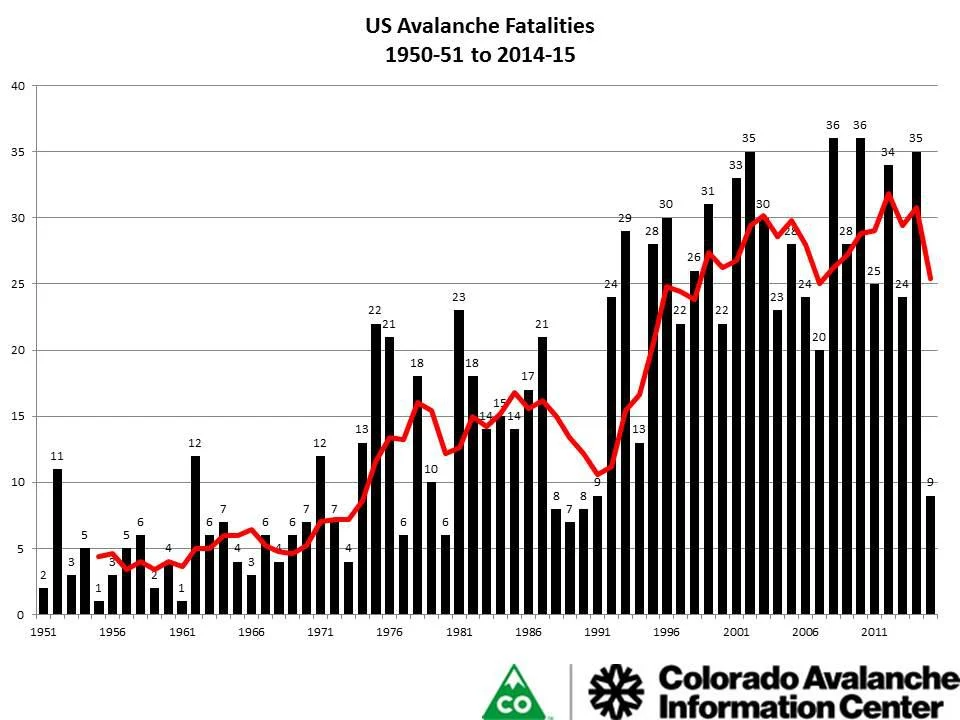
The 2014-2015 avalanche season, officially concluding around April 30th, has concluded with a statistically significant and encouraging drop in fatalities, marking the fewest avalanche-related deaths recorded in the United States since 1991. While any loss of life in the backcountry is a tragedy, the nine recorded fatalities this season offer a moment for reflection on the factors contributing to this positive trend and the ongoing commitment to avalanche safety. This decline, though influenced by natural conditions, also underscores the vital role of educational initiatives and information dissemination by organizations such as the Forest Service avalanche centers and the Colorado Avalanche Information Center (CAIC).
A Season Defined by Unfavorable Snowpack and Warmer Temperatures
The primary driver behind the reduced number of avalanche fatalities this season appears to be directly linked to the prevailing snow conditions. Across large swaths of the Western United States, the 2014-2015 winter was characterized by a generally poor snow year. Many regions experienced below-average snowfall, and where snow did accumulate, it often lacked the depth and structure typically associated with high avalanche risk.
Furthermore, warmer temperatures were a recurring theme, particularly in inland mountainous areas. These unseasonseasonably warm spells played a crucial role in stabilizing snowpack. Warmer temperatures at the surface can lead to melt-freeze cycles, which can strengthen the snowpack by bonding layers together. Conversely, they can also create problematic weak layers if meltwater percolates down and refreezes, but in many instances this season, the overall warmth contributed to a less volatile snowpack. This combination of less abundant snowfall and warmer temperatures meant that for extended periods, the inherent avalanche danger remained low across many popular backcountry destinations.
This contrasts sharply with previous seasons where persistent weak layers, such as depth hoar or persistent slabs, formed and remained unstable for weeks or even months, posing a significant and prolonged threat to backcountry users. The absence of such widespread, persistent dangerous conditions this season inherently reduced the opportunities for fatal avalanches to occur.
The Enduring Impact of Avalanche Education and Information Dissemination
While natural conditions undoubtedly played a substantial role, it would be remiss to overlook the dedicated efforts of avalanche professionals and educators. Organizations like the Forest Service avalanche centers, operating in various mountain ranges across the country, and the Colorado Avalanche Information Center (CAIC) are at the forefront of providing critical avalanche information and education.
The CAIC, for instance, maintains a comprehensive US avalanche accident database, a resource invaluable for tracking trends, analyzing accident causes, and informing safety strategies. This database, compiled through the diligent work of individuals like Spencer Logan and the CAIC team, serves as the backbone for understanding avalanche fatalities. The graphic referenced in the original report, likely illustrating accident data, is a testament to their commitment to data collection and public access to this vital information.
These centers provide daily avalanche forecasts, detailed condition reports, and educational programs ranging from introductory awareness courses to advanced avalanche rescue techniques. In a season where natural conditions might have otherwise lulled some into a false sense of security, the consistent messaging from these organizations likely served as a crucial reminder for backcountry enthusiasts to remain vigilant, assess conditions, and make informed decisions.
The CAIC’s proactive approach, including detailed daily forecasts, social media updates, and public advisions, is designed to reach a broad audience of skiers, snowboarders, snowmobilers, and other winter recreationists. By making this information readily accessible through websites, apps, and local outreach, they empower individuals to take responsibility for their own safety in avalanche terrain. The reduction in fatalities this year suggests that these efforts are resonating, leading to more cautious and informed decision-making in the backcountry.
Long-Term Trends Offer a More Nuanced Perspective
Looking beyond the single season, a broader perspective on avalanche fatalities reveals a more complex but still encouraging trend. While the 2014-2015 season stands out for its low number of deaths, the past 15 years have witnessed a significant surge in backcountry use. This dramatic increase in participation, driven by factors such as the growing popularity of backcountry skiing and snowboarding, the desire for untracked powder, and the increasing accessibility of mountain regions, would logically be expected to correlate with a rise in avalanche incidents.
However, data indicates that while backcountry use has indeed skyrocketed, the 5-year moving average for avalanche fatalities has remained relatively stable, fluctuating between approximately 25 and 30 deaths per year. This stability, in the face of a dramatically larger user base, is a powerful indicator of the effectiveness of ongoing avalanche safety initiatives. It suggests that as more people venture into avalanche terrain, a greater proportion of them are equipped with the knowledge and awareness necessary to mitigate risks.
This trend implies a maturing of the backcountry community’s approach to safety. It suggests that avalanche education is not only reaching more people but is also being internalized and applied in practice. The development of more sophisticated forecasting models, the proliferation of readily available educational resources, and the increasing adoption of essential safety gear like transceivers, probes, and shovels, have all likely contributed to this stabilizing trend.
Analyzing the Implications: What Does This Mean for the Future?
The low fatality count of the 2014-2015 season, while welcome, should not be interpreted as an end to the inherent risks associated with winter travel in mountainous terrain. The influencing factors—poor snowpack and warmer temperatures—are largely natural phenomena that can vary significantly from year to year. Future seasons may bring a return to more typical winter conditions, with deeper snowpacks and more persistent dangerous avalanche problems.
The true success of this season lies in the combination of favorable natural conditions and sustained, effective safety efforts. This highlights a crucial dichotomy: while nature can present challenges or opportunities, human behavior and preparedness remain paramount in mitigating risk.
The sustained 5-year moving average, despite increased participation, offers a strong argument for continued investment in avalanche education and forecasting. As more individuals enter the backcountry, the need for accessible, high-quality information and training becomes even more critical. The Forest Service avalanche centers and the CAIC, along with numerous other non-profit organizations and private entities, play an indispensable role in this ecosystem of safety.
Looking Ahead: A Call for Continued Vigilance
The 2014-2015 avalanche season serves as a compelling case study. It demonstrates that while natural conditions can influence avalanche risk, proactive and comprehensive safety measures can help to stabilize and even reduce fatalities, even as participation in backcountry activities grows.
The data from this season and the longer-term trends provide valuable insights for policymakers, avalanche safety organizations, and the backcountry community. Continued support for avalanche centers, robust funding for educational programs, and a commitment to ongoing research into avalanche dynamics are essential for maintaining and improving safety in the future.
As the calendar turns and the focus shifts to the coming winter, the lessons learned from this season should serve as a powerful reminder: preparedness, knowledge, and a healthy respect for the mountains are the most effective tools for ensuring a safe and enjoyable experience in the backcountry. The goal remains a future where every individual venturing into avalanche terrain is equipped to make informed decisions, thereby minimizing the tragic consequences of avalanche accidents. The 2014-2015 season offers a beacon of hope, underscoring the possibility of a future with even fewer such incidents, achieved through a synergistic approach of understanding nature and empowering people.
