

The "Ski the South" leg of your Scribe’s ambitious tour, aiming to carve turns in 19 different states, has officially concluded. While this chapter closes, the overarching quest to conquer diverse ski terrains across the nation continues. The recent leg of the journey, a substantial 500-mile trek from Dallas to Clayton, New Mexico, marked a significant transition, not just geographically but also in terms of altitude. Clayton, situated at a formidable 6,600 feet above sea level, served as the gateway to the higher elevations of the Rocky Mountains, initiating the necessary acclimatization process for this Vermont-accustomed skier. It was here, during a refueling stop on the 23rd leg of his expedition, that the Scribe encountered a unique piece of local artistry: a classic bungalow transformed into an Airbnb and residence for a pair of artists. The property boasted an eye-catching ski fence, a testament to its theme, and an intricate mosaic of thousands of interlaced bottle caps adorning its exterior. Intriguingly, the Scribe learned from one of the artists that neither she nor her partner were skiers; their motivation for the ski-themed fence stemmed purely from an appreciation for its aesthetic appeal. This whimsical encounter offered a poignant reminder of the diverse interpretations and expressions of winter sports culture.

The Stark Reality of a Low-Snow Winter in the Rockies
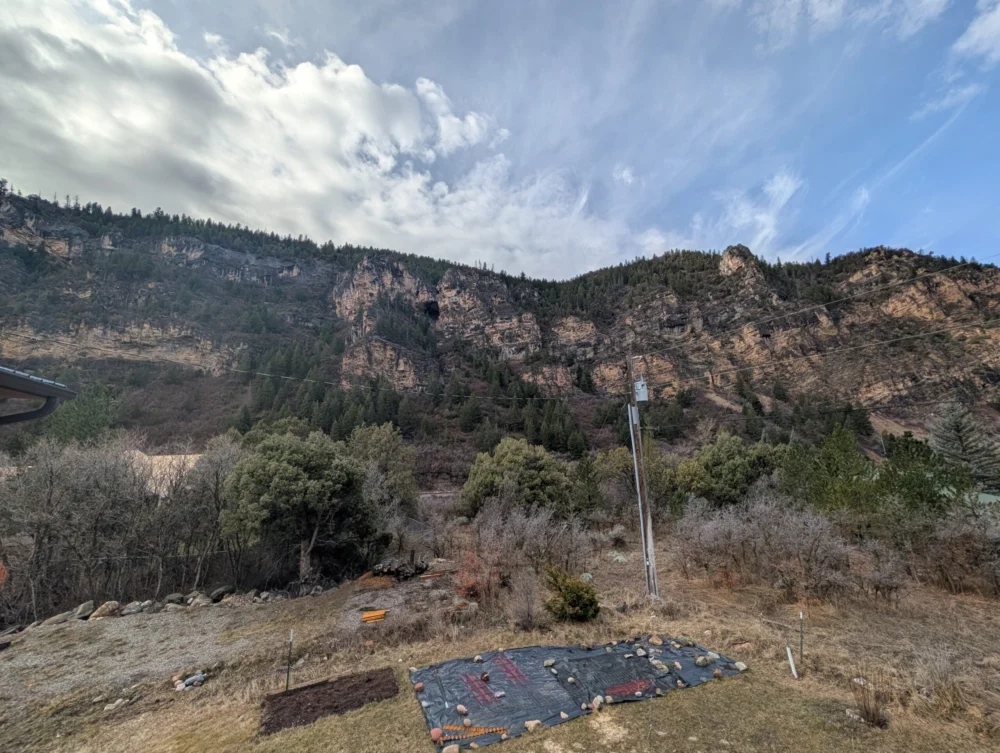
The subsequent day’s journey from Clayton to Denver presented a starker picture, confirming the unsettling reports of diminished snowfall that had been circulating from the Rocky Mountain region back to Northern New England. This 300-mile drive into Colorado served as a prelude to what awaited the Scribe upon arrival at the state’s renowned ski resorts. The anticipation of reuniting with his wife, Jane, who had opted out of the more adventurous ski tour but was eager for a few days of skiing at Vail, Beaver Creek, and Aspen, provided a personal motivation for the arduous drive. However, the visual evidence along the route painted a somber landscape. As the Colorado ski resorts came into view, it became apparent that the conditions mirrored those experienced in the southern ski areas: the vast majority of the skiing and riding would likely depend on meticulously crafted machine-made snow. This situation underscored a broader trend impacting the Western United States during the winter season, prompting concerns about the economic viability of ski resorts heavily reliant on natural snowfall and the ecological implications of extensive snowmaking operations.
Denver was eventually reached, facilitating the long-awaited reunion with Jane. A brief respite was taken to visit Jane’s sister, Ann, and her husband, Richard. Following this familial interlude, the Scribe and Jane embarked on a late-afternoon departure for an overnight stop in Dillon. This town lies strategically along the infamous Interstate 70 corridor, a vital artery that funnels hundreds of thousands of skiers annually from Denver into the heart of Colorado’s ski country, encompassing destinations like Loveland, Copper Mountain, Breckenridge, Keystone, Arapahoe Basin, and the prominent resorts of Vail and Beaver Creek. The journey culminated with the duo settling into their pre-arranged condo in West Vail, marking the transition from the open road to the eagerly anticipated embrace of the ski slopes. The challenge of low snow notwithstanding, the promise of enjoyable times ahead remained palpable.

Unveiling the "White Room" in Vail’s Game Creek Bowl
The immediate priority upon settling into Vail was a day of skiing at the renowned resort. As they drove into town, the scarcity of natural snow on the surrounding mountains was undeniable. However, the inherent resilience of a resort like Vail, with its extensive infrastructure, soon became apparent. The resort boasts hundreds of acres of trails meticulously maintained through advanced snowmaking technology, ensuring a plethora of options for the Scribe and Jane to craft their downhill routes. This extensive snowmaking capability, while a testament to operational ingenuity, also highlighted the increasing reliance of major ski destinations on artificial snow production to maintain viable ski seasons, a practice that carries significant energy and water consumption implications.
Amidst the prevailing narrative of a dismal snow year, which had cast a pall of despair over local ski enthusiasts, the Scribe and Jane arrived to find a fortunate turn of events. The resort had experienced a modest, yet significant, snowfall in the preceding two days: two inches on the first day, followed by an additional three inches overnight. Acting on the recommendation of a well-informed local contact, they targeted Game Creek Bowl as their primary destination. This proved to be an astute choice. Vail offers an almost infinite variety of cruising runs, and the initial descent into Game Creek was characterized by soft, forgiving snow.

This initial run was followed by four more, each traversing progressively steeper trails. Across these descents, a consistent 3-5 inches of fresh snow cover was encountered. The conditions were such that it was relatively easy to find semi-tracked snow, with occasional patches of pristine, untracked powder offering moments of pure exhilaration. The physical exertion of five runs at high altitude proved taxing for the eastern skiers, but a well-deserved lunch and some sun-basking served to rejuvenate "Team Scribe." This experience underscored the adaptability of both the resorts and the skiers themselves in the face of challenging snow conditions, demonstrating that even modest natural snowfall can significantly enhance the on-mountain experience when combined with effective snow management.
A Toast to the Enduring Legacy of the 10th Mountain Division
The day in Vail, despite the overarching low-snow narrative, had unfolded exceptionally well, culminating in what many would consider a perfect powder day. The ideal way to celebrate such an occasion, the Scribe reasoned, was to seek out a convivial establishment for sustenance and reflection. The Westside Cafe, located a mere half-mile from their condo and identified through Jane’s diligent research, emerged as the ideal venue to cap off a highly satisfying opening day. While the Scribe typically favors beer, and even then, in moderation, Jane expressed surprise when he deviated from his usual preference to order a mixed drink: a "10th Mountain Division Bourbon Smash." This choice, out of character for him, was driven by a poignant connection. The road leading to the ski resort in Stowe, Vermont, where the Scribe has been skiing since 1952, is designated as the 10th Mountain Division Highway. This shared historical thread between Stowe and Vail, acknowledging the pivotal role of the 10th Mountain Division in the early development of American skiing, particularly in challenging terrains, resonated deeply.

As the order was placed with Alicia, a particularly charming waitress, the Scribe learned that the cocktail featured a locally distilled whiskey from the 10th Mountain Whiskey and Spirit Company, a distillery based in nearby Gypsum with a retail presence in Vail. Fortuitously, the owner, Ryan Thompson, was present at the cafe with members of his distilling crew. Seizing the opportunity, the Scribe made his way over to introduce himself. Ryan proved to be an exceptionally amiable individual, expressing genuine delight at meeting someone from Stowe and acknowledging the historical significance of the mountain troops in the nascent stages of both Vermont and Colorado skiing. As a gesture of camaraderie, he presented the Scribe with a souvenir bottle topper, a fitting accompaniment to a bottle of Ryan’s whiskey already anticipated in Waterbury Center, Vermont. This encounter served as a powerful reminder of the deep-rooted connections between military history, the pioneering spirit of skiing, and the contemporary craft beverage industry. The legacy of the 10th Mountain Division, forged in the crucible of World War II, continues to inspire and connect communities through shared heritage and local enterprise.
The next destination on this evolving ski itinerary is Beaver Creek, promising further adventures and the continued pursuit of the elusive "white room" in the heart of the Rocky Mountains. The journey, characterized by unexpected artistic encounters, stark environmental realities, and serendipitous historical connections, continues to unfold, proving that even in a season of low natural snowfall, the spirit of skiing and the pursuit of unique experiences remain undimmed. The Scribe’s quest, while challenging, is rich with the stories and traditions that define the enduring allure of winter sports.
