

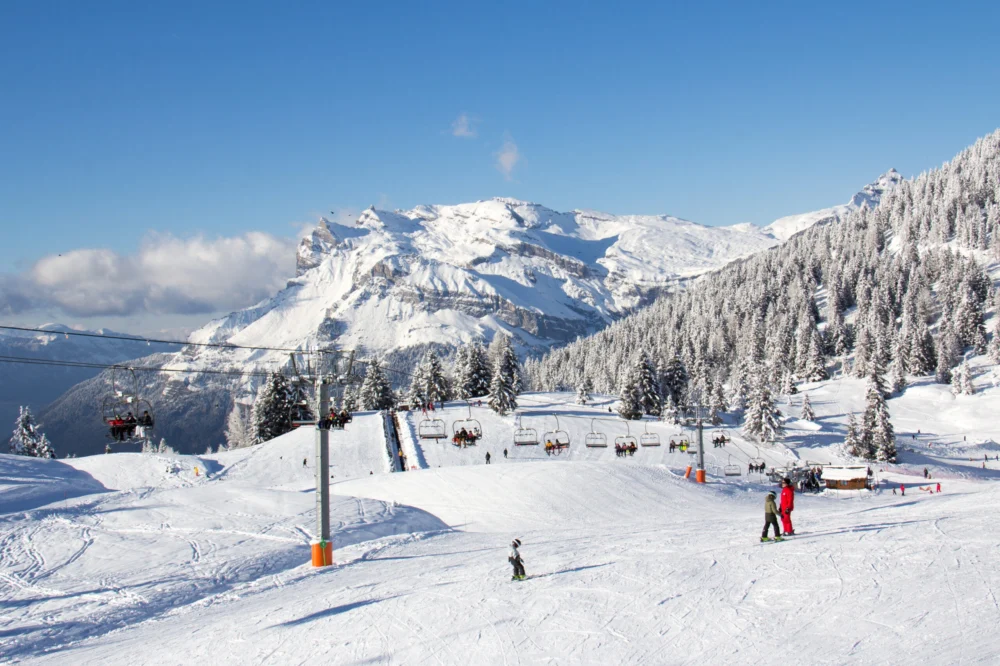
This winter, the stark beauty of snow-covered mountains has been marred by a tragic and escalating death toll from avalanches, making the 2025-2026 season one of the deadliest on record for both North America and Europe. As of early March 2026, the number of fatalities has significantly surpassed long-term averages, occurring even before the onset of the popular spring touring season. In Europe, preliminary reports indicated 119 deaths by late February, exceeding the typical annual average of 100, a grim milestone achieved with weeks of winter still remaining. North America has not been spared, with the devastating Lake Tahoe incident in February, which claimed nine lives, marking one of the most catastrophic single avalanche events in U.S. history and underscoring the perilous conditions prevalent across the continent.
The Science of the Fragile Snowpack: Persistent Weak Layers and Unprecedented Weather Gaps
The primary driver behind this season’s alarming fatality rate is not merely the volume of snowfall, but rather the inherently unstable structure of the snowpack. Forecasters and avalanche experts have identified a recurring pattern of what they term "warm gaps"—prolonged periods of unseasonably warm, dry weather that have punctuated significant storm cycles. These extended dry spells have created a conducive environment for a meteorological phenomenon known as "faceting" to occur at the snowpack’s surface. During faceting, snow crystals lose their intricate branches and transform into rounded, granular shapes resembling loose sugar. Crucially, these faceted crystals exhibit a severely diminished ability to bond with adjacent snow layers, forming a persistent weak layer that can remain unstable for extended periods.
The danger is amplified when these fragile foundations are subjected to subsequent heavy snowfall. The deposition of dense, heavy snow during subsequent storm cycles creates a precarious "slab" atop the weak, faceted layer. This scenario represents a classic persistent slab avalanche problem, a notoriously dangerous avalanche type where the entire snowpack behaves akin to a house of cards, susceptible to collapse under the slightest trigger. The widespread nature of these weak layers, often buried deep within the snowpack and developing over weeks or even months, means that even seemingly stable slopes can become avalanche hazards, catching unsuspecting individuals off guard.
A Global Avalanche Crisis: From the Majestic Alps to the Rugged Rockies
The meteorological conditions fostering these dangerous snowpack structures have been observed across major mountain ranges on both continents. In the European Alps, a substantial snowfall in December was followed by a prolonged dry period, allowing a deep, persistent weak layer to form across vast areas. The subsequent heavy storms in February then loaded this compromised base, leading to a tragic series of avalanches. By mid-February, France and Italy had each recorded 30 avalanche fatalities, illustrating the widespread impact of these conditions. Reports from the Swiss Alps also indicated a significant increase in avalanche incidents and fatalities, with experts attributing much of the danger to the unstable snowpack resulting from the unusual weather patterns.
Across the Atlantic, the United States is grappling with an equally perilous situation. Avalanche centers in regions like Colorado and Utah have been issuing stark warnings, noting that the persistent weak layers formed earlier in the season are showing little sign of healing. These layers remain highly sensitive to the weight of skiers, snowboarders, and snowmobiles, capable of being triggered long after the initial storm that created them has passed. The recent catastrophic event in Lake Tahoe, California, where nine individuals lost their lives in multiple avalanche paths, serves as a harrowing testament to the extreme danger. This incident, which occurred in a region not typically associated with such high fatality rates, highlighted the pervasive nature of the current avalanche risk. Other regions in the North American Cordillera, including British Columbia and Wyoming, have also reported an elevated number of avalanche fatalities and close calls throughout the winter.

Historical Context and Precedent
While avalanche fatalities are an unfortunate reality of winter mountain recreation, the scale and persistence of the danger this season are drawing comparisons to some of the most severe years on record. For instance, the 1999 Galtür avalanche disaster in Austria, which claimed 31 lives, was a stark reminder of the destructive potential of deep snowpack instability. More recently, the 2008-2009 winter season saw a significant increase in avalanche deaths in North America, prompting widespread public safety campaigns. However, current data suggests that the 2025-2026 season may well surpass these figures in terms of overall fatalities across both continents.
The increasing accessibility of backcountry terrain, coupled with advancements in equipment that allow for greater mobility, has contributed to a rise in the number of people venturing into avalanche-prone areas. This demographic shift, combined with the unusually challenging snowpack conditions of the current season, creates a perfect storm of risk. Avalanche forecasting services, such as the Colorado Avalanche Information Center (CAIC) and the Utah Avalanche Center (UAC), have been working tirelessly to disseminate critical information, but the inherent unpredictability of avalanche terrain means that vigilance and adherence to safety protocols remain paramount.
Expert Analysis and Implications for the Future
Avalanche scientists attribute the current crisis to a confluence of factors, including shifts in global weather patterns that may be linked to climate change. While establishing a direct causal link between specific weather events and broader climate trends requires extensive long-term study, many experts are observing a pattern of increased extreme weather events, including more intense storm cycles and prolonged dry periods. These fluctuations create environments that are less forgiving for snowpack stability.
Dr. Lena Hanson, a leading snowpack scientist at the Institute for Snow and Avalanche Research (SLF) in Switzerland, commented, "We are observing a trend towards more volatile winter weather. The ‘warm gaps’ we’ve seen this season are not isolated incidents but appear to be part of a larger pattern of unpredictable weather swings. This makes forecasting exceptionally challenging, as weak layers can persist for extended periods and be reactivated by the slightest disturbance. The sheer number of persistent weak layers is what makes this season so concerning."
The implications of this trend extend beyond the immediate safety concerns for winter sports enthusiasts. Unstable snowpack conditions can also impact vital infrastructure in mountainous regions, including transportation routes and utility lines, potentially leading to disruptions and economic losses. Furthermore, the increased frequency and intensity of natural disasters like avalanches are becoming a significant consideration for disaster preparedness and mitigation strategies in mountain communities worldwide.
Calls for Enhanced Safety and Conservative Decision-Making
In response to the escalating danger, avalanche centers across North America and Europe are issuing increasingly urgent warnings and urging extreme caution. They emphasize the critical importance of consulting daily avalanche forecasts, carrying essential safety equipment (including an avalanche transceiver, probe, and shovel), and undergoing proper avalanche safety training.

The mantra for this season, echoed by numerous avalanche professionals, is one of heightened conservatism. This means carefully evaluating terrain choices, avoiding slopes identified as high-risk, and making conservative decisions about when and where to recreate. For backcountry enthusiasts, this season demands a renewed commitment to risk management, prioritizing personal safety above all else.
The TGR Gravity Check newsletter, a platform dedicated to action sports and outdoor culture, has been actively promoting safe backcountry practices. Their recent advisories highlight the need for a "different level of respect" for the mountains this winter. They advocate for avoiding steep, wind-loaded slopes and remaining acutely aware of how the warming spring sun can further stress already unstable weak layers within the snowpack. This proactive approach to information dissemination aims to equip the outdoor community with the knowledge necessary to navigate these hazardous conditions.
Looking Ahead: The Lingering Threat of Spring
As the season progresses into spring, the danger from avalanches is far from over. In fact, the warming temperatures and increased solar radiation can introduce new and complex avalanche problems. The existing weak layers, often buried deep within the snowpack, may become even more susceptible to triggering as the snowpack undergoes temperature fluctuations and settlement. Wet snow avalanches, which can be powerful and unpredictable, become a significant concern as temperatures rise above freezing.
The 2025-2026 winter season stands as a stark and tragic reminder of the power of nature and the inherent risks associated with mountainous terrain. The scientific understanding of snowpack dynamics, combined with robust forecasting and a commitment to conservative decision-making, are the most critical tools for mitigating the devastating impact of avalanches. As the world observes these concerning trends, the conversation around climate change and its potential influence on extreme weather events gains further urgency, prompting a deeper examination of how we interact with and prepare for the challenges posed by our changing natural environment. The lessons learned from this particularly deadly season will undoubtedly shape avalanche safety protocols and public awareness campaigns for years to come, underscoring the perpetual need for respect, education, and vigilance in the high mountains.
