

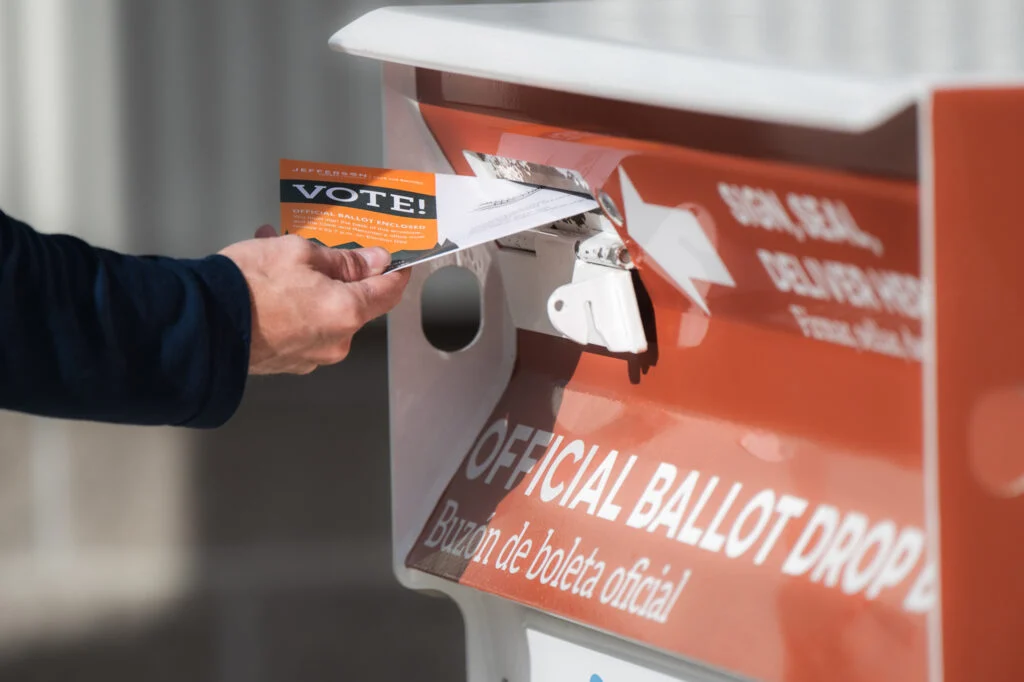
The landscape of environmental advocacy in the United States is undergoing a fundamental shift as climate organizations increasingly pivot their resources toward the protection of democratic institutions. Recent legislative and administrative actions have signaled that the primary obstacle to the transition toward renewable energy may no longer be technological feasibility or economic viability, but rather the stability of the electoral process and the continuity of federal policy. According to data released by Protect Our Winters (POW) and corroborated by recent industrial reports, the link between voting access and climate outcomes has become the defining frontier for environmental policy in the current election cycle.
Legislative Reversals and the Economic Toll on Clean Energy
The transition to a low-carbon economy has faced significant headwinds following the passage of the federal tax and budget law known as the One Big Beautiful Bill Act. While previous legislative frameworks sought to provide a long-term horizon for renewable energy investment, this new act has fundamentally altered the financial landscape for developers. By clawing back clean energy tax credits and imposing a rigid July 2026 deadline, the legislation has effectively compressed the development runway from nine years to just one.
The fallout from this policy shift has been immediate and quantifiable. Market analysis indicates that an estimated $83 billion in solar, wind, and battery storage projects have been either canceled or indefinitely delayed. These projects represent a significant portion of the nation’s planned decarbonization efforts. Beyond the environmental impact, the economic consequences are substantial; the cessation of these projects has resulted in the loss or prevention of approximately 470,000 jobs within the green energy sector.
Industry experts suggest that such volatility in federal tax policy creates a "chilling effect" on private investment. Large-scale energy projects require multi-year planning and predictable tax environments to secure financing. When the "pen changes hands" at the executive or legislative level and results in the abrupt removal of incentives, the risk profile of renewable projects becomes untenable for many institutional investors.
The Reshaping of Public Lands: The Case of Bears Ears
The administrative shift in power has also manifested in significant changes to land conservation and tribal sovereignty. On July 13, the current administration executed a 90 percent reduction of the Bears Ears National Monument. The monument, which originally spanned 1.36 million acres, was reduced to approximately 121,000 acres.
This reduction is not merely a change in boundaries but a change in land use priority. The removed acreage was opened to mining and extractive industries within 60 days of the order. Furthermore, the administration dissolved the tribal commission that had been established to co-manage the monument, a move that critics argue undermines decades of progress in tribal relations and conservation biology.
The decision highlights a recurring theme in contemporary environmental politics: administrative actions can bypass public opinion or scientific consensus if the individuals in positions of power choose to prioritize industrial extraction over conservation. This reality has led organizations like POW to conclude that voting is not just a civic duty but a primary "climate action" that dictates the fate of millions of acres of public land.
Systematic Challenges to Electoral Participation
As the climate movement identifies the ballot box as its most potent tool, the voting process itself has come under increased scrutiny due to a series of federal and state-level directives. These developments suggest a coordinated effort to alter the composition of the electorate and the mechanics of ballot casting.
Federal Administrative Actions
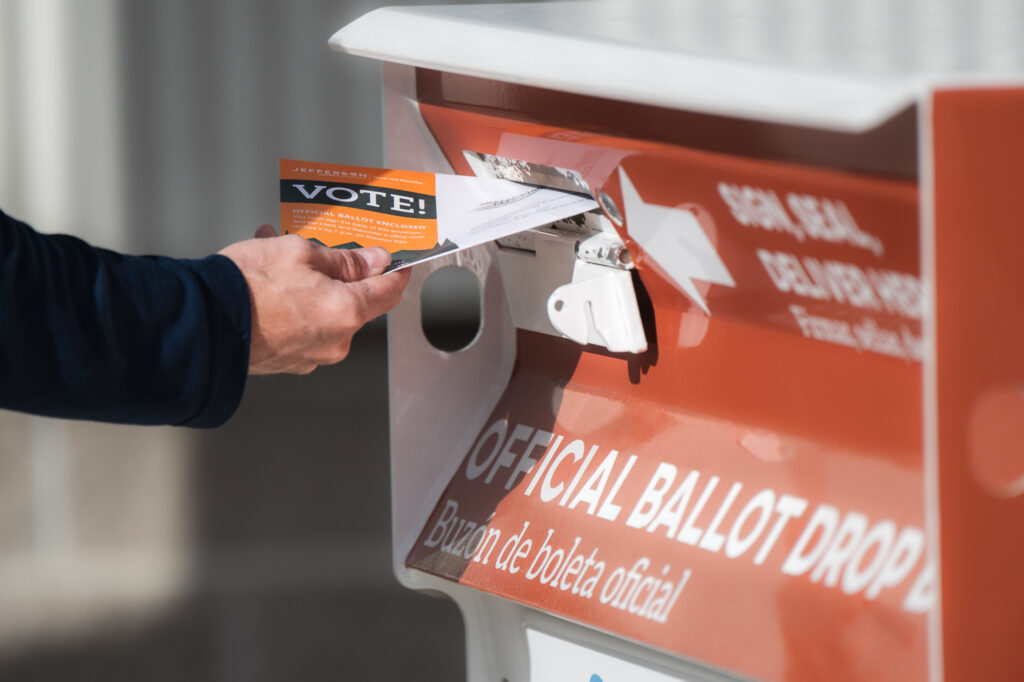
In March, the administration issued a directive to the Department of Homeland Security (DHS) to compile citizen lists, while simultaneously directing the United States Postal Service (USPS) to implement restrictions on the delivery of mail-in ballots. Although a federal court subsequently struck down key portions of these orders as unconstitutional, the intent behind the policies has raised alarms among civil rights and environmental groups.
Further complicating the federal oversight of elections, the administration fired the remaining members of the Election Assistance Commission (EAC) in July. The EAC is the primary federal body responsible for certifying voting systems and providing best practices for election administration. Without these members, the agency lacks a quorum, rendering it unable to perform its essential functions during a critical election year.
State-Level Legislative Shifts
At the state level, the barrier to entry for voters has been raised through new registration requirements. Currently, twelve states require documentary proof of citizenship to register to vote. In South Dakota and Utah, new laws enforcing these requirements are in effect for the current cycle. Meanwhile, in Texas, state officials have begun purging voter rolls based on what legal analysts describe as flawed federal data. Ohio is also embroiled in litigation regarding its own aggressive voter roll maintenance programs.
These measures, while framed by proponents as necessary for election security, are viewed by climate advocates as a strategy to disenfranchise demographics that traditionally support environmental protections, including younger voters and marginalized communities.
Chronology of Key Events Impacting Climate and Voting Rights
To understand the current urgency within the climate movement, one must look at the timeline of policy shifts and administrative decisions that have occurred over the last several months:
- March: The administration orders DHS to compile citizen lists and restricts USPS mail-in ballot delivery.
- Late Spring: The One Big Beautiful Bill Act is implemented, shortening the clean energy tax credit runway to July 2026.
- July 1: New voter registration laws, including documentary proof of citizenship requirements, go into effect in several states including South Dakota and Utah.
- July 13: Bears Ears National Monument is reduced by 90 percent, opening land to mining.
- Mid-July: The administration dismisses the remaining members of the Election Assistance Commission, removing the quorum.
- Current Period: Legal challenges continue in Texas and Ohio over voter roll purges, while $83 billion in renewable energy projects remain stalled.
The "Defend the Vote" Campaign: A Strategic Response
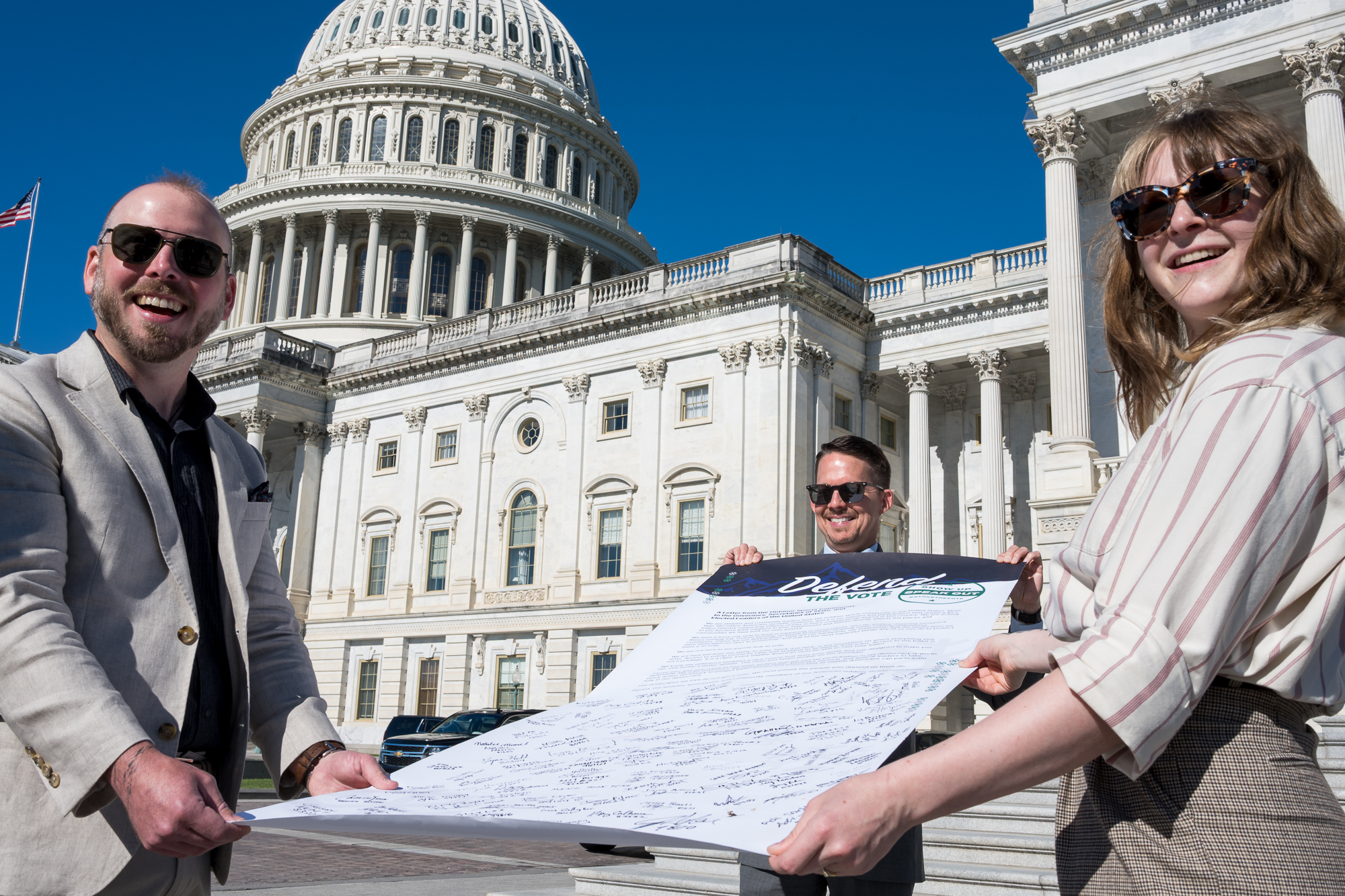
In response to these challenges, Protect Our Winters has launched the "Defend the Vote" campaign. This initiative represents a strategic shift from traditional environmental lobbying toward direct engagement with election infrastructure. The campaign focuses on protecting ballot access in specific geographies where the risk of interference is highest and where the organization has a significant presence.

POW has begun engaging directly with Secretaries of State in key regions, such as Montana and New Hampshire. The objective is to ensure that election officials are held accountable for maintaining free and fair access to the polls. This "narrow and deep" strategy marks a departure from broader, nationwide awareness campaigns, focusing instead on the localized administrative levels where voting rights are often won or lost.
The movement has gained significant traction within the outdoor industry. A recent sign-on letter supporting the "Defend the Vote" initiative has seen unprecedented participation from major brands and athletes. This indicates a growing consensus within the private sector that the stability of the democratic process is a prerequisite for the long-term health of the outdoor economy and the climate.
Fact-Based Analysis: The Implications of Policy Volatility
The current state of affairs suggests that the climate fight is no longer confined to the realms of science and technology. The following factors illustrate the broader implications of the current political and electoral environment:
- Economic Uncertainty: The cancellation of $83 billion in projects suggests that legislative volatility is as great a threat to the energy transition as any physical or technical barrier. Without a stable policy environment, the capital required to build a renewable grid will likely flow to more predictable international markets.
- Institutional Erosion: The loss of a quorum at the Election Assistance Commission creates a vacuum in federal oversight. This could lead to a lack of standardization in how voting machines are certified, potentially opening the door to further legal challenges regarding election integrity.
- Environmental Justice: The reduction of Bears Ears and the dissolution of tribal commissions represent a setback for environmental justice. These actions suggest that land management is increasingly being used as a tool for political signaling rather than being based on ecological or cultural value.
- Turnout as a Climate Metric: For organizations like POW, voter turnout has become a primary metric of success. If the "Stoke the Vote" campaign fails to overcome the administrative barriers to voting, the legislative path for climate progress remains blocked, regardless of public support for clean energy.
Conclusion: The New Frontier of Environmentalism
The message from the climate advocacy community is clear: protecting the vote is no longer an "adjacent" issue to environmentalism; it is the core of the work. As the deadline for the July 2026 tax credits approaches and the legal battles over voter rolls intensify, the focus has shifted entirely to the upcoming midterms and general elections.
The ability of citizens to cast a ballot and have that ballot counted is the mechanism by which the "pen" is changed. In the view of Graham Zimmerman and the leadership at POW, the future of winters, the stability of the clean energy job market, and the preservation of public lands are all currently sitting on the ballot. As the "Defend the Vote" campaign moves forward, it serves as a case study in how modern advocacy groups are adapting to an era of intense political polarization and institutional instability. The success or failure of these efforts will likely determine the trajectory of U.S. climate policy for the next decade.
