

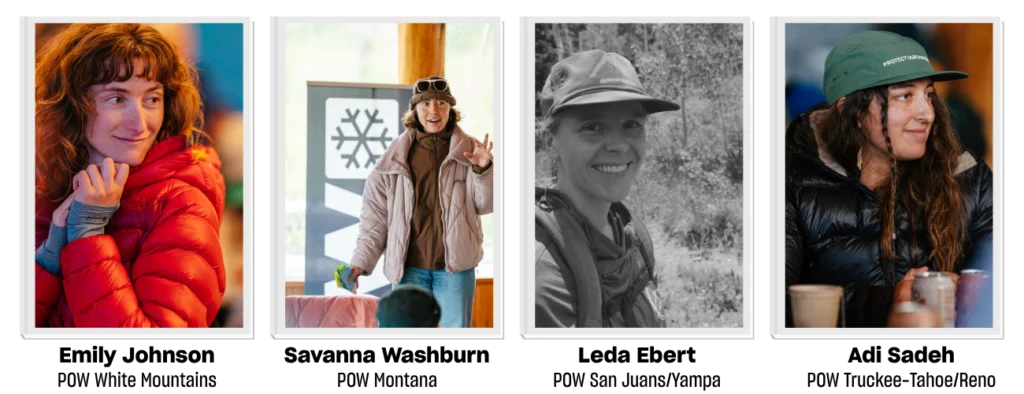
The intersection of outdoor recreation and civic engagement has emerged as a critical frontier in the global effort to mitigate climate change, as evidenced by the strategic expansion of the Protect Our Winters (POW) Chapter Program. Once perceived primarily as an organization for elite professional athletes and "powder-loving" winter sports enthusiasts, POW has transformed into a sophisticated grassroots network that bridges the gap between adrenaline-fueled outdoor pursuits and municipal policy. By deploying field organizers into key regions—including the White Mountains of New Hampshire, the Gallatin Valley in Montana, the Western Slope of Colorado, and the Tahoe-Reno corridor—the organization is demonstrating that local advocacy is an essential component of large-scale environmental reform.
The Strategic Shift to Grassroots Field Organizing
The POW Chapter Program operates on the premise that the "Outdoor State"—a demographic of approximately 168 million Americans who participate in outdoor recreation—represents a potent but historically underutilized political force. According to 2023 data from the Bureau of Economic Analysis (BEA), the outdoor recreation economy accounts for $1.1 trillion in economic output and supports nearly five million jobs. Despite this economic clout, the outdoor community has often struggled to translate its passion for landscapes into sustained policy influence at the local level.
To address this, POW has installed dedicated field organizers to mobilize mountain and coastal communities year-round. These organizers, such as Emily Johnson in New Hampshire and Savanna in Montana, serve as conduits between complex environmental data and actionable community participation. Their work centers on the realization that while national climate targets receive the majority of media attention, the most immediate transitions toward renewable energy and sustainable land use occur within town councils, utility boards, and county commissions.
Regional Case Studies in Local Policy Intervention
The efficacy of the Chapter Program is best illustrated through its recent regional interventions, where field organizers have navigated specific local challenges to achieve measurable policy wins.
New Hampshire and the White Mountains: Utility Board Governance
In New England, the focus has shifted toward the governance of rural electric cooperatives. Field organizer Emily Johnson, a native of Farmington, Maine, has spearheaded efforts to diversify the leadership of energy providers. A significant milestone occurred earlier this year when Laurel Boivin, an energy policy expert with three decades of experience, was elected to the New Hampshire Electric Coop’s Board of Directors. Supported by the POW Action Fund, this election represents a tactical shift: by placing climate-conscious leaders on utility boards, advocates can influence grid decarbonization and rate structures from within the decision-making body.
Montana: Challenging Integrated Resource Plans (IRP)
In Montana, organizer Savanna has focused on the highly technical realm of Integrated Resource Plans (IRPs). The state’s primary utility, NorthWestern Energy, recently unveiled a long-term plan that continues to prioritize gas, coal, and nuclear generation over lower-cost wind and solar options. Despite the company’s stated goal of reaching net-zero emissions by 2050, the current IRP risks locking consumers into fossil fuel-dependent infrastructure for the next 20 years.
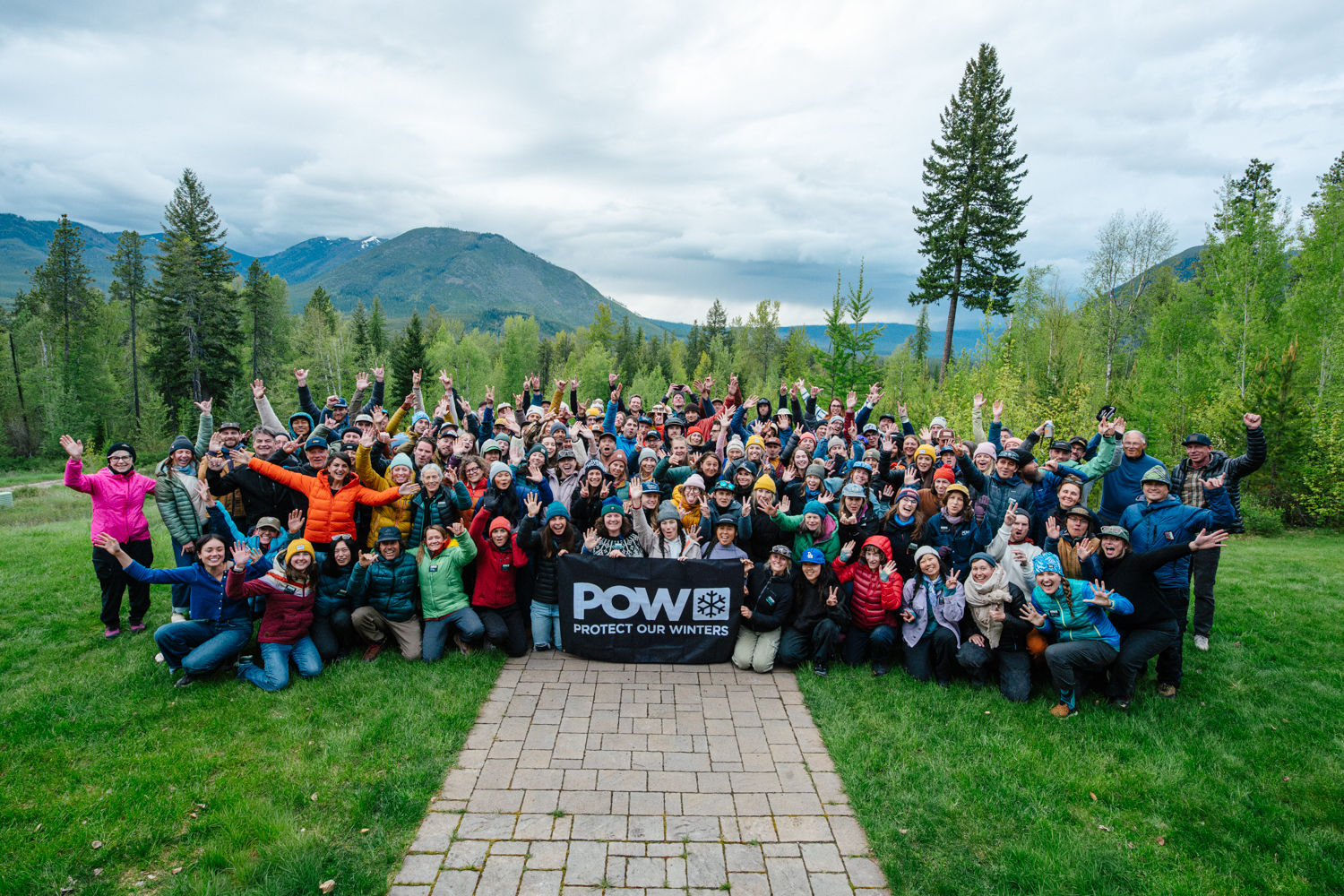
The Montana chapter’s response involved a "community bike ride" strategy to lower the barrier to entry for civic participation. By combining recreation with education, the chapter mobilized citizens to submit public comments on the IRP, ensuring that the Public Service Commission hearings reflected the community’s demand for clean energy and affordable rates.

Colorado: Battery Storage and Clean Energy Permitting
On Colorado’s Western Slope, organizer Leda has navigated the complexities of land-use moratoriums. In early 2026, La Plata County lifted a moratorium on Battery Energy Storage Systems (BESS), a move essential for stabilizing a grid powered by intermittent renewables. This policy shift was attributed to a sustained campaign of public testimony and written comments from local POW volunteers. Looking forward, the San Juan and Yampa Valley chapters are targeting clean energy projects in Montezuma and Routt counties, where nearly 500 megawatts (MW) of clean energy capacity are currently under deliberation.
Nevada and California: The TregoGrid Project
In the Truckee-Tahoe and Reno region, organizer Adi has focused on the "TregoGrid" project. In April 2026, advocacy efforts culminated in the approval of 200 MW of battery storage capacity for the regional grid. This project is considered a cornerstone of the region’s decarbonization strategy, providing the necessary infrastructure to support Nevada’s transition toward a renewable energy economy.
The Economic and Environmental Context of Alpine Regions
The urgency of this advocacy is underscored by the disproportionate impact of climate change on high-altitude ecosystems. Scientific data indicates that mountain regions are warming at roughly twice the global average. For communities dependent on the "snow-to-flow" cycle, this warming threatens not only the winter tourism industry but also the water security of downstream populations.
The outdoor recreation industry’s $1.1 trillion contribution to the U.S. GDP is contingent upon predictable weather patterns and healthy ecosystems. However, the American West is currently grappling with a "megadrought" and increasingly volatile wildfire seasons, which have curtailed access to public lands and shortened ski seasons. By framing climate change as an existential threat to both a way of life and a regional economy, POW field organizers are able to build broad-based coalitions that include business owners, athletes, and local residents.
Analyzing the Impact of Local Advocacy vs. National Fights
A core component of the POW Chapter Program’s philosophy is that local advocacy offers a higher "return on investment" for individual voices. National legislative battles are often characterized by extreme polarization and high barriers to entry, where individual contributions can feel marginalized. Conversely, local elections and municipal meetings often hinge on small margins.
As Leda, the Southwest Colorado organizer, noted, rural electric cooperative elections are sometimes decided by fewer than ten votes. This scale allows grassroots movements to have a transformative impact. By focusing on "what is in the backyard," organizers are finding that apathy is replaced by empowerment. The ability to see the immediate results of a town council vote or a utility board appointment provides the momentum necessary to sustain long-term advocacy.
Chronology of the 2026 Advocacy Cycle
The 2026 calendar for the POW Chapter Program reflects a strategic build-up toward the midterm election cycle:
- Q1 2026: Mobilization around utility board elections in the Northeast and the lifting of the BESS moratorium in Colorado.
- Q2 2026: Approval of the TregoGrid battery storage project in Nevada and public comment periods for NorthWestern Energy’s IRP in Montana.
- Q3 2026: Launch of the White Mountains Chapter in New Hampshire (September 8) and the commencement of "Run to the Polls" initiatives.
- Q4 2026: Focused voter turnout campaigns in key districts, including New Hampshire’s CD1 and Nevada’s CD3, to ensure that climate-conscious voters participate in the midterm elections.
Broader Implications for the Environmental Movement
The evolution of the Protect Our Winters Chapter Program signals a broader trend in environmental activism: the professionalization of the "lifestyle advocate." By equipping individuals who have a deep, personal connection to the land with the tools of professional organizing—such as letter-writing workshops, public speaking training, and policy briefs—the movement is creating a more resilient and effective advocacy class.
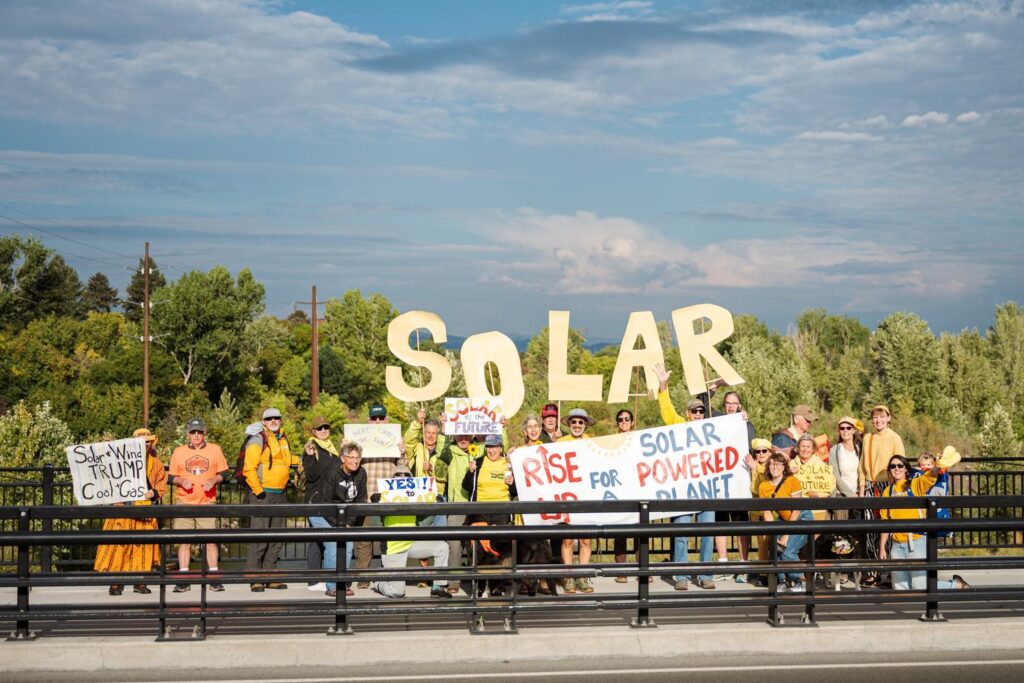
This model suggests that the future of climate policy may not be decided solely in Washington, D.C., but in the community centers of mountain towns and the boardrooms of rural cooperatives. The success of these chapters in advancing battery storage, challenging fossil-fuel-heavy energy plans, and electing climate-conscious local officials provides a blueprint for other interest groups to follow.
As the midterm elections approach, the focus of the Chapter Program remains on "shifting who decides." By increasing voter turnout and ensuring that local leaders are held accountable for their environmental records, POW organizers are attempting to build a durable political infrastructure. The goal is to move beyond reactionary protest and toward proactive, community-led governance that prioritizes the health of the planet alongside the health of the economy.
In conclusion, the work of field organizers like Emily, Savanna, Leda, and Adi represents a significant maturation of the outdoor community’s political identity. By translating the joy of the outdoors into the grit of local policy work, they are proving that the most effective way to protect the "places we love" is to show up where the decisions are made. As the climate crisis intensifies, the role of these grassroots networks will likely become even more central to the national environmental strategy, turning the "Outdoor State" into an organized, influential, and permanent fixture of the American political landscape.
