

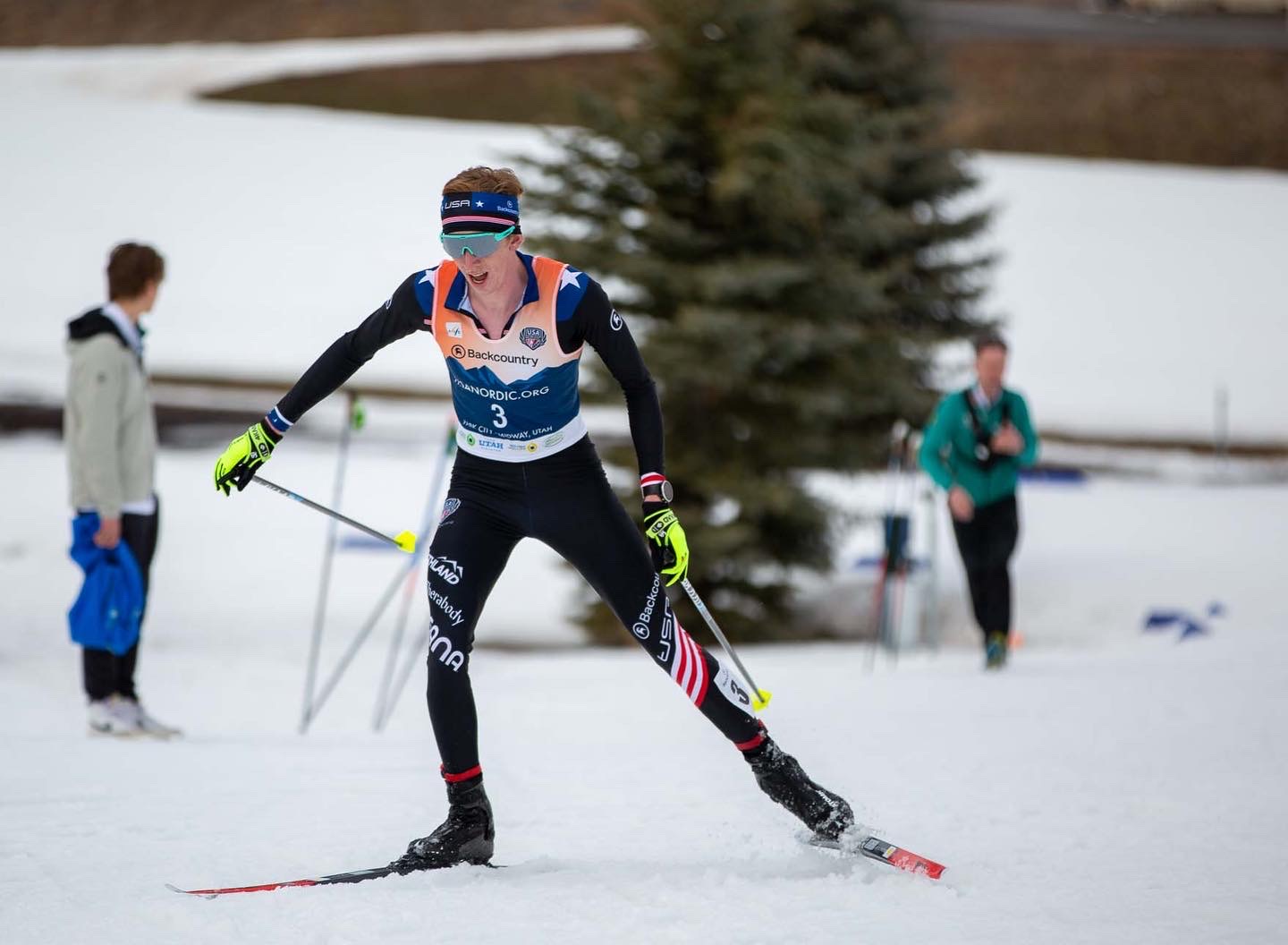
The 2024 United States presidential election has catalyzed a significant shift in the intersection of professional athletics and environmental advocacy, exemplified by the recent announcement from 2022 Winter Olympian Jared Shumate. Shumate, a Nordic Combined athlete from Park City, Utah, has declared his intention to return to academia to pursue a Master’s in Public Policy. This decision follows the election of Donald Trump to a second term, an event that Shumate and various environmental organizations suggest will fundamentally alter the landscape of American environmental protection, public land management, and climate change mitigation. Shumate’s transition from the competitive world of Olympic skiing to the rigorous study of legislative frameworks underscores a growing trend among outdoor professionals who are seeking to augment grassroots activism with formal policy expertise.
The Intersection of Wilderness and Politics: A Chronological Account
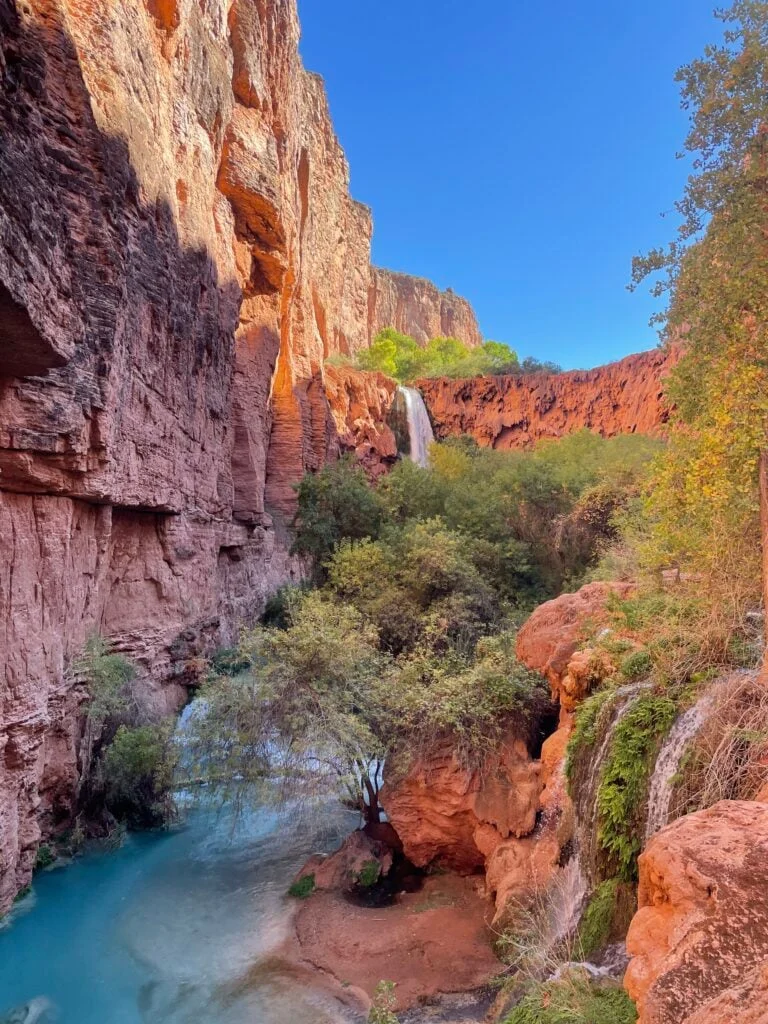
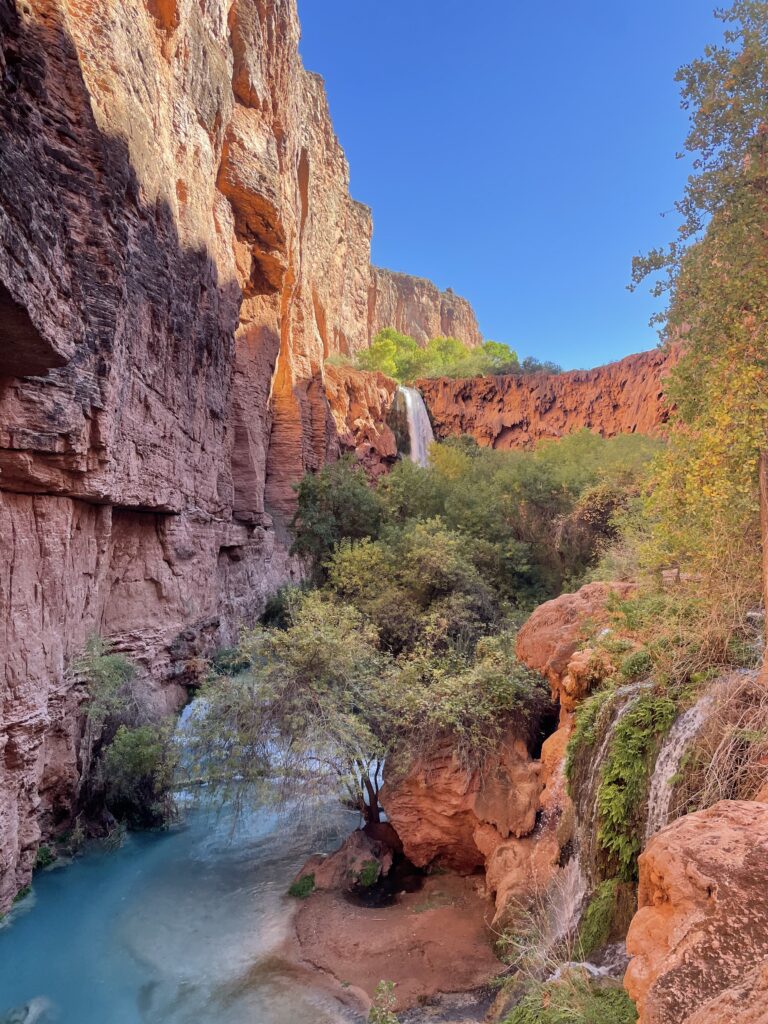
The timeline of Shumate’s decision-making process began in early November 2024, during a period of deliberate isolation from the modern digital landscape. While the United States engaged in one of the most consequential elections in recent history, Shumate was navigating the remote canyon country of Arizona on a backpacking expedition. This geographical distance created a unique psychological vacuum; on November 5, 2024, as voters headed to the polls, Shumate remained unaware of the unfolding results.
Reports indicate that Shumate spent the election day at a remote campsite, speculating on the potential victory of Vice President Kamala Harris. His hypothesis was rooted in the belief that a Harris administration would provide a more stable framework for the protection of the very landscapes he was traversing. However, the reality of the political shift became apparent three days later when Shumate returned to an area with cellular service. The news of Donald Trump’s victory immediately triggered a reevaluation of his role within the environmental movement.
Prior to the election, Shumate had been an active participant in the democratic process. His efforts included door-to-door canvassing in Bozeman, Montana, phone banking for voters in swing states, and organizing voter registration drives at the University of Utah. Despite these grassroots efforts, the election results prompted Shumate to question the efficacy of his current advocacy methods. Within minutes of processing the election outcome, he committed to advancing his education, viewing a Master’s in Public Policy as a necessary tool to combat what he perceives as impending threats to clean air, water, and public lands.
Environmental Policy Under the Second Trump Administration
To understand the impetus behind Shumate’s academic pivot, it is necessary to examine the projected environmental trajectory of the second Trump administration. Analysts and environmental scientists point to the first Trump term (2017–2021) as a blueprint for the current administration’s goals. During his first four years, Trump oversaw the rollback of nearly 100 environmental rules and regulations. These included the weakening of the Clean Power Plan, the withdrawal of the United States from the Paris Agreement, and the significant reduction in size of national monuments such as Bears Ears and Grand Staircase-Escalante in Utah.
The 2024 platform suggests a continuation and acceleration of these trends. Key areas of concern for conservationists include:
- Environmental Protection Agency (EPA) Restructuring: There are indications of a planned reduction in the EPA’s regulatory authority, potentially limiting the agency’s ability to enforce the Clean Air Act and the Clean Water Act.
- Public Land Leasing: The administration has signaled a preference for "energy dominance," which involves opening vast tracts of public lands to new oil, gas, and mineral extraction leases.
- The Chevron Deference Factor: Recent Supreme Court rulings, specifically the overturning of the "Chevron deference," have already weakened the ability of federal agencies to interpret and implement environmental laws. A second Trump administration is expected to leverage this judicial shift to further limit executive-branch oversight of industrial activities.
For Shumate, these are not merely abstract legal changes. As a geography and environmental science graduate, he has witnessed the tangible effects of climate change on winter sports—shorter seasons, receding glaciers, and inconsistent snowpack—which directly impact his professional career and the lifestyle of the "Outdoor State."
The Economic and Political Power of the Outdoor State
The term "Outdoor State" refers to the collective group of more than 180 million Americans who participate in outdoor recreation annually. This demographic is no longer viewed merely as a hobbyist group but as a formidable economic and political bloc. According to data from the Bureau of Economic Analysis (BEA), the outdoor recreation economy accounts for approximately $1.1 trillion in annual economic output, representing 2.2% of the U.S. Gross Domestic Product (GDP).
In states like Montana, Utah, and Colorado, the outdoor industry is a primary driver of employment and tax revenue. The decision of a high-profile athlete like Shumate to enter the policy arena reflects a broader movement within this "state" to translate economic power into legislative influence. Protect Our Winters (POW), an organization for which Shumate has been a long-time advocate, has been at the forefront of this mobilization. POW focuses on leveraging the "influence of the outdoor sports community to advocate for systemic solutions to climate change."
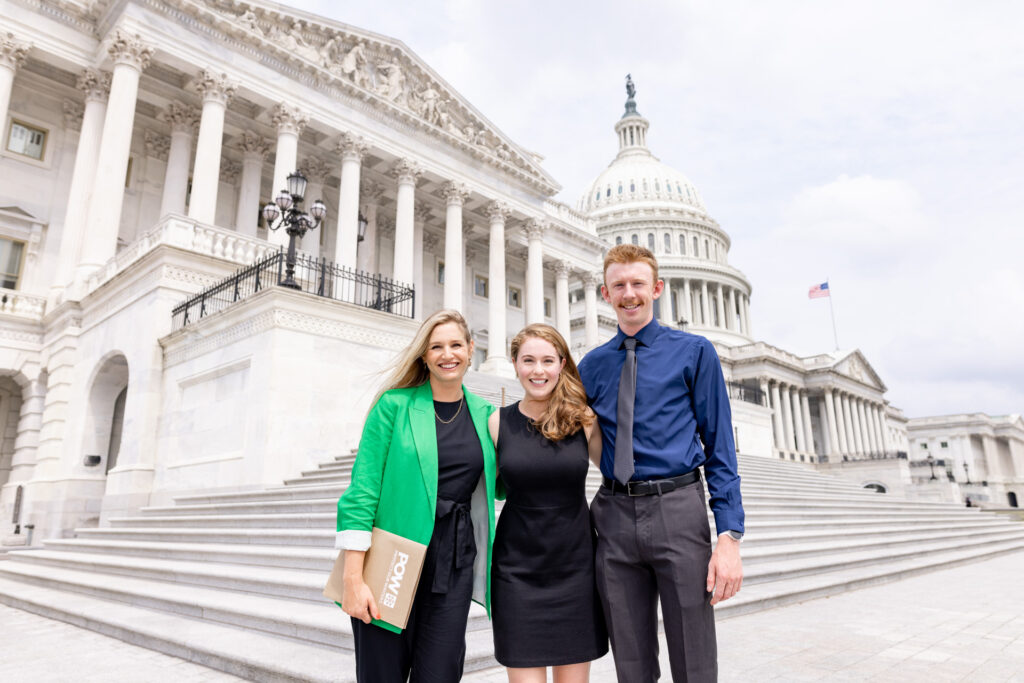
Shumate’s involvement with POW has included lobbying trips to Washington, D.C., where he met with lawmakers to discuss the impact of climate change on the winter sports industry. However, his decision to pursue a Master’s degree suggests a realization that "storytelling" by athletes must be paired with "statutory expertise" to be effective in a highly polarized political environment.
Professional Responses and Strategic Advocacy
The reaction to Shumate’s announcement within the environmental and athletic communities has been one of support, highlighting a shift in how activists view their roles. Historically, athletes were expected to remain apolitical or limit their involvement to awareness campaigns. In the current era, the "athlete-advocate" model is evolving into the "athlete-expert" model.
"Action, regardless of what shape it takes, is always better than apathy," Shumate noted in his reflections on the election. This sentiment is echoed by policy experts who suggest that the most effective way to counter administrative rollbacks is through a deep understanding of the administrative state and the legislative process. By obtaining a Master’s in Public Policy, Shumate aims to transition from a spokesperson to a strategist who can navigate the complexities of environmental law and public land management.
The broader conservation community has also responded to the election results with a renewed focus on the 2026 midterm elections. The strategy involves maintaining momentum within the Outdoor State to ensure that environmental protection remains a bipartisan priority. The argument is that since the outdoor economy benefits both "red" and "blue" states, the protection of public lands should be a point of common ground.
Broader Impact and Long-term Implications
The implications of Shumate’s move extend beyond his individual career. It serves as a case study for how the 2024 election has served as a "call to action" for a generation of young professionals. The shift from grassroots activism (knocking on doors and making phone calls) to institutional engagement (studying policy and seeking legislative roles) indicates a maturation of the environmental movement.
Furthermore, Shumate’s focus on the 2026 midterms highlights the cyclical nature of American politics. While the executive branch holds significant power over federal agencies like the EPA and the Department of the Interior, Congress maintains the power of the purse and oversight capabilities. By encouraging the 180 million members of the Outdoor State to remain engaged and vote in the midterms, Shumate and organizations like POW are attempting to build a long-term defense against the deregulation of natural resources.
The fact-based analysis of the situation suggests that the next four years will be a period of intense legal and political friction. As the Trump administration moves to implement its "energy first" agenda, it will likely face a barrage of litigation from environmental groups and challenges from a more policy-literate class of advocates.
Conclusion: From the Podium to the Podium of Public Discourse
Jared Shumate’s journey from the 2022 Beijing Olympics to the classrooms of a public policy program is a reflection of the high stakes currently defining American environmental politics. His decision to find a way to "do more" in the wake of the 2024 election results serves as a blueprint for how individuals are responding to perceived systemic threats.
As a Nordic Combined athlete, Shumate is accustomed to the endurance required for cross-country skiing and the precision needed for ski jumping. These dual skills—endurance and precision—will be essential as he enters the field of public policy. The "Outdoor State" now watches to see if this new generation of advocate-experts can successfully bridge the gap between the wild places they treasure and the sterile halls of legislative power. With the 2026 midterms on the horizon, the transition from apathy to action is no longer just a personal choice for Shumate; it is a strategic necessity for the future of American conservation.
