


The intersection of the global climate crisis and the multibillion-dollar outdoor recreation industry has reached a critical juncture, as fluctuating temperatures and diminishing snowpacks threaten the geographical foundations of winter sports. In the early morning hours at iconic locations such as Teton Pass, Snoqualmie, Red Mountain, and Turnagain, the irony of the modern outdoor enthusiast is often on full display: rows of internal combustion vehicles idle in the cold, burning the very fossil fuels that contribute to the decline of the seasonal snow they are there to pursue. For those engaged in these landscapes, the difference between a successful season and an environmental failure is measured in a single degree of temperature—the narrow margin between 31 degrees Fahrenheit and powder, and 32 degrees and rain.
As climate change continues to reshape high-altitude and high-latitude environments, the nonprofit organization Protect Our Winters (POW) has transitioned from a niche advocacy group for snowboarders into a sophisticated political and cultural force. By leveraging the $1.3 trillion outdoor recreation economy, the organization is attempting to pivot the conversation from individual lifestyle choices and "carbon guilt" toward large-scale systemic reform and the acceleration of a renewable energy transition.
The Genesis and Evolution of Protect Our Winters
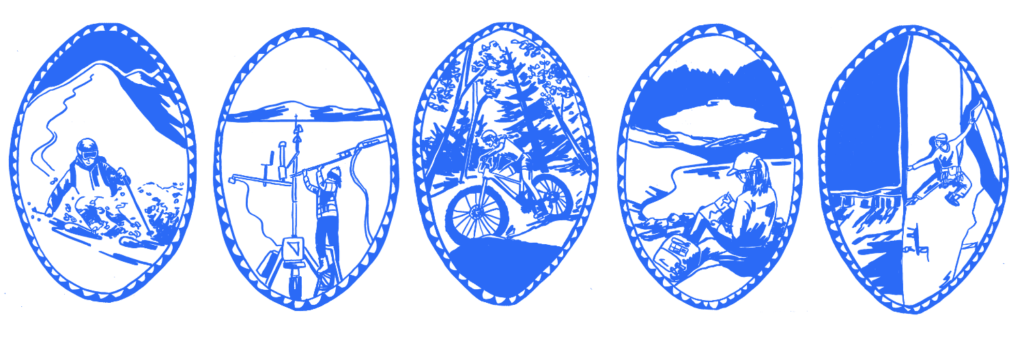
Founded in 2007 by professional snowboarder Jeremy Jones, Protect Our Winters was established on the premise that the outdoor community possessed an untapped potential to influence climate policy. Initially focused on the specific threat to winter sports, the organization has since expanded its mandate to include all forms of outdoor recreation, including trail running, mountain biking, and climbing. This expansion reflects a recognition that the climate crisis impacts the entire seasonal cycle, from wildfire-smoke-choked summers to the "rain-on-snow" events that jeopardize winter tourism.
Over nearly two decades, the organization has evolved its strategy. What began as an awareness campaign has transformed into a multi-disciplinary network comprising professional athletes, atmospheric scientists, corporate partners, and creative storytellers. The objective is no longer merely to document the loss of glaciers or the shortening of ski seasons, but to organize a non-partisan political bloc capable of influencing local, state, and federal policy.
The Economic Impact of Outdoor Recreation
A central component of the organization’s advocacy is the economic weight of the outdoor sector. According to data cited by Protect Our Winters and corroborated by the U.S. Bureau of Economic Analysis, outdoor recreation accounts for a significant portion of the American economy. With a valuation of approximately $1.3 trillion, the industry outpaces major sectors such as motor vehicle manufacturing and pharmaceutical production in terms of its contribution to the Gross Domestic Product (GDP).
This economic clout provides a platform for "outdoor leaders" to engage with decision-makers in Washington, D.C. By framing climate protection as a matter of economic security for the millions of jobs supported by recreation, POW seeks to move climate change out of the realm of abstract environmentalism and into the category of essential infrastructure and commerce. The organization emphasizes that while individual actions—such as using reusable bags or driving electric vehicles—are positive, they are insufficient to address the scale of the crisis. Real power, according to the group’s internal logic, lies in collective action to change the energy systems that have "baked" carbon into everyday life.
Strategic Pillars: Defend, Build, and Shift
To achieve its goals, Protect Our Winters has structured its operations around three primary pillars of work: defending public lands, building clean energy infrastructure, and shifting political will.

Defending Public Lands and Carbon Sinks
The first pillar focuses on the preservation of public lands, which serve both as recreation sites and critical carbon sinks. Policy decisions regarding these lands determine whether they are utilized for fossil fuel extraction or for renewable energy permits and conservation. The organization has been active in opposing public land sell-offs and has mobilized thousands of supporters to advocate for the protection of the Arctic National Wildlife Refuge and Bears Ears National Monument. By defending the science-based rules that govern these landscapes, POW aims to prevent the further expansion of fossil fuel infrastructure on federal property.
Building Clean Energy Infrastructure
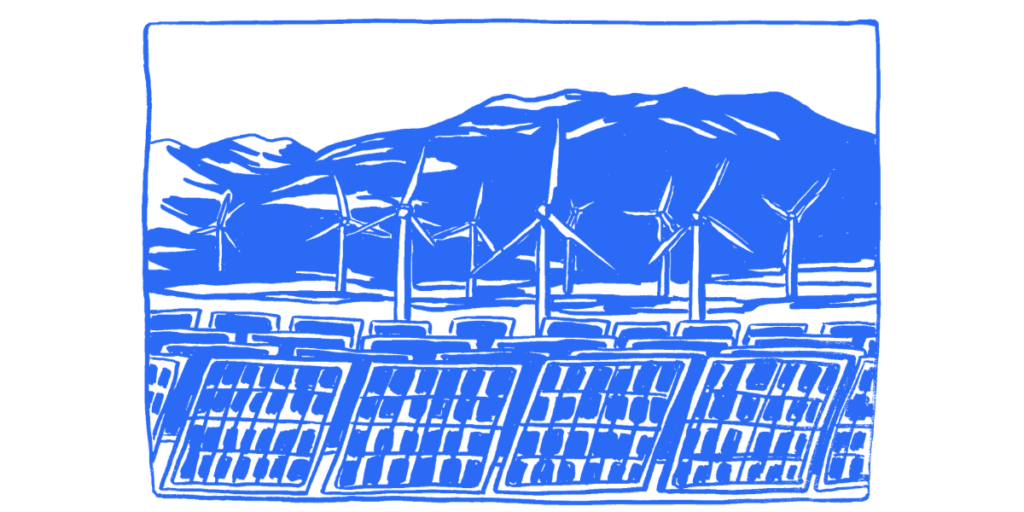
The second pillar is a pragmatic push toward decarbonization through the deployment of renewable energy. POW reports that in the previous year, wind, solar, and battery storage accounted for 93% of the new electricity capacity added in the United States. The organization has set ambitious targets for its clean energy campaigns, contributing to the realization of 297 megawatts (MW) of renewable capacity to date. The group aims to reach 500 MW by the end of 2026 and a full gigawatt (GW) by 2028. These goals are pursued through grassroots efforts in key geographies, including Montana, Nevada, Colorado, and New England, where community-led fights often determine the fate of solar and wind projects.

Shifting Political Will and Voter Engagement
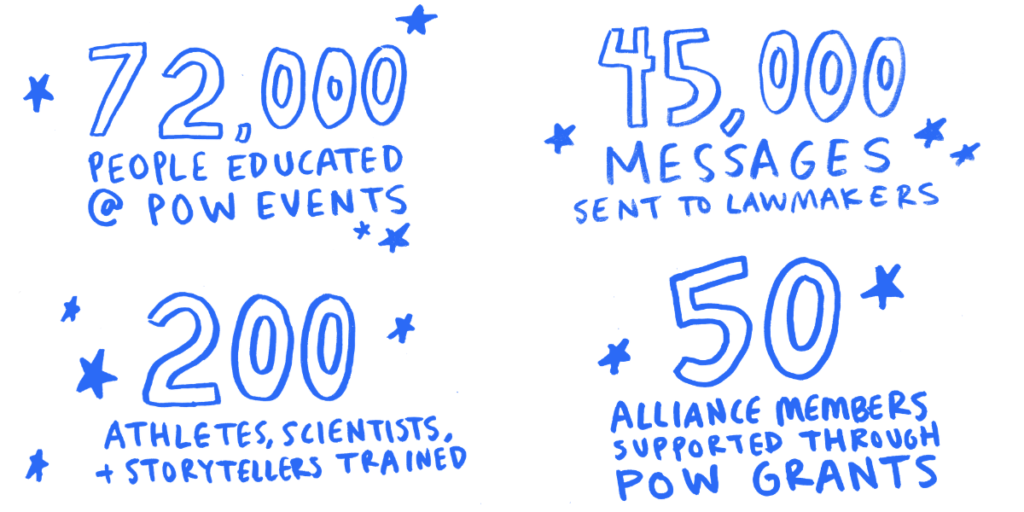
The third pillar addresses the "participation gap" in the outdoor community. Historically, a significant portion of outdoor enthusiasts has not participated in the electoral process at rates commensurate with their economic impact. In the last federal election cycle, POW’s "get-out-the-vote" initiatives reached an estimated 7.5 million people. Furthermore, the organization facilitates direct advocacy, with supporters sending over 47,000 messages to decision-makers and 16,000 advocates joining specific campaigns in the past year.
The Role of Social Norms and Cultural Influence
A significant portion of POW’s strategy involves "norm-shifting"—the process of making climate advocacy a standard component of the outdoor identity. The organization draws parallels to historical shifts in social behavior, such as the normalization of helmet use in skiing or the prohibition of smoking in public spaces. These changes, they argue, often occur before they are reflected in official data or legislation.
By utilizing "trusted messengers"—Olympians, renowned climbers, and local guides—the organization seeks to make environmental stewardship "stylish and compulsory" within the subcultures of mountain and trail sports. This social currency is then converted into political capital. For example, during a 2026 Montana Public Service Commission hearing regarding resource planning, POW representatives and members made up nearly one-third of the attendees, demonstrating a level of engagement that traditionally non-political outdoor enthusiasts are beginning to embrace.
Comparative Resource Analysis and Challenges
Despite its growth, Protect Our Winters operates in a landscape dominated by well-funded opposition. The organization notes that fossil fuel companies spent nearly half a billion dollars during the most recent election cycle. In contrast, POW’s operational budget remains a fraction of that amount. The organization acknowledges that it cannot compete on a dollar-for-dollar basis with the energy lobby. Instead, it relies on "people power"—the ability to get constituents to show up at town halls, county commission meetings, and city planning sessions.

The data suggests that this approach may be gaining traction. Solar energy is now 90% cheaper than it was fifteen years ago, largely due to policy incentives and tax credits driven by political advocacy. Furthermore, while the U.S. economy has grown, carbon emissions have trended lower than 2010 levels, indicating that decoupling economic growth from fossil fuel consumption is possible.
Implications for the Future of the Outdoor Industry
The long-term viability of the outdoor recreation industry is inextricably linked to the success of global decarbonization efforts. The "new normal" for the industry involves navigating rainy winters and oppressive summer heat, which disrupts seasonal revenue cycles for mountain resorts and gear manufacturers.
Protect Our Winters posits that the public is already largely aligned with their goals; a majority of Americans support investments in renewable energy and the protection of wild places like the Arctic Refuge. The challenge remains in closing the gap between public opinion and legislative action. As the organization looks toward 2028, its success will likely be measured not just by the number of bumper stickers on electric vehicles at trailheads, but by the durability of the clean energy systems and public land protections it helps to establish.
The organization’s concluding philosophy emphasizes that perfection is not a prerequisite for participation. By acknowledging the inherent impacts of travel and gear manufacturing while simultaneously pushing for systemic change, POW seeks to lead a "just transition" to a fossil-fuel-free world. For the millions of people who identify as skiers, runners, riders, and climbers, the "assignment" remains clear: to protect the environmental conditions that make their pursuits possible.
