

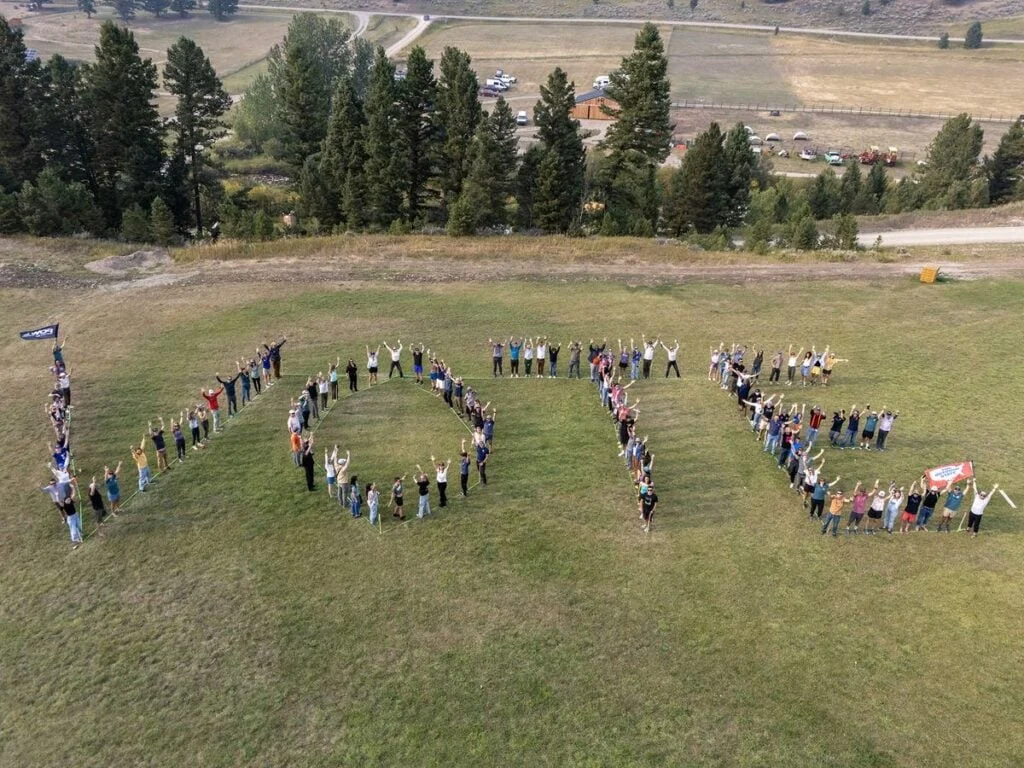
The intersection of outdoor recreation and political advocacy has reached a critical juncture as Protect Our Winters (POW), a leading climate advocacy organization, prepares to mobilize a massive demographic known as the "Outdoor State" ahead of the 2026 midterm elections. Founded on the principle that the outdoor community possesses the collective power to influence environmental policy, POW is framing the upcoming electoral cycle as a decisive moment for the future of public lands, climate protections, and the $1.1 trillion outdoor recreation economy. This initiative seeks to bridge the gap between recreational passion and civic duty, emphasizing that the same preparation required for elite mountaineering or endurance sports must now be applied to the ballot box.
The organization’s strategic focus for the 2026 midterms centers on a massive outreach effort aimed at 45 million eligible voters who identify as outdoor enthusiasts, including skiers, climbers, hikers, paddlers, bikers, and anglers. By positioning climate policy and land conservation as defining non-partisan issues, POW aims to "Shift Who Decides" by ensuring that lawmakers are held accountable to a constituency that prioritizes clean air, clean water, and the preservation of wild spaces. This movement comes at a time when federal environmental protections have faced significant challenges, leading to a heightened sense of urgency within the conservation community.
The Context of Public Land Protections and Legislative Rollbacks
To understand the impetus behind POW’s 2026 campaign, one must examine the legislative landscape of the past several years. The United States has witnessed a complex tug-of-war regarding environmental regulations. While the passage of the Inflation Reduction Act (IRA) in 2022 marked the largest investment in climate action in American history, subsequent administrative and legislative efforts have, according to advocacy groups, sought to weaken core protections.
Historically, the protection of public lands has relied on the Antiquities Act of 1906 and the National Environmental Policy Act (NEPA). However, recent years have seen aggressive attempts to streamline industrial permitting at the expense of environmental review processes. The "rollbacks" cited by POW include efforts to open previously protected areas of the Arctic and the American West to oil and gas leasing, as well as attempts to limit the executive branch’s authority to designate new national monuments.
In the eyes of Protect Our Winters and its supporters, these policy shifts occur when the decision-makers in Washington, D.C., perceive the outdoor community as a fragmented interest group rather than a unified voting bloc. The 2026 midterms are viewed as the primary mechanism to reverse this perception.
Quantifying the Outdoor State: Demographic and Economic Influence
The term "Outdoor State" is not merely a metaphor; it represents a formidable economic and social force. According to data from the U.S. Bureau of Economic Analysis (BEA), the outdoor recreation economy accounts for approximately 2.2% of the total U.S. Gross Domestic Product (GDP). This sector generates over five million jobs and contributes more to the economy than industries such as mining or agriculture in many states.
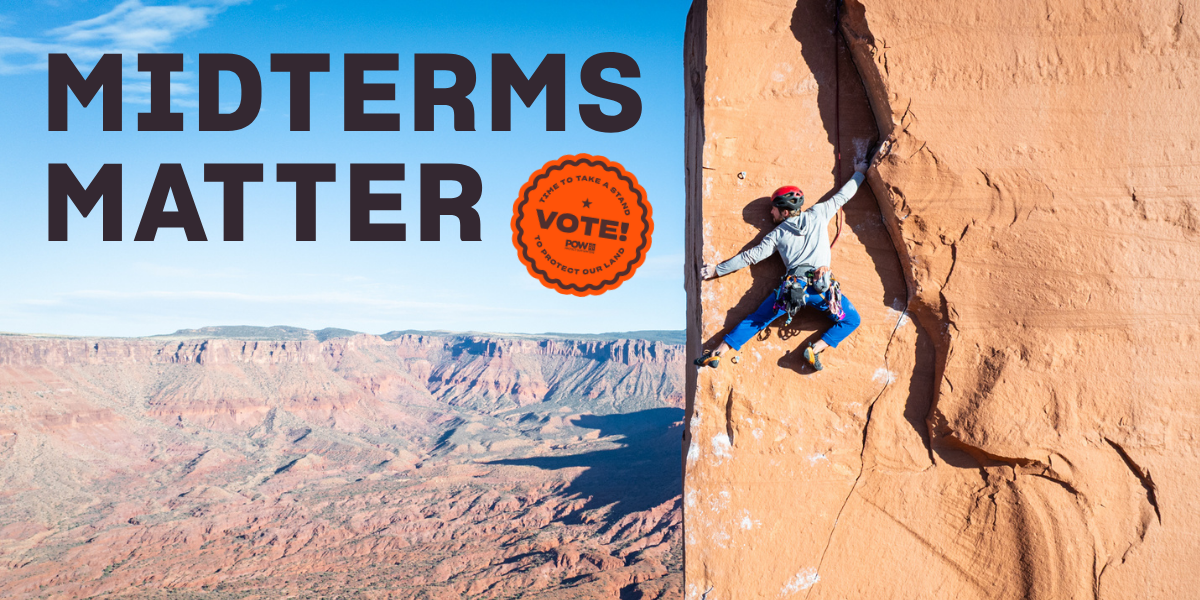
Despite this economic weight, the outdoor community has historically underperformed at the polls compared to other interest groups. POW’s research suggests that while millions of Americans participate in outdoor activities, their voter turnout does not always reflect the intensity of their interest in land conservation. The 2026 campaign aims to change this by highlighting the "thin margins" of midterm elections. In many swing districts, elections are decided by a few thousand votes—a number easily eclipsed by the local population of outdoor enthusiasts.
For example, in states like Colorado, Montana, and Nevada, where outdoor recreation is a cornerstone of the state identity, the "Outdoor State" vote has the potential to determine not only local and state-level contests but also the balance of power in the U.S. Congress. By mobilizing 45 million voters, POW is targeting a slice of the electorate that is increasingly concerned about shorter winters, record-breaking wildfires, and the loss of biodiversity.
Strategic Objectives for the 2026 Election Cycle
The campaign for 2026 is built on three primary pillars: education, registration, and activation. Protect Our Winters has developed a sophisticated "backcountry guide" to the electoral process, designed to demystify voting for a demographic that often spends its time in remote areas far from traditional polling stations.
- Education: POW provides data-driven insights into how specific candidates’ platforms align with climate science and land conservation goals. This involves tracking voting records on key environmental bills and analyzing the impact of proposed legislation on local ecosystems.
- Registration: Leveraging digital tools and partnerships with outdoor brands and professional athletes, the organization focuses on ensuring that seasonal workers—such as ski instructors and river guides—are properly registered to vote, despite their often-transient living situations.
- Activation: The "Shift Who Decides" initiative encourages voters to treat Election Day with the same rigor as a planned expedition. This includes early voting, mail-in ballots, and community-level organizing to ensure high turnout in "mountain towns" and recreation hubs.
The Mechanics of Midterm Influence and Voter Turnout Trends
Midterm elections are historically characterized by lower turnout than presidential years, often resulting in significant shifts in the legislative agenda. However, recent trends suggest a shift in this pattern. In 2022, voter turnout exceeded 52% of the voting-age population, marking one of the highest levels of engagement for a midterm cycle since 1978.
POW views this rising momentum as an opportunity. The organization notes that climate policy does not become a federal priority through passive hope; it becomes a priority when the electorate demonstrates that environmental stewardship is a non-negotiable requirement for their support. The "thin margins" analogy used by POW—comparing a vote to a "crimp" on a climbing wall—resonates with a community that understands how small actions lead to significant outcomes.
In the 2024 election cycle, climate change emerged as a top-five issue for voters under the age of 35. As this demographic grows and becomes more integrated into the outdoor industry, their influence on the 2026 midterms is expected to expand. Protect Our Winters is positioning itself as the bridge between this youthful energy and the established political infrastructure.
Institutional Responses and the Future of Environmental Governance
The push for increased voter turnout among outdoor enthusiasts has drawn various responses from across the political spectrum. Proponents of industrial expansion argue that streamlining regulations is necessary for national energy security and economic growth. They often contend that over-regulation hinders the very infrastructure projects needed for a green energy transition, such as mineral mining for electric vehicle batteries.

Conversely, conservationists and many outdoor industry leaders argue that the long-term health of the economy depends on the integrity of the natural environment. Companies like Patagonia, REI, and Burton have increasingly aligned themselves with POW’s mission, recognizing that their business models are inherently tied to the availability of snow, clean water, and accessible public lands.
Legislatively, the 2026 midterms will serve as a referendum on the implementation of the Inflation Reduction Act and the Infrastructure Investment and Jobs Act. These laws provided billions of dollars for forest thinning, wildfire prevention, and the transition to renewable energy. The outcome of the 2026 elections will determine whether these programs are expanded, maintained, or dismantled.
Broader Impact and Implications
As the 2026 midterm cycle approaches, the efforts of Protect Our Winters represent a broader shift in American advocacy. The transition from "awareness" to "action" reflects a growing realization within the non-profit sector that cultural influence must be converted into legislative power to effect lasting change.
The "Outdoor State" is a diverse coalition that transcends traditional partisan lines. It includes conservative hunters in the Midwest who want to preserve habitat, as well as progressive skiers in New England concerned about carbon emissions. By focusing on the common ground of "the places we live, work, and recreate," POW is attempting to build a durable political force that can withstand the volatility of two-year election cycles.
In conclusion, the 2026 midterms are being framed by Protect Our Winters not just as a political event, but as a survival necessity for the outdoor way of life. With a target of 45 million voters and a focus on the thin margins of American democracy, the organization is betting that the outdoor community is ready to apply its legendary grit and preparation to the challenge of civic engagement. As the campaign moves forward, the primary goal remains clear: to ensure that the people who use the lands, breathe the air, and drink the water are the ones who ultimately decide the rules by which those resources are governed.
