

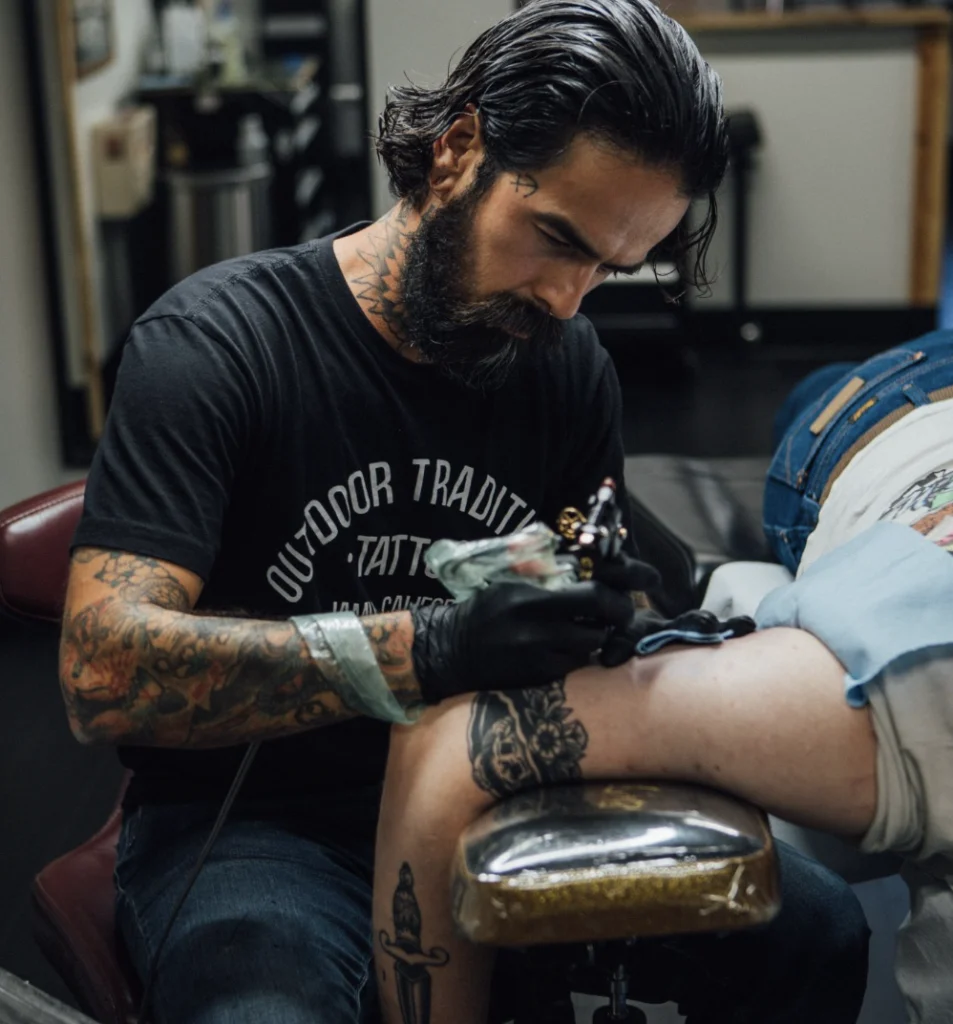
The intersection of specialized craftsmanship and environmental advocacy has reached a new milestone with the announcement of a collaborative apparel collection featuring the work of tattoo artist Angel Lopez. This partnership, involving the climate advocacy non-profit Protect Our Winters (POW) and the action sports media powerhouse Teton Gravity Research (TGR), signals an evolving trend where creative industries are directly integrated into environmental policy and conservation funding. The initiative aims to leverage Lopez’s unique artistic style to raise both awareness and capital for climate action, with TGR committing to donate 10% of all proceeds from the collection back to POW’s advocacy programs.
This collaboration emerges at a critical juncture for the outdoor industry, which increasingly finds its economic viability threatened by the accelerating effects of climate change. By utilizing the "Creative Alliance" model—a strategic branch of POW that enlists artists, photographers, and filmmakers—the organization seeks to reach demographics that may be less engaged with traditional legislative lobbying but are deeply connected to the cultural aesthetics of the outdoor community.
The Evolution of an Advocate: The Angel Lopez Narrative
The personal trajectory of Angel Lopez provides a foundational context for this collaboration. Originally from Tijuana, Mexico, Lopez’s transition to the United States and his eventual immersion in the outdoor landscapes of California have shaped his perspective on both art and environmental stewardship. For over 16 years, Lopez has balanced a career in the tattoo industry with a lifestyle centered on high-intensity outdoor activities, including rock climbing, mountain biking, and skateboarding.
Lopez’s journey is representative of a broader demographic shift within the outdoor community. As the industry seeks to become more inclusive and diverse, voices like Lopez’s bridge the gap between urban creative cultures and wilderness conservation. His philosophy, rooted in the principle that "change is the only constant," has allowed him to navigate the complexities of being a small business owner while maintaining a rigorous commitment to activism.
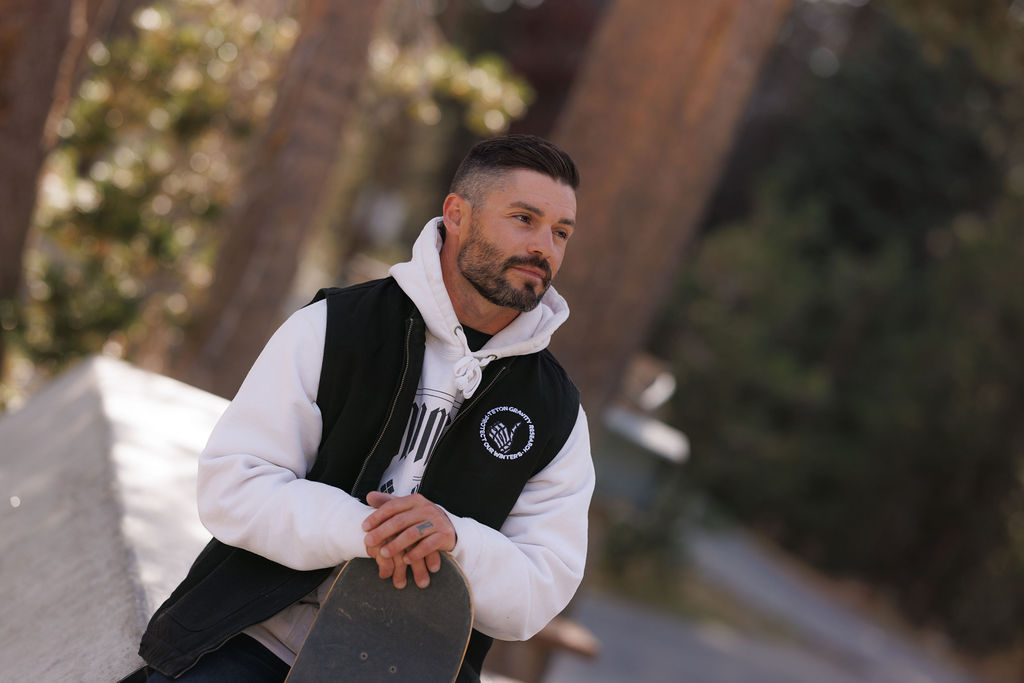
Unlike many corporate social responsibility programs that function as secondary appendages to a business, Lopez has integrated philanthropy into the core of his professional operations. His business model is notable for its high level of direct contribution; he frequently allocates between 20% and 50% of his tattoo proceeds to environmental organizations. These include the Access Fund, which focuses on protecting climbing areas, and local mountain bike associations in Southern California. This level of giving exceeds industry standards for small businesses and highlights a growing movement of "radical transparency" in creative entrepreneurship.
The 2020 Pandemic Pivot and the Surge in Outdoor Engagement
The timeline of Lopez’s advocacy saw a significant acceleration during the COVID-19 pandemic. In 2020, as urban centers faced unprecedented lockdowns and tattoo studios were mandated to close, the outdoor recreation sector experienced a paradoxical surge. Data from the Outdoor Industry Association (OIA) indicated a historic increase in participation as individuals sought safe, socially distanced activities in natural spaces.
For Lopez, the pandemic served as a catalyst for a localized advocacy model. Finding solace on mountain bike trails during the height of the health crisis, he recognized the increased pressure being placed on local ecosystems due to the influx of new users. In response, he launched a "tattoo flash" event—a period where specific, pre-drawn designs are offered at a set price—specifically to benefit San Diego’s mountain bike community groups.
This period redefined Lopez’s approach to protection. The lessons learned during the pandemic—namely the necessity of bravery in the face of economic uncertainty and the importance of protecting local infrastructure—are the themes woven into the new POW x TGR collection. The shift from global climate concerns to tangible, local trail maintenance demonstrates a multi-scalar approach to environmentalism that resonates with the current "think global, act local" sentiment in the activist community.
Economic and Environmental Context: The Stakes of Climate Advocacy
The collaboration between Lopez, POW, and TGR is framed against a backdrop of sobering environmental data. According to the 2023 National Climate Assessment, the Western United States is experiencing a significant decline in snowpack and an increase in the frequency of extreme weather events, both of which directly impact the "winters" that POW aims to protect.
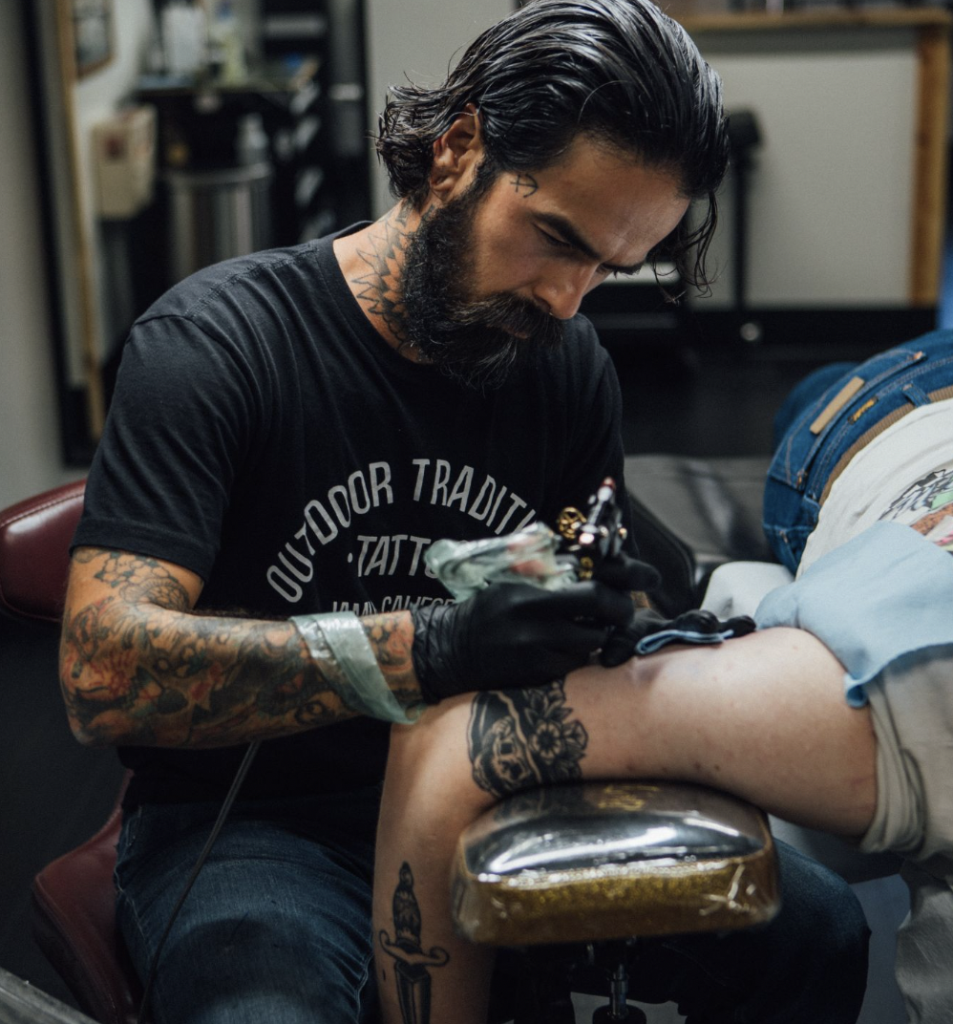
The economic implications are equally stark. The outdoor recreation economy contributes approximately $1.1 trillion to the U.S. Gross Domestic Product (GDP) and supports nearly five million jobs. However, a study published in Current Issues in Tourism suggests that by 2050, more than half of the ski resorts in the Northeast and Western U.S. could face significantly shortened seasons, leading to billions of dollars in lost revenue.
By partnering with Teton Gravity Research, POW is tapping into a market of consumers who are statistically more likely to support environmental initiatives. TGR, founded in 1995, has a long history of documenting the front lines of climate change through its extreme sports films. The integration of Lopez’s art into TGR’s apparel line represents a shift from passive observation (watching a film) to active participation (purchasing goods that fund policy change).
The POW Creative Alliance: A Strategic Analysis
The POW Creative Alliance, of which Lopez is a prominent member, represents a sophisticated evolution in non-profit strategy. Traditional advocacy often relies on data-heavy reports and legislative pressure. While POW remains active in Washington D.C.—engaging in direct lobbying for clean energy policies and public land protection—the Creative Alliance serves as the "cultural engine" of the organization.
The logic behind this approach is based on the "messenger effect." Studies in communication science suggest that individuals are more likely to adopt a stance on a complex issue, such as climate change, if the message is delivered by a peer or a cultural icon they respect. In the case of Angel Lopez, his credibility within the climbing and biking subcultures allows POW to bypass the "politicization" of climate change and present it as a matter of protecting shared passions.
The apparel itself is described as "modern classics," a term used in the fashion industry to denote high-quality, durable goods that resist the "fast fashion" cycle. By creating items that are intended to last, the collaboration aligns with the broader environmental goal of reducing waste. The designs are not merely aesthetic; they are intended to function as "conversation starters" in the field, further extending the reach of POW’s mission.
Official Responses and Industry Implications
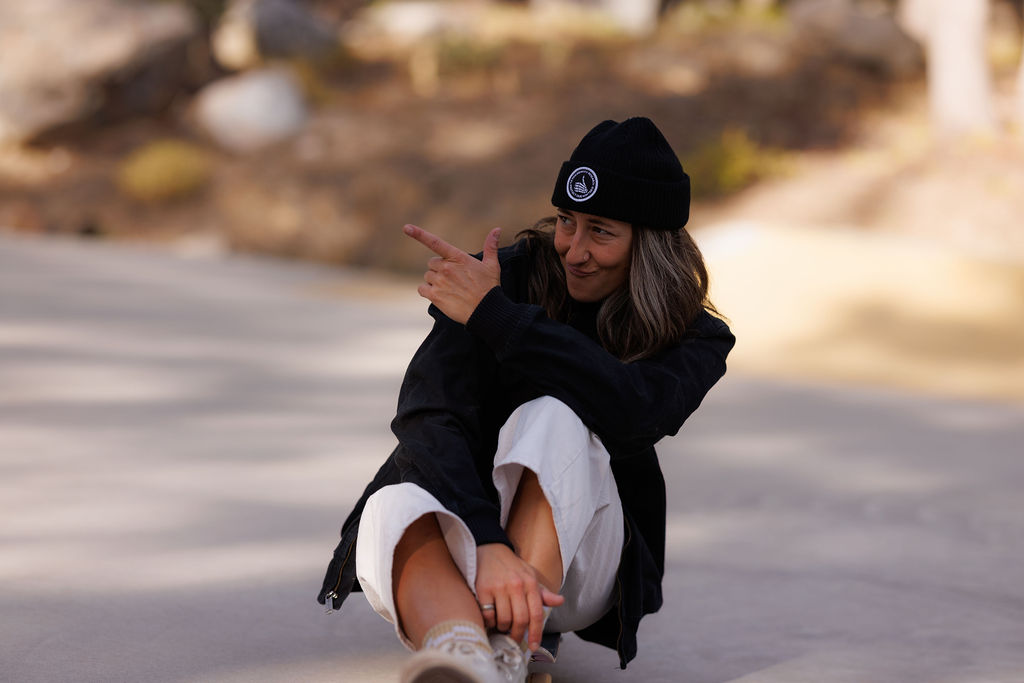
While official statements from the executive leadership of POW and TGR emphasize the "heart on your sleeve" metaphor, the underlying message is one of community mobilization. The organizations have stated that the collection is designed to represent a community that uses "whatever tools they have" to make a difference. This inclusive language is a deliberate attempt to broaden the definition of an "environmentalist" beyond the traditional scientist or policy maker.
Industry analysts suggest that this partnership may set a precedent for future collaborations between non-profits and independent creators. As consumers—particularly those in the Gen Z and Millennial cohorts—increasingly demand that brands take a stand on social and environmental issues, the "charity t-shirt" is being replaced by sophisticated, artist-led capsule collections.
The decision by TGR to donate 10% of sales is a significant commitment. In the retail sector, where margins can be thin, such a percentage represents a substantial portion of the profit. This financial transparency is expected to bolster brand loyalty among TGR’s core audience, who are often skeptical of "greenwashing" or superficial corporate environmentalism.
Broader Impact: Art as a Vehicle for Systemic Change
The broader impact of the Angel Lopez x POW x TGR collaboration lies in its ability to normalize the integration of activism into everyday commerce. For the tattoo community, Lopez’s work demonstrates that even a highly individualized and traditionally "counter-culture" craft can be a powerful tool for systemic change.
Furthermore, the project highlights the importance of the "outdoor state"—the collective body of outdoor enthusiasts who, if mobilized, represent a significant political force. By wearing the Lopez designs, individuals are signaling their membership in this "state" and their support for the policies POW advocates for, such as the transition to renewable energy and the protection of federal lands from extractive industries.
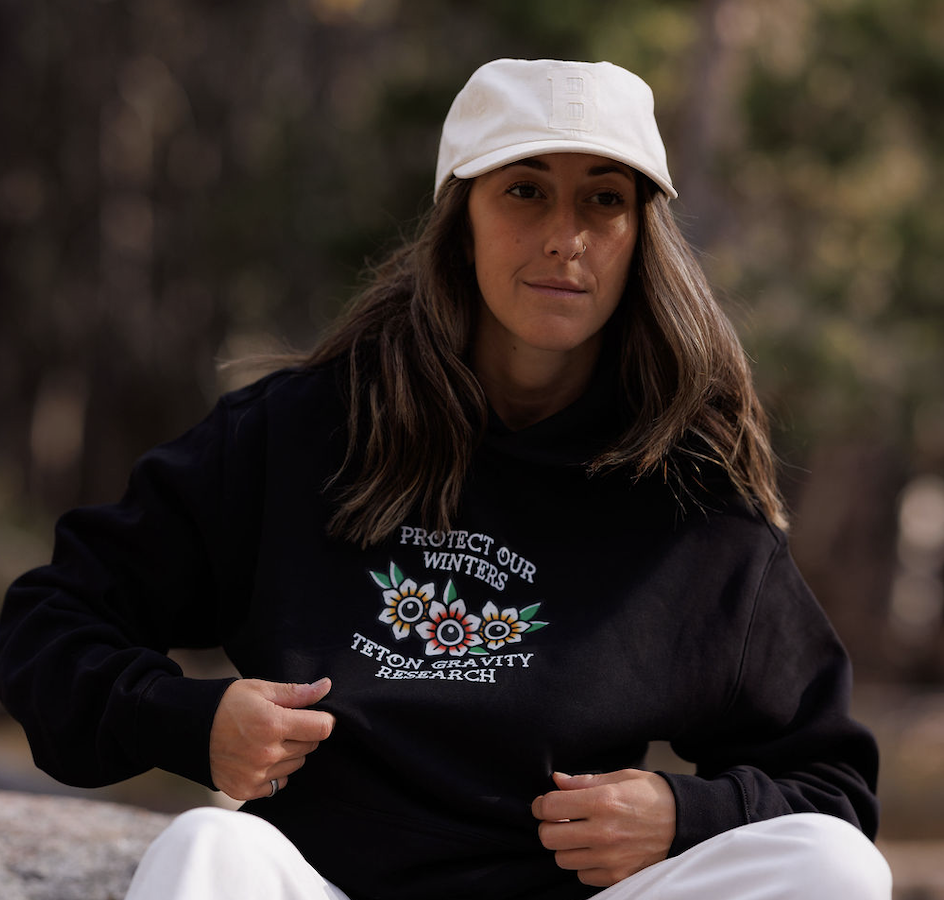
In conclusion, the collaboration is more than a simple product launch. It is a synthesis of personal history, artistic expression, and strategic environmentalism. As the climate crisis continues to reshape the physical and economic landscapes of the globe, the ability of the outdoor community to innovate through creative partnerships will be essential. Angel Lopez’s work serves as a reminder that the tools for protection are as varied as the landscapes themselves—ranging from the paintbrush and the tattoo machine to the halls of Congress.
The POW x TGR collection is currently available through the Protect Our Winters online shop, offering a tangible way for the public to contribute to the ongoing effort to preserve the natural world for future generations of climbers, bikers, and artists alike.
