

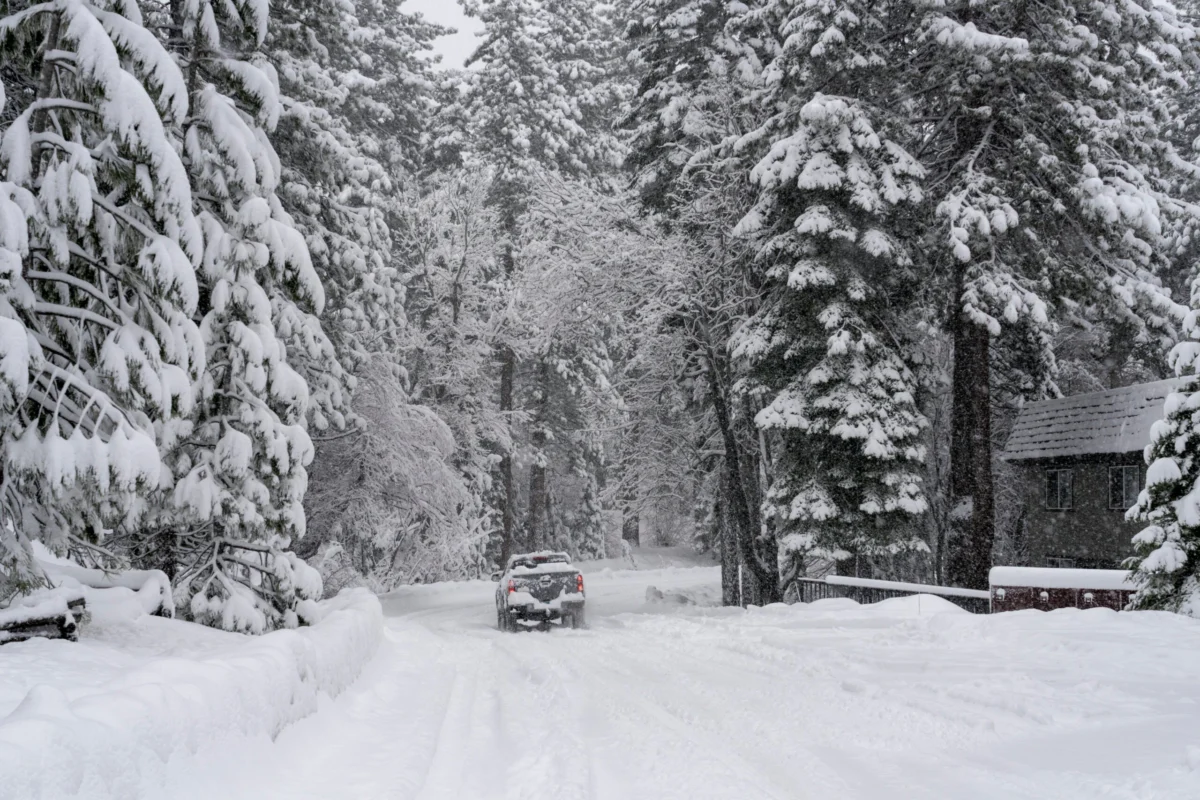
In the high-altitude environment of Steamboat Springs, Colorado, the selection of a motor vehicle serves as a primary indicator of socioeconomic status, professional affiliation, and personal identity. While urban centers often prioritize fuel efficiency or luxury branding, mountain towns like Steamboat Springs operate within a unique automotive ecosystem where utility, off-road capability, and winter performance are the primary metrics of value. In this region, the automotive landscape is dominated by a specific hierarchy of vehicles, most notably the Toyota Tacoma, the Ford F-150, the Mercedes-Benz Sprinter, and various Subaru models. Each of these vehicles represents a distinct segment of the population, creating a social fabric woven from the threads of mechanical preference and lifestyle requirements.
The Sociological Divide: Toyota Tacoma versus Ford F-150
The most prominent rivalry in the Western American ski town is the ideological and practical divide between owners of the Toyota Tacoma and the Ford F-150. While both are classified as pickup trucks, their roles in the local economy and social hierarchy differ significantly.
Market data from the early 2020s suggests that the Ford F-150 remains the best-selling vehicle in the United States, a trend that is mirrored in rural Colorado. However, in Steamboat Springs, the F-150 is frequently associated with the local workforce engaged in the trades, including construction, ranching, and specialized technical services. These vehicles are often characterized by their high towing capacities and large payloads, necessary for the rigorous demands of mountain labor. Observers note that these trucks are frequently maintained in pristine condition, serving as a point of professional pride for owners who often outearn their counterparts in the service and outdoor recreation sectors.
Conversely, the Toyota Tacoma occupies a different cultural niche. It is the preferred vehicle of the "outdoor enthusiast" demographic—individuals who often possess liberal arts backgrounds and prioritize recreational utility over raw industrial power. The Tacoma is celebrated for its longevity and off-road agility, often appearing in the town with visible layers of mud and a collection of stickers representing various outdoor brands or local causes. Within the community, a clean Tacoma is often seen as a sign of recent purchase or a "garage-kept" luxury, whereas a weathered, high-mileage Tacoma is viewed as a badge of authenticity in the mountain lifestyle.
The Rise of the Sprinter Van and the Vanlife Economy
Over the past decade, Steamboat Springs has witnessed a significant influx of Mercedes-Benz Sprinter vans, particularly during the summer mountain biking season. These vehicles, often costing between $100,000 and $200,000 after custom conversions, represent the "vanlife" movement that has permeated the American West.
Many of these vehicles originate from Colorado’s Front Range—cities like Denver and Boulder—where high-income earners seek self-contained travel options. These "bedrooms on wheels" allow visitors to bring significant gear, including high-end mountain bikes and camping equipment, into the Yampa Valley. However, this trend has created a friction point with local residents. While these vans provide unparalleled convenience for the traveler, they place a strain on trailhead parking infrastructure and local ordinances regarding overnight camping. The presence of these high-cost, gas-guzzling vehicles often highlights the wealth gap between visiting recreationists and the local workforce struggling with a rising cost of living.
The Transition from Subaru to Practical SUVs
For decades, the Subaru Forester and Outback were considered the "unofficial vehicles" of Colorado. Known for their Symmetrical All-Wheel Drive and reliability in snow, they served as the entry point for many residents moving from urban centers to the mountains. However, as the demographics of mountain towns shift and the used car market fluctuates, a new trend is emerging: the move toward "sensible" compact SUVs like the Honda CR-V.
The transition from a Subaru to a Honda or similar crossover often marks a shift in a resident’s lifecycle. While the Subaru is synonymous with the "mountain memories" of teaching children to ski and camp, the practicalities of mountain living eventually take precedence. Residents report that while the desire for a Toyota Tacoma remains high due to its social cachet, the economic reality of the used truck market—where even high-mileage Tacomas command premium prices—often forces a pivot toward more affordable, used SUVs.
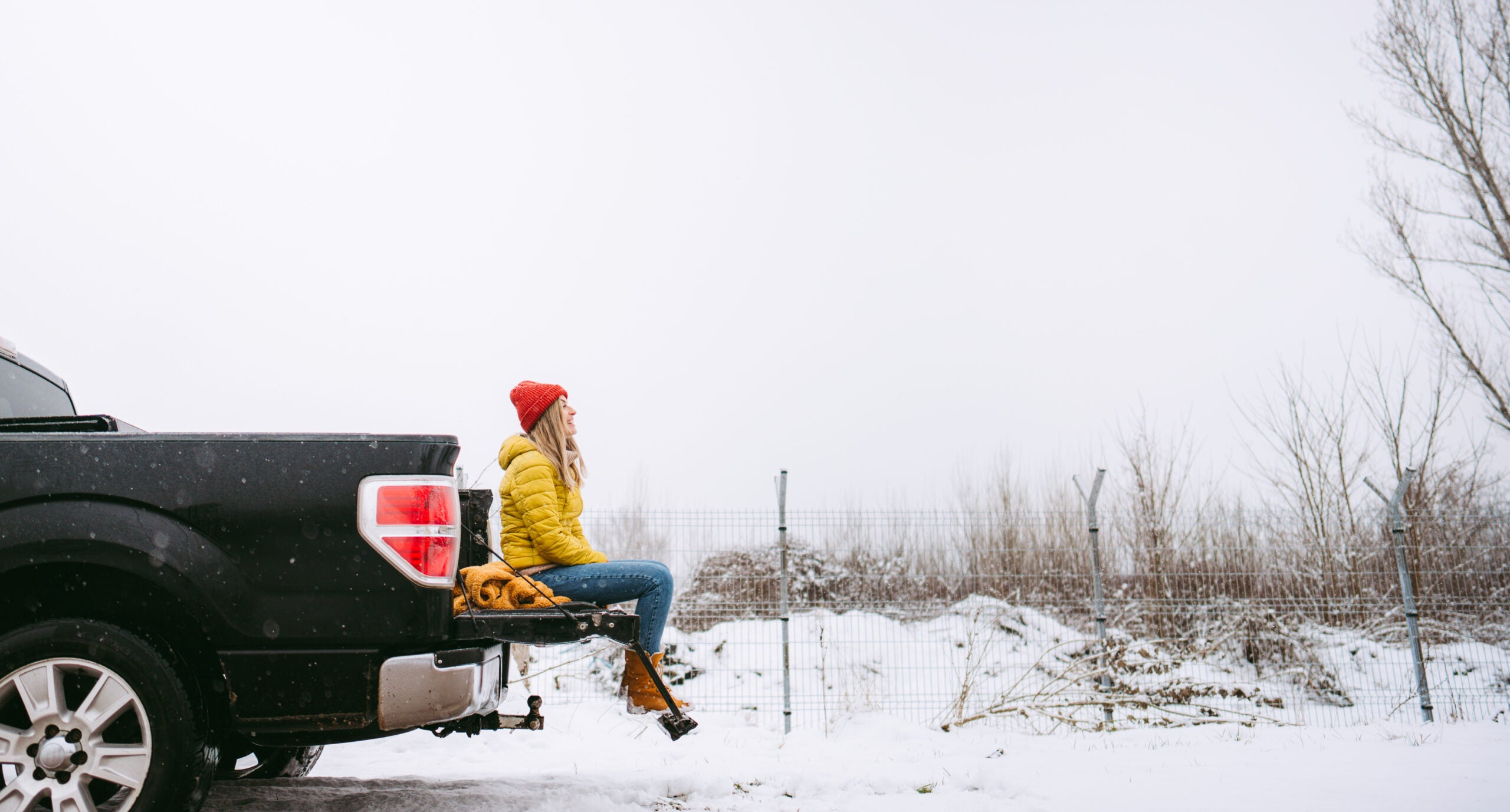
A primary requirement for any vehicle in this region remains constant: All-Wheel Drive (AWD), heated seating, and a price point that aligns with local wages. As the cost of housing in Steamboat Springs continues to rise, the "luxury" of a dedicated mountain truck is becoming increasingly out of reach for those without access to covered parking or high-level executive salaries.
Economic Impacts and the Used Vehicle Market
The economic landscape for vehicles in mountain towns has been significantly impacted by global supply chain issues and the subsequent rise in used car valuations. In Steamboat Springs, the "ski town beater"—a high-mileage, aesthetically challenged vehicle that remains mechanically sound for winter driving—is a vanishing breed.
Data indicates that the premium on 4WD and AWD vehicles in mountain zip codes can be as much as 15% to 20% higher than in nearby flatland regions. This "mountain tax" extends to maintenance and accessories, such as winter tires and roof-mounted cargo boxes (often referred to as "rocket boxes"). For many residents, the loss of a vehicle to an accident or mechanical failure necessitates a difficult choice: reinvesting in a high-priced truck that fits the local "cool" aesthetic or opting for a "mom-mobile" that provides the necessary utility without the social status.
Infrastructure, Public Transit, and the "Walkable" Shift
A critical factor often overlooked in the discussion of mountain town vehicles is the evolution of local infrastructure. Steamboat Springs has invested heavily in a free city bus system and a comprehensive network of bike paths and pedestrian-friendly zones. This investment is beginning to alter the necessity of vehicle ownership for some segments of the population.
Residents living in the "Old Town" or "Mountain Village" areas are increasingly finding that they can bypass the stress of winter driving and the social pressure of vehicle selection by utilizing public transit. The ability to ride a mountain bike directly from one’s doorstep to the trailhead, or to take a three-block walk to a bus stop that leads directly to the ski resort, has reduced the daily reliance on personal vehicles.
This shift has profound implications for the town’s environmental footprint and traffic congestion. By reducing the number of "cold starts" and short-distance trips in heavy trucks, the community is moving toward a more sustainable model of mountain living. It also allows residents to opt for more "uncool" but efficient vehicles, as the car becomes a tool for long-distance travel rather than a daily necessity for local navigation.
Broader Implications for Mountain Town Identity
The vehicle one drives in a town like Steamboat Springs remains a powerful form of non-verbal communication. It signals one’s tenure in the town, one’s professional standing, and one’s commitment to the outdoor lifestyle. However, as the community matures and faces modern economic pressures, the rigid hierarchies of the past are beginning to soften.
The "one less Sprinter van" stickers found on the back of mud-caked Tacomas reflect a lingering desire for a simpler, less commercialized mountain experience. Yet, the reality of 2026 mountain living is one of high-tech conversions, expensive utility vehicles, and a growing recognition that the most "mountain" thing one can do is leave the car at home.
As mountain towns continue to grapple with growth and affordability, the automotive culture will likely continue to bifurcate. On one side will be the highly specialized, expensive rigs of the affluent and the dedicated tradespeople; on the other will be the practical, efficient crossovers of the resident population who prioritize access to the outdoors over the brand of the machine that gets them there. Ultimately, the "best" ride in a ski town may not be the one that looks the coolest in the parking lot, but the one that is paid off, equipped with good snow tires, and parked while its owner enjoys the mountain on foot or by bike.
