

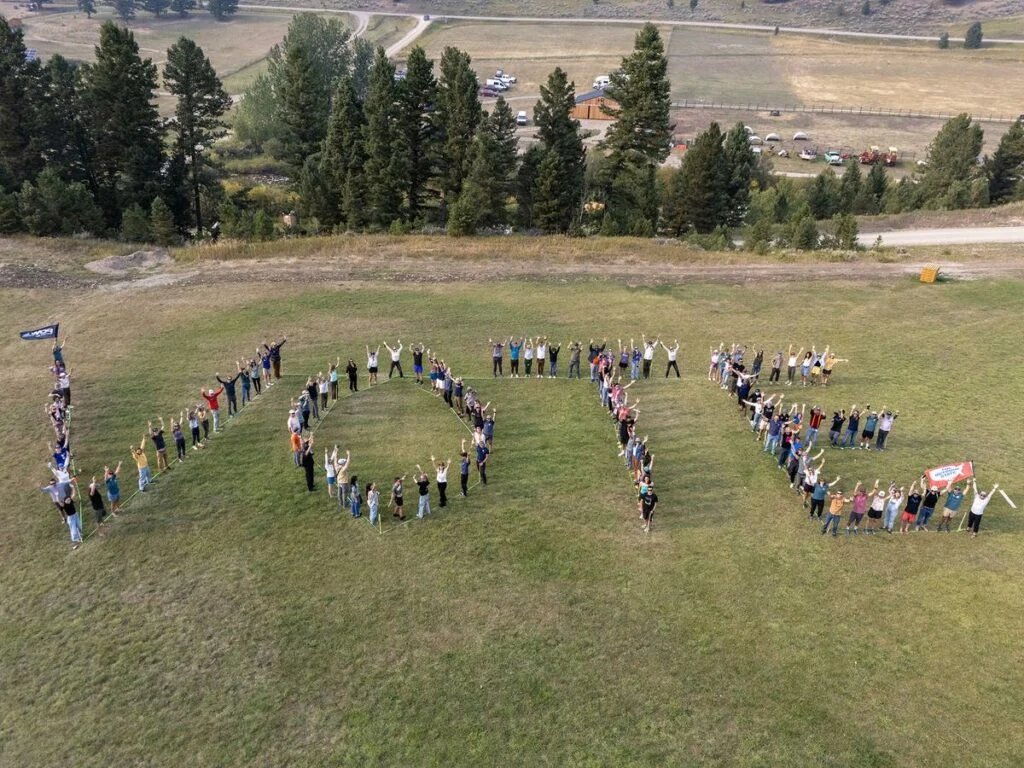
Protect Our Winters (POW), a prominent non-profit advocacy group representing the outdoor recreation community, has officially launched its strategic initiative for the 2026 midterm elections, aiming to mobilize what it terms the "Outdoor State." This demographic, comprised of an estimated 45 million eligible voters—including skiers, climbers, hikers, anglers, and mountain bikers—is being positioned as a decisive voting bloc capable of influencing federal and state-level climate policy. The organization’s primary objective, "Shift Who Decides," seeks to transform the collective passion for wild places into a disciplined political force that prioritizes clean air, clean water, and the protection of public lands from industrial exploitation.
The initiative comes at a critical juncture for American environmental policy. According to POW and various environmental monitoring groups, the last several years have seen significant fluctuations in the protection of public lands and climate-related regulations. The organization argues that the stakes for the 2026 midterms are historically high, as these elections will determine the composition of the U.S. Congress and several key governorships, ultimately shaping the legislative landscape for the remainder of the decade. By focusing on the "margins" of victory—often thin in midterm cycles—POW intends to ensure that candidates who ignore the concerns of the outdoor community do so at their own political peril.
The Rise of the Outdoor State: A Demographic Analysis
The concept of the "Outdoor State" is rooted in the significant economic and social footprint of the outdoor recreation industry. According to the U.S. Bureau of Economic Analysis (BEA), the outdoor recreation economy accounts for approximately $1.1 trillion in annual economic output, representing 2.2% of the United States’ Gross Domestic Product (GDP). This sector supports nearly five million jobs across various industries, from manufacturing and retail to tourism and hospitality.
Despite this economic weight, the outdoor community has historically been viewed as a fragmented constituency. POW’s strategy aims to bridge these gaps, uniting disparate groups such as traditional conservationists (hunters and anglers) with newer generations of outdoor enthusiasts (trail runners and professional athletes). The goal is to reach 45 million eligible voters, a number that exceeds the population of most individual U.S. states. By educating this group on the specific records of lawmakers regarding public land rollbacks and carbon emission standards, POW hopes to create a unified front that can withstand the lobbying efforts of extractive industries.
Chronology of Environmental Policy and Public Land Management (2018–2024)
To understand the urgency of the 2026 campaign, it is necessary to examine the timeline of environmental governance over the past six years. This period has been characterized by a volatile "pendulum swing" in federal oversight:
- 2018–2020: The federal government oversaw a significant expansion of oil and gas leasing on public lands. This era included the reduction of the Bears Ears and Grand Staircase-Escalante National Monuments and the opening of the Arctic National Wildlife Refuge (ANWR) to drilling.
- 2021–2022: A shift in executive priorities led to the restoration of national monument boundaries and the passage of the Inflation Reduction Act (IRA), the largest climate investment in U.S. history. However, this period also saw the approval of the Willow Project in Alaska, a massive oil development project that drew sharp criticism from climate advocates.
- 2023–2024: Legislative and judicial challenges have increasingly targeted the executive branch’s ability to regulate emissions. The Supreme Court’s decision in Loper Bright Enterprises v. Raimondo (2024), which overturned the "Chevron deference," has significantly weakened the ability of federal agencies like the Environmental Protection Agency (EPA) to implement environmental protections without explicit and highly specific congressional authorization.
This timeline highlights the fragility of climate progress when it relies solely on executive orders. Protect Our Winters argues that only a permanent shift in the legislative branch—secured through consistent voter turnout in midterms—can provide the long-term stability needed for meaningful climate action.
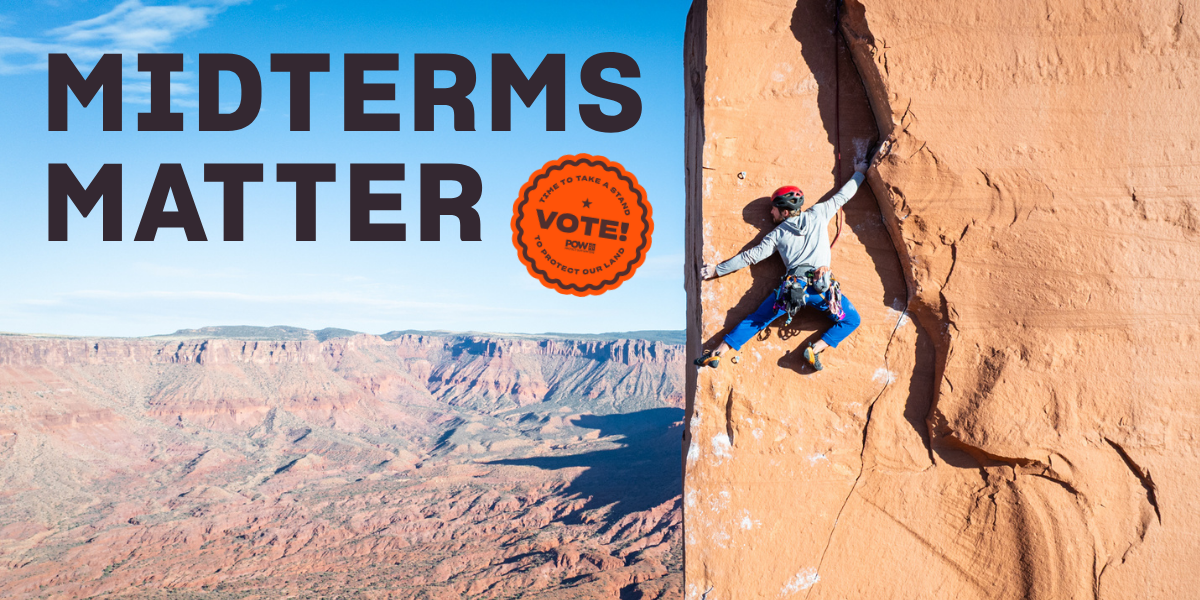
Supporting Data: The Power of Midterm Margins
Midterm elections are traditionally characterized by lower voter turnout compared to presidential election years, which often means that small groups of motivated voters can have an outsized impact on the outcome. In 2022, voter turnout was approximately 52.2% of the voting-age population. While this was high by historical standards—marking one of only three midterms since 1978 to exceed 50%—it still left nearly half of the electorate on the sidelines.
POW’s analysis suggests that in many "swing" districts and states with high concentrations of outdoor recreation activity, the margin of victory is often less than 2%. For example, in states like Montana, Colorado, and Nevada, where the outdoor economy is a primary driver of the state’s budget, the number of registered voters who identify as outdoor enthusiasts far exceeds the margin of victory in recent Senate and House races. By increasing turnout among this specific group by even a few percentage points, the "Outdoor State" can effectively decide which candidates are sent to Washington D.C.
Legislative Threats and the "Shift Who Decides" Strategy
The "Shift Who Decides" pillar of the POW campaign focuses on three primary areas of concern:
1. Protection of the Antiquities Act
There have been recurring legislative attempts to reform or weaken the Antiquities Act of 1906, which allows presidents to designate national monuments. Weakening this act would make it easier for future administrations to de-list protected areas for mining and drilling.
2. Implementation of the Inflation Reduction Act (IRA)
While the IRA provided hundreds of billions of dollars for clean energy, the actual deployment of these funds depends on state-level cooperation and federal oversight. POW intends to support candidates who will ensure these funds are used for renewable energy infrastructure rather than being diverted or stalled.
3. Reform of the Mineral Leasing Act
The organization advocates for updating the 1920 Mineral Leasing Act to ensure that taxpayers receive fair value for the use of public lands and that conservation is given equal weight to extraction in land-use planning.
Official Responses and Industry Perspectives
While POW represents the advocacy arm of the outdoor community, the broader industry has shown increasing support for these initiatives. The Outdoor Industry Association (OIA) has frequently echoed the sentiment that climate change is an existential threat to the $1.1 trillion recreation economy.

"Our industry is on the front lines of the climate crisis," noted a spokesperson for a major outdoor apparel brand in a recent industry forum. "When there is no snow for the ski resorts or when wildfire smoke makes it impossible to hike or bike, our businesses suffer. We view political participation not as a choice, but as a business necessity."
Conversely, some proponents of increased domestic energy production argue that aggressive climate policies could lead to higher energy costs and economic instability in rural regions that rely on mining and drilling jobs. This tension sets the stage for a highly contested 2026 cycle, where the "Outdoor State" will find itself in direct opposition to well-funded interest groups from the fossil fuel sector.
Broader Impact and Long-term Implications
The mobilization of the Outdoor State represents a broader trend in American politics: the "politicization of lifestyle." As climate change begins to tangibly affect how people spend their leisure time and where they choose to live, recreational identity is becoming a powerful predictor of voting behavior.
If Protect Our Winters succeeds in its goal of reaching 45 million voters, it could create a permanent "Climate Caucus" in the U.S. government. This would move climate policy out of the realm of partisan debate and into the realm of essential economic and resource management. The 2026 midterms will serve as a litmus test for this strategy. If turnout among outdoor enthusiasts reaches record highs and influences key races, it will signal a fundamental shift in the American political landscape—one where the preservation of the natural world is no longer a secondary concern, but a primary driver of electoral success.
As the campaign progresses, POW plans to provide "voter guides" tailored to specific outdoor communities, highlighting how local candidates stand on issues ranging from water rights in the West to coastal erosion in the East. The organization remains focused on the "thin margins," operating under the philosophy that in both mountaineering and politics, success is the result of meticulous preparation and the refusal to "wing it." With the 2026 midterms on the horizon, the Outdoor State is being called to move from the peaks and trails to the ballot box, aiming to ensure that the places they recreate today will remain protected for generations to come.
