


On September 16, 2024, a bicameral group of federal lawmakers, supported by a broad coalition of outdoor industry leaders, scientists, and environmental advocates, formally introduced the Environmental Health Restoration Act (EHRA). Led by Representative Sean Casten (D-IL) and Senator Sheldon Whitehouse (D-RI), the legislation seeks to codify and strengthen the foundational mission of the Environmental Protection Agency (EPA). The bill arrives at a critical juncture for American environmental policy, following a series of judicial rulings and executive actions that have significantly curtailed the agency’s ability to regulate pollutants and enforce public health standards.
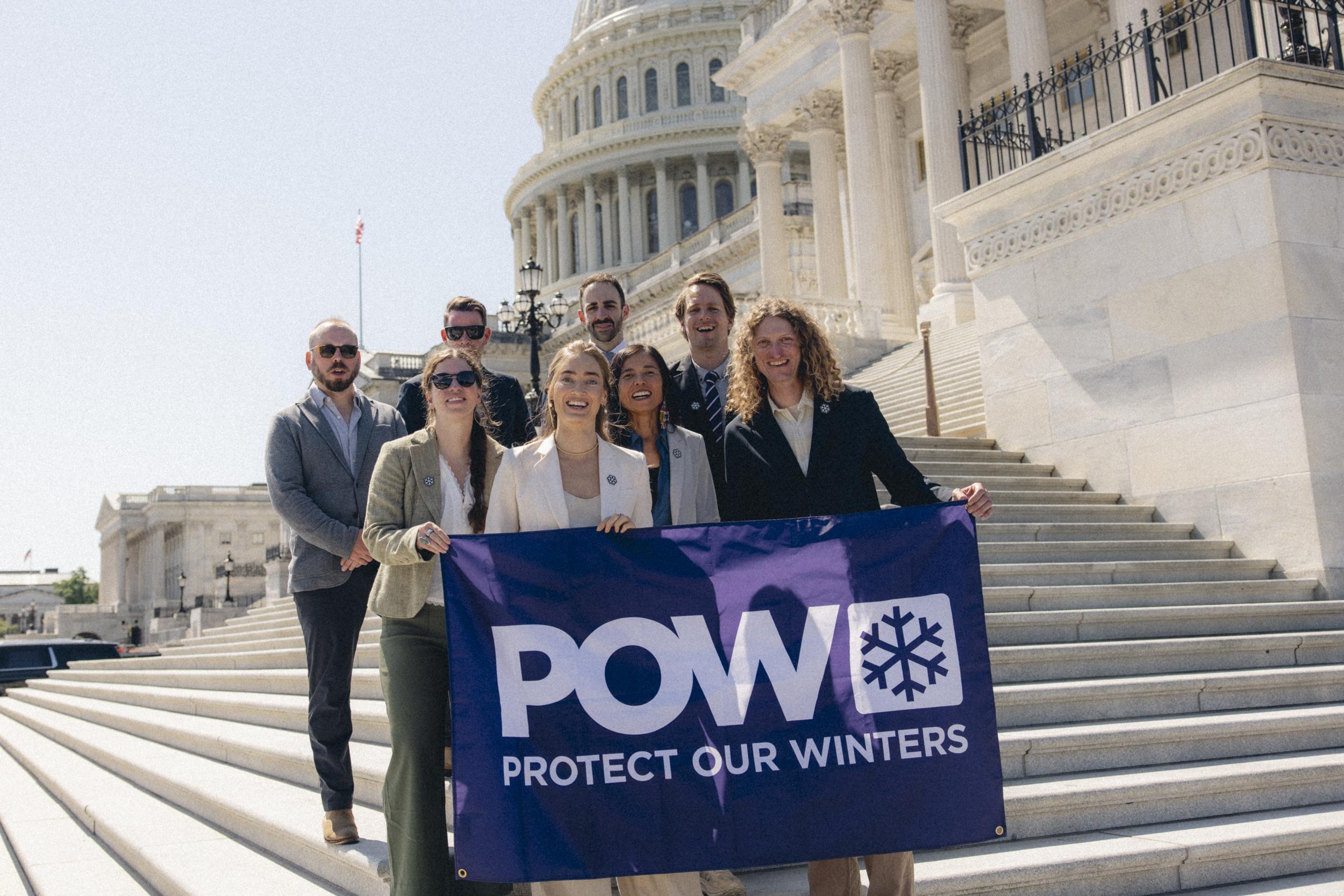
The EHRA is designed to serve as a legislative bulwark against the systematic "hollowing out" of the EPA’s regulatory framework. For over five decades, the EPA has operated under a mandate to safeguard the nation’s air and water—a mission that historically enjoyed bipartisan support since the agency’s inception under the Nixon administration in 1970. However, proponents of the EHRA argue that this consensus has fractured, leaving the agency vulnerable to political shifts and legal challenges that threaten the stability of environmental protections.
The Legislative Intent of the Environmental Health Restoration Act
The primary objective of the EHRA is to restore the EPA’s authority to protect public health through science-based safeguards. In recent years, the agency’s capacity to enforce the Clean Air Act and the Clean Water Act has been challenged by various federal actions and Supreme Court decisions. The EHRA seeks to provide a permanent statutory footing for these protections, making it more difficult for successive administrations to dismantle regulations through executive orders or internal policy shifts.
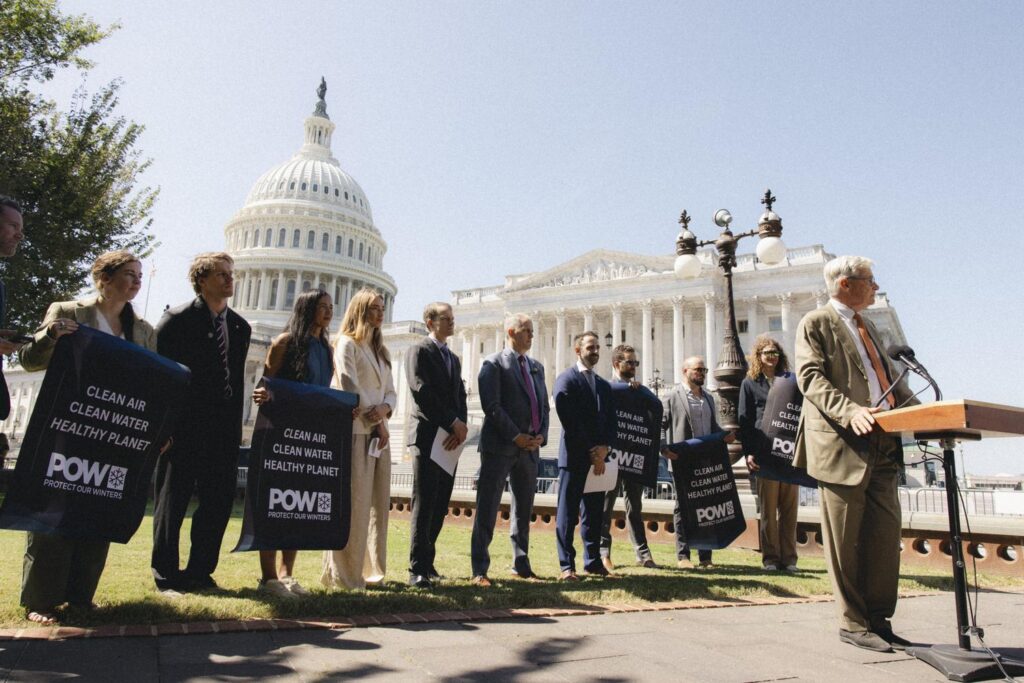
Key provisions of the act include the restoration of the EPA’s authority to regulate climate pollution and the reinforcement of the "science-first" approach to rulemaking. By codifying these authorities, the bill aims to prevent the "regulatory ping-pong" that occurs when environmental standards are significantly weakened or overturned every four to eight years. Senator Whitehouse, a long-time advocate for climate action, emphasized during the bill’s introduction that the EHRA is intended to "jumpstart the long process of restoring the science, the scientists, and the original mission guiding the EPA."
Historical Context and the Erosion of Regulatory Authority
To understand the necessity of the EHRA, it is essential to examine the trajectory of environmental regulation over the last decade. Since its founding, the EPA has been responsible for drastic improvements in American life. According to the EPA’s own retrospective studies, the Clean Air Act alone has prevented hundreds of thousands of premature deaths and millions of cases of respiratory illness, providing a benefit-to-cost ratio of approximately 30-to-1.

However, recent years have seen a reversal of this trend. During the Trump administration, more than 100 environmental rules were targeted for reversal. These included the repeal of the Clean Power Plan and the narrowing of the "Waters of the United States" (WOTUS) rule, which significantly reduced the number of wetlands and streams protected under federal law. Furthermore, the 2024 Supreme Court decision in Loper Bright Enterprises v. Raimondo, which overturned the "Chevron deference" doctrine, has fundamentally altered the landscape of administrative law. Without Chevron deference, courts no longer defer to an agency’s reasonable interpretation of an ambiguous statute, placing the onus on Congress to be hyper-specific in its legislative language—a gap the EHRA intends to fill.
The Economic and Health Imperatives for Restoration
The push for the EHRA is not merely an environmental concern; it is increasingly framed as an economic and public health necessity. Pollution does not adhere to geopolitical boundaries, and the degradation of air and water quality has profound impacts on various sectors of the U.S. economy.
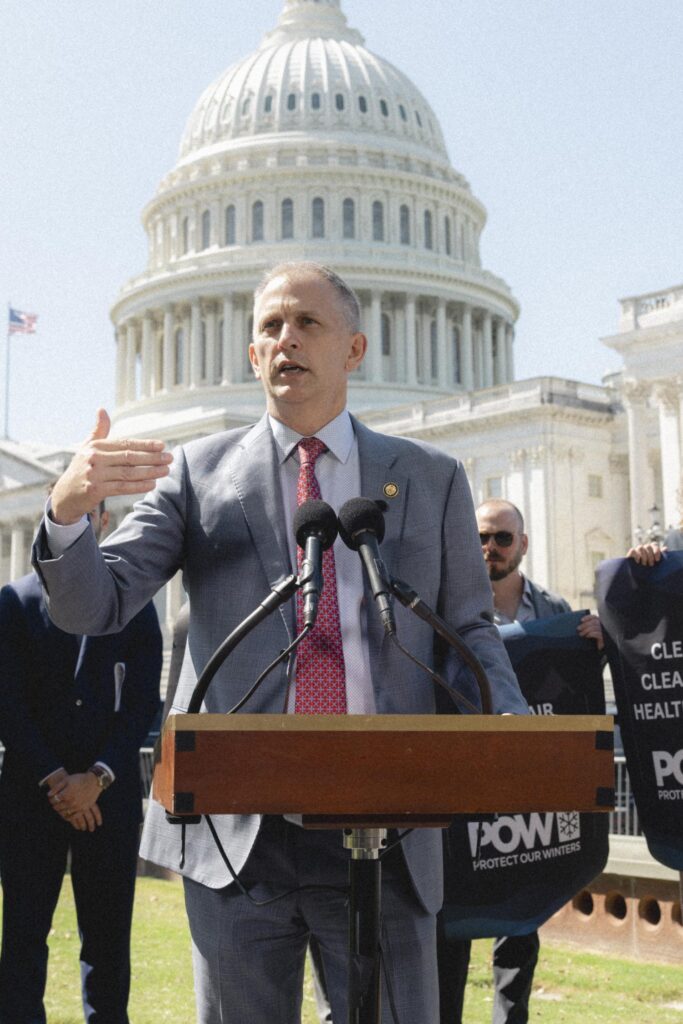
The outdoor recreation industry, which contributes an estimated $1.1 trillion to the U.S. Gross Domestic Product (GDP) and supports nearly five million jobs, is particularly vulnerable. Protect Our Winters (POW), a non-profit advocacy group that joined lawmakers for the bill’s introduction, highlighted the direct link between environmental health and economic stability. In regions dependent on winter tourism, shrinking snowpacks and volatile weather patterns—driven by climate change—threaten the viability of ski resorts and local businesses.
Public health data also supports the urgency of the EHRA. Research from the American Lung Association indicates that nearly 40% of Americans live in areas with unhealthy levels of ozone or particle pollution. The EHRA’s focus on restoring air quality standards is viewed by health professionals as a vital step in reducing the prevalence of asthma and cardiovascular diseases, which disproportionately affect low-income communities and communities of color located near industrial corridors.

A Broad Coalition: Athletes, Scientists, and Advocates
The introduction of the EHRA saw a unique convergence of stakeholders. At the press conference held on the Capitol lawn, lawmakers were joined by a coalition that included the League of Conservation Voters, Surfrider Foundation, the Natural Resources Defense Council (NRDC), and the Southern Utah Wilderness Alliance.
The presence of professional athletes, such as renowned climber Tommy Caldwell, underscored the "on-the-ground" impacts of environmental degradation. Caldwell noted that his decades of experience in high-altitude environments have provided a front-row seat to the rapid recession of glaciers and the increasing frequency of wildfire smoke, which hampers outdoor activity and poses significant health risks.
Ben Gubits, Vice President of Advocacy and Campaigns for POW, stated that the EHRA "draws a clear line" by requiring the EPA to prioritize scientific evidence and public safety over the interests of industrial polluters. This sentiment reflects a growing movement within the outdoor community to leverage its collective economic influence to drive federal policy.
Chronology of Advocacy and Legislative Strategy
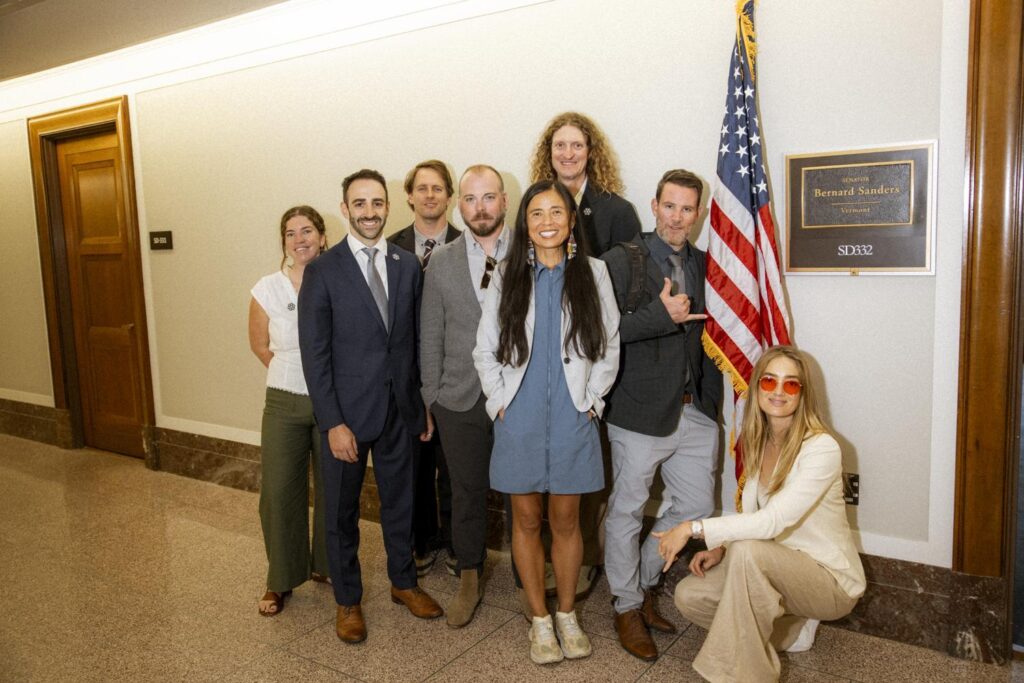
The formal introduction of the EHRA on September 16 followed months of strategic coordination and direct lobbying. In the days surrounding the announcement, advocates met with a bipartisan array of congressional offices, including Representatives Andrew Garbarino (R-NY) and Maxine Dexter (D-OR), as well as Senators Bernie Sanders (I-VT), Jeff Merkley (D-OR), and Ron Wyden (D-OR).

The strategy behind these meetings was to build a "durable coalition" that transcends party lines. While the bill currently faces a divided Congress, proponents are playing a "long game." Legislative analysts and the bill’s sponsors acknowledge that the EHRA is unlikely to pass in the current session. Instead, the 2024 introduction serves as the foundational stage of a multi-year effort.
The goal is to build a legislative record, secure co-sponsors, and organize grassroots support to ensure the bill is positioned for passage when a more favorable political "weather window" opens—potentially as late as the 120th Congress in 2029. This approach mirrors the historical path of major environmental legislation, such as the 1990 amendments to the Clean Air Act, which required years of negotiation and coalition-building before reaching the president’s desk.

Analysis of Implications and Future Outlook
If enacted, the Environmental Health Restoration Act would represent one of the most significant shifts in environmental law in decades. By explicitly granting the EPA the authority to address modern challenges like greenhouse gas emissions and "forever chemicals" (PFAS), the bill would modernize an agency that is currently operating under statutes written before these threats were fully understood.
The implications for the private sector are also significant. While some industrial groups may view increased regulation as a burden, others in the "green economy" and the outdoor industry see the EHRA as a source of regulatory certainty. Businesses often cite the "seesaw" of environmental regulations as a major obstacle to long-term investment. A durable, codified set of standards would allow for more predictable economic planning.

Furthermore, the EHRA addresses the issue of environmental justice. By reinforcing the EPA’s mandate to protect public health, the bill provides a mechanism for addressing the cumulative impacts of pollution in "fenceline" communities. The restoration of enforcement authority would allow the agency to more effectively penalize violators of the Clean Air and Clean Water Acts, ensuring that the cost of pollution is borne by the polluters rather than the public.
Conclusion: The Path Toward 2029
The introduction of the Environmental Health Restoration Act marks the beginning of a sustained campaign to redefine the relationship between the federal government and environmental protection. As the coalition of advocates returns to their respective districts, the focus shifts to organizing power and growing stakeholder support.

The path forward for the EHRA involves navigating a complex political landscape and overcoming the legal hurdles posed by a more conservative judiciary. However, the bill’s proponents remain clear-eyed about the challenges. By framing the restoration of the EPA as a matter of public health, economic necessity, and scientific integrity, they aim to rebuild the non-partisan agreement that once defined American environmental policy. The next phase of this effort will determine whether the "weather window" for environmental restoration opens in 2029 or whether the agency’s core mission will continue to be a subject of intense political volatility.
