

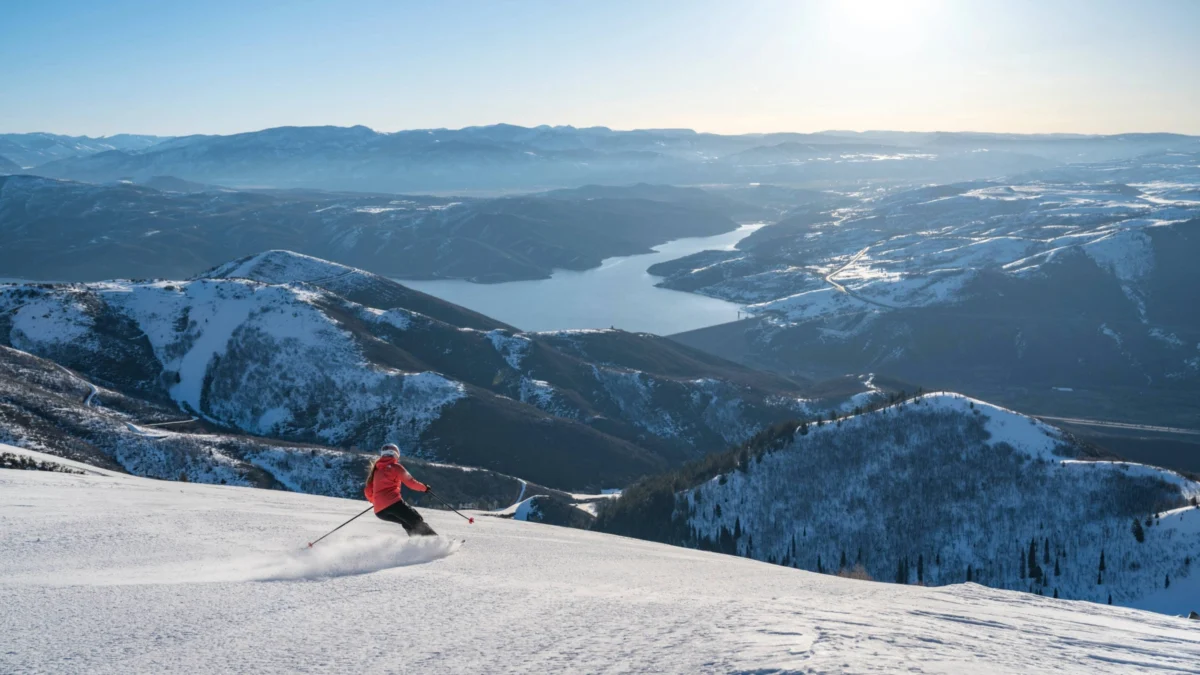
Deer Valley Resort has officially unveiled the next phase of its multi-year "Expanded Excellence" initiative, confirming that the 2026-2027 winter season will see the addition of 200 skiable acres, seven new runs, and the inauguration of the Hail Peak Express lift. This latest development marks a pivotal moment in the resort’s history, as it continues a trajectory that has more than doubled its footprint since 2024. By the start of the 2026-2027 season, the iconic Park City destination will encompass a total of 4,500 acres of skiable terrain, supported by an infrastructure that has seen the introduction of 11 new lifts and over 100 new runs in just a three-year window.
The expansion is not merely a matter of acreage but a strategic overhaul of the resort’s operational capacity and geographical reach. Since the project’s inception, Deer Valley has focused on integrating the newly developed East Village base area with its existing mountain network. The 2026-2027 additions are designed to further bridge these sectors, providing skiers with seamless access to high-alpine terrain that was previously inaccessible to the public.
The Chronology of Expansion: From 2024 to 2027
The transformation of Deer Valley began in earnest during the 2024-2025 season with the groundbreaking of the East Village, a major base area development situated along the US-40 corridor. This site was designed to alleviate traffic congestion within the city of Park City by providing a "gateway" access point for skiers traveling from Salt Lake City and the Heber Valley.
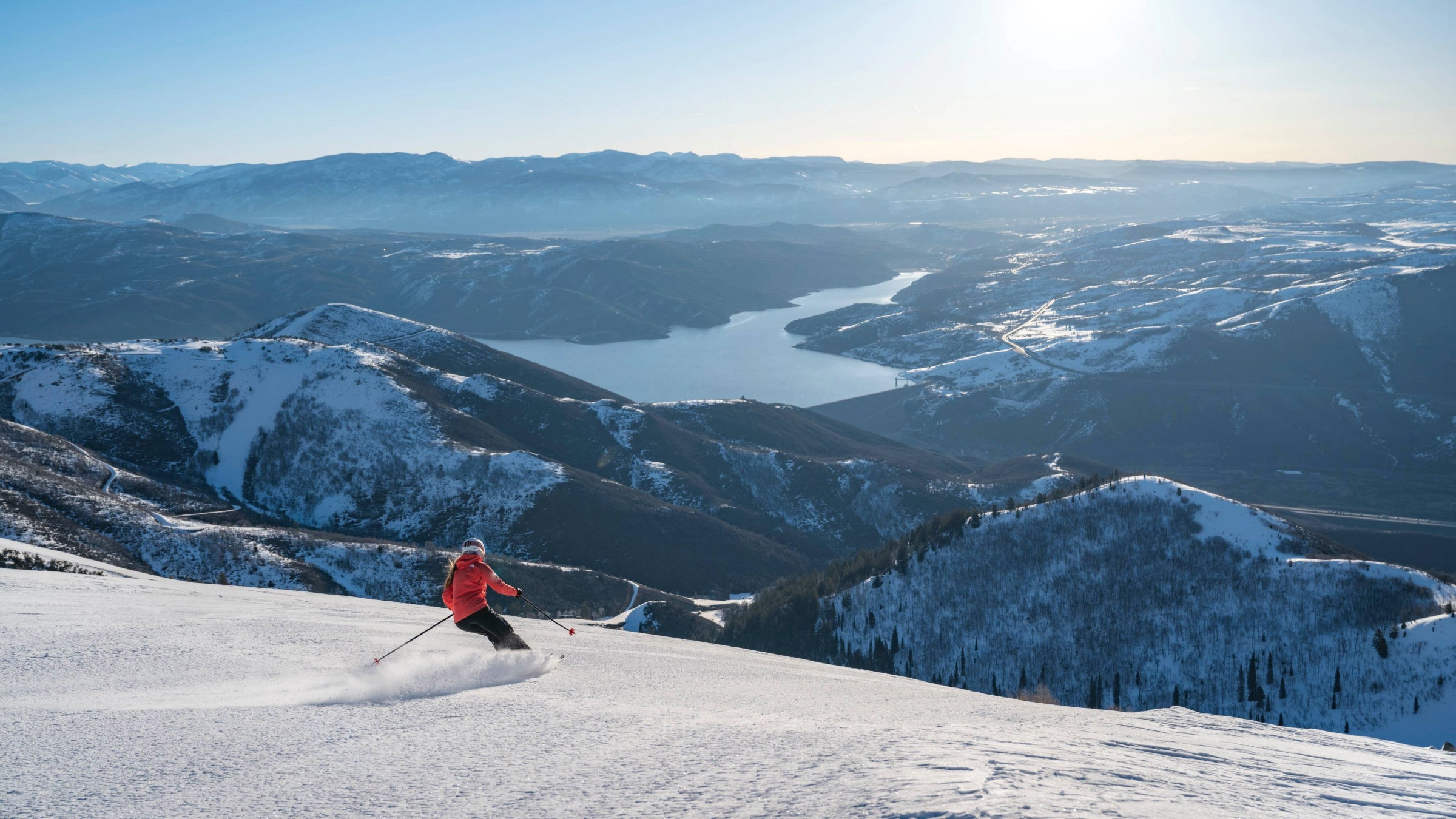
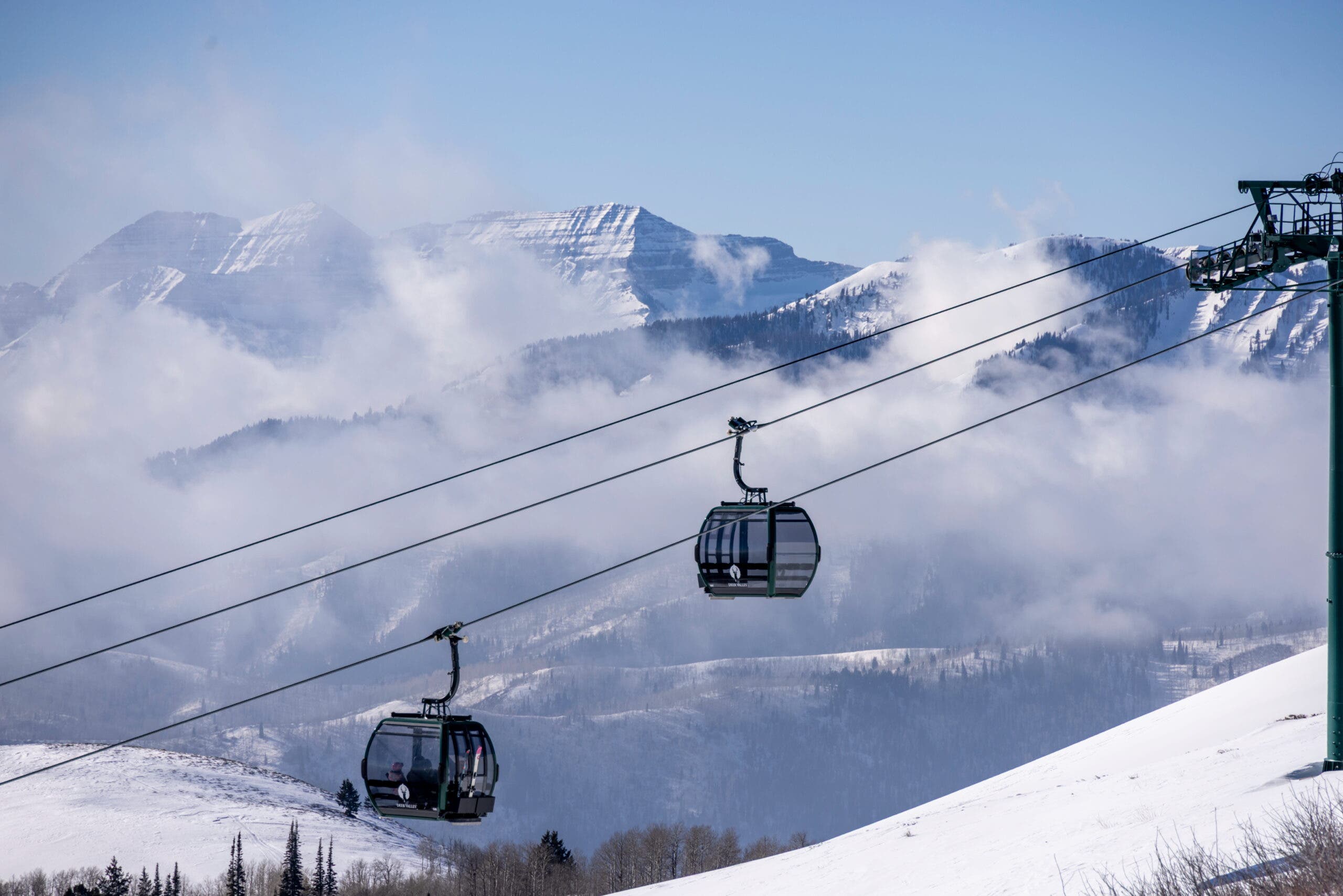
During the 2025-2026 season, the resort executed its largest single-season terrain increase, adding 80 new runs and seven new lifts. A cornerstone of that phase was the East Village Express Gondola, which established a high-speed connection between the new base village and the mountain’s central peaks. The Pinyon Express, a six-person high-speed chairlift, also became operational during this period, facilitating movement across the newly opened glades and groomed trails.
The upcoming 2026-2027 season represents the maturation of this vision. The introduction of the Hail Peak Express will serve as the primary artery for the 200-acre expansion. This lift is expected to unlock a variety of terrain, ranging from wide-open intermediate cruisers to more technical gladed areas. Resort officials have noted that the expansion follows a "complete mountain" philosophy, ensuring that every new lift provides at least one "easy" or "intermediate" way down, maintaining Deer Valley’s reputation for accessibility and family-friendly skiing.
Technical Specifications and Infrastructure Data
The scale of the Deer Valley expansion places it among the largest ski resort developments in North American history. To understand the magnitude of the project, one must look at the data driving the 2026-2027 season:
- Total Skiable Acreage: 4,500 acres (up from approximately 2,026 acres in 2023).
- Total Run Count: 209 named runs.
- New Lift Infrastructure: The Hail Peak Express joins a fleet that includes the recently installed East Village Express and Pinyon Express.
- Vertical Profile: The expansion incorporates significant vertical gain, offering expansive views of the Jordanelle Reservoir and the surrounding Uinta Mountains.
- Access Points: The East Village base area now provides 1,200 new parking spaces and a full-service rental and ski school facility, designed to function as a standalone alternative to the traditional Snow Park Lodge base.
Industry analysts point out that by reaching 4,500 acres, Deer Valley has positioned itself as one of the five largest ski resorts in the United States. This growth is particularly notable given the resort’s strict "skiers-only" policy, which prohibits snowboarding—a distinction it shares with only two other major U.S. resorts.
The 2026 SKI Test: A Venue for Technical Evaluation
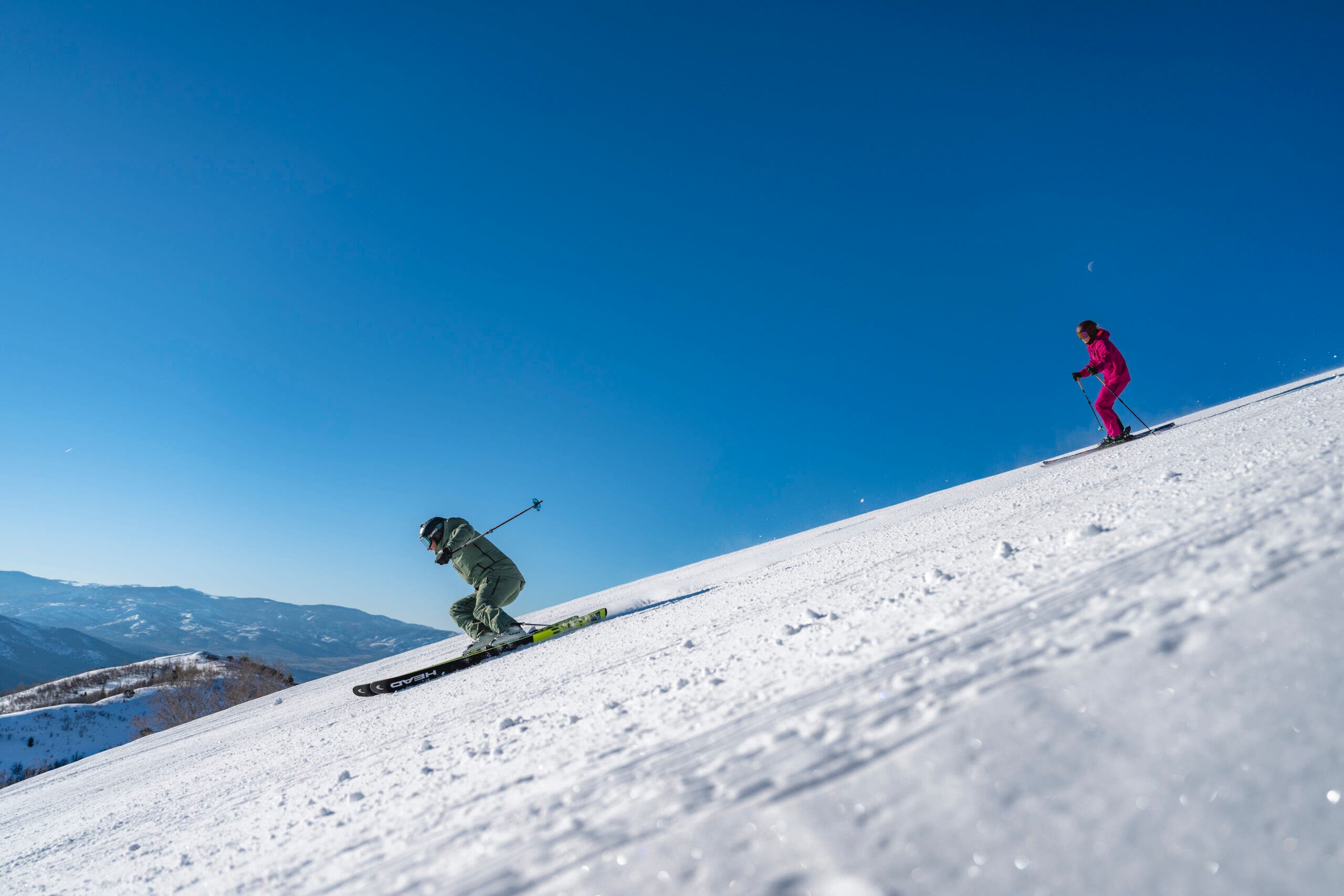
The diversity of the expanded terrain was put to a rigorous professional test in early 2026 when Deer Valley served as the host site for the annual SKI Test. The event, which requires the evaluation of nearly 200 different ski models across various categories (carving, all-mountain, freeride, and powder), utilized the resort’s varied topography to simulate a wide range of global skiing conditions.
Testers, including former Olympic gold medalist Ted Ligety and World Cup racer Kaylin Richardson, utilized the "perfect corduroy" of the resort’s signature groomed runs to test edge-hold and stability. Simultaneously, the technical "Daily Chutes" and the newly opened expert terrain off Park Peak provided the necessary environment for testing high-performance freeride equipment.
The selection of Deer Valley for the 2026 SKI Test was viewed by the industry as a validation of the resort’s terrain variety. Historically perceived primarily as a destination for intermediate "groomer" skiing, the addition of the new peaks and bowls has significantly broadened its appeal to expert and backcountry-oriented skiers.
Strategic Impact and Regional Implications
The expansion of Deer Valley is a joint venture with Extell Development Company and carries significant implications for the regional economy and the broader Utah ski industry. As Salt Lake City prepares for its role as the preferred host for the 2034 Winter Olympics, the modernization of Deer Valley’s infrastructure is seen as a critical component of the state’s "Olympic Legacy" planning.
From a competitive standpoint, the expansion allows Deer Valley to better compete with neighboring Park City Mountain Resort, currently the largest ski resort in the United States. By doubling its size, Deer Valley can accommodate a higher daily skier capacity while maintaining its hallmark commitment to "limited ticket sales." This strategy is intended to prevent the overcrowding that has plagued other major Western resorts in recent years.
"The goal has always been to grow without losing the ‘Deer Valley Difference,’" a resort spokesperson stated during a recent planning commission meeting. "By spreading the skier population across 4,500 acres instead of 2,000, we actually improve the guest experience. There are more chairs, more trails, and fewer people per acre than almost any other major resort in North America."
The East Village development also serves a demographic shift in the region. With the rapid growth of the Wasatch Back and the Heber Valley, the new base area provides a closer, more convenient alternative for local residents, reducing the number of vehicles entering Park City’s historic district and the often-congested SR-224.
Environmental and Aesthetic Considerations
While the expansion involves significant earthmoving and lift installation, the resort has emphasized environmental stewardship. The new runs have been designed to follow the natural fall line of the mountains, minimizing the need for extensive grading. Additionally, the panoramic views of the Jordanelle Reservoir have been integrated into the trail design, with several new "scenic overlooks" established along the ridgelines.
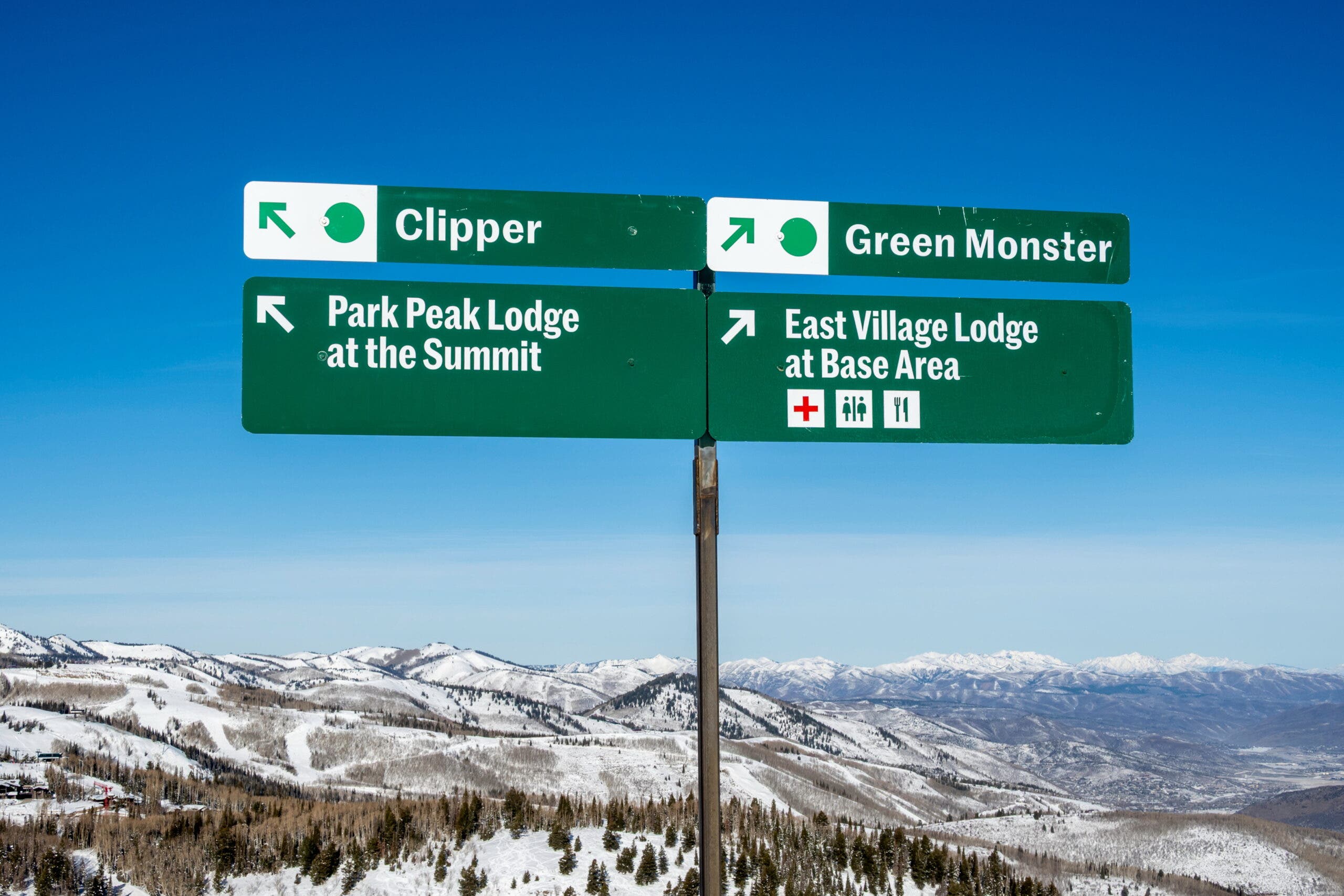
The 2026-2027 terrain addition includes a mixture of north-facing slopes, which are known for better snow retention, and gladed areas that provide natural wind protection. This diversity in aspect and elevation is expected to extend the resort’s viable ski season and provide more consistent conditions during low-snow years.
Conclusion: Redefining the Mountain Experience
As Deer Valley enters the 2026-2027 season, it does so as a transformed entity. The "Expanded Excellence" project has successfully bridged the gap between a boutique, luxury-focused resort and a world-class mountain giant. The addition of the Hail Peak Express and the accompanying 200 acres represents the penultimate phase of a master plan that has redefined the boundaries of Park City skiing.
For the skiing public, the expansion offers a dual benefit: the preservation of the high-touch service and world-class grooming for which Deer Valley is famous, coupled with a vast new wilderness of chutes, glades, and bowls. As the resort nears its final planned acreage, the focus is expected to shift toward further refining the East Village’s lodging and dining offerings, ensuring that the off-mountain experience keeps pace with the rapid evolution of the terrain.
Located just 45 minutes from Salt Lake City International Airport, Deer Valley’s growth reflects a broader trend in the industry toward "mega-resort" consolidation, yet it maintains a unique position through its refusal to allow snowboarding and its insistence on capping daily attendance. In the 2026-2027 season, those 4,500 acres will stand as a testament to the resort’s ability to scale its operations without compromising the exclusivity that has defined its brand for over four decades.
