

The Environmental Protection Agency, established in 1970 under the Nixon administration, was founded on a singular, non-partisan mandate: to protect human health and safeguard the natural environment. For over five decades, this mission was executed through the rigorous application of the Clean Air Act and the Clean Water Act, supported by a framework of peer-reviewed science and robust enforcement. However, a comprehensive review of the past twelve months reveals a significant departure from this historical trajectory. Through a series of methodical deregulatory actions, the agency has undergone a structural transformation that critics argue undermines the legal and scientific foundations of American environmental policy.
The most consequential of these shifts is the rescission of the Endangerment Finding. Originally issued in 2009, the Endangerment Finding established the legal prerequisite for the EPA to regulate greenhouse gas emissions, asserting that carbon dioxide and other pollutants pose a direct threat to public health and welfare. By overturning this finding, the federal government has effectively removed the primary legal obligation to mitigate climate-forcing emissions from power plants, the transportation sector, and heavy industry. This move comes at a critical juncture, as international climate scientists warn that the window to remain below the 1.5°C warming threshold—a limit deemed essential to avoiding the most catastrophic impacts of climate change—is rapidly closing.
A Chronology of Deregulation and the Dismantling of the Endangerment Finding
The current wave of deregulation did not occur in isolation but followed a strategic timeline designed to reduce the federal government’s role in corporate oversight. The process began with the systemic targeting of the "Social Cost of Carbon," a metric used by federal agencies to estimate the economic damages associated with each ton of carbon dioxide emitted. By eliminating this tool, the administration altered the cost-benefit analysis of major industrial projects, making it easier to approve fossil fuel infrastructure without accounting for long-term environmental externalities.
Following the elimination of the Social Cost of Carbon, the agency moved to weaken vehicle emission standards and rescind greenhouse gas rules for power plants. These two sectors are the largest contributors to carbon pollution in the United States. By lowering these bars, the agency has shifted the burden of pollution from the emitter to the public. This was followed by the rollback of the "Good Neighbor" rule, which previously required upwind states to reduce emissions that contribute to smog and air quality issues in downwind states. This specific action has significant implications for regional air quality and interstate legal relations.
By mid-year, the focus shifted toward water quality and toxic substances. The narrowing of the definition of "Waters of the United States" (WOTUS) significantly reduced the number of wetlands and ephemeral streams protected under the Clean Water Act. This was coupled with the weakening of Section 401 authority, which had previously granted states the power to block federal energy projects that threatened local water quality. The timeline concludes with a series of budget cuts and staff reductions aimed at reducing the agency’s capacity for future regulation and enforcement.
The Public Health Crisis: Air Toxics and Water Contamination
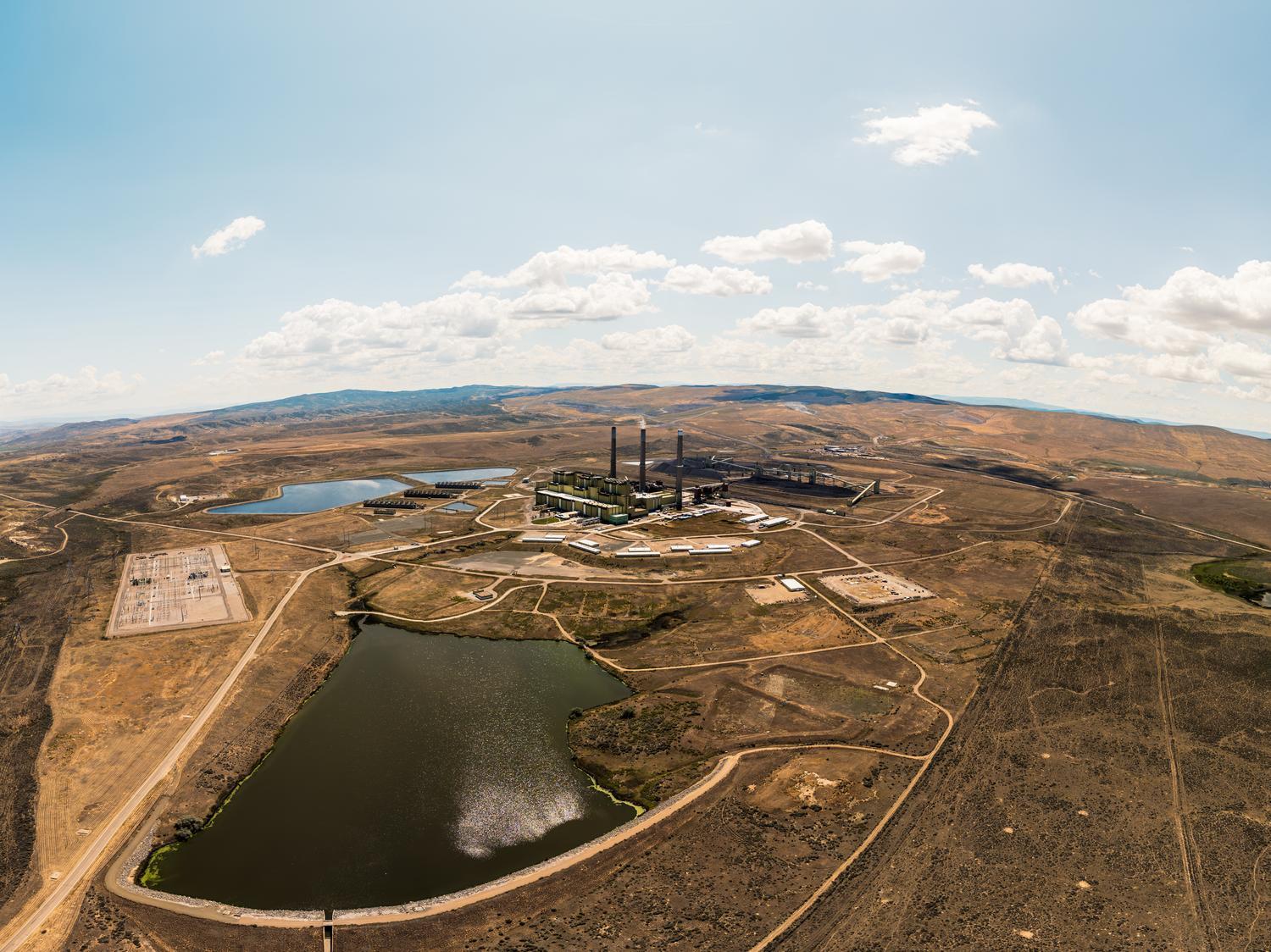
The impact of these rollbacks extends far beyond the abstract realm of climate policy, manifesting in measurable threats to public health. One of the most significant changes involves the Mercury and Air Toxics Standards (MATS). The EPA recently moved to reduce limits on mercury, arsenic, lead, and other toxic pollutants emitted by coal-fired power plants. Mercury is a potent neurotoxin that accumulates in the food chain, particularly in fish, posing severe risks to fetal development and the nervous systems of young children.
In addition to mercury, the relaxation of ozone (smog) standards and hazardous air pollutant rules has been linked by health professionals to an increase in respiratory and cardiovascular diseases. According to data from the American Lung Association, high-smog days are becoming more frequent in major metropolitan areas such as Denver, Salt Lake City, and Los Angeles. These cities are seeing a resurgence of "unbreathable air" days, which disproportionately affect outdoor workers, children with asthma, and the elderly.
The deregulation of wastewater discharge further compounds these risks. The EPA has repealed limits on toxic wastewater discharge from coal plants and granted dozens of exemptions to aging facilities. These plants are now permitted to bypass modern air and water quality standards, leading to the contamination of groundwater and surface water sources that local communities depend on for drinking and recreation. The long-term consequences of this increased toxic load include heightened risks of cancer, organ damage, and lasting ecosystem degradation.
Economic Implications for the Outdoor Recreation Sector
While deregulation is often framed as a pro-growth strategy, it poses a direct economic threat to the outdoor recreation industry. This sector, often referred to as the "Outdoor State," represents a $1.1 trillion economy in the United States and supports over 5 million jobs. The viability of this economy is tethered to environmental stability: clean air, healthy snowpacks, and predictable seasons.
In states like Vermont, the impact is already visible. Data indicates that the state has lost approximately 22% of its snow days over the last two decades, a trend that threatens the multi-billion-dollar ski and winter tourism industry. In the Western United States, increasingly severe wildfire seasons have led to widespread closures of national forests and recreation areas, resulting in significant revenue losses for local businesses. When air quality reaches hazardous levels due to smog or wildfire smoke, outdoor events are canceled, and consumer spending in the recreation sector drops precipitously.
Analysts suggest that the short-term savings realized by industrial polluters through reduced compliance costs are dwarfed by the long-term economic losses facing the recreation, tourism, and healthcare sectors. The $1.1 trillion outdoor economy relies on a product that the government is currently failing to protect: a livable and accessible natural environment.
The Sidelining of Scientific Integrity and Enforcement
A cornerstone of the recent changes at the EPA is the systematic removal of scientific evidence from the decision-making process. Independent scientific advisory boards, which once provided non-partisan expertise on complex environmental issues, have been weakened or entirely eliminated. In their place, the agency has recruited climate science skeptics and industry-affiliated personnel into key advisory roles, creating a perceived conflict of interest in the formulation of federal policy.
Furthermore, the agency has limited the use of comprehensive scientific studies in policymaking, particularly those that rely on confidential health data—a move that researchers argue excludes the most relevant evidence regarding the human health impacts of pollution. The dismantling of the EPA’s scientific research arms and the loss of institutional expertise through staff reductions have left the agency with a diminished capacity to monitor emerging environmental threats.
This lack of scientific oversight is matched by a decline in enforcement. The EPA has dramatically reduced the number of inspections and monitoring actions, while expanding the use of "enforcement discretion." This mechanism allows the agency to waive penalties for polluters who violate environmental standards. Without the threat of enforcement, critics argue that environmental regulations become mere suggestions, shifting the responsibility of holding polluters accountable from the federal government to under-resourced local communities and private citizens.
Environmental Justice and the Removal of Oversight Tools
The deregulation effort has also targeted the frameworks designed to protect vulnerable and marginalized communities. The EPA Office of Environmental Justice, which was tasked with addressing the disproportionate impact of pollution on low-income communities and communities of color, has been shut down. Along with it, the agency eliminated various environmental justice grants and programs that provided resources for local advocacy and mitigation.
Perhaps most significantly, the agency removed access to EJScreen, a sophisticated pollution-mapping tool. EJScreen allowed advocates and policymakers to identify "sacrifice zones"—areas where industrial pollution is concentrated near residential populations. By removing this data tool, the agency has effectively blinded the public to the geographic disparities of pollution, making it significantly harder to argue for equitable environmental protection.
Broader Impact and the Road to Washington
The cumulative effect of these actions represents a fundamental shift in the EPA’s identity. Rather than acting as a regulatory body designed to mitigate the excesses of industry, the agency has been reframed as an entity focused on industry support and deregulation. This shift has prompted a significant response from advocacy groups, professional athletes, and major outdoor brands.
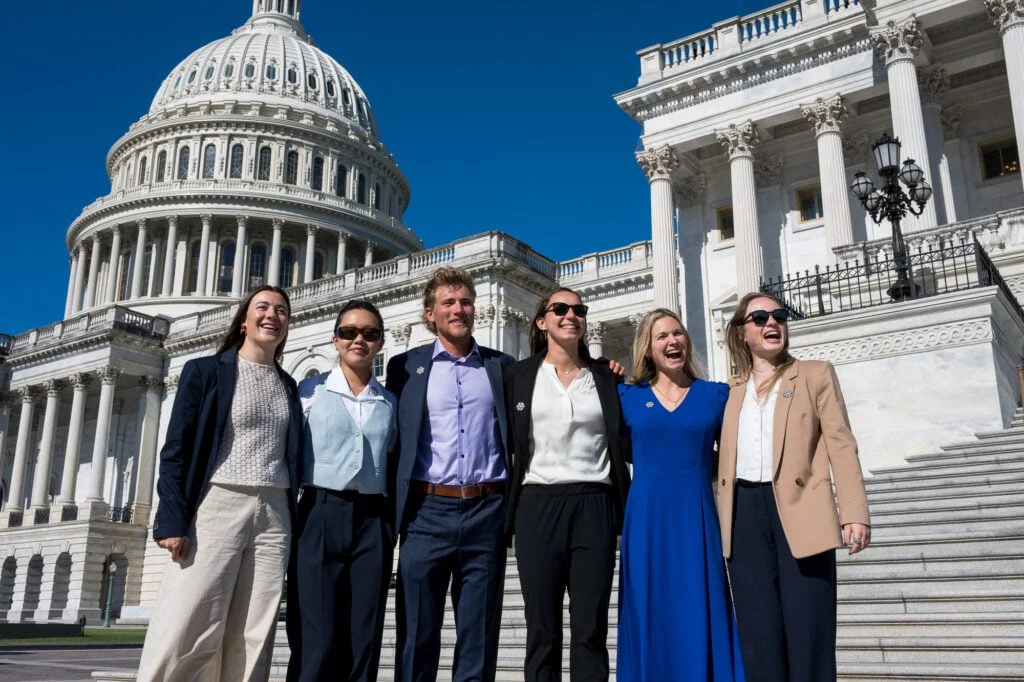
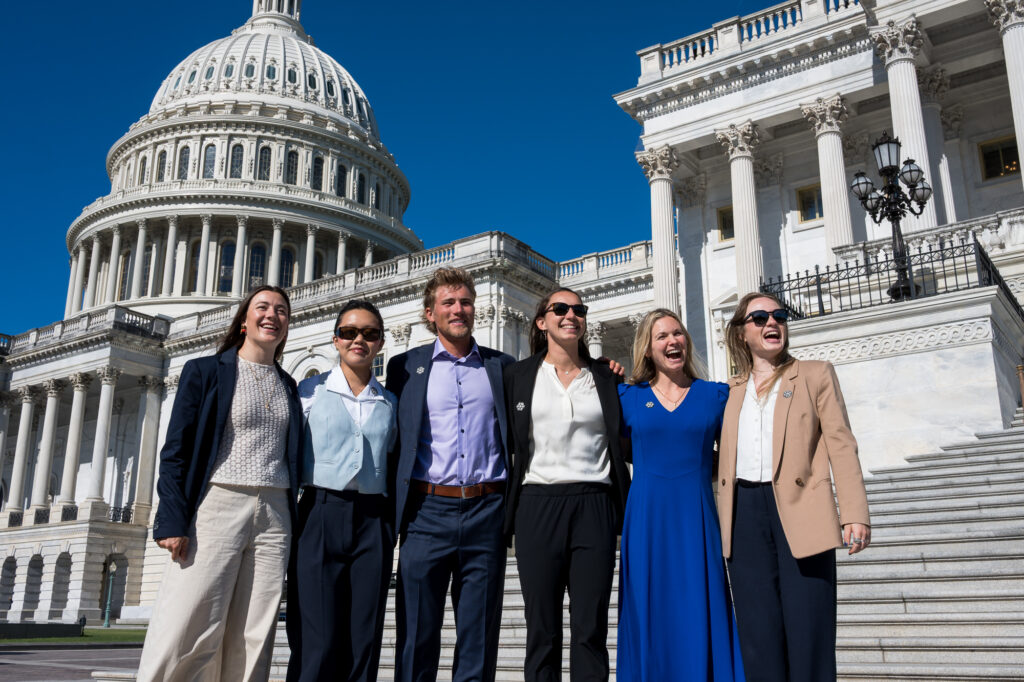
The Protect Our Winters (POW) Action Fund, a sister organization to the advocacy group representing the outdoor community, has announced plans to mobilize in Washington, D.C. Their objective is to hold lawmakers accountable for the systematic erosion of the EPA’s mandate. The group argues that the current trajectory is unsustainable and that the restoration of federal environmental oversight is a matter of economic and physical survival for millions of Americans.
As the agency’s budget faces potential cuts of up to 50%, the future of American environmental policy remains uncertain. The restoration of the EPA’s role as a protector of public health will require more than just policy reversals; it will require a rebuilding of the scientific and legal infrastructure that has been dismantled over the past year. In the interim, the burden of environmental stewardship has shifted toward the states, the courts, and the public, all of whom must now navigate a landscape where the federal "backbone" of environmental protection has been significantly weakened.
