

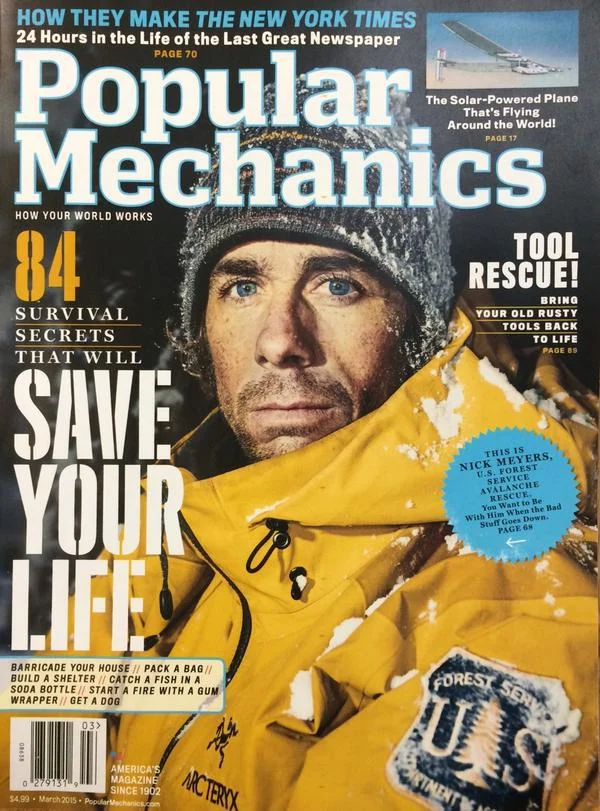
Nick Meyers, a highly respected figure in the mountain safety community and a pivotal leader at the Mount Shasta Avalanche Center, has garnered national recognition with his prominent placement on the cover of Popular Mechanics magazine. This feature highlights Meyers’ extensive experience and expertise as the Director of the Mount Shasta Avalanche Center and his critical role as the Lead Climbing Ranger on Mount Shasta, one of North America’s most iconic and challenging volcanic peaks. The magazine’s spotlight underscores the vital work of avalanche safety professionals and the essential knowledge required for survival in extreme alpine environments.
A Prominent Platform for Avalanche Safety Expertise
The inclusion of Nick Meyers on the cover of Popular Mechanics is a significant achievement, bringing the specialized field of avalanche safety and mountain rescue to a broad, mainstream audience. Popular Mechanics, a publication known for its focus on science, technology, and practical applications, chose to feature Meyers to illustrate his deep understanding of survival techniques and essential gear for navigating perilous mountain terrains, particularly in avalanche-prone areas. The article delves into the critical equipment and strategies that an expert like Meyers relies on, providing readers with valuable insights into the realities of high-risk mountaineering and rescue operations. This exposure is invaluable in raising awareness about the inherent dangers of winter mountain environments and the crucial role of preparedness and expert knowledge.
The Mount Shasta Context: A Laboratory for Avalanche Research and Rescue
Mount Shasta, standing at 14,179 feet, is not merely a picturesque landmark; it is a dynamic and formidable mountain that presents significant challenges to climbers and outdoor enthusiasts. Its sheer scale, variable weather patterns, and potential for severe avalanche activity make it a crucial testing ground for avalanche forecasting and rescue protocols. The Mount Shasta Avalanche Center, under Meyers’ directorship, plays a vital role in monitoring snowpack conditions, issuing avalanche advisories, and educating the public about safe practices in the region. The center’s work is essential for both recreational climbers and professional rescue teams operating in this demanding environment. Meyers’ dual role as Lead Climbing Ranger further emphasizes his hands-on involvement in ensuring the safety of those who attempt to ascend the mountain. This involves not only predicting and mitigating avalanche risks but also coordinating and executing rescue missions when necessary.
A Deeper Look into Survival Essentials: The Popular Mechanics Feature
The Popular Mechanics article, accessible through a dedicated link, likely explores a range of survival essentials that Meyers consistently carries and recommends. These would typically include advanced avalanche safety equipment such as transceivers, probes, and shovels, which are indispensable for locating buried individuals. Beyond rescue gear, the feature would also touch upon navigation tools, communication devices, emergency shelter, and survival clothing designed to withstand extreme cold and harsh conditions. The emphasis on "essentials" suggests a practical, gear-focused approach, illustrating how technology and well-chosen equipment can significantly enhance survivability in the face of unexpected dangers. Meyers’ selection of these items is informed by years of experience and a profound understanding of the unforgiving nature of alpine environments. The article serves as a testament to the fact that while technology plays a role, human expertise and judgment remain paramount in high-consequence scenarios.
Background and Chronology of Recognition
While the exact timeline leading to the Popular Mechanics feature is not detailed in the provided text, such national recognition is typically the result of sustained dedication and proven expertise within a specialized field. Meyers’ leadership at the Mount Shasta Avalanche Center and his extensive experience as a Lead Climbing Ranger on Mount Shasta would have provided ample opportunities for his skills and knowledge to be observed and documented. Publications like Popular Mechanics often seek out leading figures in various domains to provide authoritative content for their readership. It is probable that the magazine’s editorial team either reached out to Meyers directly, or he was nominated by peers or colleagues within the outdoor and avalanche safety community, recognizing his contributions and the compelling nature of his work. The blog post mentioned in the original text, which offers "a great blog about Nick," likely served as an internal or preliminary endorsement, providing further context and background information to the magazine’s researchers or writers. This suggests a process of collaboration and information gathering that culminated in the cover story.
Supporting Data and the Science of Avalanche Safety
The work of the Mount Shasta Avalanche Center, and by extension, Nick Meyers, is deeply rooted in scientific principles and data analysis. Avalanche forecasting relies on understanding a complex interplay of factors, including:
- Snowpack Structure: The layering of snow from different snowfall events, the presence of weak layers (such as surface hoar or depth hoar), and their bonding strength are critical indicators of avalanche potential.
- Weather Patterns: Recent snowfall, temperature fluctuations, wind, and solar radiation all significantly impact snowpack stability. For instance, rapid warming can destabilize snow, while strong winds can create wind slabs, which are prone to avalanche.
- Topography: The slope angle, aspect (direction the slope faces), and terrain features like cornices and gullies all influence avalanche risk. Slopes between 30 and 45 degrees are often considered the most dangerous.
- Historical Data: Analyzing past avalanche events in specific areas helps in understanding recurring patterns and identifying high-risk zones.
The Mount Shasta Avalanche Center likely collects extensive data on these factors, using weather stations, snow pits, and direct observations to generate daily avalanche advisories. These advisories, which are crucial for public safety, typically categorize risk levels (e.g., low, moderate, considerable, high, extreme) and provide specific recommendations for different aspects and elevations. The accuracy and timeliness of these advisories are paramount, and Meyers’ leadership ensures that these standards are maintained.
Inferred Reactions and Official Recognition
While direct quotes from related parties are not provided, it is reasonable to infer positive reactions and pride from individuals and organizations associated with Nick Meyers and the Mount Shasta Avalanche Center. Colleagues within the avalanche safety community would likely view this feature as a significant validation of their collective efforts and a testament to the importance of their work. The U.S. Forest Service, which oversees national forests and plays a role in managing recreational access and safety on public lands like Mount Shasta, would also likely view this national recognition as a positive development. Such features can elevate the profile of important safety initiatives and encourage greater public engagement with responsible outdoor recreation practices. The mention of a related blog post on the USDA Forest Service website further suggests official endorsement and support for Meyers’ work and the visibility it is receiving.
Analysis of Implications: Broader Impact and Future Outlook
The Popular Mechanics feature on Nick Meyers carries several significant implications:
- Increased Public Awareness: By reaching a wide audience, the article raises public consciousness about the dangers of avalanches and the critical need for education and preparedness. This could lead to more individuals seeking out avalanche safety courses and understanding the importance of avalanche advisories.
- Professional Recognition and Recruitment: National exposure can elevate the status of avalanche professionals and potentially inspire more individuals to pursue careers in this vital field. It highlights the specialized skills and dedication required for such demanding roles.
- Emphasis on Practical Application of Science: Popular Mechanics often bridges the gap between scientific research and practical application. Featuring Meyers demonstrates how scientific understanding of snow science and meteorology is directly translated into life-saving techniques and strategies.
- Validation of Mount Shasta as a Hub for Expertise: The spotlight on Meyers reinforces Mount Shasta’s reputation not only as a challenging climbing destination but also as a center of excellence for avalanche research and rescue operations.
- Potential for Enhanced Safety Initiatives: Increased visibility can lead to greater support, both public and potentially financial, for avalanche safety programs, research, and equipment development. This could translate into improved forecasting capabilities, better training resources, and more effective rescue operations in the future.
In conclusion, Nick Meyers’ appearance on the cover of Popular Mechanics is a well-deserved recognition of his extensive expertise and dedicated service in the field of avalanche safety and mountain rescue. His work on Mount Shasta, a place of immense natural beauty and inherent peril, underscores the importance of knowledgeable professionals who dedicate themselves to mitigating risks and ensuring the safety of those who venture into the backcountry. This national platform provides a valuable opportunity to educate a broader audience about the critical science and practices that underpin survival in extreme alpine environments.
