

The transition from the sedentary habits of late summer to the high-intensity demands of the winter ski season represents one of the most significant physical shocks the human body encounters in recreational athletics. While the initial descent of the season is often fueled by a surge of adrenaline and the psychological payoff of a long-awaited return to the slopes, the subsequent 24 to 48 hours frequently reveal a stark reality of muscular fatigue and systemic soreness. This phenomenon, colloquially known among enthusiasts as the "Day Two Slump," is not merely a sign of aging or lack of effort; it is a predictable physiological response to specific mechanical stresses, environmental shifts, and a discrepancy between general fitness and sport-specific requirements. To mitigate these risks and extend the longevity of the skiing career, sports medicine professionals are increasingly advocating for a specialized approach to pre-season conditioning that addresses the unique biomechanics of alpine movement.
The Biomechanics of Descent: Understanding Eccentric Loading
The primary culprit behind the profound muscle soreness experienced after the first day of skiing is a process known as eccentric loading. In most common gym exercises, such as the upward phase of a bicep curl or a squat, muscles perform concentric contractions, where they shorten under tension. However, skiing relies heavily on eccentric contractions, which occur when a muscle lengthens while under a load. This happens continuously as a skier resists gravity and centrifugal force while descending, essentially acting as a biological shock absorber.
According to Dr. Milica McDowell, a Doctor of Physical Therapy and owner of Clearwater Physical Therapy in Bozeman, Montana, this type of work creates "microtraumas" within the muscle fibers. McDowell, who brings over two decades of clinical experience and a background in Alaskan skiing, notes that on the first day, these micro-tears are often masked by the body’s natural inflammatory response and a high state of neurological arousal. By the second day, however, the adrenaline has subsided, and the inflammatory process is in full swing.
Research published in the journal Frontiers in Physiology confirms that soreness resulting from unfamiliar eccentric work typically peaks between 24 and 72 hours after the activity. A specific study involving 24 fit skiers found that even after only four hours of activity, subjects exhibited significantly reduced eccentric strength in their hamstrings and quadriceps the following day. This reduction in strength not only causes discomfort but also increases the risk of injury, as the muscles become less capable of stabilizing the knee and hip joints during subsequent runs.
The Specificity Gap: Why General Fitness is Insufficient
A common misconception among recreational skiers is that a standard routine of jogging or weightlifting provides adequate preparation for the slopes. While cardiovascular health and general strength are beneficial, they often fail to address the specific "isometric-eccentric" hybrid demands of carving turns. A study of elite alpine racers highlighted that skiing requires the ability to maintain long, steady holds in a flexed position while simultaneously absorbing rapid, high-impact variations in terrain.

"It is exceptionally difficult to prepare the body for hours spent in a constant state of flexed ankles and flexed knees," McDowell explains. This "ski-specific" posture places a unique strain on the anterior tibialis (shin muscles), the vastus medialis (inner quads), and the gluteus medius (hip stabilizers). Without targeted training that mimics these positions, the body relies on secondary muscle groups to compensate, leading to the rapid onset of fatigue and a breakdown in form. Physical therapists point out that while a wall sit is a step in the right direction, it lacks the dynamic lateral stability required to navigate varying snow densities and slope gradients.
Environmental Stressors: The Role of Altitude and Hypoxia
Beyond the mechanical strain on muscles, the environmental conditions of high-altitude resorts play a critical role in the "Day Two" experience. Most major ski destinations are located at elevations where the partial pressure of oxygen is significantly lower than at sea level. This thinner air makes it fundamentally harder for the cardiovascular system to deliver oxygen to working muscles, a condition known as hypoxia.
The Cleveland Clinic reports that symptoms of altitude sickness, including headaches, lethargy, and sleep disturbances, often manifest within 12 to 24 hours of arrival. This timeline aligns perfectly with the arrival of muscle soreness, creating a "double hit" of physical exhaustion. As McDowell observes, the lack of oxygen means "it is harder work to do the work." Even if a skier is muscularly prepared, their metabolic recovery is slowed by the altitude, meaning the lactic acid and metabolic byproducts of day one are cleared more slowly, exacerbating the feeling of a "physical hangover."
A Chronological Approach to Pre-Season Conditioning
To combat these factors, sports medicine experts suggest a structured timeline of preparation that begins at least four to six weeks before the first chairlift ride. This period allows for the "Repeated Bout Effect," a physiological adaptation where muscles become more resistant to damage after being exposed to a specific type of stress.
Phase 1: Foundation (6-8 Weeks Out)
The focus during this phase is on building a base of eccentric strength and core stability. Exercises should emphasize slow, controlled lowering phases.
Phase 2: Specificity (4-6 Weeks Out)
This is where McDowell’s recommended "prepay the bill" protocol becomes essential. The goal is to mimic the "pulse" and "hold" nature of skiing.
- Crouched Pulse Squats: By staying in a deep range of motion without fully locking out, skiers can simulate the constant tension of a downhill run. Experts recommend starting with 20-second bursts and building to 75 seconds to match the duration of a typical intermediate trail.
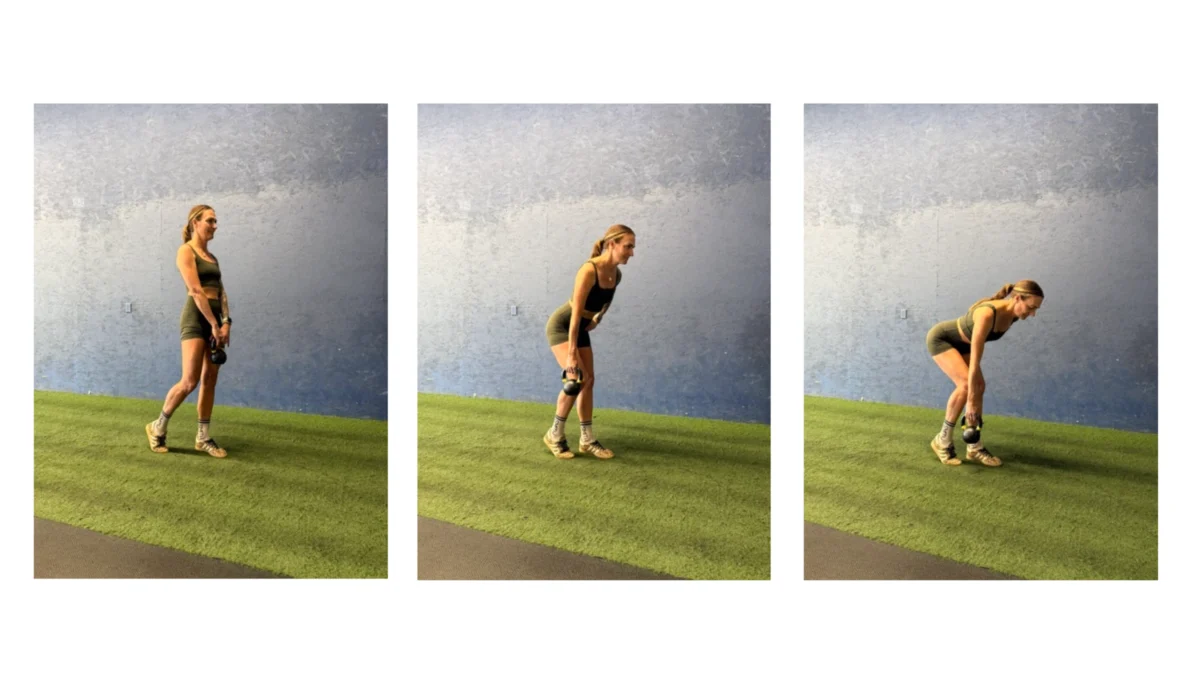
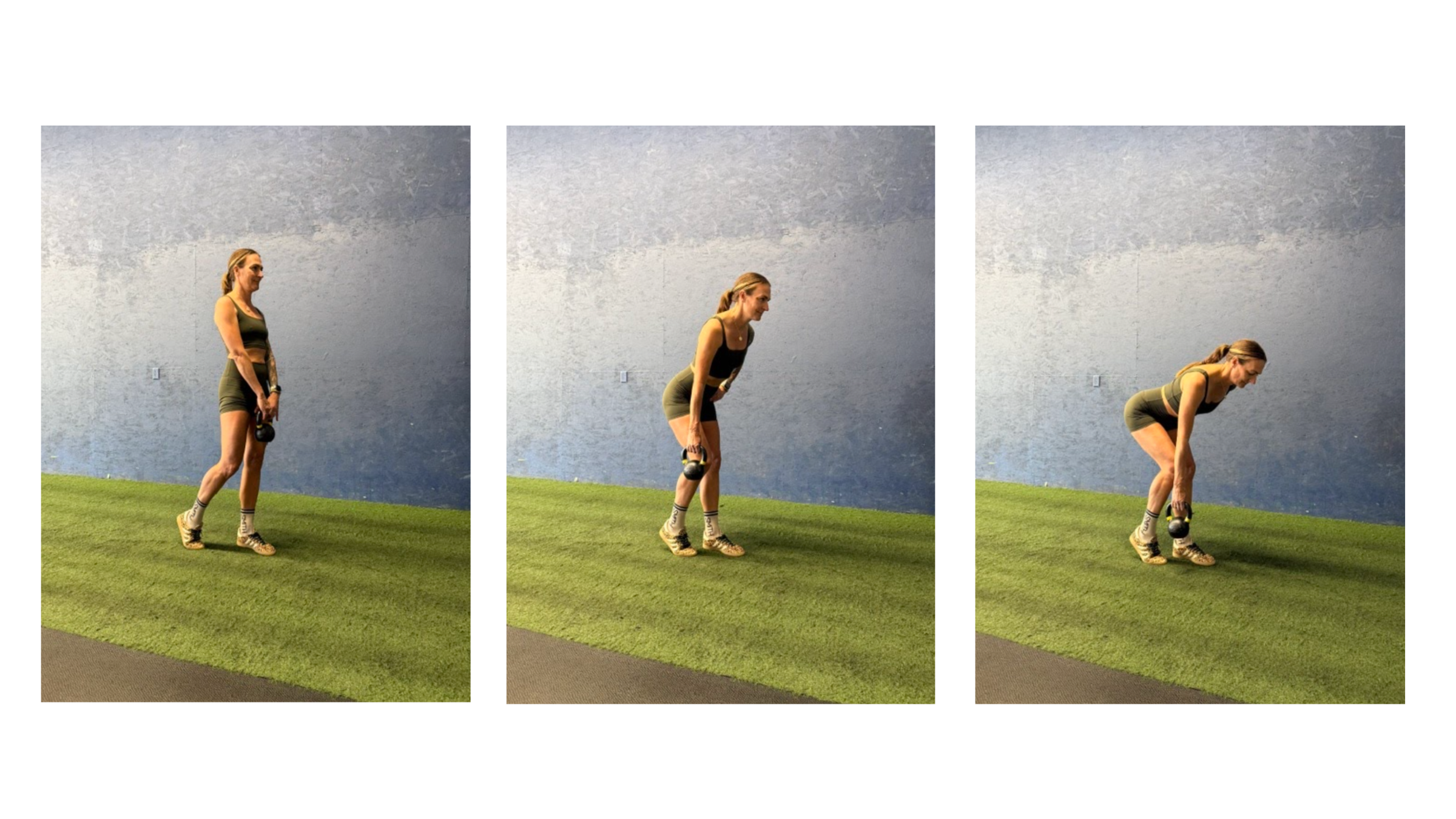
- Kettlebell Kickstand Deadlifts: This move targets the posterior chain and hip stabilizers, which are crucial for maintaining balance on uneven terrain.
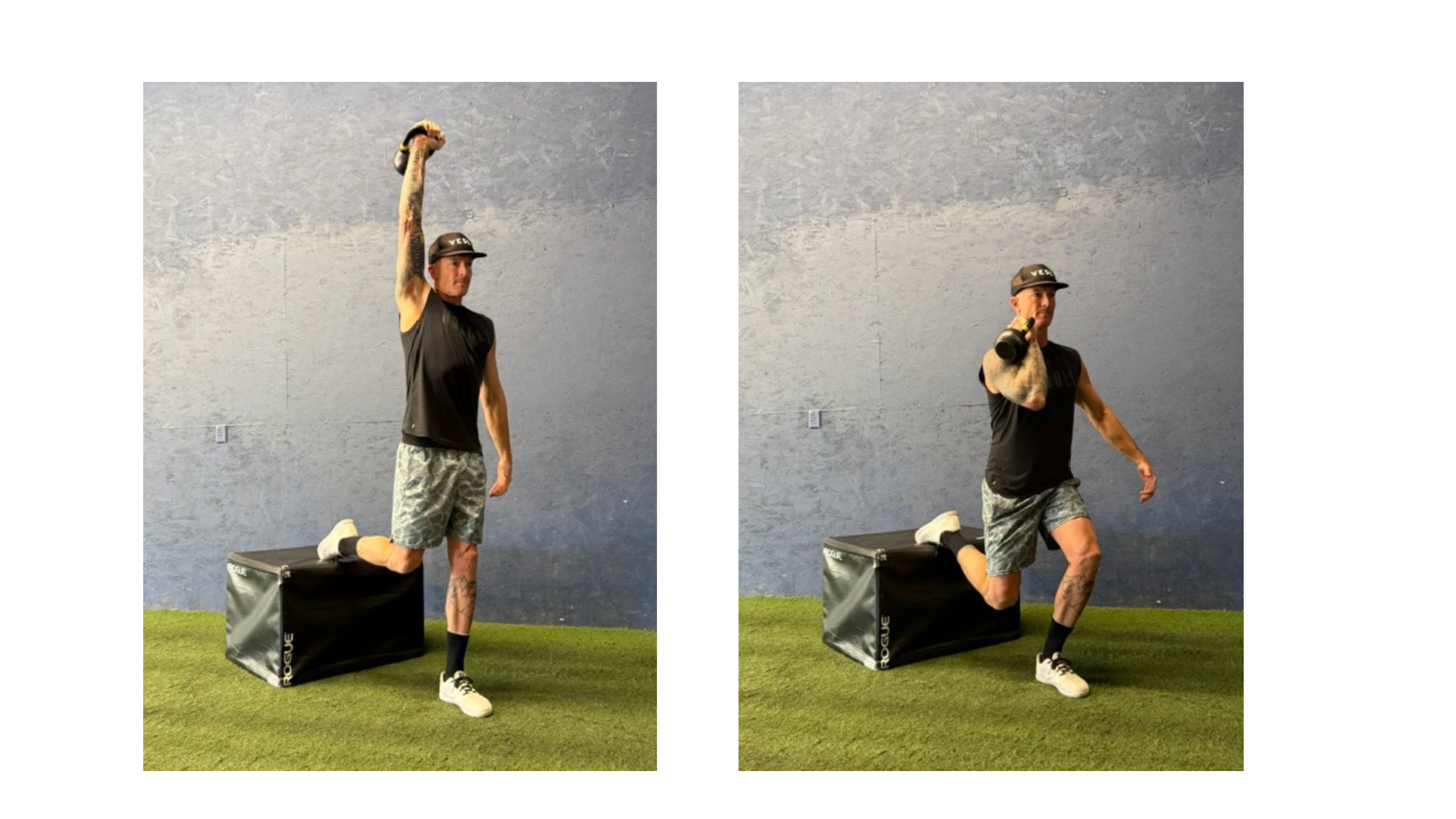
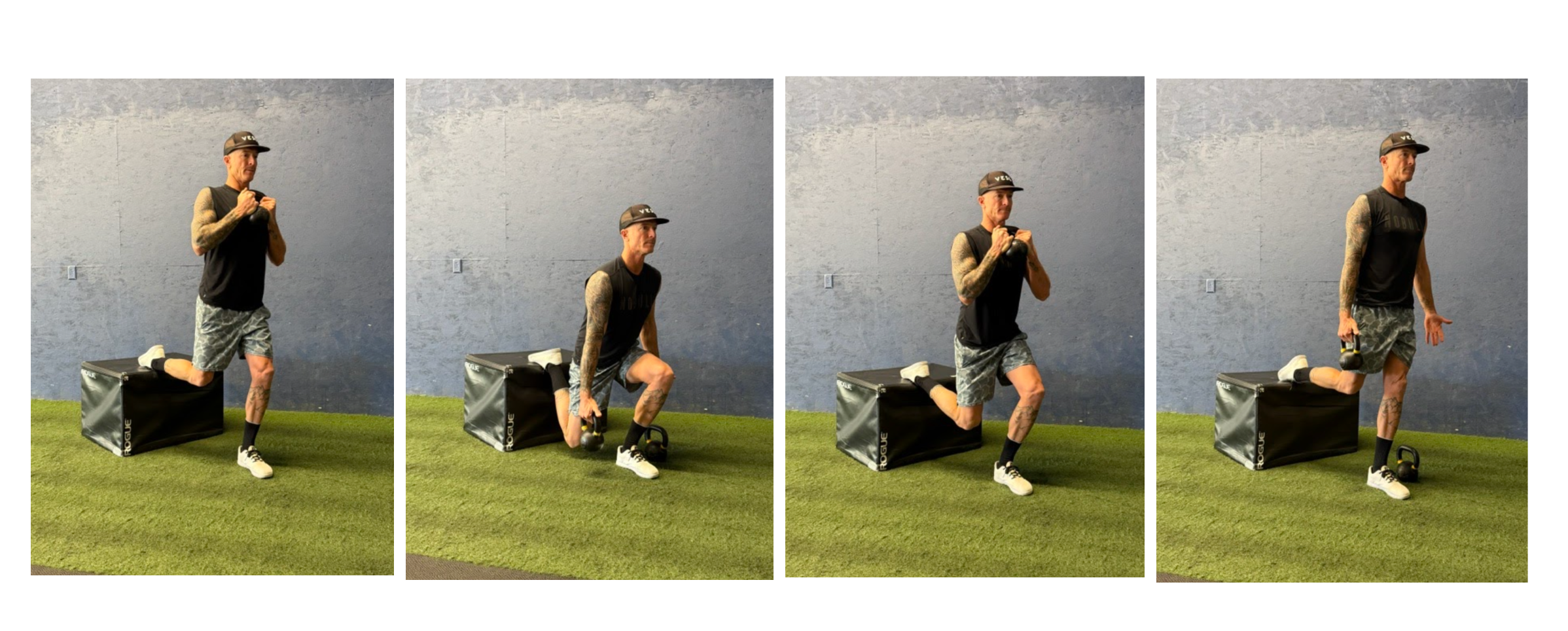
- Bulgarian Split Squats: This "fancy lunge" forces each leg to stabilize the body independently, mimicking the weight transfer that occurs during a turn.
Phase 3: High-Intensity Intervals (2-4 Weeks Out)
Cardiovascular training should shift from steady-state (like long runs) to interval training. McDowell suggests 30- to 60-second bursts of maximum effort followed by several minutes of rest. This trains the heart to recover quickly between runs and improves the body’s ability to operate in an anaerobic state.
On-Site Mitigation: The Five-Minute Warm-Up and Recovery
Preparation does not end when the skier reaches the mountain. A dynamic warm-up is essential to prime the nervous system and increase blood flow to cold tissues. McDowell’s recommended routine involves elevating the heart rate by 20 to 30 beats per minute through stairs or light calisthenics before putting on boots.
Key movements include:
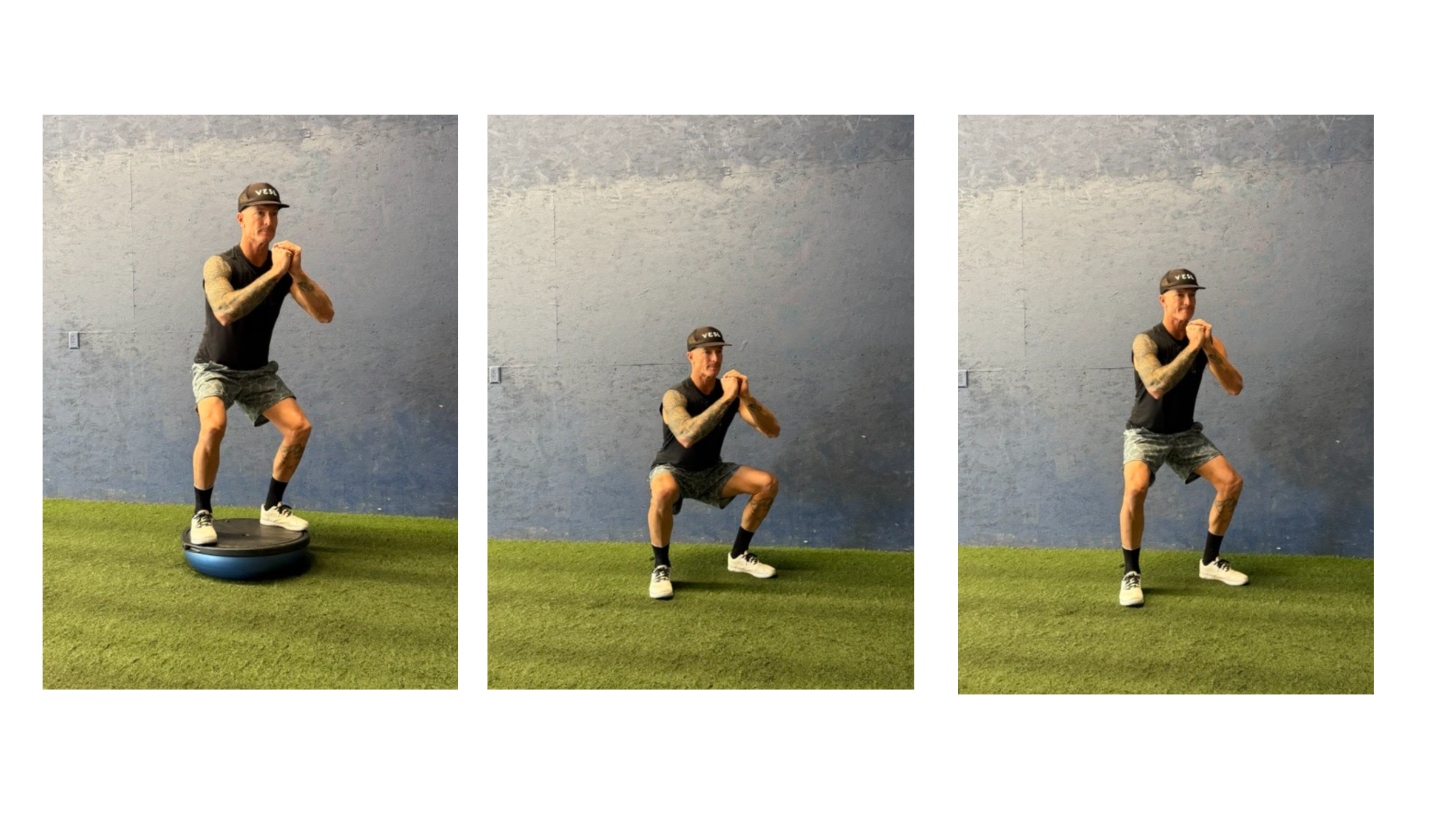
- Knees-over-toes Squats: This specific movement prepares the Achilles tendon and the patellar ligament for the forward-leaning posture dictated by ski boots.
- The World’s Greatest Stretch: A lunge with a thoracic twist that activates the core, spine, and hip rotators simultaneously.
- Active Recovery: While many skiers reach for a foam roller or a stretching mat on the evening of day one, a review of 99 studies found that light movement, such as a 20-minute walk, is more effective at reducing soreness than static stretching alone.
Broader Implications for the Ski Industry and Public Health
The physical readiness of the skiing public has significant implications for resort operations and safety. Statistics from the National Ski Areas Association (NSAA) suggest that a significant portion of season-ending injuries, particularly ACL tears, occur late in the day or during the first few days of a trip when fatigue-induced form breakdown is most prevalent. When muscles like the hamstrings are too sore to provide eccentric braking, the stress is transferred directly to the ligaments of the knee.
Furthermore, the economic impact of the "Day Two" phenomenon is notable. Resorts rely on multi-day lift ticket sales and consistent "apres-ski" spending. A demographic of skiers who are too sore to return to the slopes on their second or third day represents a loss of potential revenue for local economies.
From a longevity perspective, the advice of veteran skiers remains the most poignant. Joe Puchek, a 73-year-old who has skied for over seven decades, emphasizes that the decisions made in the gymnasium during the autumn months are what allow for the enjoyment of the mountains in the winter. "The wax can wait," the saying goes, "but the squats cannot." By understanding the science of eccentric loading and altitude, and by committing to a specific conditioning protocol, skiers can move past the "Day Two" slump and ensure a season defined by performance rather than pain.
