


The intersection of high-performance athletics and environmental advocacy has reached a new creative milestone with the release of the Protect Our Winters (POW) and Bivo collaboration, featuring original artwork by professional gravel cyclist Sarah Sturm. This partnership marks a significant departure from traditional sports merchandising by blending functional design with a deeply personal artistic narrative. Sturm, a veteran of the professional gravel circuit and a prominent member of the POW Bike Alliance, has utilized her dual background in design and endurance sports to create a product that serves as both a tool for hydration and a medium for climate-conscious messaging. The collaboration reflects a growing trend in the outdoor industry where athletes are leveraged not just for their physical prowess, but for their creative contributions to brand identity and environmental storytelling.
The Dual Identity of Sarah Sturm: From Podium to Studio
To understand the significance of this collaboration, one must look at the trajectory of Sarah Sturm’s career. For the past nine years, Sturm has been a formidable presence in the world of professional gravel racing, a discipline known for its grueling distances and unpredictable terrain. Her career has seen her navigate high deserts and mountain passes, earning podium finishes in some of the sport’s most prestigious events. However, before she became a household name in the cycling community, Sturm was an artist. She holds a background in design, a discipline that often fell to the periphery as the demands of professional racing took center stage.
The partnership with Bivo and POW provided a rare opportunity for Sturm to reintegrate these two facets of her identity. In the competitive world of professional sports, athletes are often pigeonholed into singular roles defined by their statistics and race results. Sturm’s involvement in the design process challenges this paradigm, suggesting that professional athletes can serve as multi-dimensional contributors to the brands they represent. By returning to her sketchbooks, Sturm has reclaimed a part of her professional identity that had been sidelined by the rigors of the UCI and independent gravel calendars. This shift highlights a broader movement within the outdoor industry toward "athlete-creatives" who can articulate the values of their sport through visual and narrative means.
The Creative Process: Brainstorming in Motion
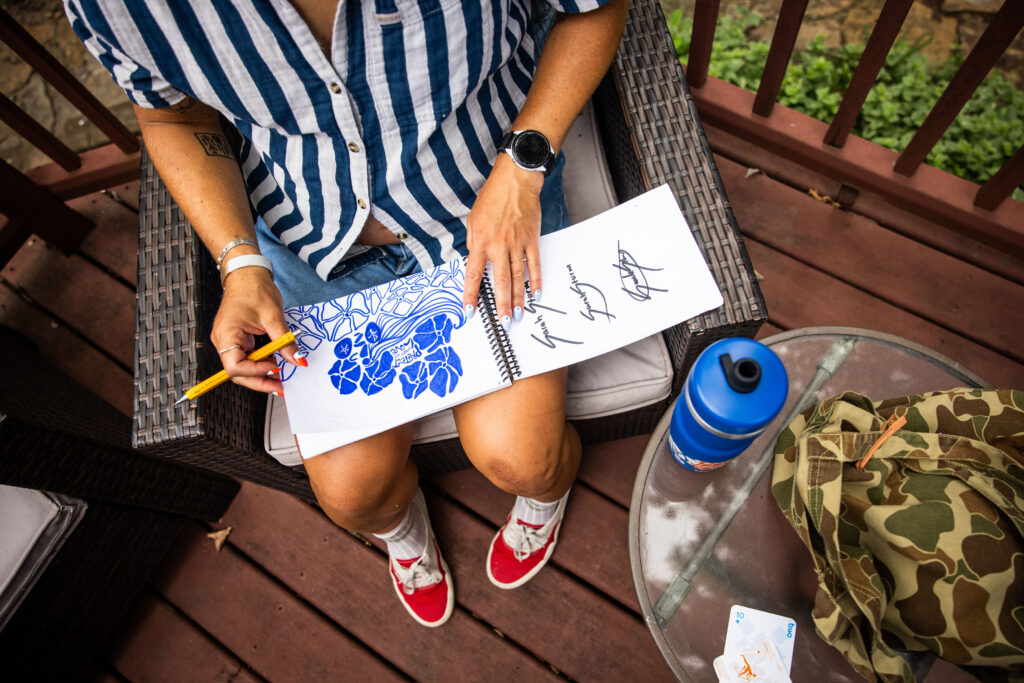
The design for the Bivo bottle did not originate in a traditional studio environment. Instead, Sturm began the conceptualization process while training. The repetitive nature of five-to-six-hour endurance rides provided the mental space necessary for brainstorming. This "on-the-bike" ideation process ensured that the final design remained grounded in the actual experience of the user. Sturm noted that the boredom often associated with long-distance training became a catalyst for creativity, allowing her to visualize the bottle’s aesthetic while interacting with the very environments the project seeks to protect.
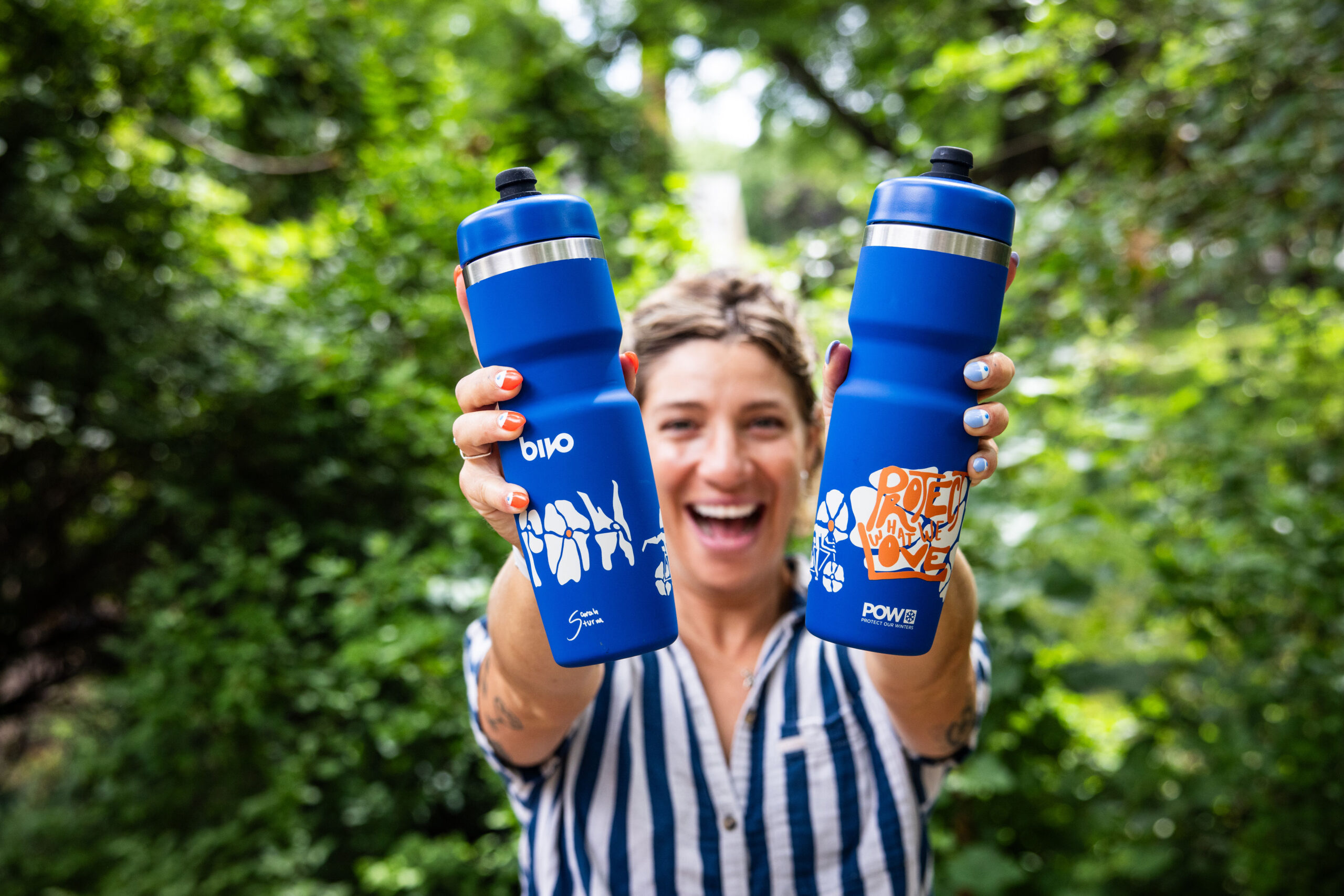
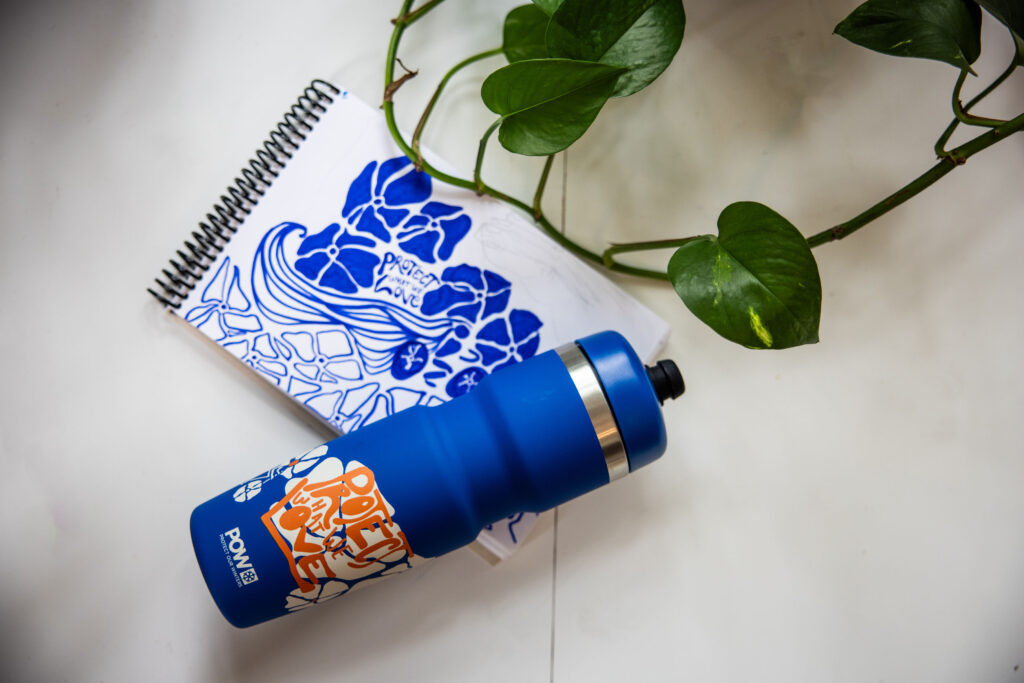
Once off the bike, Sturm transitioned to the technical phase of the project, utilizing traditional tools: pencil and paper. The design language she developed is rooted in a love for textiles and bold, geometric shapes. The final artwork features an intricate weave of flower petals and lettering, where botanical blooms morph seamlessly into bicycle wheels. An abstract cyclist, whose head is crowned with flowers, serves as the centerpiece of the design. This imagery is intended to be inclusive and non-polarizing, focusing on the beauty of the outdoors rather than the often-confrontational nature of climate politics.
The technical challenge of the project involved the "cylindrical canvas" of the water bottle. Designing for a curved surface requires an understanding of vantage points and movement. Sturm approached this by ensuring that the artwork functioned both as a series of individual vignettes and as a continuous, cohesive theme. When placed in a bicycle’s bottle cage, different elements of the design are revealed depending on the viewer’s perspective, mirroring the shifting landscapes a cyclist encounters on the road or trail.
Technical Specifications: The Bivo and POW Partnership
The choice of Bivo as a partner for this project is significant due to the company’s focus on sustainability and performance. Bivo has gained a reputation in the cycling world for its stainless steel bottles, which offer a high-flow nozzle designed to mimic the squeeze-bottle experience of plastic without the associated environmental or health drawbacks.

Data from the outdoor industry suggests a significant shift toward plastic-free alternatives. Traditional plastic water bottles, even those that are BPA-free, can leach chemicals over time and contribute to the global plastic waste crisis. According to environmental impact studies, millions of plastic water bottles end up in landfills annually, with a substantial portion originating from the sports and recreation sector. By utilizing Bivo’s stainless steel platform, POW and Sturm are advocating for a circular economy where durable, long-lasting equipment replaces single-use or short-life-cycle plastics.
The Bivo "Gravity Flow" system allows cyclists to hydrate quickly without the need to squeeze the bottle, a feature that is particularly beneficial during high-intensity gravel racing. The integration of Sturm’s artwork onto this high-performance vessel elevates the product from a mere accessory to a piece of functional art. Every purchase of the POW x Bivo bottle directly supports Protect Our Winters, an organization dedicated to mobilizing the outdoor community against climate change through systemic policy shifts.
Climate Advocacy Through Joy: A Shift in Messaging
A central theme of the Sturm-Bivo collaboration is the concept of "joy as an antidote." In the current climate discourse, messaging is frequently dominated by "climate anxiety"—a psychological state characterized by fear and helplessness regarding the future of the planet. Sturm’s design intentionally moves away from these "doom and gloom" narratives. By focusing on vibrant florals and playful imagery, the collaboration aims to foster a positive emotional connection to the environment.
The philosophy behind this approach is simple: people are more likely to protect what they love and what brings them joy. This "Protect What You Love" mantra is a cornerstone of POW’s advocacy strategy. By associating climate action with the pleasure of cycling, hiking, and being outdoors, the organization hopes to broaden its reach and engage individuals who might otherwise be overwhelmed by the scale of the environmental crisis. The bottle serves as a "nice little reminder" of the stakes involved, turning a routine action—drinking water—into a moment of mindfulness regarding environmental stewardship.
The Broader Impact on the Outdoor Industry
The collaboration between Sarah Sturm, Bivo, and Protect Our Winters serves as a case study for the evolving relationship between athletes and environmental NGOs. Traditionally, athlete endorsements were limited to performance-based marketing. However, as the impacts of climate change become more visible in the outdoor sports world—through receding glaciers, shorter ski seasons, and extreme weather affecting race calendars—athletes are increasingly taking on roles as advocates and policy influencers.
Protect Our Winters has been at the forefront of this shift. Founded by professional snowboarder Jeremy Jones in 2007, the organization has built a "Bike Alliance" that includes some of the most influential names in cycling. These athletes use their platforms to lobby for clean energy legislation, public land protection, and carbon reduction goals. The release of the Sturm-designed bottle is a tangible extension of this advocacy, providing a way for the general public to contribute to the cause while acquiring a high-quality piece of equipment.
From an economic perspective, the gravel cycling market is one of the fastest-growing segments in the bike industry. This demographic is characterized by a high level of engagement with environmental issues, making it a prime audience for sustainable products. By targeting this market with a design-forward, eco-friendly product, Bivo and POW are tapping into a consumer base that values both performance and corporate social responsibility.
Conclusion: Reclaiming Creativity in Professional Sports
The POW x Bivo bottle is more than just a product launch; it is a reflection of Sarah Sturm’s personal evolution and the changing landscape of professional sports. It demonstrates that the pursuit of athletic excellence does not have to come at the expense of creative expression or environmental commitment. For Sturm, the project was a reminder that identity is fluid and that "wearing many hats" is an asset rather than a distraction.
As the outdoor industry continues to grapple with its environmental footprint, collaborations like this provide a blueprint for how brands and athletes can work together to promote sustainability. By combining technical innovation with artistic vision, Bivo and POW have created a product that resonates on multiple levels. It encourages cyclists to reflect on their relationship with the natural world while providing them with the tools needed to perform at their best.
The POW x Bivo bottle, designed by Sarah Sturm, is currently available for purchase through the Protect Our Winters online store. As the proceeds go toward climate advocacy and the protection of wild spaces, the bottle stands as a symbol of the collective effort required to ensure that the landscapes we ride, ski, and adventure in remain preserved for future generations. In an era of uncertainty, Sturm’s "joyful design" serves as a beacon of hope and a call to action for the global outdoor community.
