

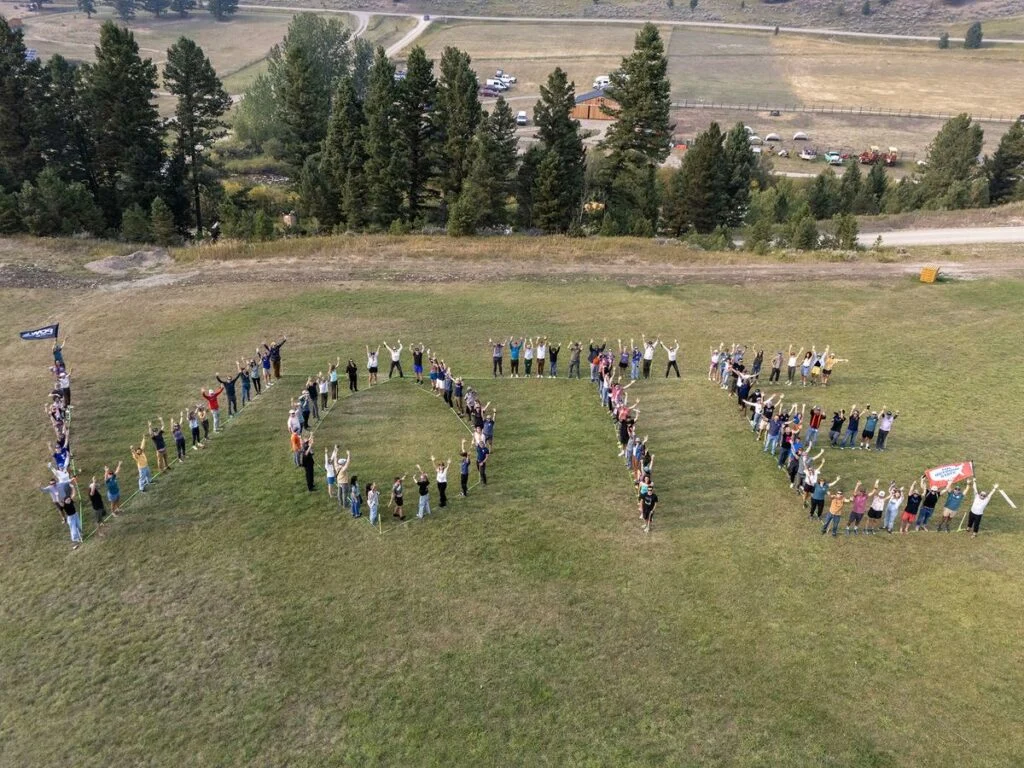
The advocacy organization Protect Our Winters (POW) has officially announced the commencement of its "Shift Who Decides" initiative, a large-scale non-partisan voter engagement campaign designed to mobilize the "Outdoor State" for the upcoming 2026 midterm elections. Targeting an estimated 45 million eligible voters who identify as outdoor enthusiasts, the campaign seeks to elevate climate policy and public land protection to the forefront of the national political discourse. This strategic push comes at a time when the organization identifies a critical period of legislative and executive shifts regarding environmental regulations and the management of federal lands.
The initiative is built upon the premise that the outdoor community—comprising skiers, climbers, hikers, paddlers, mountain bikers, and anglers—represents a significant but historically under-utilized voting bloc. By focusing on the 2026 midterms, POW aims to capitalize on the narrow margins that frequently define these elections, asserting that the protection of clean air, water, and wild spaces depends on the direct participation of those whose livelihoods and lifestyles are most closely tied to the natural environment.
The Concept of the Outdoor State and Its Economic Influence
Protect Our Winters defines the "Outdoor State" as the collective body of Americans who participate in outdoor recreation. This demographic is not merely a social group but a significant economic driver. According to data from the U.S. Bureau of Economic Analysis (BEA), the outdoor recreation economy accounted for approximately 2.2% of the U.S. Gross Domestic Product (GDP) in 2022, contributing over $563 billion to the economy and supporting nearly five million jobs. When factoring in indirect impacts, industry advocates estimate the total economic footprint of the outdoor sector exceeds $1.1 trillion.
Despite this economic weight, POW leadership argues that the political influence of the outdoor community has not yet reached its full potential. The "Shift Who Decides" campaign is structured to bridge this gap between economic contribution and political representation. The organization posits that by educating this specific demographic on how policy decisions directly affect recreation access and environmental health, they can transform a diverse group of enthusiasts into a cohesive and influential electorate.
Historical Context: Policy Shifts and Public Land Management
The impetus for the 2026 campaign is rooted in what POW describes as a period of significant regulatory volatility. Over the past several years, federal policy regarding public lands has seen rapid shifts between administrations, particularly concerning the use of the Antiquities Act and the leasing of federal lands for resource extraction.
In the last 18 months, the organization has monitored a series of policy adjustments that advocates characterize as rollbacks of established protections. These include changes to the National Environmental Policy Act (NEPA) streamlining processes, which critics argue may reduce public oversight for industrial projects on public lands. Additionally, debates surrounding the management of the Arctic National Wildlife Refuge (ANWR) and the boundaries of national monuments in the American West have highlighted the fragility of land protections that are subject to executive or legislative reversal.
Protect Our Winters asserts that these shifts occur primarily when decision-makers do not feel accountable to the outdoor recreation community. The organization’s strategy involves highlighting these policy changes to demonstrate the "thin margins" of environmental safety, using the metaphor of backcountry navigation to illustrate the high stakes of electoral outcomes.
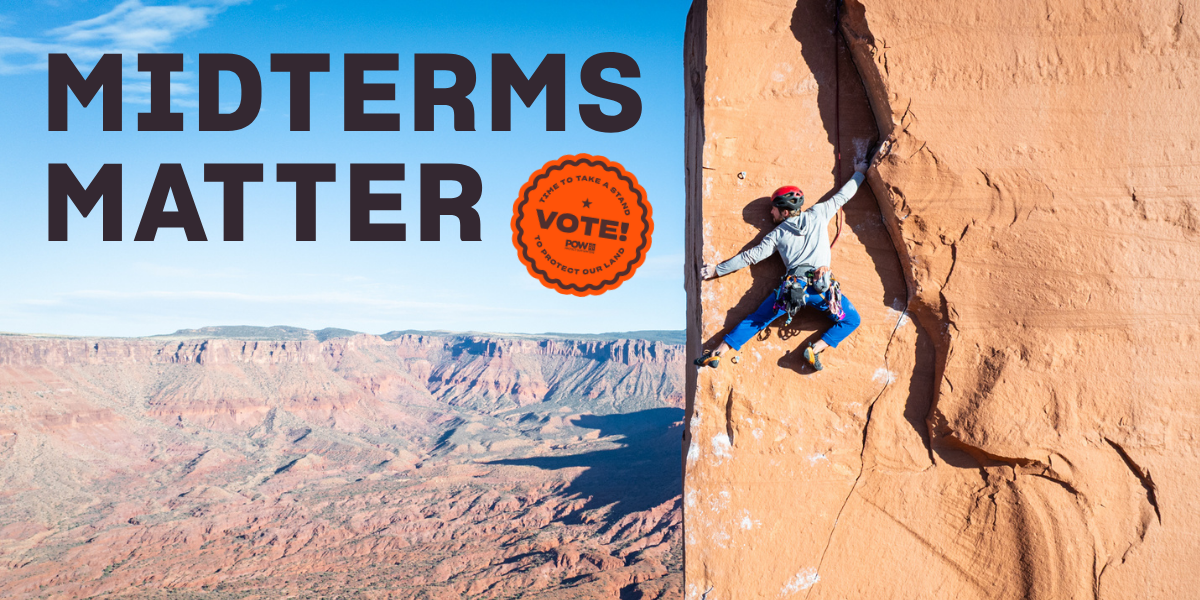
Analyzing the 2022 Midterm Precedent
The 2026 strategy is heavily informed by the data gathered during the 2022 midterm elections. According to the U.S. Census Bureau, the 2022 midterms saw a voter turnout of approximately 52.2% among the voting-age population. This marked one of the highest turnout rates for a midterm election in several decades, surpassed only by the 2018 midterms.
POW views this trend of increased engagement as a foundation for their 45-million-voter goal. The organization notes that midterm elections are often decided by small percentages of the electorate, particularly in states with high concentrations of outdoor recreation activities, such as Colorado, Montana, Nevada, and New Hampshire. In these regions, a shift in turnout among the "Outdoor State" could theoretically alter the outcome of congressional races, which in turn dictates the composition of committees responsible for energy, natural resources, and environmental oversight.
Strategic Pillars of the Shift Who Decides Campaign
The campaign is organized around three primary pillars: Education, Activation, and Mobilization.
Education and Data Transparency
POW intends to provide the outdoor community with accessible data regarding the environmental records of candidates and the specific implications of pending legislation. This includes tracking votes on the Great American Outdoors Act, the Inflation Reduction Act’s climate provisions, and various land-use bills. By translating complex legislative language into practical terms—such as how a bill might affect snowpack levels or river access—the campaign seeks to make climate policy a "defining issue" for voters.
Activation Through Community Leaders
The campaign utilizes a network of "Alliance members," which includes professional athletes, scientists, and industry leaders. These figures serve as messengers to reach niche communities within the outdoor world. For example, professional skiers may focus on the impact of warming winters on the multi-billion dollar ski industry, while professional anglers highlight the threats of water scarcity and pollution to freshwater ecosystems.
Mobilization and Voter Infrastructure
To facilitate the voting process, POW is deploying digital tools to assist with voter registration, mail-in ballot requests, and polling place identification. The organization emphasizes the importance of staying "locked in" on critical dates, such as registration deadlines and primary elections, which often see significantly lower turnout than general elections but are instrumental in determining candidate platforms.
Inferred Perspectives from Industry Stakeholders
While Protect Our Winters leads this specific campaign, the broader outdoor industry has shown a growing trend toward corporate activism. Major retailers and manufacturers, such as Patagonia, REI, and Columbia Sportswear, have historically supported efforts to protect public lands, citing both ethical concerns and the long-term sustainability of their business models.
Industry analysts suggest that the outdoor sector’s move toward political mobilization is a response to the direct threat climate change poses to their supply chains and consumer bases. A report from the Outdoor Industry Association (OIA) recently noted that "the climate crisis is no longer a distant threat but a current reality affecting the ability of Americans to recreate safely and the ability of businesses to operate."

Conversely, some political analysts and industry groups focused on resource extraction argue that land-use policies must remain balanced to ensure domestic energy security and economic growth in rural areas. They suggest that aggressive conservation efforts can sometimes impede local economies that rely on mining, grazing, or timber. The "Shift Who Decides" campaign enters this contested space with the goal of ensuring that the voice of the recreation economy is at least equal to that of traditional extractive industries.
Broader Political and Environmental Implications
The 2026 midterm elections will occur at a pivotal moment for international climate goals. With the 2030 deadline for many Paris Agreement targets approaching, the legislative output of the 120th Congress will be critical in determining whether the United States meets its carbon reduction commitments.
The composition of the Senate and House of Representatives following 2026 will directly influence the funding of the Environmental Protection Agency (EPA), the Department of the Interior, and the National Park Service. Furthermore, the midterms will decide which party holds the power to confirm or block judicial appointments, which has long-term implications for how environmental laws are interpreted in federal courts.
Protect Our Winters maintains that the systemic dismantling of climate protections can only be countered through a sustained and high-turnout electoral presence. By framing the act of voting as a necessary part of "training and preparation" for the outdoor life, the organization seeks to normalize political participation as a core responsibility of the modern outdoorsperson.
Conclusion: The Path to November 2026
As the 2026 election cycle approaches, the "Shift Who Decides" campaign represents a significant attempt to organize a massive, diverse, and economically powerful demographic into a unified political force. With a target of 45 million voters, the success of the initiative will likely be measured by whether "Outdoor State" turnout can surpass the 52% benchmark set in 2022 and whether climate-related issues move higher on the priority list for candidates across the political spectrum.
The campaign’s message remains focused on the long-term preservation of the environment. In the words of the organization’s leadership, the rollbacks and policy shifts observed in recent years are unlikely to cease without a fundamental change in the electorate’s composition. For Protect Our Winters and its supporters, the 2026 midterms are not just a political event, but a critical juncture for the future of American public lands and the global climate.
