

The increasing frequency and intensity of extreme heat events have transformed the traditional summer outdoor experience into what enthusiasts and scientists alike are calling a "sufferfest." As global temperatures continue to rise, heat waves are hitting harder, lasting longer, and reaching geographic regions previously considered temperate. This shift is not merely a matter of seasonal discomfort; it is a fundamental alteration of the Earth’s climate system, driven by complex atmospheric mechanics and accelerated by anthropogenic climate change. To understand the trajectory of these events, meteorologists and atmospheric scientists are analyzing the interplay between high-pressure systems, jet stream volatility, and the "urban heat island" effect, all of which contribute to a new era of thermal extremes.
Defining the Modern Heat Wave: Beyond the Thermometer
While the public often associates heat waves simply with high temperatures, the technical definition used by organizations such as the National Oceanic and Atmospheric Administration (NOAA) requires at least two consecutive days of abnormally high temperatures relative to a region’s historical averages. However, atmospheric scientists, including Will Stikeleather of the POW Science Alliance, argue that a strictly temperature-based definition is insufficient to capture the true hazard.
Humidity plays a critical role in the lethality and impact of a heat wave. When high temperatures are paired with high humidity, the human body’s primary cooling mechanism—the evaporation of sweat—becomes less efficient. This is measured through the Wet Bulb Global Temperature (WBGT), a metric that combines temperature, humidity, wind speed, and solar radiation. As the atmosphere warms, its capacity to hold moisture increases by approximately 7% for every 1°C of warming. Consequently, modern heat waves are increasingly "wet," leading to higher levels of physiological stress and a greater risk of heat-related illnesses even at lower absolute temperatures.
The Mechanics of the Heat Dome: Atmospheric Stagnation
The primary driver of these extreme events is the "heat dome," a phenomenon characterized by a large area of high pressure in the upper atmosphere. In these systems, the high pressure acts as a lid, trapping warm air and compressing it. As the air sinks, it warms further through a process known as adiabatic heating.

Under normal conditions, atmospheric patterns are mobile, moving from west to east across the mid-latitudes. However, recent years have seen an increase in "blocking patterns"—essentially atmospheric traffic jams. These occur when the jet stream, the high-altitude river of air that steers weather systems, develops deep, slow-moving undulations. When a heat dome becomes lodged within one of these undulations, it can remain stationary for days or even weeks.
The 2021 heat wave that devastated the Pacific Northwest and British Columbia serves as a benchmark for this phenomenon. During this event, a stagnant high-pressure system drove temperatures in Lytton, British Columbia, to a record-breaking 121°F (49.6°C). Such events were once considered "once-in-a-thousand-year" occurrences, but statistical modeling now suggests that the frequency of these "stalled" systems is increasing due to changes in polar temperature gradients.
The Climate Change Multiplier: A Shift in the Baseline
The link between global warming and heat wave severity is no longer a matter of scientific debate but a documented reality. Since 1895, the contiguous United States has warmed by approximately 2°F. While this may seem like a marginal increase, it has significantly shifted the statistical baseline for weather events. This shift means that weather patterns that would have produced a "warm week" in the 1960s now produce a record-breaking heat wave.
Data from NOAA indicates that the frequency of heat waves in the U.S. has nearly tripled since the 1960s. Furthermore, the "heat wave season"—the window between the first and last extreme heat event of the year—has expanded by an average of 45 days, growing from a 25-day window to approximately 70 days. This expansion allows for extreme heat to occur in late spring and early autumn, catching ecosystems and human populations unprepared.
The Intergovernmental Panel on Climate Change (IPCC) in its sixth assessment report (AR6) stated that it is "virtually certain" that human-induced climate change is the main driver of more frequent and intense heat extremes globally. The report highlights that the June 2021 Western North America heat wave was made at least 2°C hotter than it would have been in a pre-industrial climate. In Europe, the situation is even more pronounced; the rate of increase in hot daily extremes in Western Europe is currently three times the global average rate.

Arctic Amplification and the "Wavy" Jet Stream
One of the most complex factors contributing to prolonged heat waves is "Arctic Amplification." The polar regions are warming at more than twice the global average rate. This rapid warming reduces the temperature gradient between the cold North and the warm tropics. Because the strength of the jet stream is driven by this temperature difference, a smaller gradient results in a weaker, more erratic jet stream.
Research published by scientists such as Jennifer Francis and Stephen Vavrus suggests that this weakened jet stream is prone to developing large, slow-moving loops. These "wavy" patterns are more likely to create persistent high-pressure ridges that lead to heat domes. While research is ongoing to quantify the exact influence of Arctic melting on mid-latitude weather, the correlation between polar warming and stationary summer weather patterns is becoming increasingly evident in the observational record.
Geographical Vulnerability and the Urban Heat Island Effect
The impact of heat waves is not uniform across the landscape. Geographical factors and human infrastructure create "pockets" of intensified risk. The Northeast United States, for instance, has emerged as one of the fastest-warming regions in the country, alongside the Desert Southwest and Alaska. In the Northeast, rising sea surface temperatures in the Atlantic fuel higher humidity levels, amplifying the heat stress felt in inland population centers.
In urban environments, the "urban heat island" (UHI) effect creates a microclimate that can be significantly hotter than surrounding rural areas. Infrastructure composed of concrete, asphalt, and steel has a low albedo, meaning it absorbs and retains solar radiation rather than reflecting it. In contrast, rural areas with dense vegetation benefit from evapotranspiration—a biological process where plants release moisture, cooling the air.
A critical danger of the UHI effect is the lack of nighttime cooling. During a heat wave, the human body requires lower nighttime temperatures to recover from daytime heat stress. In cities, the built environment continues to radiate heat long after the sun has set, preventing the mercury from dropping. This cumulative heat stress is a leading cause of mortality during prolonged events, particularly among vulnerable populations with limited access to climate-controlled environments.
Compounding Hazards: The Heat-Wildfire Nexus
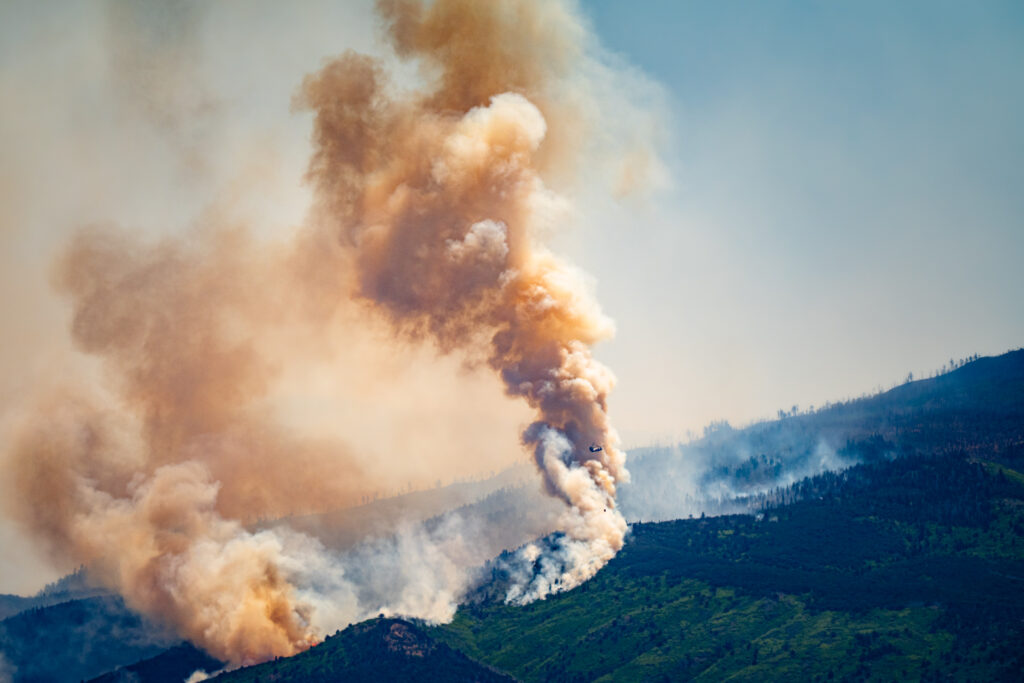
The implications of extreme heat extend beyond human health to the stability of entire ecosystems. Heat waves act as a force multiplier for other natural disasters, most notably wildfires. In the Western United States and Canada, record-low snowpacks are increasingly followed by early-season heat domes. This combination accelerates the "curing" of vegetation, turning forests and grasslands into tinderboxes weeks earlier than historical norms.
By late July 2026, data showed that vegetation in the Pacific Northwest had reached moisture levels typically not seen until September. This expanded window for wildfire activity increases the likelihood of "extreme fire behavior," where fires create their own weather systems, including pyrocumulonimbus clouds. The city of Spokane, Washington, and other population centers in the wildland-urban interface are now facing extended periods of hazardous air quality and fire threats as a direct consequence of the heat-driven drying of fuel loads.
Infrastructure and the Feedback Loop of Adaptation
As society adapts to more frequent heat waves, the reliance on air conditioning has surged. While AC provides immediate relief and saves lives, it also contributes to a dangerous feedback loop. The increased demand for cooling places immense strain on aging electrical grids, leading to brownouts or total grid failure during the times when power is most needed. Furthermore, unless the grid is powered by renewable sources, the increased energy consumption releases more greenhouse gases, further driving the global warming that causes heat waves.
Experts argue that long-term resilience requires a shift from individual cooling solutions to systemic infrastructure upgrades. This includes:
- Grid Modernization: Transitioning to "smart grids" that can better manage peak loads and integrate decentralized energy sources.
- Urban Greening: Implementing large-scale tree planting and "cool roof" initiatives to combat the UHI effect.
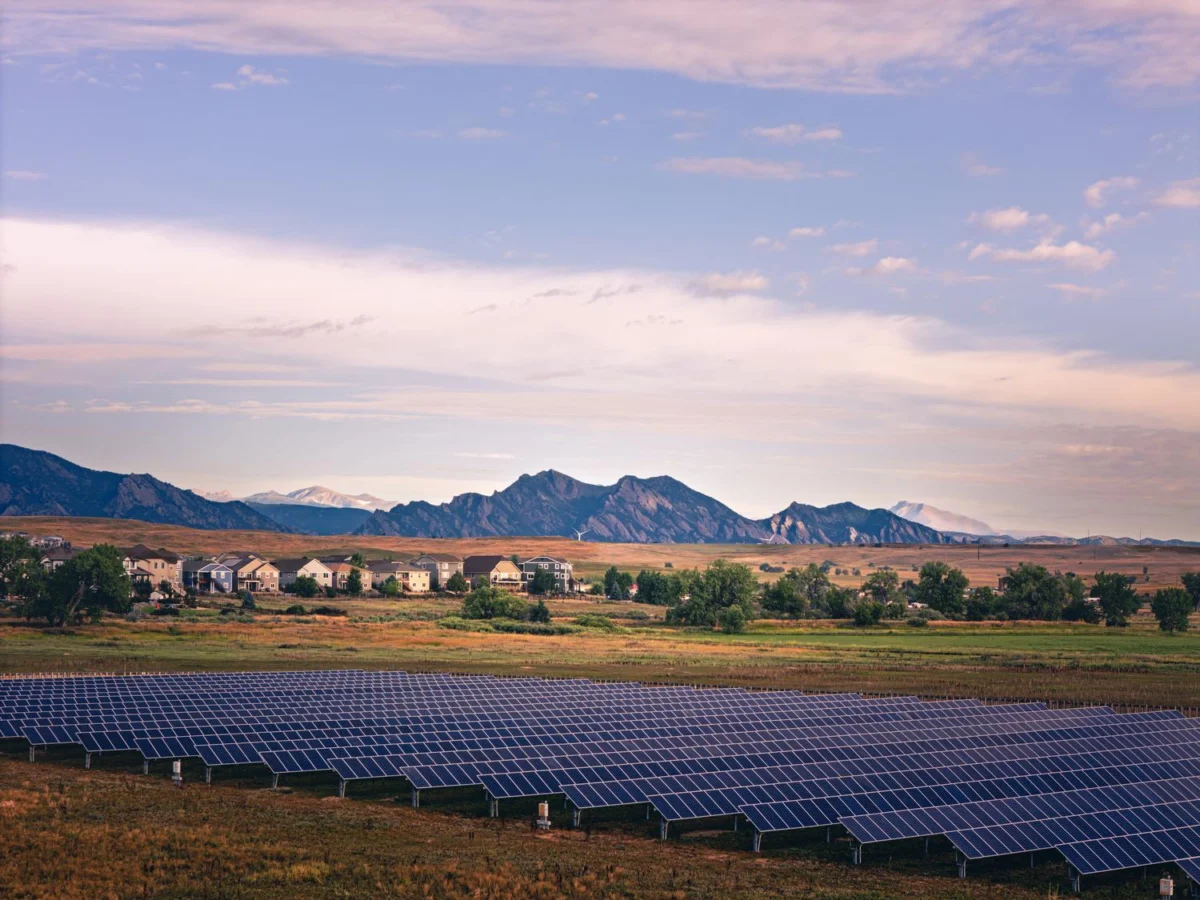
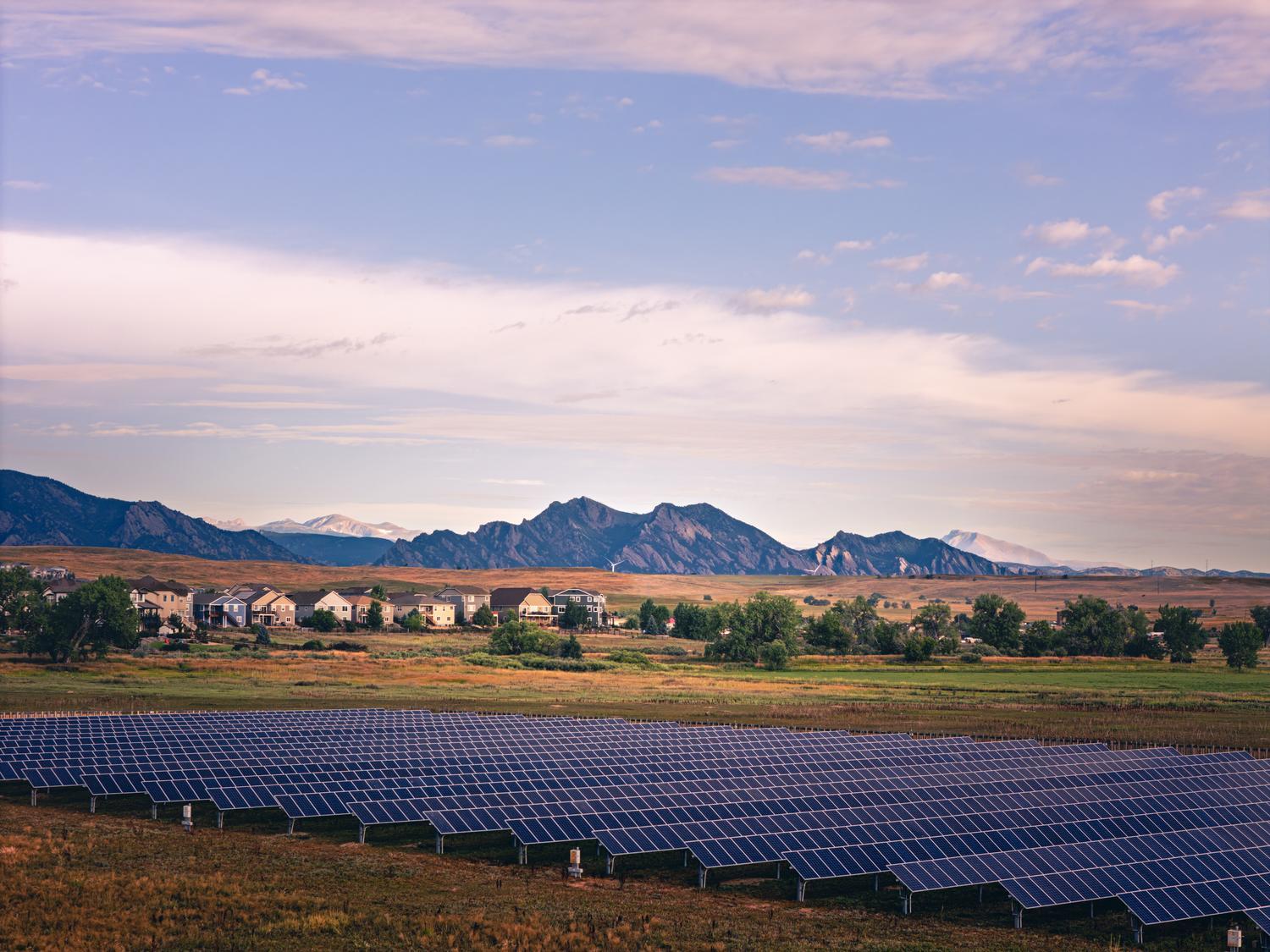
- Renewable Energy Transition: Accelerating the deployment of community solar and wind projects to reduce the carbon intensity of the cooling sector.
The Future of the "Outdoor State"
For the millions of individuals who rely on the outdoors for recreation, industry, and well-being, the era of intensifying heat waves represents a significant challenge. The "Outdoor State"—a term often used to describe the collective of outdoor enthusiasts and professionals—is having to recalibrate its relationship with nature. High-altitude ecosystems are changing, trail seasons are shifting, and the window for safe outdoor activity is narrowing.
The scientific consensus is clear: while some level of continued warming is locked in, the severity of future heat waves will depend on the global trajectory of carbon emissions. Mitigation efforts at the local and national levels, such as the adoption of clean energy toolkits and the protection of carbon-sequestering natural lands, remain the most effective tools for "turning down the heat."
In the immediate term, public health officials emphasize the importance of behavioral adaptation. This includes monitoring WBGT forecasts rather than just simple temperature, seeking shade during peak solar hours, and utilizing community cooling centers. As the planet continues to break thermal records, the combination of scientific understanding, infrastructure resilience, and aggressive climate policy will be the only path to ensuring that the summer season remains a time of activity rather than a period of survival.
