


The arrival of the 2026 winter sports season has brought with it a new generation of battery-powered handwear designed to combat the increasingly volatile mountain climates of North America. As temperatures in high-altitude regions like the Tetons and the Green Mountains frequently dip into sub-zero territory, the outdoor gear industry has responded with significant technological leaps in heating elements and battery efficiency. Following an extensive field-testing period that spanned from the rugged peaks of Vancouver to the icy slopes of Vermont, a specialized team of gear experts has identified the top-performing heated gloves and mittens for the current year. The 2026 selection emphasizes not only raw thermal output but also dexterity, charging convenience, and integration with modern textiles like Primaloft and Gore-Tex.
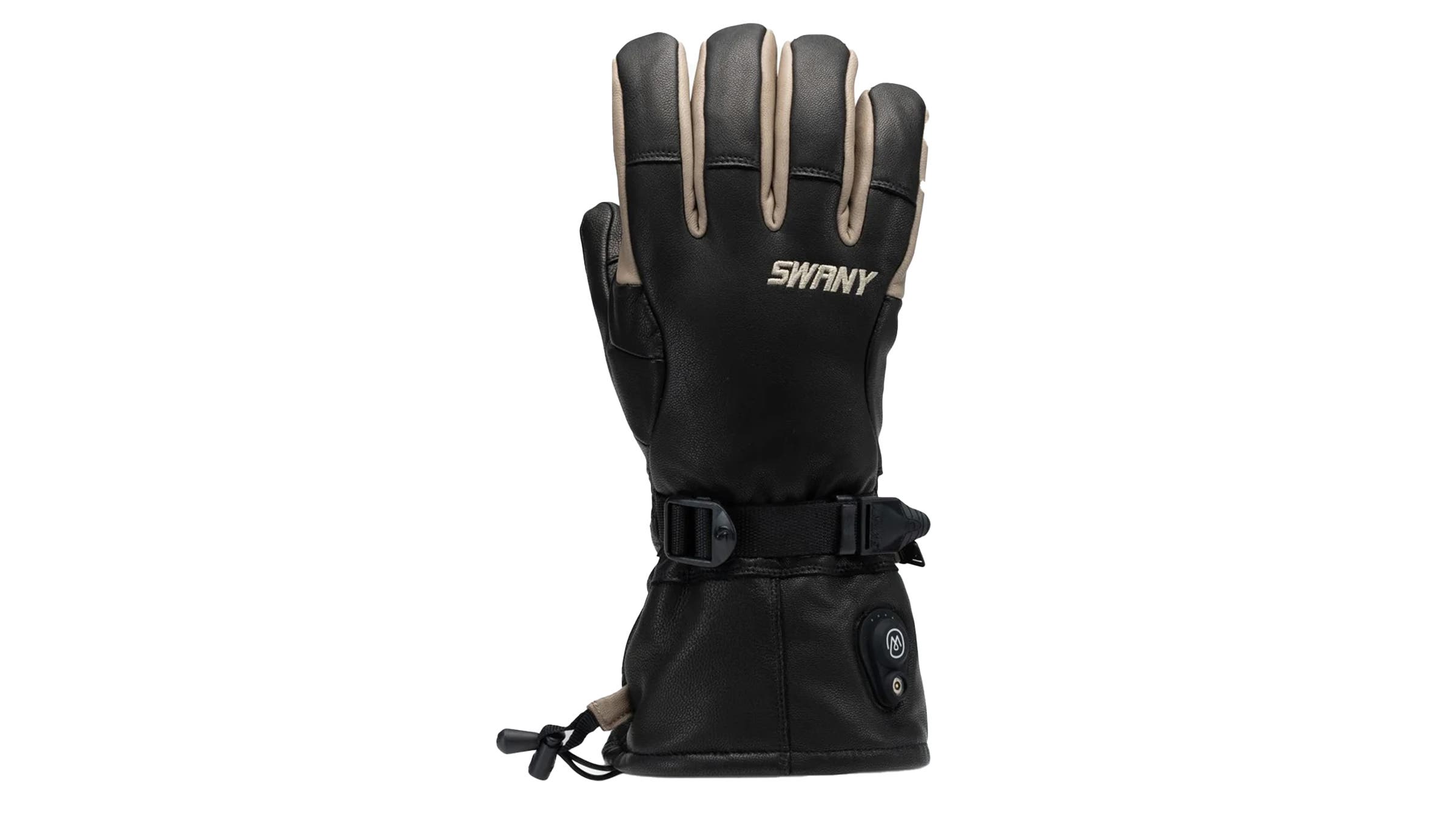
Leading the market this year is the Swany Nexus Heated Glove, designated as the "Best Heated Glove Overall" for its innovative ewool heating platform and premium leather construction. For consumers seeking a more accessible entry point into heated gear, the Seirus HeatTouch ST Atlas Gloves have emerged as the "Best Value" option, offering reliable performance for under $300. These rankings come at a time when heated apparel is transitioning from a luxury niche to an essential component of the winter athlete’s kit, particularly for those managing circulation-related conditions or facing extended exposure in extreme environments.
Field Testing Methodology and Regional Analysis
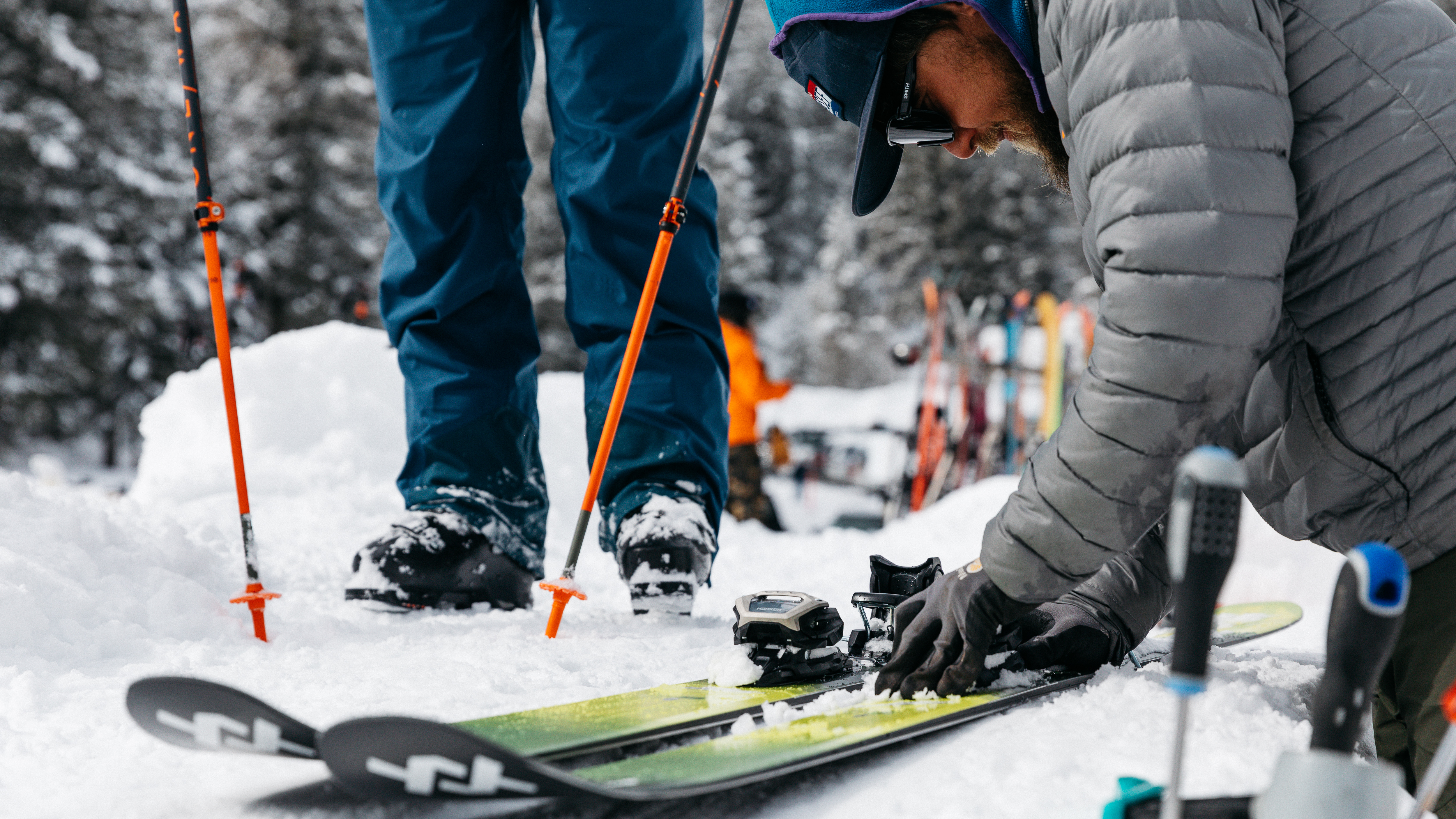
To ensure the validity of these recommendations, the testing team subjected eight new styles and several returning favorites to a rigorous evaluation process throughout the previous winter season. Testing environments were selected to represent a diverse range of humidity and temperature profiles. In the Pacific Northwest, testers evaluated waterproofness and breathability during wet, heavy snowfall. Conversely, in the Intermountain West and the Northeast, the focus shifted to battery endurance and thermal retention in dry, "finger-nipping" cold reaching as low as -10 degrees Fahrenheit.
The testing protocol involved "bell-to-bell" resort skiing, backcountry skinning, and stationary activities like observing ski races to determine how the gloves performed under varying levels of physical exertion. Testers, including veteran outdoor journalists Berne Broudy and Devon Petersen, provided qualitative feedback on haptic controls, cuff compatibility with technical shells, and the tactile "feel" of various leather treatments. This comprehensive approach allowed for a nuanced understanding of how battery weight impacts wrist fatigue over an eight-hour ski day.
Technical Innovations in 2026: The Rise of ewool and ALTIHeat
The 2026 product cycle is defined by the refinement of invisible heating elements. The Swany Nexus, priced at $480, utilizes the ewool platform, which features individual heating elements that extend to the very tip of each finger and thumb. This addresses a common complaint in older heated glove models where the fingertips—the most vulnerable part of the hand—remained cold while the palms overheated. The Nexus also introduces magnetic charging ports on the cuff, eliminating the need to remove batteries for recharging, though field reports noted that these magnetic connections can be sensitive to movement during transport.
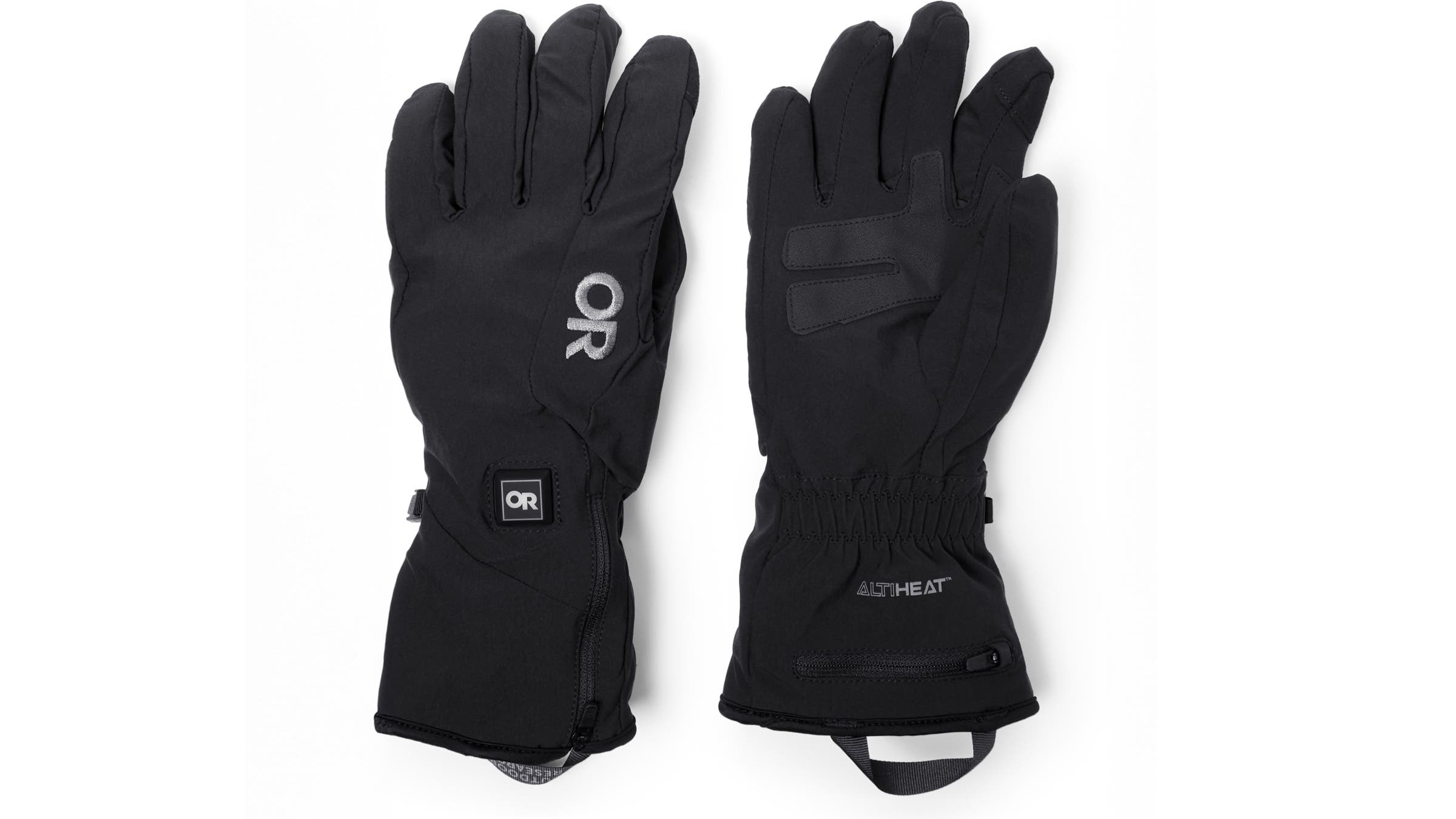
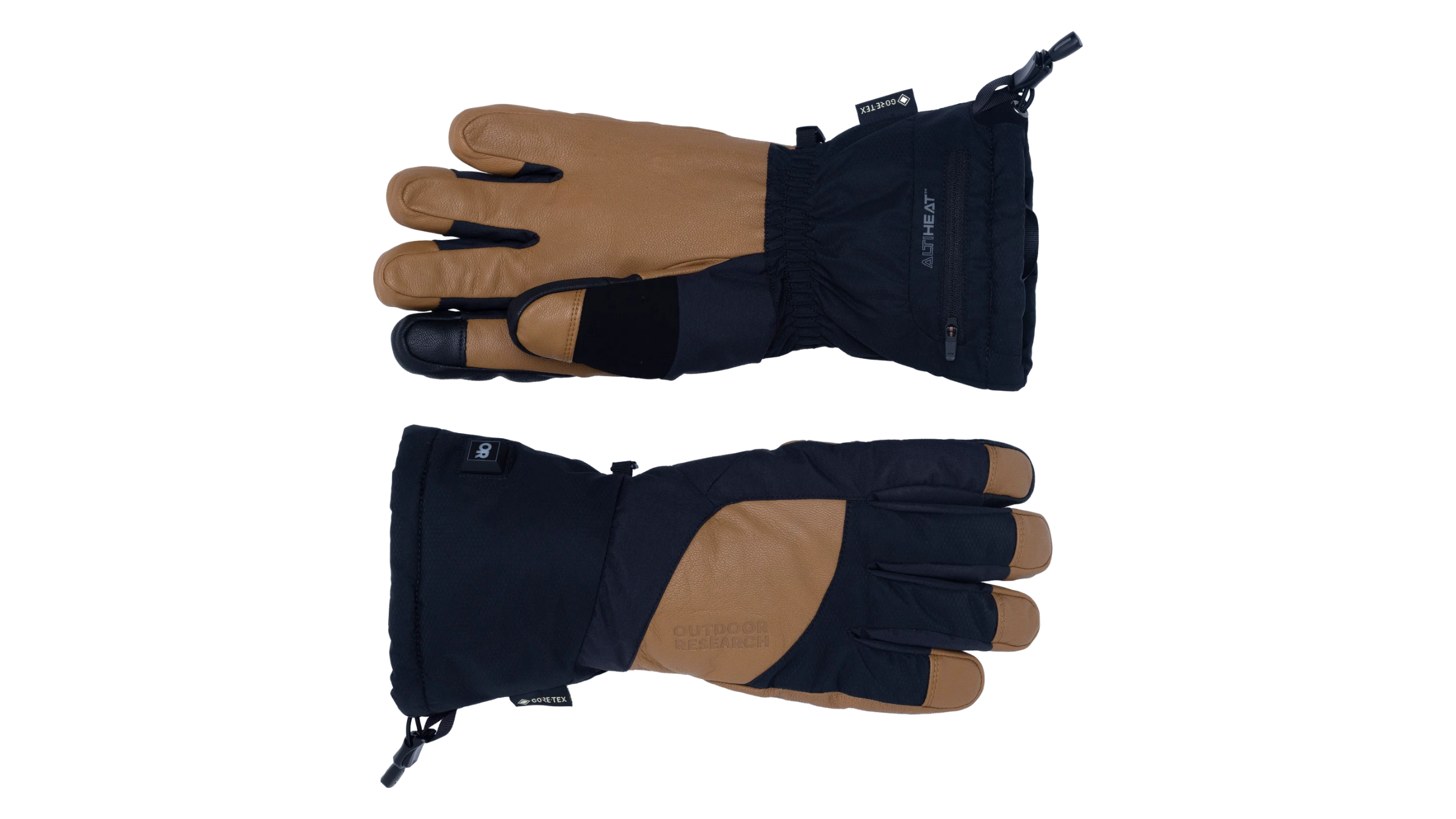
Outdoor Research continues to push its proprietary ALTIHeat system in the Sureshot and Prevail models. The 2026 iteration of ALTIHeat focuses on "articulated" battery packs. Instead of a single, rigid block, the power source is split into smaller, connected cells that wrap around the wrist. This design choice significantly improves the balance of the glove and reduces the "bulk" typically associated with high-capacity lithium-ion units. Data from the field suggests that these split-cell designs allow for a 15-20% increase in wrist mobility compared to traditional designs.
Detailed Performance Reviews: Top 2026 Selections
Swany Nexus: The Gold Standard
The Swany Nexus stands out due to its "buttery" leather shell and dual-battery capacity. The ewool system provides four distinct heat levels: Low (8 hours), Normal (4 hours), High (3 hours), and Boost (2 hours). A critical feature noted by testers was the haptic feedback; the glove vibrates when powered on or off, allowing users to confirm settings without removing the gear or looking at the controls. While the $480 price tag is substantial, the inclusion of Polygiene odor-control technology and the durability of the goatskin palm suggest a multi-season lifespan.
Seirus HeatTouch ST Atlas: The Value Leader
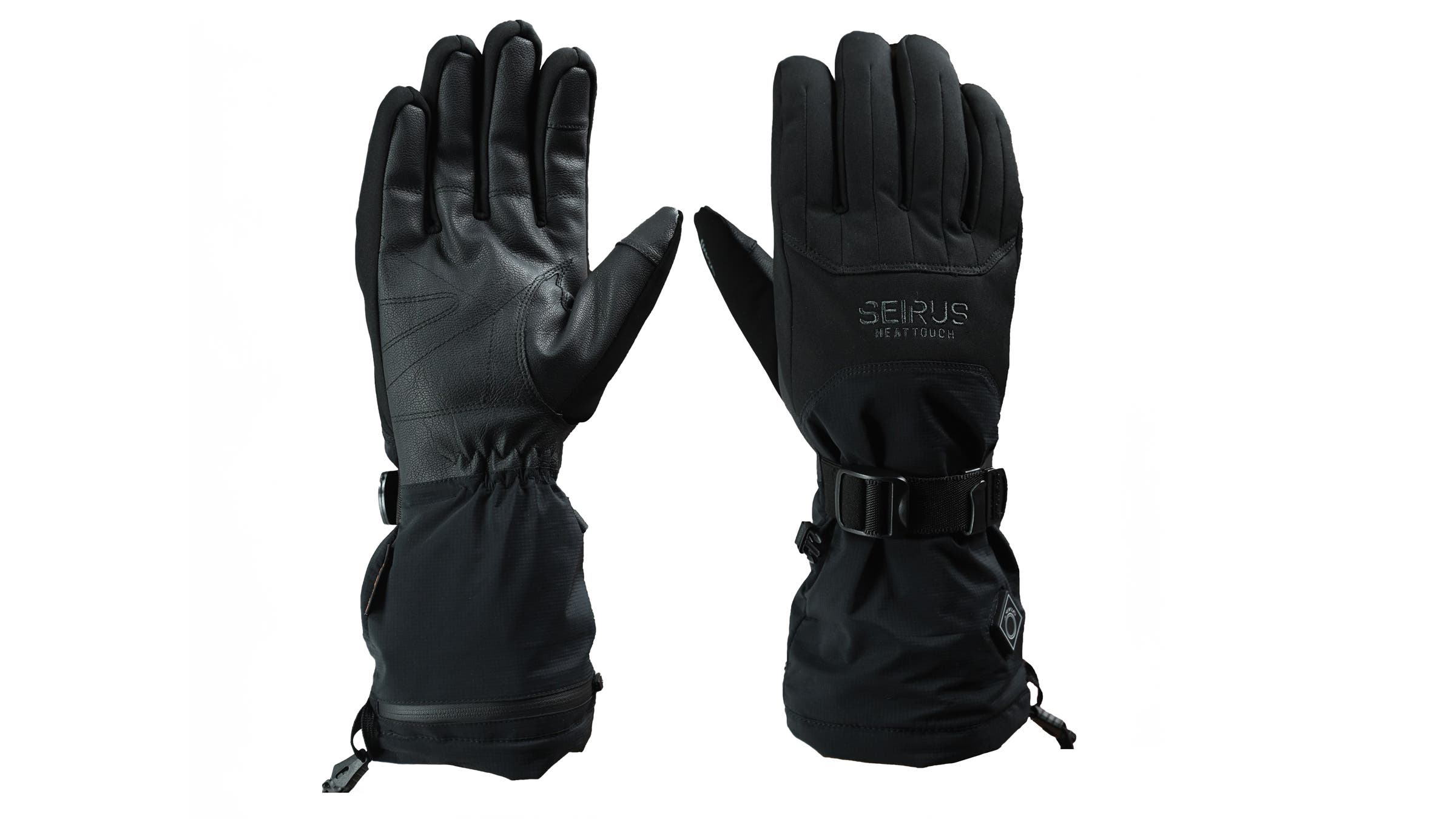
At $260, the Seirus Atlas challenges the notion that heated gear must cost half a thousand dollars. It utilizes a lightweight softshell exterior and 240 grams of synthetic insulation. While it lacks the full-leather luxury of the Swany, its 16.28Wh lithium-polymer batteries provide a respectable 6 hours of heat on low. Its touchscreen compatibility was rated among the highest in the group, making it a favorite for resort skiers who frequently use mobile apps for navigation or communication.
Hestra Heater Gauntlet: The Premium Investment
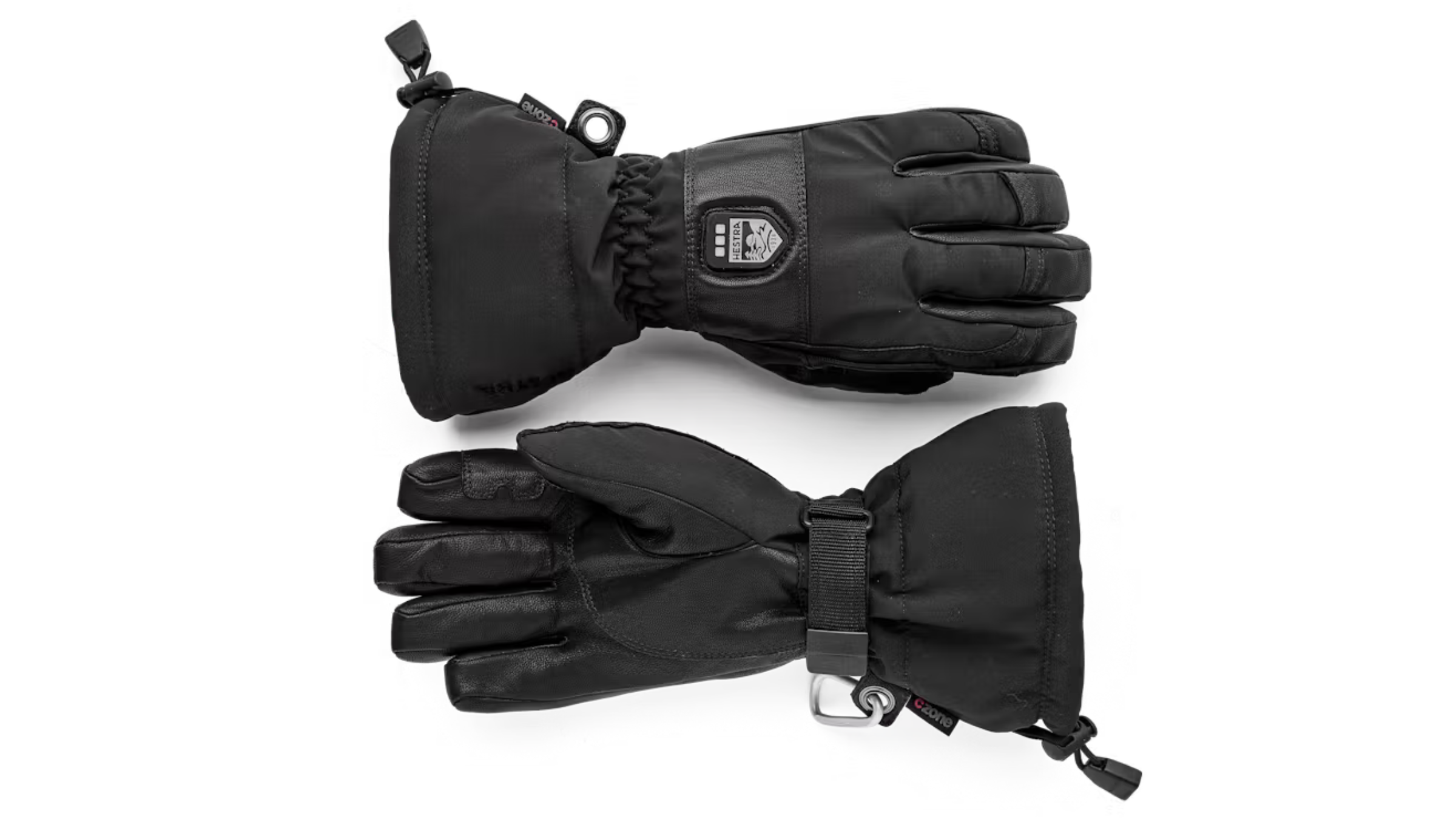
Long regarded as the benchmark for craftsmanship, Hestra’s $550 Heater Gauntlet remains the "Best Splurge" for 2026. The glove is designed to maintain a constant temperature of approximately 98.6 degrees Fahrenheit on its highest setting. Testers emphasized that the Hestra model is unique because it remains an exceptional ski glove even when the electronics are powered off, thanks to its high-quality fleece lining and robust insulation. The durability of Hestra’s goatskin palms has been documented over years of testing, often outlasting the electronic components themselves.
Specialized Handwear: Mittens and Liners
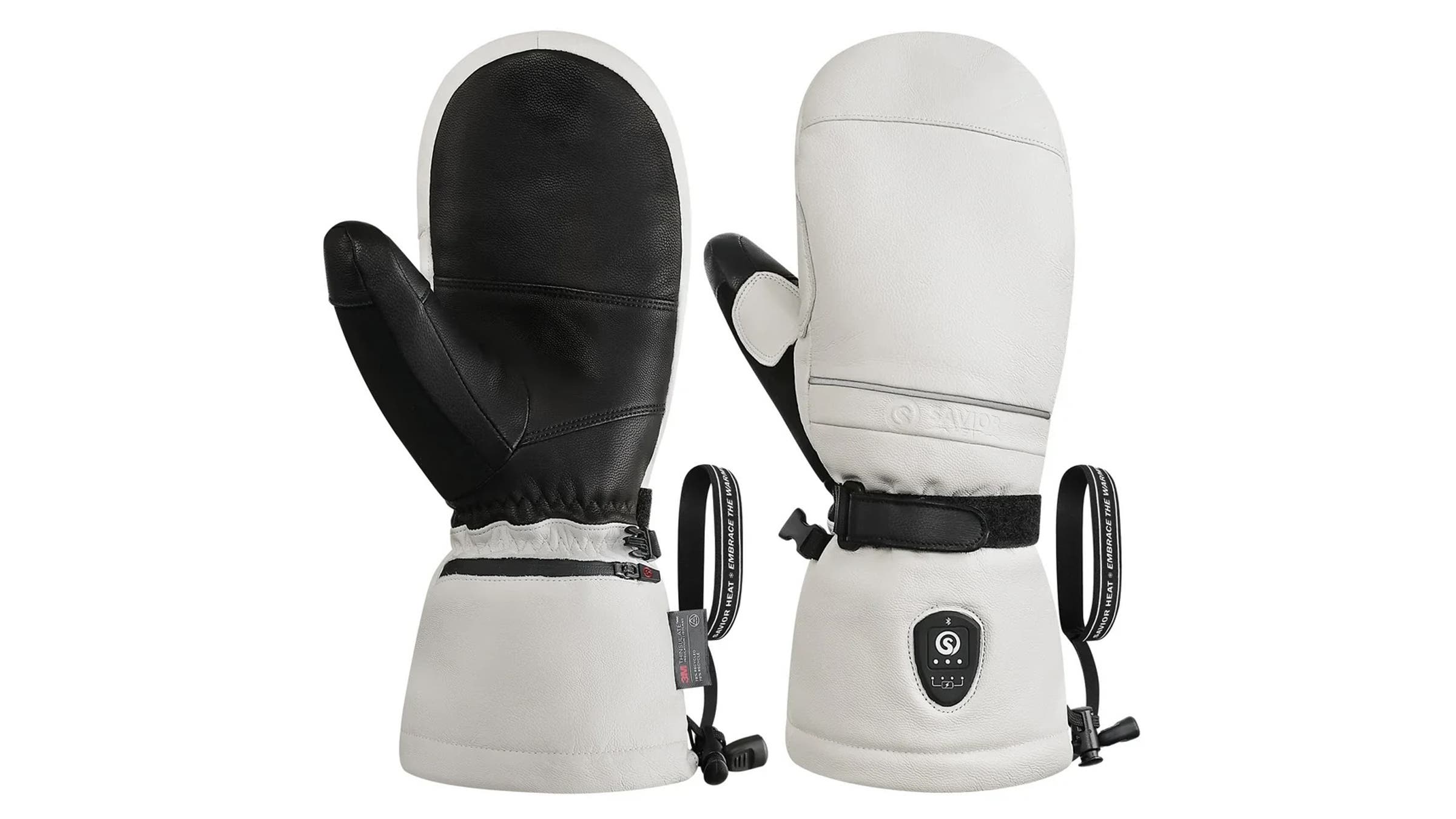
For those who prioritize maximum warmth over individual finger dexterity, the 2026 market offers several high-performance mittens. The Seirus Heat Touch Hellfire Mitten ($550) provides a category-leading 12 hours of heat on its low setting. It features a unique magnetic "pop-top" design, allowing users to expose their fingers for fine-motor tasks—such as adjusting boot buckles or using a phone—without removing the entire mitten.
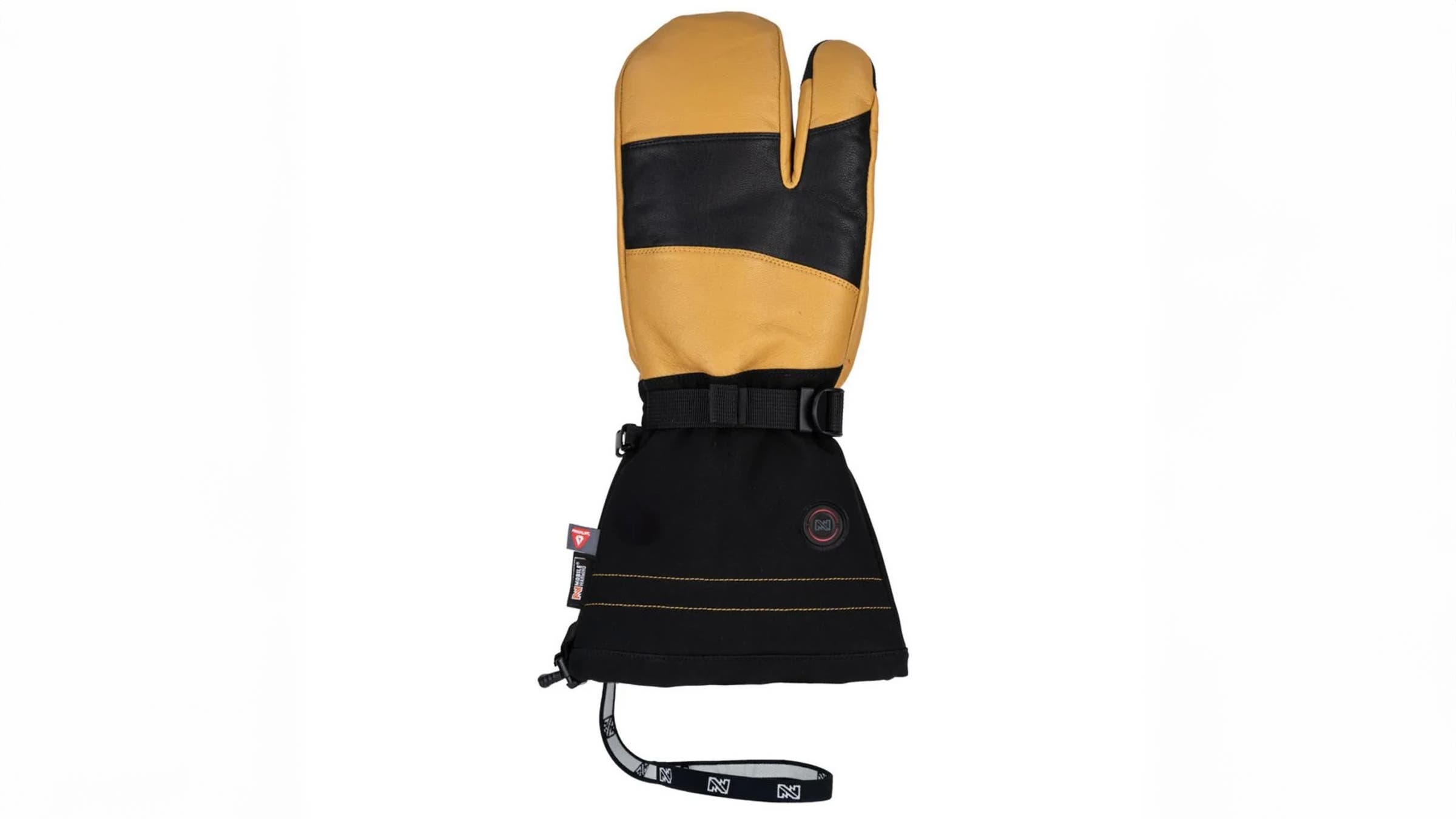
On the more affordable end of the spectrum, the Mobile Warming Alta Hybrid Mittens ($210) utilize a "lobster" or split-finger design. This hybrid approach provides the thermal benefits of a mitten with the grip-control of a glove. Meanwhile, for users who prefer to retain their existing shell gloves, the Savior SW04 Thin Heated Glove Liners ($101-$140) offer a versatile solution. These liners use far-infrared carbon fiber elements and are thin enough to fit inside most gauntlet-style gloves, though testers warned that the wrist-mounted battery packs may be too bulky for tight-cuffed "under-the-sleeve" jackets.
Market Trends and Consumer Guidance
The 2026 season has seen a shift toward "Everyday Heated" gear. The Outdoor Research Sureshot ($325) exemplifies this trend—a low-profile, highly breathable softshell glove intended for active pursuits like spring skiing, hiking, or dog walking. Unlike traditional "heavy" ski gloves, these models omit a waterproof membrane to maximize sweat evaporation, making them ideal for high-output activities where Raynaud’s disease might otherwise cause painful "flash-freezing" of the fingers once the heart rate drops.
Industry experts recommend that consumers consider three primary factors before purchase:
- Activity Level: High-output activities (backcountry) require breathability, while low-output activities (chairlifts/snowmobiling) require maximum insulation.
- Battery Life Requirements: Most gloves offer 2 to 10 hours of heat. For full-day backcountry excursions, carrying a spare set of batteries (typically costing $50-$70) is advised.
- Fit and Circulation: A glove that is too tight will restrict blood flow, rendering the heating element ineffective. Conversely, a glove that is too loose creates "dead air" space that the battery must work harder to heat.
Safety Protocols and Maintenance
As heated apparel becomes more common, safety organizations have issued specific warnings regarding electronic interference. Heated gloves contain batteries and wiring that can interfere with the signals of avalanche transceivers (beacons). The current industry standard recommends maintaining at least 20 centimeters (8 inches) of separation between heated gloves and a beacon in "send" mode, and 50 centimeters (20 inches) when in "search" mode. Backcountry travelers are urged to turn off their heated gloves entirely during a search to ensure signal clarity.
To maximize the longevity of these expensive investments, manufacturers emphasize proper battery care. Lithium-ion batteries should be recharged every two to three months during the off-season to prevent deep-discharge failure. While Outdoor Research suggests replacing batteries annually for peak performance, many testers found that with proper storage, the batteries remained viable for three to four seasons before a significant drop in "run-time" was observed.
Implications for the Future of Winter Sports
The refinement of heated glove technology in 2026 represents a broader trend toward "climate-controlled" outdoor experiences. By extending the comfort window for athletes and enthusiasts, these tools are effectively lengthening the ski day and making winter recreation more inclusive for individuals with circulatory issues or older enthusiasts sensitive to the cold. As battery energy density continues to improve, the industry expects even lighter, more powerful options to emerge by the end of the decade, further blurring the line between traditional apparel and wearable technology. For now, the 2026 lineup provides a robust array of options that ensure the only thing "nipping at your nose" this winter will be the wind, not the frostbite.
