

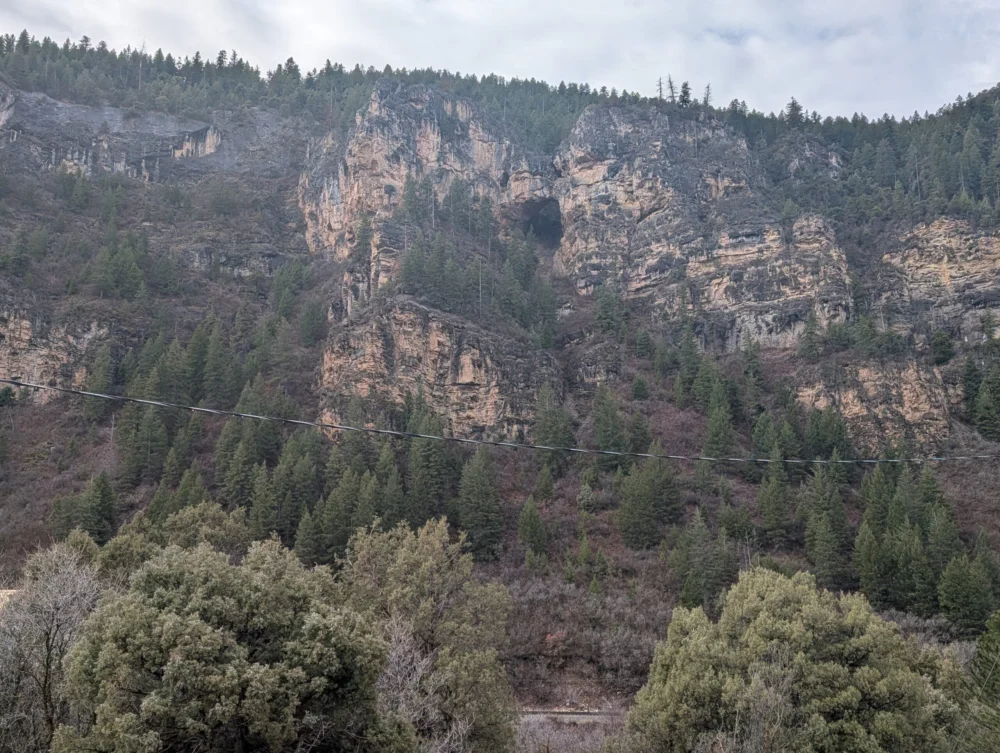
The ongoing "Ski the South" tour has made its latest significant stop in the heart of Colorado’s Rocky Mountains, transitioning its focus from initial southern excursions to the high-altitude grandeur of the American West. Following a visit to the iconic slopes of Vail, the tour’s correspondent, Kim Brown (known professionally as "The Scribe" in his long-standing column for the Stowe Reporter), and his companion, Jane, journeyed ten miles west to Beaver Creek Resort. This leg of the tour offers a detailed look into the distinct characteristics of two of North America’s premier ski destinations, both under the ownership of Vail Resorts, Inc., and provides insights into the evolving landscape of winter sports, including the burgeoning discipline of Ski Mountaineering (Ski Mo). As the tour progresses, it anticipates a shift in nomenclature, soon to be recognized as the "Ski the Northern Plains" tour, reflecting its expansive and diverse itinerary across the continent.
The "Ski the South" Tour: An Evolving Itinerary and Geographic Scope
Conceived as an ambitious exploration of ski culture and terrain across various regions, the "Ski the South" tour began its journey with a focus on destinations typically less associated with extensive winter sports. However, the current Colorado segment represents a pivotal geographical shift, marking the tour’s westward expansion before it eventually pivots north and east. This progression highlights the tour’s commitment to showcasing the breadth of North American skiing, from the niche charm of southern resorts to the expansive, world-class facilities of the Rockies. The transition from "Ski the South" to "Ski the Northern Plains" underscores the expedition’s evolving narrative, promising future dispatches from diverse, and perhaps unexpected, ski locales. Such extensive tours are crucial in providing a comprehensive view of the ski industry’s varied offerings, influencing travel patterns and promoting regional ski economies.
Vail Resorts’ Colorado Jewels: Proximity and Distinct Identity
Vail and Beaver Creek, while geographically close and commonly linked in the perception of many skiers, particularly those from New England, are distinct entities offering unique experiences. Both resorts are flagship properties within the vast portfolio of Vail Resorts, a global leader in the ski industry, operating 42 resorts across four countries. Vail Resorts’ business model often involves acquiring and developing major ski areas, integrating them into a network accessible via passes like the Epic Pass. This strategy has allowed the company to offer unparalleled access to diverse terrain while maintaining individual brand identities for its properties.

Despite their shared ownership and relative proximity—separated by approximately ten miles of winding mountain roads—the two resorts cater to slightly different demographics and offer varied skiing atmospheres. Vail, often perceived as more bustling and extensive, is known for its legendary back bowls and vibrant village life. Beaver Creek, on the other hand, cultivates an image of refined luxury, meticulous grooming, and a more relaxed, family-friendly ambiance. While a hypothetical ski expedition between the two resorts might be conceivable in an exceptionally heavy snow year, it would necessitate advanced skills typical of competitive Ski Mo athletes, underscoring the significant geographical and topographical challenges that separate them. This physical separation also reinforces the strategic decision by Vail Resorts to market them as distinct, albeit complementary, destinations. The economic footprint of these resorts on the Colorado economy is substantial, contributing billions annually through tourism, employment, and local business support.
Navigating the Resort: Accessibility and Arrival at Beaver Creek
For their visit to Beaver Creek, the correspondent and Jane opted for the convenience of the local bus service, a testament to the robust public transit infrastructure available in the Vail Valley. This decision highlights a growing trend among major ski resorts to promote sustainable and stress-free access for visitors, mitigating the challenges associated with private vehicle use and limited parking. Vail/Beaver Creek’s interconnected bus system is highly regarded, offering frequent and reliable service that allows guests to easily navigate between villages, lodging, and the slopes without the necessity of a personal vehicle. This emphasis on public transportation not only enhances the visitor experience by reducing logistical hurdles but also aligns with broader environmental sustainability goals. While parking at these popular destinations can indeed be complicated and costly, the efficient bus network provides a viable and often preferred alternative, underscoring the resorts’ commitment to accessibility.
Birds of Prey: A World-Class Downhill Arena
A prime attraction for any serious skier visiting Beaver Creek is the world-famous Birds of Prey downhill course. This iconic track is celebrated globally as a formidable venue for the men’s and women’s World Cup speed events, typically held in early December, drawing elite athletes and international spectators. The course is renowned for its demanding profile, plunging 2,415 vertical feet over a distance of approximately 1.75 miles. Its challenging sections, including the "Golden Eagle" and "Talon" jumps, require extraordinary technical skill, courage, and precision from competitors, pushing the limits of alpine racing.
During the correspondent’s two-day visit, the Birds of Prey trail offered varied conditions. On the first day, the reporter experienced the course with mixed snow—softer, more forgiving conditions on the skier’s left edge, contrasting with the "hard snow," a term familiar to East Coast skiers for firm, packed surfaces, on the right. This duality allowed for a tactical approach to descending the formidable slope. The subsequent day presented a different, yet equally enjoyable, experience as the trail had received its weekly Friday night grooming. This meticulous preparation transformed the course into a beautifully smooth canvas, enabling a more fluid and less aggressive run, albeit far from the 80-90 miles per hour speeds achieved by World Cup racers. The opportunity to ski such a historic course, even at a leisurely pace, provided a unique appreciation for the athleticism and skill required by the world’s top alpine competitors.

Connecting with the Patrol: A Vermont Legacy in the Rockies
A significant highlight of the Beaver Creek visit was the opportunity for the correspondent to connect with Mike Rainville, a veteran ski patroller stationed at the top of the mountain. Rainville, who maintains a summer residence in Vermont with his wife Holly and spends winters operating out of the nearby canyon town of Red Cliff, represents a fascinating cross-pollination of ski cultures. His extensive experience includes a significant tenure with the Mount Mansfield Ski Patrol in Vermont, a testament to his deep roots in eastern skiing.
The presence of Vermonters in Western ski patrols is a well-documented phenomenon, illustrating a common migratory pattern where experienced East Coast patrollers bring their expertise and work ethic to the vast, challenging terrains of the Rockies. These individuals often possess a unique blend of technical skills and adaptability, honed in the sometimes-variable conditions of New England, making them invaluable assets in the larger-scale operations of Western resorts. Rainville’s busy schedule as a rookie patroller at Beaver Creek, indicative of the constant demands placed on new team members, unfortunately precluded a shared run with the correspondent. However, the brief encounter underscored the camaraderie and shared passion that defines the ski patrol community, regardless of geographical location. Resort officials often emphasize the critical role of ski patrol in ensuring visitor safety and managing mountain operations, highlighting their rigorous training and dedication.
Navigating Beaver Creek’s Expansive Terrain
Beaver Creek is unequivocally a "mega resort," boasting an immense skiable and rideable trail system spanning over 7,500 acres. This vast expanse offers an unparalleled variety of terrain, catering to skiers of all abilities. The resort is generally perceived as a more relaxed destination compared to its neighbor, Vail, an attribute largely due to its abundance of blue and green-rated trails. These meticulously groomed slopes provide ample opportunities for intermediate and beginner skiers to explore and progress in a comfortable environment.
Even many of Beaver Creek’s black diamond trails are considered relatively mellow when compared to the notoriously steep and challenging runs found at classic East Coast resorts like Stowe, Mad River Glen, or Smuggler’s Notch. This characteristic makes Beaver Creek particularly appealing to families and those seeking a more leisurely yet extensive ski experience. During the visit, the correspondent enjoyed another "bluebird day" (a clear sky day), enhanced by a couple of inches of fresh snow from an earlier squall. These conditions created ideal soft snow for relaxed skiing, allowing for extensive exploration of the resort’s diverse offerings without the pressure of extreme challenges. Beaver Creek’s strategic trail design, coupled with its consistent grooming, ensures a high-quality experience across its vast acreage, solidifying its reputation as a premium, yet accessible, mountain destination.

The Evolving Sport of Ski Mountaineering (Ski Mo)
The original article’s brief mention of Ski Mo, or ski mountaineering, as a niche but growing discipline, warrants further exploration. Ski Mo, recently showcased in the Olympic Games, combines elements of alpine skiing, mountaineering, and endurance sports. Participants ascend mountains on skis, often involving steep ascents, traverses, and even short sections of climbing on foot, before descending on skis. It demands exceptional physical fitness, advanced backcountry navigation skills, and a deep understanding of snow safety.
The notion of skiing directly between Vail and Beaver Creek, as alluded to in the original text, would indeed represent an expedition best suited for those possessing Olympic-level Ski Mo skills. Such a feat would entail navigating complex, unpatrolled terrain, managing significant elevation changes, and potentially confronting challenging weather conditions—a far cry from typical resort skiing. The inclusion of Ski Mo in recent Olympic Games reflects its increasing popularity and recognition as a legitimate competitive sport, drawing attention to the extreme athleticism and technical prowess required. This trend also speaks to a broader movement within winter sports towards backcountry exploration and self-powered adventure, pushing the boundaries beyond traditional lift-served skiing. However, such endeavors also come with inherent risks, necessitating extensive training, proper equipment, and a profound respect for mountain environments.
Beyond Beaver Creek: The Journey Continues Westward
With the memorable two-day stop at Beaver Creek concluded, the "Ski the South" tour, soon to be renamed, prepared for its next leg. The correspondent and Jane were set to journey onward to Glenwood Springs, a renowned destination for its hot springs, and then relatively nearby Aspen. The concept of "nearby" in the vast expanses of the American West often entails significant travel, with many adventures requiring extended drives across diverse landscapes. This geographical reality underscores the scale of the tour and the commitment required to traverse such distances. The correspondent expressed continued enjoyment of the Western segment of the tour, appreciating the unique experiences and terrains offered by Colorado’s iconic mountains, before the itinerary ultimately directs them north and east towards new horizons. This expansive journey not only highlights individual ski resorts but also the intricate tapestry of ski culture and geography across North America.
Broader Implications: Ski Tourism and Regional Economies

The experiences at resorts like Beaver Creek and Vail offer a microcosm of the broader ski tourism industry’s impact on regional economies. Major ski resorts are powerful economic engines, creating thousands of jobs directly (e.g., lift operators, ski instructors, patrollers, hospitality staff) and indirectly (e.g., local businesses, transportation services, real estate). They attract significant capital investment in infrastructure, including lifts, lodging, and amenities, which in turn stimulates local development and enhances the quality of life for residents.
However, the industry also faces significant challenges. The mention of "not a very good snow year" in the original article highlights the increasing vulnerability of ski resorts to climate change and variable weather patterns. This necessitates substantial investment in snowmaking technologies and diversification of year-round activities to maintain economic viability. Furthermore, managing the influx of visitors, ensuring sustainable practices, and addressing issues like affordable housing for resort employees are ongoing concerns for resort operators and local communities alike. The continued evolution of the ski industry, embracing new disciplines like Ski Mo and adapting to changing environmental conditions, will be crucial for its long-term success and its sustained positive impact on mountain regions. The correspondent’s journey through these premier destinations provides valuable insights into both the allure and the complexities of modern ski tourism.
