

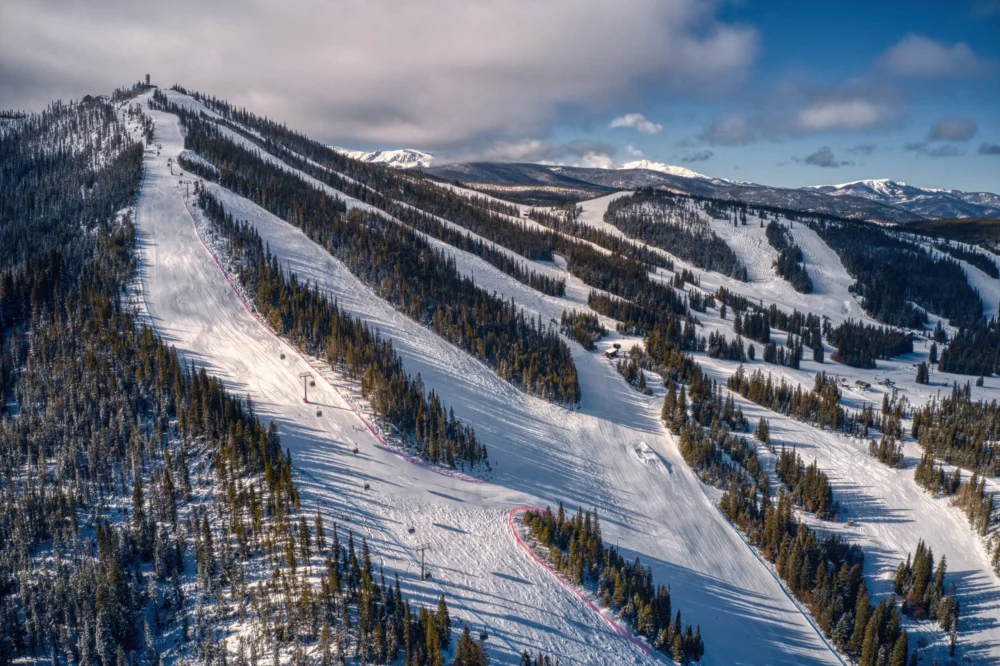
Fraser Winter Park Police are actively searching for an adult snowboarder who reportedly fled the scene after a significant collision with an 8-year-old skier at Winter Park Resort this past Sunday, March 1st. The incident, which left the young boy with a concussion and facial injuries, has cast a somber shadow over the usually vibrant slopes and prompted an urgent call for public assistance in identifying the individual responsible. The collision not only resulted in physical harm to a child but also raised serious questions about rider responsibility, adherence to mountain safety regulations, and the fundamental etiquette expected within the close-knit skiing and snowboarding community.
The Incident: A Detailed Account of the Collision
The distressing event unfolded around 1:15 p.m. on Sunday, March 1st, a day typically bustling with families enjoying the late-season snow. The 8-year-old boy, whose identity has not been released but whose father has provided details, was reportedly skiing in the popular intermediate areas known as Butch’s Breezeway and Gangway. These trails, often used by a mix of skill levels and frequently serving as connectors between other runs, are known for their accessibility and can experience high traffic volumes, particularly on weekends. According to initial reports, the young skier was navigating these slopes when he was suddenly struck by an adult snowboarder. The impact was described as severe enough to knock both parties to the ground, indicating a collision with considerable force. What followed, however, transcended a mere accident and escalated into a matter of legal and ethical concern.
The immediate aftermath of the crash saw both individuals momentarily down. While the child was visibly distressed and injured, the adult snowboarder, described as a middle-aged male, briefly engaged with the young victim. This momentary interaction, however, did not lead to the proper course of action. Instead of remaining at the scene, ensuring the child received immediate medical attention, or providing contact information as mandated by resort policy and state law, the snowboarder made the decision to leave. This hasty departure left the injured minor alone until a compassionate witness intervened, providing crucial assistance to the dazed and injured boy. This witness’s timely help ensured the child was transported off the mountain and subsequently received medical care. The child was later treated at the East Grand Community Clinic, where he was diagnosed with a concussion and facial injuries, highlighting the severity of the impact. The full extent of his recovery process and any long-term effects remain to be seen, but the psychological impact of such an incident on a young child is often profound.
The Victim’s Injuries and the Path to Recovery
The 8-year-old victim sustained injuries typical of a high-impact collision, including a concussion and facial trauma. A concussion, a type of traumatic brain injury caused by a bump, blow, or jolt to the head, requires careful management and recovery protocols, especially in developing children. Symptoms can range from headaches and dizziness to memory issues and mood changes, often requiring a period of rest and reduced cognitive activity. Facial injuries can include contusions, lacerations, or even fractures, depending on the precise point of impact. The child’s father has been vocal about the incident, expressing concern not only for his son’s physical recovery but also for the distress caused by the hit-and-run nature of the collision. Such incidents can leave lasting emotional scars, potentially affecting a child’s confidence and enjoyment of a sport they once loved. The family’s primary focus is now on the boy’s healing and ensuring justice is served.
Legal Obligations and the Colorado Ski Safety Act
The actions of the fleeing snowboarder are not merely a breach of common courtesy or mountain etiquette; they constitute a serious violation of state law. Colorado, like many other states with significant ski industries, has specific legislation governing conduct on the slopes. The Colorado Ski Safety Act (C.R.S. § 33-44-101 et seq.) clearly outlines the duties of both skiers and snowboarders. Among its most critical provisions is the requirement that "any person involved in a collision with another person or object, which collision results in an injury to any person, shall stop and render such assistance as is reasonable and necessary under the circumstances and shall exchange identification and contact information with the other person or persons involved in the collision." Failure to comply with this statute can lead to significant legal consequences, ranging from fines and civil liability for damages to potential criminal charges, especially when an injured minor is abandoned.
The Act places a clear responsibility on individuals to be aware of their surroundings and to ski or snowboard within their abilities, always maintaining control. It also emphasizes the inherent risks of the sport, but it unequivocally states that abandoning an injured party after a collision is unacceptable and illegal. The legal framework is designed to ensure accountability, facilitate proper medical attention for the injured, and allow for the fair resolution of disputes or claims arising from incidents. In this particular case, the suspect’s departure from the scene complicates the investigation and underscores the severity of the offense. It moves the incident beyond a mere accident into the realm of a potential criminal act, given the abandonment of an injured minor.
Winter Park Resort’s Commitment to Safety
Winter Park Resort, a prominent destination in the Rocky Mountains, prides itself on providing a safe and enjoyable environment for its guests. The resort, like all major ski areas, operates under strict safety guidelines and employs a dedicated Ski Patrol responsible for enforcing rules, responding to emergencies, and providing medical assistance. While Winter Park Resort has not issued a specific statement directly addressing this particular incident beyond cooperating with law enforcement, their general stance on safety is clear. Resorts typically promote "Your Responsibility Code," a universal set of guidelines for mountain users that includes principles such as staying in control, yielding to others, stopping in safe places, and, critically, remaining at the scene of an accident.

Incidents like this can prompt resorts to review and reinforce their safety protocols, although the primary challenge often lies in individual compliance rather than systemic failures. Resorts actively participate in campaigns to educate skiers and snowboarders about responsible behavior. However, the sheer volume of visitors and the vastness of the terrain make it impossible for patrol staff to witness every incident, making public cooperation and individual responsibility paramount. The resort’s full cooperation with the Fraser Winter Park Police Department is expected and essential in bringing the perpetrator to justice, reinforcing the message that unsafe and irresponsible conduct will not be tolerated.
The Search for Justice: Police Investigation and Community Appeal
The Fraser Winter Park Police Department has launched a full investigation into the hit-and-run, treating it with the seriousness it deserves. While details about the suspect are limited—described only as a middle-aged male snowboarder—authorities are relying heavily on witness accounts and potential surveillance footage. The challenge in identifying individuals on a busy ski slope is significant, given that faces are often obscured by goggles, helmets, and neck gaiters, and equipment is generic. However, police are meticulously gathering any available evidence.
A critical component of their investigative strategy is a public appeal for information. The department is urging anyone who was in the vicinity of Butch’s Breezeway or Gangway around 1:15 p.m. on Sunday, March 1st, and witnessed the collision or saw a snowboarder matching the general description leaving the scene, to come forward. This includes individuals who may have captured footage on personal cameras, GoPros, or smartphones, as even seemingly minor details can prove crucial in piecing together the events and identifying the suspect. The community’s role in assisting law enforcement cannot be overstated, as tips from the public often provide the breakthroughs needed in such cases.
Individuals with any information are encouraged to contact the Fraser Winter Park Police Department directly at 970-722-7779. Alternatively, information can be submitted via email to the provided address, which allows for discretion if individuals prefer. The goal is not just to apprehend a suspect but to ensure accountability and send a clear message that such negligent and illegal behavior will not be overlooked.
Broader Implications for Mountain Safety and Rider Etiquette
This incident at Winter Park Resort is more than an isolated event; it resonates with a broader discussion about safety, responsibility, and the culture of outdoor recreation. Ski and snowboard accidents are an unfortunate reality of the sports, with thousands of injuries reported annually across North American resorts. While most collisions are accidental and resolved amicably, hit-and-runs undermine the fundamental trust and communal spirit that define mountain culture. They also highlight the need for constant vigilance and adherence to safety guidelines.
Statistics from organizations like the National Ski Areas Association (NSAA) emphasize the importance of safe skiing and riding. While fatalities are rare, non-fatal injuries, including concussions, fractures, and sprains, are common. The presence of a "Your Responsibility Code" at every resort is a testament to the industry’s efforts to mitigate risks. However, the effectiveness of these codes relies heavily on individual adherence. This particular incident serves as a stark reminder that the responsibility code is not merely a suggestion but a critical framework for safe coexistence on shared terrain.
The implications extend to the perception of the sport itself. When incidents like this occur, they can deter new participants, particularly families, who may perceive the slopes as unsafe. It also puts a spotlight on the conduct of adult participants, who are often seen as role models for younger generations. The "take care of our own" ethos in the mountains is a deeply ingrained value, and the abandonment of an injured child runs contrary to everything the community stands for.
Preventing Future Incidents: A Collective Responsibility
Preventing similar incidents requires a multi-faceted approach involving resorts, law enforcement, and every individual on the mountain. For resorts, this means continuing to invest in safety education, clear signage, and effective Ski Patrol presence. For law enforcement, it means thorough investigation and prosecution of those who violate safety laws. But ultimately, the greatest impact comes from individual responsibility.
Every skier and snowboarder has a duty to ski and ride safely, be aware of their surroundings, and be prepared to assist others. This includes maintaining control, adhering to posted speed limits, being mindful of changing snow conditions, and, crucially, stopping to render aid and exchange information in the event of a collision. The "next generation of groms," as the original article poignantly puts it, deserves a safe and supportive environment to learn and enjoy these sports. The collective action of the community, both in assisting the police investigation and in reinforcing responsible behavior on the slopes, is essential to uphold the values of safety and camaraderie that are the hallmark of mountain recreation. The hope is that the young skier involved in this incident will not only recover physically but will also see justice served, allowing him to return to the slopes with confidence and joy.
