

A formidable quintet of American freeride skiers has officially earned their coveted spots on the sport’s most prestigious circuit, signaling a significant shift in the competitive landscape. Hannah Baldwin, Delila Quinn, Kai Morgan, Nate Pruzan, and Tyler Curle have successfully navigated the rigorous Freeride World Qualifier (FWQ) and Freeride World Challenger (FWTC) series, demonstrating exceptional skill, unwavering commitment, and a fresh, progressive approach to big mountain skiing. Their qualification for the 2027 season represents not just individual triumphs but a collective statement about the burgeoning strength and evolving style of U.S. freeride talent, poised to challenge the established order and redefine the sport’s future.
The Freeride World Tour: Apex of Big Mountain Skiing
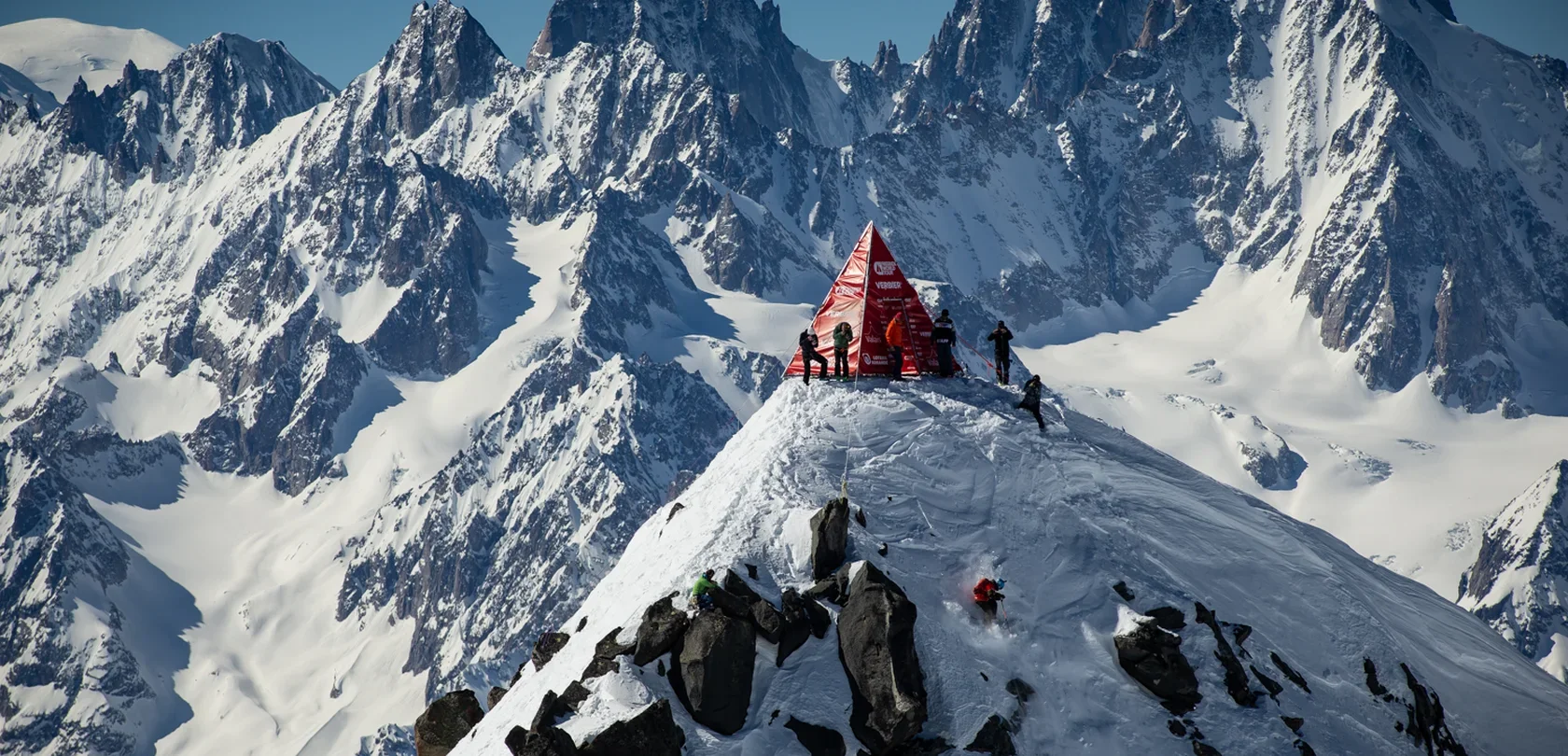
To truly appreciate the magnitude of these athletes’ achievements, one must understand the unique demands and prestige of the Freeride World Tour (FWT). Established in 2008, the FWT quickly ascended to become the pinnacle of big mountain skiing and snowboarding competitions. Unlike traditional alpine racing, freeride skiing is judged on a holistic assessment of an athlete’s performance down an untamed, un-groomed face of a mountain. Competitors are evaluated on five core criteria: line choice, fluidity, control, air and style, and technique. The terrain is often steep, rocky, and avalanche-prone, requiring a profound understanding of snow conditions, risk assessment, and an almost intuitive connection with the mountain.
The FWT season typically spans five to six global stops, taking athletes to some of the most iconic and challenging freeride venues on Earth, from the jagged peaks of Verbier, Switzerland, to the legendary steeps of Kicking Horse, Canada, and Fieberbrunn, Austria. The tour operates on a "cut" system, where athletes must perform consistently across the early events to avoid elimination and continue competing for the coveted world title. This high-stakes environment demands not only physical prowess and technical mastery but also immense mental fortitude and adaptability to constantly changing conditions.
The Grinding Gauntlet: FWQ and FWTC
The pathway to the Freeride World Tour is a grueling, multi-tiered journey that tests every facet of a skier’s ability and dedication. The base of this pyramid is the Freeride World Qualifier (FWQ) circuit, a global series of events designed to identify and rank aspiring freeriders. Hundreds of athletes from dozens of nations compete annually in regional FWQ events, accumulating points based on their performance. The FWQ circuit is categorized by star ratings (1-star to 4-star), with higher-star events offering more points and attracting a more competitive field. Success in the FWQ requires consistent top finishes, often across multiple continents, demanding significant financial investment, travel logistics, and an unwavering commitment to the sport.
Athletes who perform exceptionally well in the FWQ series earn the right to compete in the Freeride World Challenger (FWTC) events. The Challengers represent the final, most intense hurdle before the FWT. These events typically feature conditions and terrain comparable to those found on the main tour, pitting the top FWQ athletes against those who were cut from the FWT in the previous season but are vying for re-qualification. The FWTC circuit is notoriously competitive, with only a handful of spots available for promotion to the Freeride World Tour each season. For the 2027 season, these five American skiers demonstrated the necessary dominance in the Challengers, stacking results and proving their readiness for the sport’s elite stage. Their journey through these ranks is a testament to years of training, competition, and an inherent drive to push the boundaries of big mountain skiing.

The New American Guard: Diverse Styles, Unified Ambition
The newly qualified American athletes bring a rich tapestry of styles and approaches to the FWT, collectively promising an exciting and dynamic presence on the circuit. Each skier’s journey through the Qualifiers and Challengers has highlighted unique strengths that observers anticipate will translate powerfully onto the bigger, more consequential FWT venues.
Hannah Baldwin: The Embodiment of Calm Consistency
Hannah Baldwin’s ascent to the Freeride World Tour epitomizes a methodical yet supremely effective approach. While some athletes might resort to aggressive, high-risk maneuvers to stand out, Baldwin carved her path with a distinctive blend of calm and consistency. Her performances in the Challengers, marked by a first and a second-place finish, were not flashes in the pan but rather the result of a meticulously executed strategy. Judges and fellow competitors alike have lauded her ability to maintain impeccable control and fluid lines even when confronted with the steepest and most technical sections of a face. This measured aggression, coupled with her precise technique, allows her to navigate complex terrain with an almost serene confidence. In a sport where high-speed falls are common and composure is paramount, Baldwin’s capacity to remain in control when the stakes are highest will be an invaluable asset on the formidable FWT faces, where even a minor error can have significant consequences. Her style suggests a deep understanding of snow conditions and terrain features, allowing her to pick lines that optimize both speed and safety without sacrificing points for creativity or difficulty.
Delila Quinn: Making Noise with Intentional Aggression
Delila Quinn didn’t just qualify for the FWT; she announced her arrival with a flourish. Her Challenger season was punctuated by multiple podium finishes, including a decisive win, and a memorable moment where she seamlessly integrated a backflip into a highly technical line. This wasn’t merely about "checking boxes" for judges; it was a bold statement of intent. Quinn skis with a palpable sense of purpose, her lines reflecting deliberate choices designed to maximize both aesthetic appeal and scoring potential. More importantly, she skis with unwavering commitment, a trait that separates the contenders from the cautious. Her willingness to combine aggressive, freestyle-inspired maneuvers with solid big mountain technique speaks to the evolving nature of freeride skiing. As the FWT increasingly rewards athletes who can blend these elements, Quinn’s dynamic style and fearless approach are expected to resonate strongly, particularly on faces that offer ample opportunities for creative air and technical descents. Her commitment to executing complex plans under pressure will be a formidable weapon.
Kai Morgan: The Purist’s Powerhouse
Kai Morgan’s philosophy on the mountain is refreshingly straightforward and deeply rooted in the classic tenets of freeride: identify a significant feature, and hit it with conviction. His victory at Whitewater during the Challenger series perfectly illustrated this approach, characterized by massive cliffs, impeccably clean stomps, and an absolute absence of hesitation. Morgan embodies the raw power and undeniable appeal of traditional big mountain skiing, where sheer scale and committed execution are paramount. In an era where freestyle elements are increasingly integrated, Morgan stands as a testament to the enduring effectiveness of classic freeride aggression. On the FWT, where the size of features and the consequence of errors are magnified, his mindset is particularly well-suited. His ability to launch off towering cliffs and land flawlessly, often at high speed, demonstrates a mastery of air control and impact absorption that few can match. This "go big or go home" attitude, tempered by precision, promises to make him a fan favorite and a serious threat on any FWT stop featuring large natural jumps and challenging take-offs.
Nate Pruzan: The Freestyle Fusion Architect
Nate Pruzan represents the leading edge of freeride’s evolution, where the sport transcends mere speed and descent to embrace intricate movement through terrain. Pruzan inherently understands that modern freeride demands more than just big airs; it requires a nuanced integration of freestyle artistry into the raw power of big mountain skiing. Whether it’s spinning off iconic features like Whistler’s "Air Jordan" (a notable natural jump often featured in freeride media) or meticulously linking creative, unconventional lines, Pruzan injects a distinctive freestyle flair into every run. His vision of the mountain is less about a direct descent and more about a canvas for athletic expression. This progressive style, which prioritizes innovation, technical tricks, and dynamic line choices, is precisely where the sport is heading. Pruzan is not just keeping pace with this evolution; he’s actively driving it. His ability to execute complex spins and grabs while maintaining control in extreme terrain positions him as a strong contender for high scores, particularly from judges who value originality and a forward-thinking approach. He is poised to become a standard-bearer for the next generation of freeride.
Tyler Curle: The Quietly Consistent Performer
In every competitive season, there are athletes who meticulously assemble their campaign with quiet determination, letting their results speak for themselves. Tyler Curle, the Tahoe-based skier, is one such individual. His qualification is the culmination of years spent stacking experience, refining his approach, and consistently delivering strong performances under pressure. Curle’s journey is a powerful reminder that while explosive talent often captures headlines, sustained dedication and incremental improvement are equally vital. He has patiently honed his craft, demonstrating a deep understanding of competition strategy and the demands of varied terrain. Now, after years of diligent effort, he earns his well-deserved shot on the Freeride World Tour. His quiet confidence and proven ability to perform consistently will be a significant asset as he navigates the high-pressure environment of the FWT, where mental game often proves as crucial as physical skill. Curle’s success story embodies the principle that perseverance eventually yields its rewards, and his steady hand may prove a crucial advantage.

The Stacked U.S. Roster: A Deep Bench for 2027
These five new qualifiers are not entering an empty field; they are joining an already formidable American contingent on the Freeride World Tour. Returning U.S. athletes like Toby Rafford and Ross Tester have already demonstrated their capacity to contend at the absolute highest level, having finished second and third respectively in the preceding season. Their proven track record provides a strong foundation and valuable mentorship for the incoming class.
The addition of Baldwin, Quinn, Morgan, Pruzan, and Curle significantly deepens the American roster for the 2027 season, creating an unprecedented pool of talent. This depth has several profound implications. Internally, it fosters a healthy competitive environment, pushing each athlete to elevate their game. Externally, it solidifies the United States’ position as a dominant force in global freeride skiing. With a diverse array of styles—from Baldwin’s controlled precision to Quinn’s freestyle aggression, Morgan’s classic power, Pruzan’s innovative fusion, and Curle’s consistent performance—the U.S. team is equipped to tackle any type of FWT venue and appeal to a broad spectrum of judging preferences.
This influx of fresh talent also promises to raise the overall bar for the sport. The "shift" observed in their Challenger runs—a notable reduction in hesitation and a bolder, more progressive approach—is indicative of a broader trend. These athletes are not content to merely participate; they are here to actively push the boundaries of what is considered possible in big mountain skiing. This collective ambition is expected to inspire more aggressive line choices, more technical maneuvers, and an even higher standard of performance across the entire FWT field. The global freeride community is abuzz with anticipation for the 2027 season, eager to witness the impact of this vibrant new American wave.
Implications for the Future of Freeride
The qualification of these five American skiers carries significant implications for the future trajectory of competitive freeride skiing. Their diverse skill sets, ranging from calculated control to daring freestyle integration and classic big-mountain power, reflect the multifaceted evolution of the sport itself. Freeride is no longer a monolithic discipline; it is a dynamic blend of speed, technical precision, aerial acrobatics, and creative line interpretation. This new guard from the U.S. exemplifies this evolution, promising a more exciting and unpredictable FWT season.
Moreover, a strong national contingent can inspire a new generation of skiers, fostering growth in grassroots freeride programs and elevating the profile of the sport within the United States. Increased visibility and success on the global stage often translate into greater sponsorship opportunities, media coverage, and overall development for freeride skiing as a whole. The success of these athletes serves as a powerful testament to the effectiveness of the FWQ/FWTC pipeline, demonstrating that consistent effort and exceptional talent can indeed lead to the sport’s highest echelons.
As the 2027 Freeride World Tour season approaches, all eyes will be on these five American rookies. They embody the spirit of progression and the relentless pursuit of excellence that defines freeride skiing. Their journey from the challenging proving grounds of the Qualifiers and Challengers to the grand stage of the Freeride World Tour is a story of dedication, courage, and an unyielding desire to ski at the absolute peak of their abilities. The freeride world is ready for them, and by all indications, this next wave isn’t just showing up; they’re here to make an indelible mark.
