

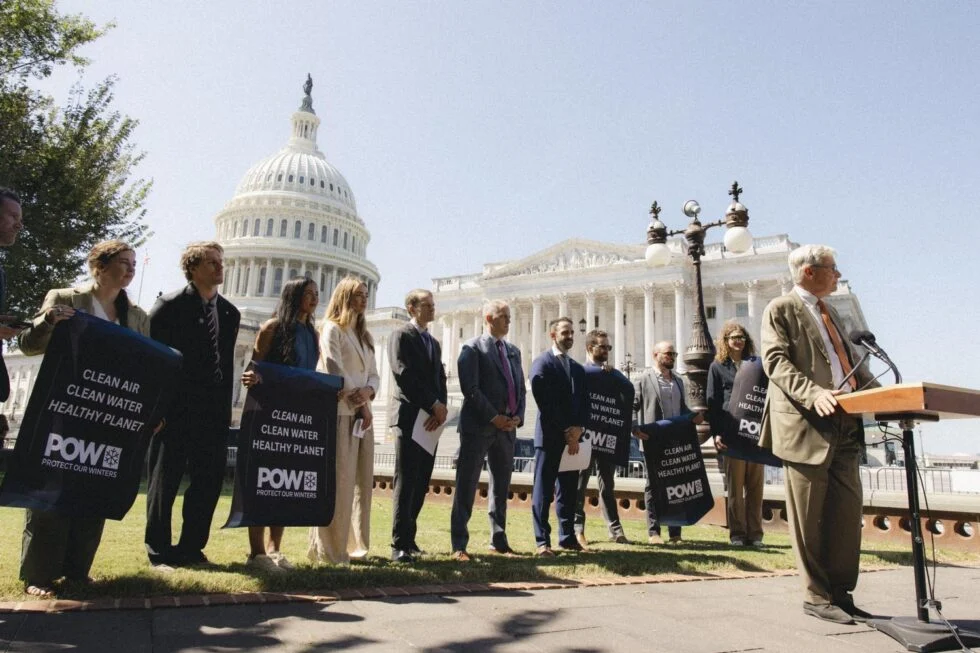
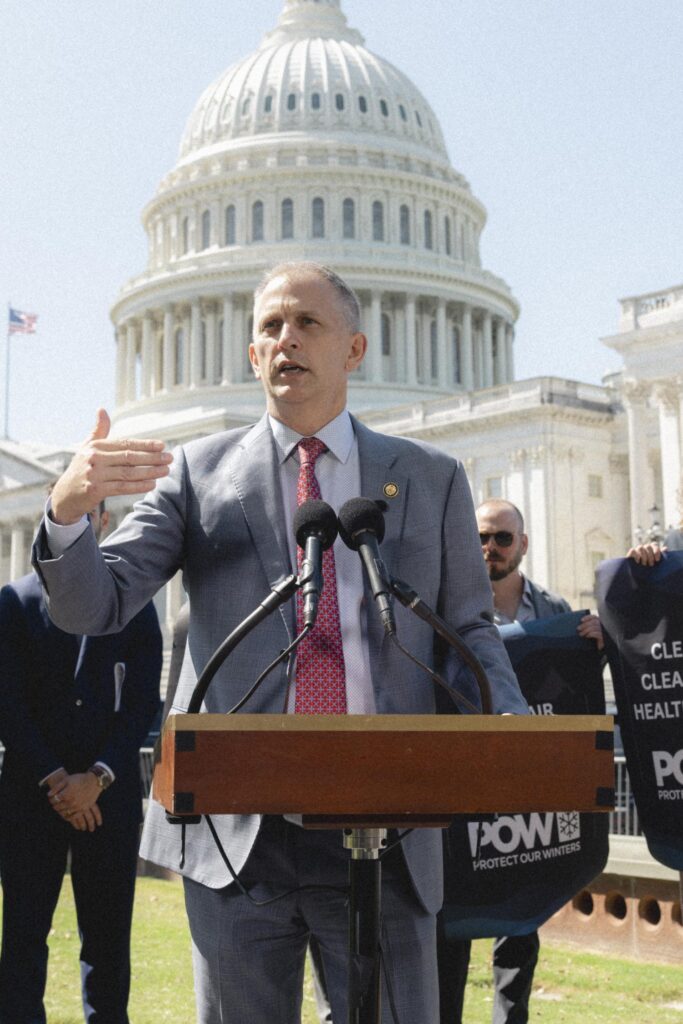
On September 16, a coalition of federal lawmakers and environmental advocates gathered on the steps of the U.S. Capitol to introduce the Environmental Health Restoration Act (EHRA), a legislative package designed to reinforce the authority of the Environmental Protection Agency (EPA) and insulate its core mission from shifting political tides. Led by Representative Sean Casten (D-IL) and Senator Sheldon Whitehouse (D-RI), the bill represents a direct response to recent judicial and executive actions that critics argue have significantly diminished the agency’s ability to regulate pollutants and protect public health. The introduction of the EHRA marks a pivotal moment in environmental policy, signaling a long-term legislative strategy to codify federal protections that have historically relied on executive discretion and judicial deference.
The Legislative Foundation and the Need for Restoration
The Environmental Protection Agency was established in 1970 under the Nixon administration, born from a bipartisan consensus that clean air and water were fundamental American rights. For five decades, the agency operated under a framework that allowed its scientists and administrators to adapt regulations based on evolving environmental data. However, the legal landscape shifted dramatically following recent Supreme Court rulings, most notably West Virginia v. EPA and the overturning of the Chevron deference in Loper Bright Enterprises v. Raimondo. These decisions have narrowed the scope of "agency expertise," requiring Congress to be more explicit in the authorities it grants to regulatory bodies.
The EHRA seeks to address these legal hurdles by explicitly restoring the EPA’s mandate to protect public health, clean air, clean water, and the climate. By providing clear statutory language, the bill aims to prevent future administrations from hollowing out the agency’s workforce or ignoring scientific findings in favor of industrial interests. Proponents of the bill argue that the "gutting" of environmental protections over the last several years has created a regulatory vacuum, leaving communities vulnerable to transboundary pollution such as wildfire smoke and contaminated water runoff.
A Chronology of the September 16 Mobilization
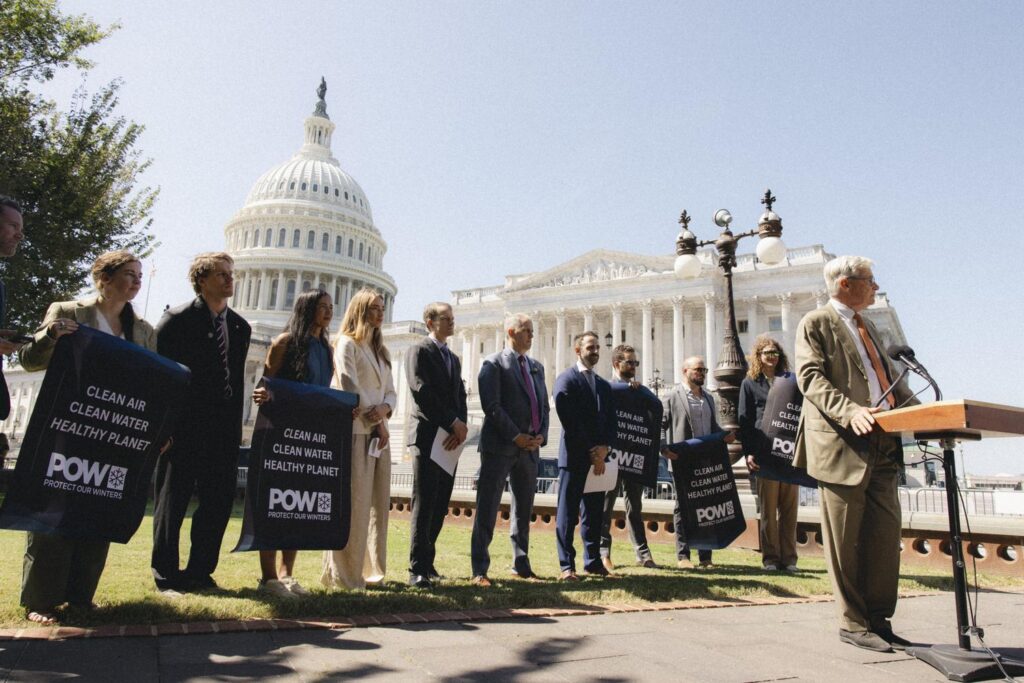
The formal introduction of the EHRA was not merely a legislative filing but a coordinated day of advocacy involving high-profile stakeholders from the outdoor recreation and scientific communities. The timeline of the day’s events reflected a strategic effort to bridge the gap between policy and the real-world impacts of environmental degradation.
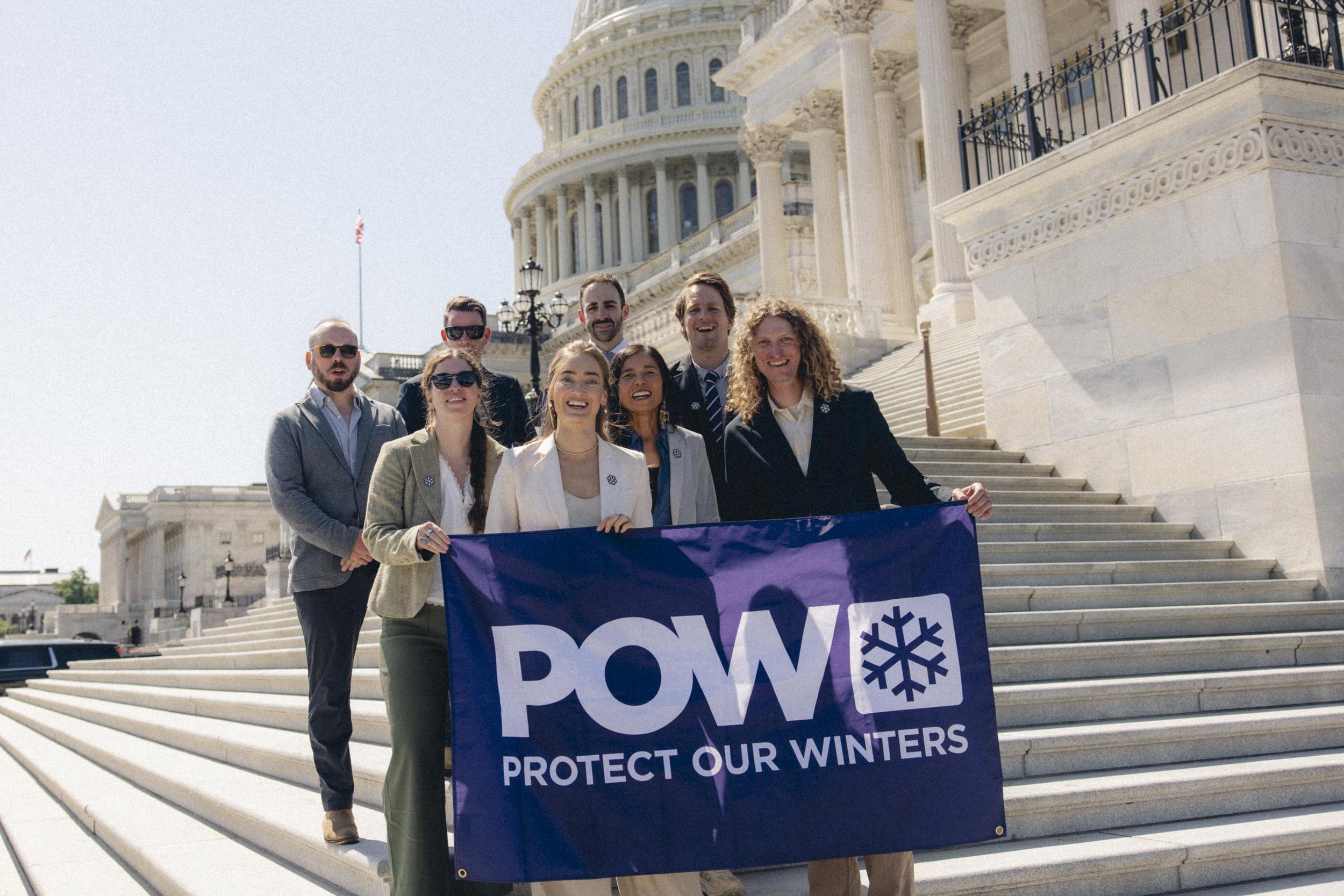
In the morning, lawmakers joined members of Protect Our Winters (POW), a non-profit organization representing athletes, scientists, and business leaders, for a press conference on the Capitol lawn. Senator Whitehouse addressed the crowd, emphasizing that the Trump-era EPA had "fully abandoned its decades-long duty." He framed the EHRA as a "jumpstart" to a multi-year process of restoring the scientific integrity of the agency.

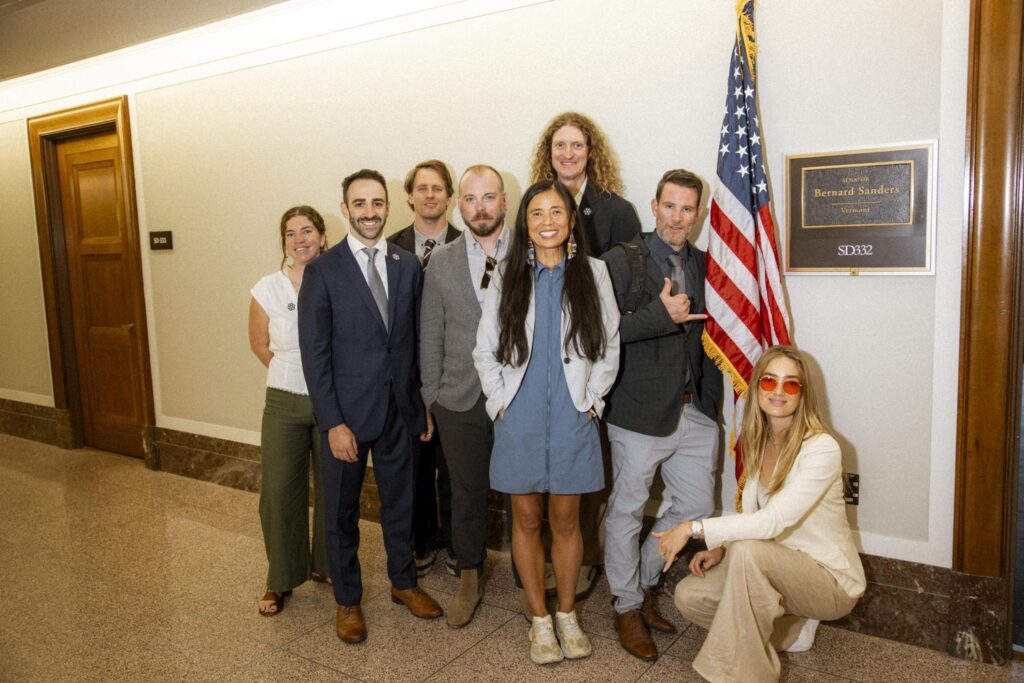
Following the press conference, the coalition moved into the halls of Congress. Advocacy teams met with five key congressional offices, including those of Representative Andrew Garbarino (R-NY), Representative Maxine Dexter (D-OR), and Senators Bernie Sanders (I-VT), Jeff Merkley (D-OR), and Ron Wyden (D-OR). The inclusion of Republican Representative Garbarino was a deliberate move to signal that environmental health remains a concern that transcends party lines, particularly for districts reliant on tourism and outdoor industries.
Supporting Data: The Economic and Health Imperatives
The push for the EHRA is supported by a growing body of data regarding the economic value of the outdoor recreation industry and the rising costs of pollution-related health issues. According to the U.S. Bureau of Economic Analysis (BEA), the outdoor recreation economy accounts for $1.1 trillion in annual economic output, supporting nearly 5 million jobs. This sector—comprising skiing, hunting, fishing, and tourism—is uniquely sensitive to changes in air quality and water purity.
Furthermore, the American Lung Association’s "State of the Air" reports have consistently shown that millions of Americans live in counties with failing grades for ozone or particle pollution. The EHRA’s focus on "science-based safeguards" is designed to mitigate these health risks. For example, the bill targets the reduction of PM2.5 (fine particulate matter), which has been linked to increased hospitalizations for asthma and cardiovascular diseases. By empowering the EPA to enforce stricter limits based on current medical research, the legislation aims to reduce the long-term healthcare burden on the federal government and private citizens.
Perspectives from the Front Lines of Climate Change
The involvement of professional athletes like climber Tommy Caldwell provided a narrative weight to the legislative arguments. During the press event, Caldwell shared observations from his decades spent in high-altitude environments, noting that glaciers are shrinking at an "accelerated pace" and that volatile air quality has begun to disrupt training and local mountain economies.

"A stronger, more durable EPA is essential for clean air, clean water, and a strong, healthy community," Caldwell stated, echoing the sentiments of a coalition that included the League of Conservation Voters (LCV), the Surfrider Foundation, the Natural Resources Defense Council (NRDC), and the Southern Utah Wilderness Alliance.
Ben Gubits, Vice President of Advocacy and Campaigns for POW, highlighted the broader implications of the bill. He argued that rolling back protections has "real consequences for the places and experiences that define the outdoor community." The EHRA, according to Gubits, "draws a clear line" that prioritizes public health over the interests of industrial polluters.
Broader Impact and the Long-Term Legislative Strategy
Despite the high-profile introduction and the broad coalition of support, the architects of the EHRA are realistic about its immediate prospects. Current congressional dynamics and the upcoming election cycle make the passage of major environmental legislation unlikely in the short term. Supporters of the bill have openly stated that they are "playing the long game," with a realistic window for passage potentially not opening until 2029 during the 120th Congress.
This "long game" strategy involves several phases:

- Establishing the Record: By introducing the bill now, proponents are building a legislative history and a record of support that can be cited in future sessions.
- Coalition Building: The inclusion of diverse groups—from surfers to scientists—is intended to create a "durable coalition" that can withstand changes in the political climate.
- Voter Education: The bill serves as a tool for organizing power, allowing advocates to ask constituents to contact their lawmakers and demand a commitment to "people over polluters."
The EHRA is not just a single piece of legislation; it is a framework for how environmental policy might be structured in a post-Chevron world. By shifting the burden of specificity from the agency back to Congress, the bill represents a paradigm shift in how federal protections are managed.
Analysis of Implications for the Regulatory Environment
If eventually passed, the EHRA would represent the most significant expansion of EPA authority since the Clean Air Act Amendments of 1990. It would likely lead to a surge in new rulemaking regarding carbon emissions, water runoff from industrial sites, and the regulation of "forever chemicals" like PFAS.

However, the bill also faces significant opposition from industrial groups and some conservative lawmakers who argue that over-regulation stifles economic growth and increases energy costs. Critics often point to the potential for "regulatory overreach" and argue that states should have more autonomy in managing their environmental standards.
The EHRA counters this by emphasizing that pollution "doesn’t respect state lines." Wildfire smoke from the West affects air quality in the East; nitrogen runoff in the Midwest affects the Gulf of Mexico. The bill’s proponents argue that only a federal agency with restored and codified authority can manage these interstate challenges effectively.

Conclusion: The Road to 2029
The introduction of the Environmental Health Restoration Act marks the beginning of a sustained effort to re-solidify the foundations of American environmental law. While the legislative path forward is fraught with political hurdles, the coalition of lawmakers, athletes, and scientists remains committed to the vision of a "durable" EPA.
As the 118th Congress continues, the focus of the EHRA’s supporters will shift from introduction to expansion, seeking more co-sponsors and building the public pressure necessary to move the bill through the committee process in future sessions. The ultimate goal is to ensure that the protections for the nation’s air, water, and climate are no longer subject to the "unraveling" that occurs with every change in presidential administration, but are instead anchored in the permanent law of the land.
