

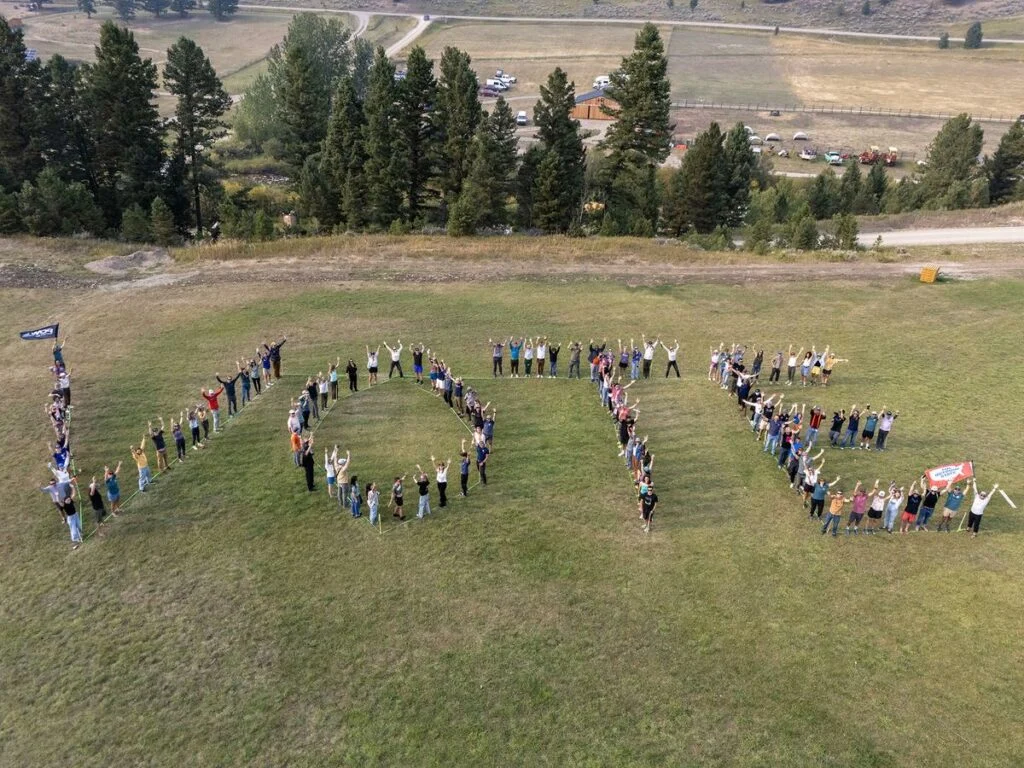
In a strategic pivot toward the 2026 legislative cycle, the non-profit advocacy group Protect Our Winters (POW) has announced a comprehensive mobilization initiative aimed at galvanizing the "Outdoor State"—a demographic comprising millions of outdoor enthusiasts—to influence federal and local climate policy. The organization, founded by professional snowboarder Jeremy Jones and led by a coalition of athletes, scientists, and business leaders, is framing the upcoming midterm elections as a critical juncture for the future of public lands and environmental protections. By targeting a massive, yet often politically underutilized, segment of the American electorate, POW seeks to transform the recreational community into a disciplined voting bloc capable of shifting the balance of power in Washington and state capitals across the country.
The initiative comes at a time when environmental advocates report a significant increase in the deregulation of natural resources and a slowing of climate-related legislative momentum. According to POW, the last 18 months have witnessed some of the most aggressive rollbacks of public land protections and climate regulations in modern history. These shifts have included the streamlining of permits for fossil fuel extraction, the downsizing of protected areas, and modifications to the National Environmental Policy Act (NEPA) that advocates argue limit public oversight. The organization maintains that these policy changes occur primarily when lawmakers do not feel accountable to the constituencies that utilize public lands for recreation, clean water, and local economic stability.
Defining the Outdoor State: A Massive Economic and Political Bloc
The cornerstone of the POW strategy is the activation of the "Outdoor State," a term the organization uses to describe the collective power of skiers, climbers, hikers, paddlers, mountain bikers, and anglers. While often viewed through a lifestyle lens, this demographic represents a significant economic force. According to the U.S. Bureau of Economic Analysis (BEA), the outdoor recreation economy accounted for $1.1 trillion in economic output in 2022, representing 2.2% of the U.S. Gross Domestic Product (GDP). This sector supports nearly five million jobs across various industries, including manufacturing, retail, and tourism.
Despite this economic footprint, the outdoor community has historically lacked the unified political coordination seen in other major industries. POW aims to bridge this gap by reaching 45 million eligible voters ahead of the 2026 midterms. This target represents a substantial portion of the American electorate; for context, approximately 240 million people were eligible to vote in the 2020 general election. By focusing on the 45 million individuals who identify with outdoor recreation, POW intends to make clean air, water, and climate resilience defining issues that lawmakers can no longer afford to ignore.
The 2026 Midterm Landscape and Legislative Context
The focus on the 2026 midterms is a calculated response to the cyclical nature of American politics. While presidential elections often garner the highest voter turnout and media attention, midterm elections are historically where the trajectory of environmental policy is decided. Midterms determine the composition of the U.S. Senate and House of Representatives, as well as governorships and state legislatures, which hold significant sway over land use, energy permits, and conservation funding.
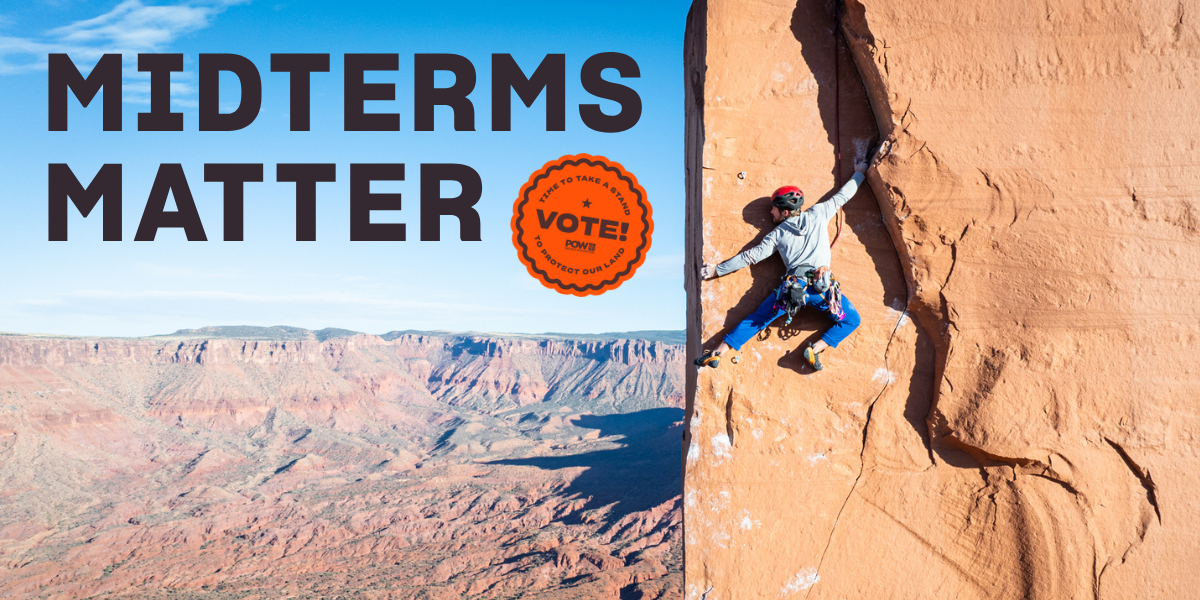
The "Shift Who Decides" campaign is a direct response to the legislative environment of 2023 and 2024. During this period, several key environmental protections faced challenges. For instance, the implementation of the Inflation Reduction Act (IRA)—the largest climate investment in U.S. history—has faced continuous scrutiny and attempts at repeal or defunding in various congressional committees. Furthermore, the expansion of oil and gas leasing on federal lands, including controversial projects in the Arctic and the Mountain West, has signaled to environmental groups that existing protections are more fragile than previously assumed.
POW’s leadership argues that the systemic dismantling of climate policy can only be countered through consistent voter turnout. The organization points to the 2022 midterm elections as a proof of concept. In 2022, voter turnout exceeded 52% of the voting-age population, marking one of the highest turnout rates for a midterm election in nearly half a century. POW seeks to build on this momentum, operating on the theory that in many swing districts, the "margin of victory" is smaller than the number of outdoor enthusiasts living within those jurisdictions.
Strategic Execution: Education, Registration, and Activation
To achieve its goal of reaching 45 million voters, Protect Our Winters is deploying a multi-faceted campaign that blends digital advocacy with grassroots organizing. The strategy includes:
- Voter Registration and Verification: Utilizing digital tools to help recreationists check their registration status, update their information, and navigate state-specific voting laws. This is particularly relevant in states with high outdoor participation, such as Colorado, Montana, Nevada, and New Hampshire, where voting laws have undergone recent revisions.
- The "Backcountry Guide" Model: POW positions itself as a "guide" to the political process, simplifying complex legislative jargon into actionable information. This includes "voter guides" that score candidates based on their records regarding public land management, carbon emissions targets, and support for the renewable energy transition.
- Athlete and Influencer Engagement: Leveraging its "Alliance" of professional athletes to reach younger demographics who may be prone to political apathy. By framing voting as a form of "training" or "preparation" for the future of their sports, the organization seeks to increase engagement among Gen Z and Millennial voters.
- Local and Regional Focus: Recognizing that many land-use decisions are made at the local level, POW is increasing its presence in town halls and state-level legislative sessions, advocating for policies that protect local watersheds and winter tourism economies.
Stakeholder Reactions and Industry Sentiment
The move by POW has been met with support from various sectors of the outdoor industry. Trade groups like the Outdoor Industry Association (OIA) have long advocated for the recognition of the "recreation economy" as a bipartisan priority. Many business leaders in the ski and outdoor retail sectors have expressed concern that erratic weather patterns and shorter winters—driven by climate change—pose an existential threat to their bottom lines.
"The outdoor industry is no longer just a weekend hobby; it is a pillar of the American economy," said one industry analyst familiar with the campaign. "Protect Our Winters is essentially trying to professionalize the political voice of this industry. They are arguing that if you care about the snow on the mountains or the water in the rivers, you have to care about who is drafting the regulations in Washington."
Conversely, some critics of the initiative argue that the focus on "shifting who decides" may alienate voters in regions where the economy remains heavily dependent on traditional energy extraction. Balancing the transition to a green economy while maintaining the support of diverse outdoor enthusiasts—some of whom work in the energy sector—remains one of the organization’s most significant challenges.

Analysis of Implications: The Power of Thin Margins
The analytical core of POW’s argument rests on the concept of "thin margins." In political science, many high-stakes elections are decided by less than one or two percentage points. In several key states during the 2022 midterms, the margin of victory was fewer than 20,000 votes. When compared to the hundreds of thousands of registered hunters, skiers, and hikers in those same states, the potential for the "Outdoor State" to act as a kingmaker becomes clear.
By focusing on these margins, POW is shifting the narrative from a broad, national ideological struggle to a targeted, data-driven mobilization. The organization is betting that the shared value of "wild places" can transcend traditional partisan divides, uniting a diverse group of voters under the banner of conservation and climate resilience.
Furthermore, the 2026 midterms will serve as a litmus test for the durability of the climate movement. If POW and its partners can successfully mobilize 45 million voters, it would signal to both parties that environmental protection is a "third rail" of American politics—an issue that, if touched or ignored, carries severe electoral consequences.
Looking Toward 2026
As the 2026 midterm cycle approaches, Protect Our Winters is signaling that it will not rely on "hope" or "apathy" to protect the environments its members cherish. Instead, the organization is treating the election with the same rigor and preparation that a professional mountaineer applies to a peak. The "Shift Who Decides" campaign represents a maturation of environmental advocacy, moving away from simple awareness and toward a sophisticated, numbers-based approach to political power.
The upcoming years will likely see an intensification of this effort, with increased digital advertising, localized "summit" events, and a persistent presence in the media. For the outdoor community, the message is clear: the health of the planet and the preservation of public lands are no longer guaranteed by their beauty alone; they are guaranteed by the ballot box. As the organization concludes its initial announcement, the focus remains on the "crimp"—the small, decisive action of voting that can prevent a "whipper" or a catastrophic fall in environmental progress. The rollbacks of the past 18 months have set the stage, and for Protect Our Winters, the climb to the 2026 midterms has officially begun.
