

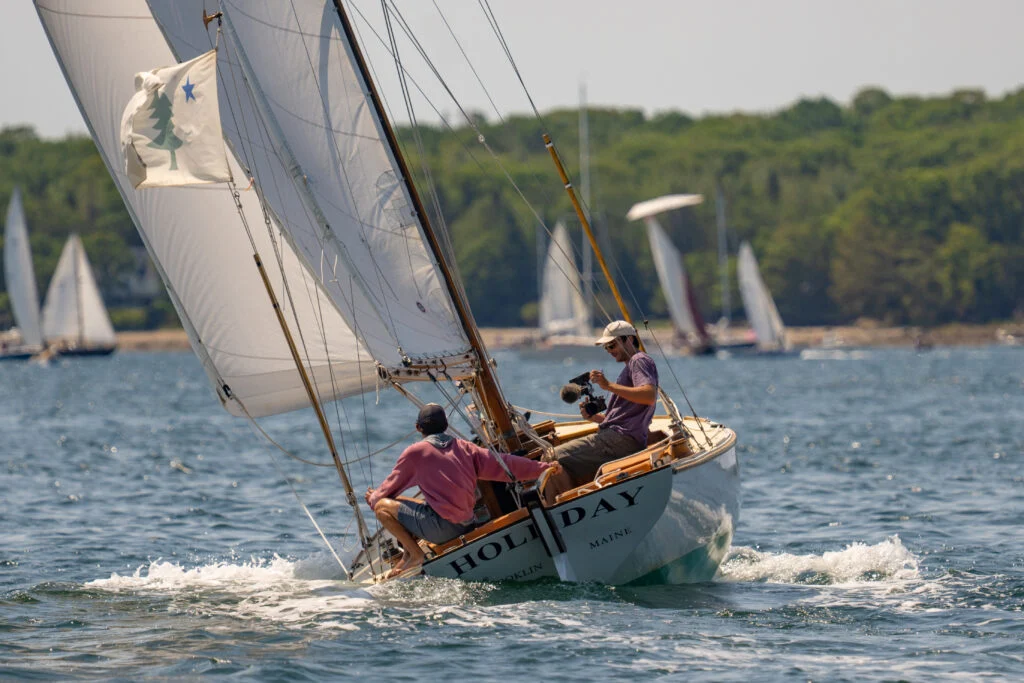
The release of the documentary film Steward·ship marks a significant collaboration between Luke Kaneb, a member of the Protect Our Winters (POW) Creative Alliance, and Luc Milam, a Maine-based sailor and traditional boat enthusiast. The project, which centers on Milam’s relationship with his wooden vessel, Holiday, serves as an exploration of the responsibilities inherent in interacting with wild spaces. By documenting the labor-intensive upkeep of a historic ship and the subsequent exploration of Maine’s archipelago, the film posits that environmental conservation is an active, daily practice rather than a passive sentiment. Through the lens of the POW Creative Alliance—a group of professional athletes, scientists, and creatives dedicated to climate advocacy—the film seeks to bridge the gap between individual craftsmanship and global environmental stewardship.
The Genesis of the Collaboration
The film originated not from a planned environmental campaign, but from a shared appreciation for manual labor and traditional skills. Luke Kaneb, whose background involves documenting the intersection of human endeavor and the natural world, was initially drawn to Luc Milam’s dedication to the physical maintenance of his vessel. The two met through mutual acquaintances at a time when Milam was engaged in the rigorous process of sanding down his wooden boat during the winter months.
Kaneb noted that the impetus for the film was Milam’s commitment to "doing stuff"—specifically, the "grit" required to maintain a wooden ship in the harsh Maine climate. This observation led to a deeper investigation into how the care of a single object can expand into the care of an entire ecosystem. For Kaneb, the project was also a personal tribute to the maritime traditions of Maine, influenced by his late uncle who lived on a Maine island and introduced him to the world of sailing. This personal connection underscores the film’s theme of intergenerational knowledge and the preservation of coastal heritage.
Chronology of the Holiday and Milam’s Transition
The narrative of the film is inextricably linked to Luc Milam’s personal journey from the corporate sector to the Maine coast. Milam’s trajectory reflects a broader demographic shift seen during the early 2020s, as individuals sought more tangible connections to their environment.
- The Professional Shift: Milam originally pursued a career path in finance and business. However, he eventually transitioned to a more transient lifestyle, living in a van in Washington State with intentions to travel to Alaska.
- The COVID-19 Pivot: In 2020, the closure of the U.S.-Canada border due to the COVID-19 pandemic forced a change in plans. Milam redirected his efforts toward the East Coast, specifically Maine, where he secured a position on a 130-foot schooner.
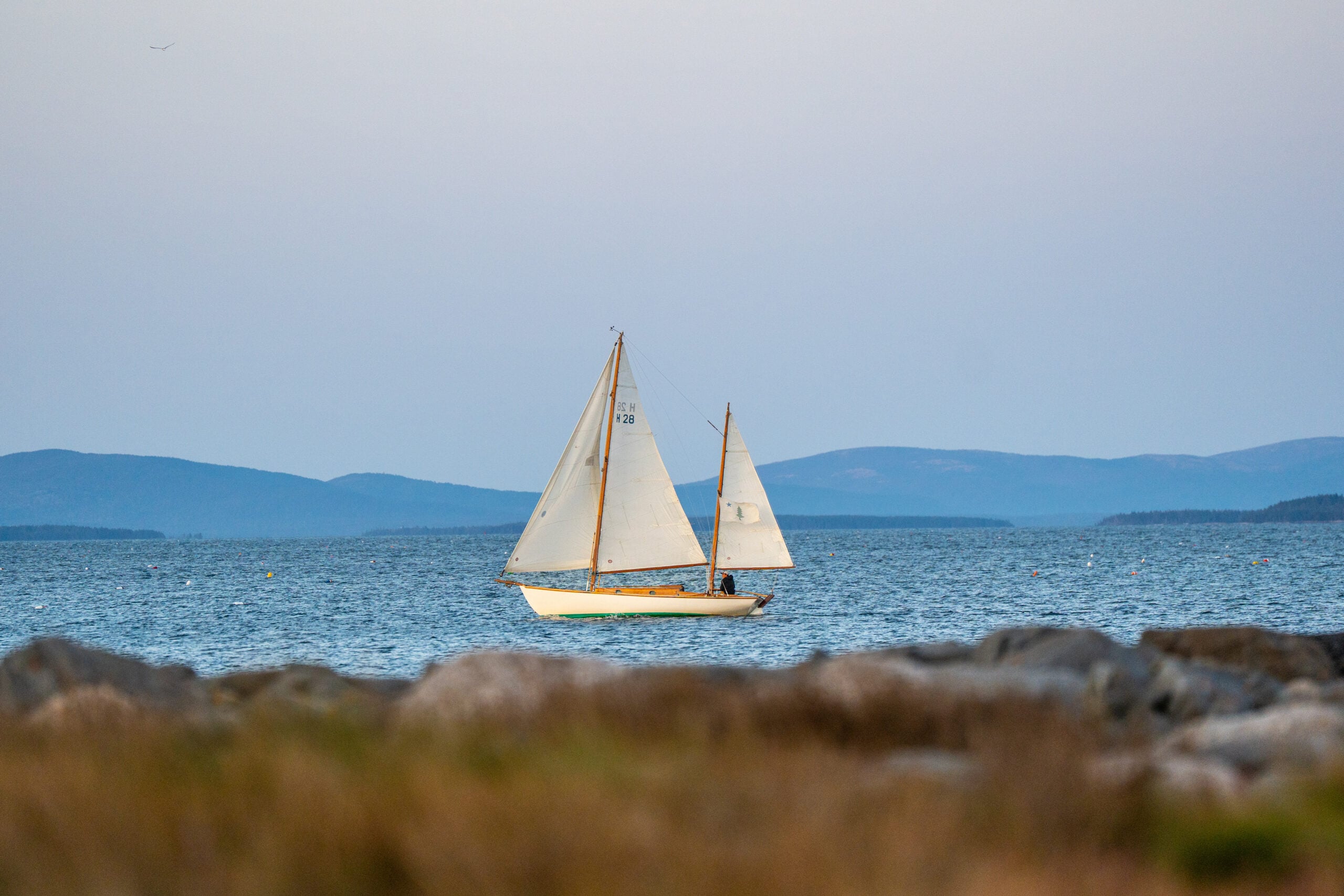
- The Acquisition of Holiday: After gaining experience on larger vessels, Milam purchased a small fiberglass boat before deciding to commit to the traditional craft of wooden boat ownership. He discovered Holiday, a wooden ship, on Facebook Marketplace. Despite initial financial constraints, he negotiated a long-term payment plan with the previous owner, who was eager to see the boat passed down to a younger generation committed to its preservation.
- The Stewardship Phase: Milam spent several years living aboard the vessel during the summers and working on it year-round. This period of intense labor and financial sacrifice culminated in the final payment for the boat just months before the film’s completion.
Environmental Context: The Maine Coast and the Gulf of Maine
The film’s setting is not merely a backdrop but a central character. Maine’s coastline is one of the most complex and ecologically significant in the United States. According to data from the Maine Coastal Program, the state boasts over 4,000 islands and a tidal coastline that stretches approximately 3,500 miles when including all islands and inlets.
This region is currently facing unprecedented environmental challenges. Scientific data from the Gulf of Maine Research Institute (GMRI) indicates that the Gulf of Maine is warming faster than 99% of the world’s oceans. This rapid warming has significant implications for local biodiversity, the lobster industry, and the long-term stability of the island ecosystems that Milam and Kaneb highlight in the film. By focusing on stewardship, the film addresses the necessity of protecting these wild spaces in the face of systemic climate change. The "wildness" of these islands, as the film suggests, is a privilege that requires active maintenance to ensure its availability for future generations.
The Philosophy of Stewardship and Interconnectedness
At the core of Steward·ship is the argument that the care of an object, such as a wooden boat, serves as a metaphor for broader environmental responsibility. Milam describes this as a "connected system" where the fulfillment derived from maintaining a vessel naturally extends to the maintenance of the environment in which that vessel operates.
This ethos aligns with the mission of Protect Our Winters, which encourages outdoor enthusiasts to leverage their passion for wild spaces into political and social action. The film suggests that by becoming a "steward" rather than a "tourist," individuals can develop a deeper sense of belonging and agency. This transition is characterized by a "leap of faith," such as volunteering for local conservation organizations or engaging in community-led cleanup efforts. Milam posits that while individual actions—like removing a lobster buoy from a beach—may not single-handedly solve global climate change, the cumulative effect of a community engaged in stewardship creates a significant impact.
Intergenerational Mentorship and the Preservation of Craft
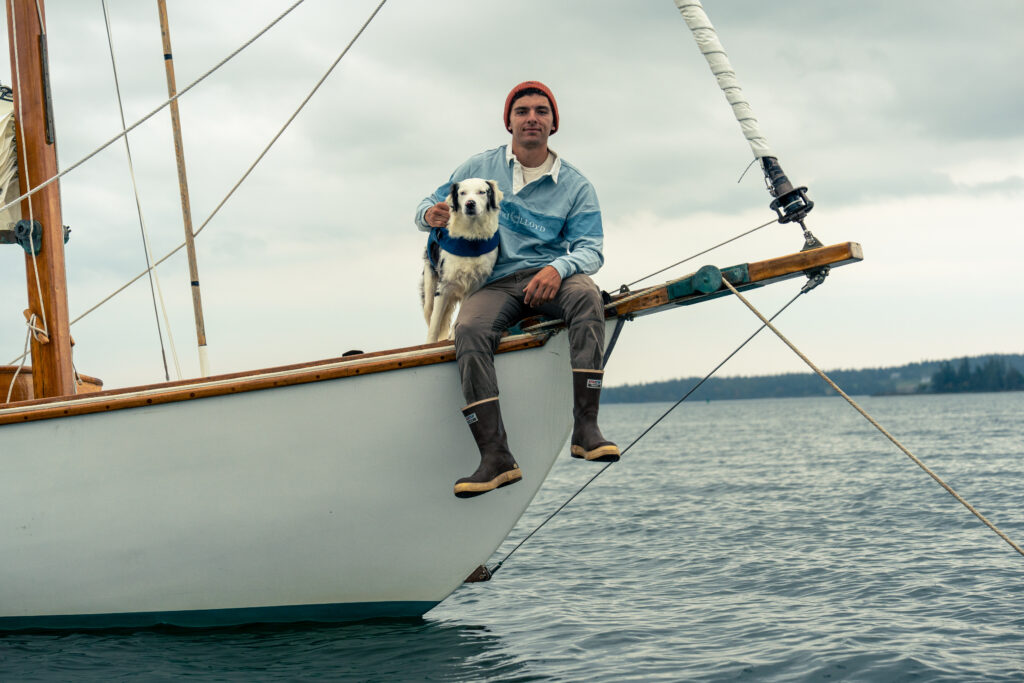
A critical element of the film is the role of mentorship in preserving both the environment and the skills necessary to navigate it. Milam highlights his relationship with Maynard Bray, a 93-year-old figure in the maritime community. Bray, a former employee of Mystic Seaport in Connecticut, has dedicated his life to the preservation of wooden boats and continues to sail solo.
The inclusion of Bray in the narrative serves several purposes:
- Validation of the Ethos: Bray’s longevity and continued activity are presented as evidence of the fulfillment found in lifelong stewardship.
- Knowledge Transfer: The film emphasizes that crafts like wooden boat building and traditional sailing are at risk of disappearing. Mentors like Bray provide the essential link between historical practices and modern conservation efforts.
- Cultural Grit: Kaneb and Milam both point to the "grit" of the "old salts" in Maine—individuals who work with their hands and look out for their neighbors not because it is trendy, but because it is a fundamental part of their identity.
Broader Implications and Analysis of Localized Action
The film arrives at a time when "climate anxiety" is increasingly prevalent among younger generations. Steward·ship offers a pragmatic response to this psychological burden by advocating for localized, tangible action. Kaneb references the concept of "starting in your own backyard," suggesting that effective change begins with the people and places immediately accessible to an individual.
From a journalistic perspective, the film reflects a growing movement within environmentalism that prioritizes "place-based" conservation. By focusing on the specific beauty and challenges of the Maine islands, Kaneb and Milam provide a relatable entry point for viewers who may feel overwhelmed by the scale of global ecological crises. The film’s focus on the "hedonistic joy" of stewardship—the idea that caring for the environment is a rewarding and enjoyable pursuit—is a strategic shift away from the doom-and-gloom narratives that have historically dominated climate communication.
Furthermore, the collaboration with the POW Creative Alliance ensures that the film’s message reaches a diverse audience of outdoor enthusiasts, from skiers to sailors. This cross-disciplinary approach is essential for building a broad coalition of advocates who are committed to protecting the "truly wild spaces" that are increasingly under threat.
Conclusion
Steward·ship is more than a documentary about a wooden boat; it is a case study in how individual passion can be channeled into communal and environmental good. Through the experiences of Luc Milam and the vision of Luke Kaneb, the film demonstrates that the grit and dedication required to maintain a historic vessel are the same qualities needed to protect the Maine coast. As the Gulf of Maine continues to face environmental pressures, the film’s message—that you get back what you put in—serves as both a call to action and a roadmap for future generations of stewards. By highlighting the intergenerational bonds and the tangible rewards of conservation, Steward·ship reinforces the idea that the preservation of our natural world is a craft that must be practiced daily.
