

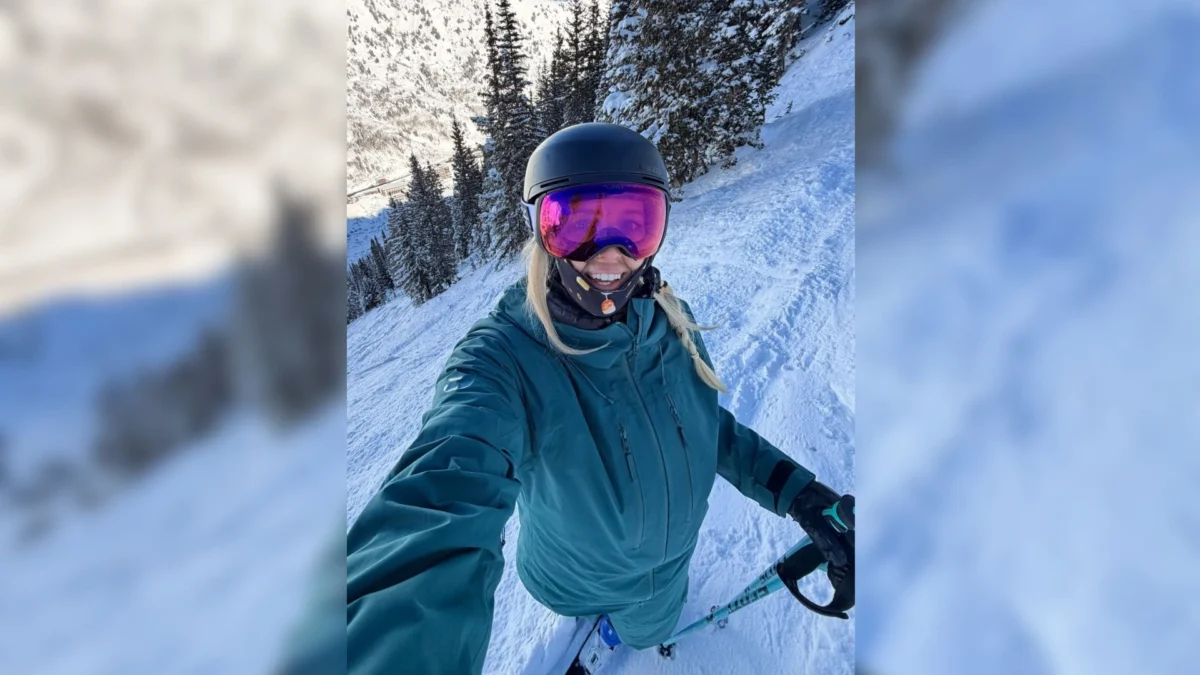
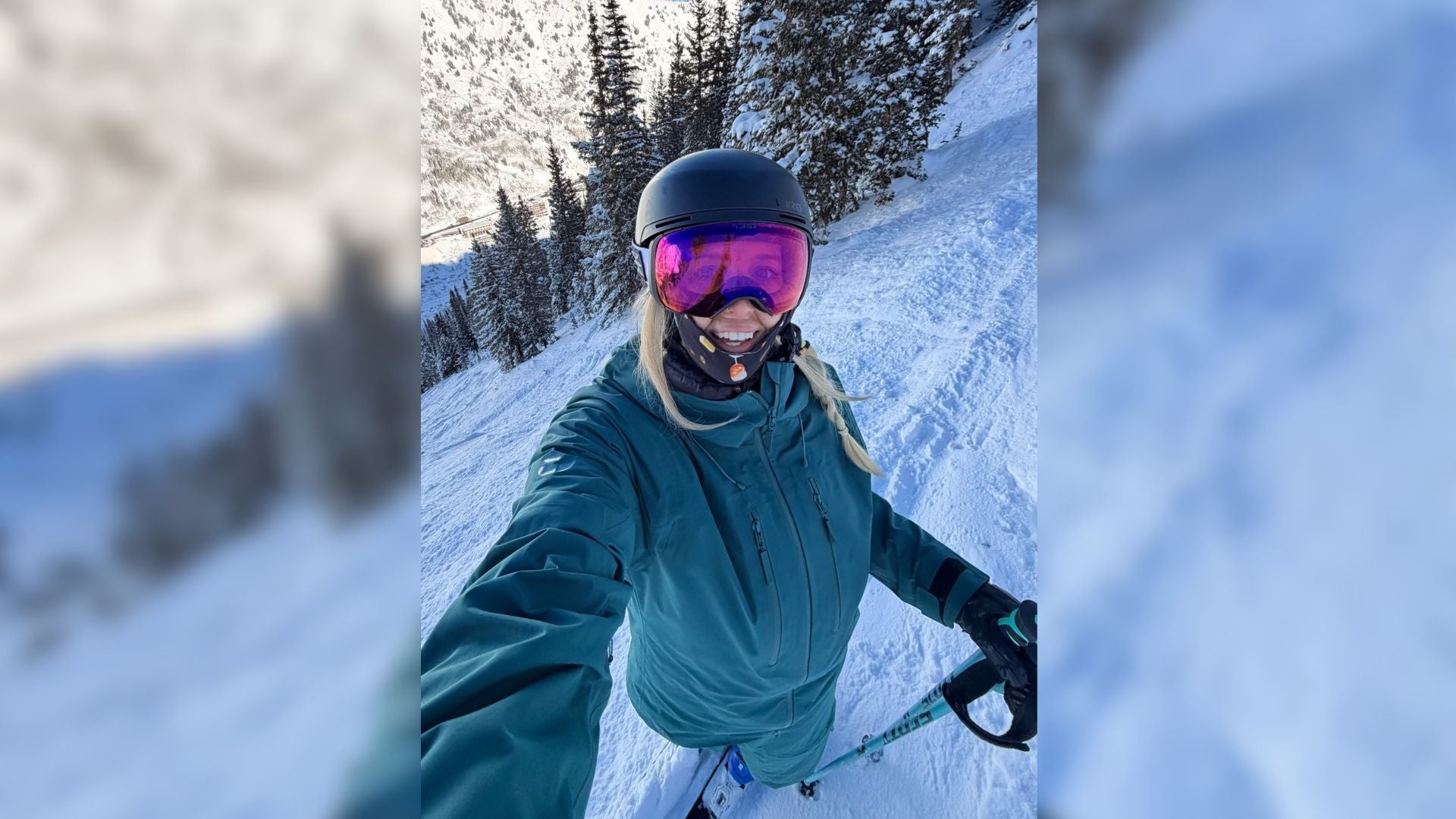
On the final day of the annual SKI magazine equipment evaluation in February 2026, a veteran gear tester experienced a high-side fall while maneuvering carving skis in variable snow conditions. The accident, described as going "over the handlebars," resulted in a direct vertical impact on the crown of the helmet and a subsequent compression of the cervical spine. While the individual initially dismissed the severity of the strike, the following 24 hours revealed a significant medical reality. Within days, a clinical diagnosis confirmed a concussion and a related neck injury, leading to months of debilitating symptoms including chronic headaches, light and sound sensitivity, and disrupted sleep patterns caused by radiating pain from the base of the skull.
This incident serves as a critical case study for the winter sports community regarding the lifecycle of protective headgear. Despite the helmet in question being a brand-new model with no visible external fractures, scuffs, or structural deformities, its internal integrity was compromised beyond the point of safety. The "one-hit wonder" nature of high-performance helmets is a reality dictated by biomechanical engineering and the physical properties of energy-absorbing materials.
The Biomechanics of Impact: Why Helmets Are One-Hit Wonders
The primary component responsible for protection in nearly all modern ski and snowboard helmets is a layer of expanded polystyrene (EPS) foam. This material is engineered specifically to absorb kinetic energy during a collision through a process of permanent deformation. When a head strikes a hard surface—be it ice, hardpack snow, or a physical obstacle—the EPS foam compresses to slow the deceleration of the skull, thereby reducing the force transmitted to the brain.
Dr. Madelen Fahlstedt, a biomechanical specialist at MIPS and a researcher with a doctorate in medical engineering from Sweden’s KTH Royal Institute of Technology, notes that this deformation is designed to be irreversible. "The outer shell can hide these deformations in the EPS," Fahlstedt explains. "Even from the inside of the helmet, the deformations can be hard to detect."
Because the foam cells are crushed during the initial impact to dissipate energy, they lose their structural "spring" and cannot compress a second time. Consequently, if a helmet is involved in a secondary impact in the same location, the compromised foam will act as a rigid conduit rather than a buffer, transferring the full force of the blow directly to the user’s skull. This makes the replacement of a helmet mandatory after any significant impact, regardless of how "new" or "undamaged" the equipment appears to the naked eye.
Linear vs. Rotational Forces: The Evolution of Concussion Prevention
Traditional helmet safety standards have historically focused on linear acceleration—the force generated when the head hits an object directly and stops abruptly. These forces are the primary cause of skull fractures and catastrophic brain trauma. However, real-world skiing accidents rarely involve perfectly linear impacts.
Most falls occur at a velocity where the skier is moving forward and downward simultaneously, resulting in an angled impact. This creates rotational motion, causing the brain to slide or rotate within the cerebrospinal fluid. Because the brain possesses shear properties similar to gel or water, it is exceptionally sensitive to these rotational forces. Such motion can stretch and tear delicate brain tissues and axons, which is the leading cause of concussions.
To combat this, the industry has shifted toward multi-directional impact protection systems. MIPS (Multi-directional Impact Protection System) is the most prominent of these technologies. Rather than manufacturing helmets, MIPS partners with brands like Smith, Giro, and Salomon to integrate a low-friction layer inside the helmet. This layer allows for 10 to 15 millimeters of omnidirectional movement during the first few milliseconds of an impact. This brief sliding motion is designed to redirect and reduce the rotational energy transferred to the brain.
While no technology can claim to be "concussion-proof," the data supporting helmet use is substantial. A 2022 comprehensive review published by the American Academy of Pediatrics found that skiers and snowboarders utilizing helmets have approximately 34 percent lower odds of suffering a head injury compared to those who do not.
Identifying the Threshold for Replacement
One of the most significant challenges for skiers is determining what constitutes a "significant impact." While a helmet falling off a bench or a minor tap against a chairlift safety bar is unlikely to compromise the EPS foam, any crash that results in a "bell-ringing" sensation, a headache, or visible marks on the helmet shell should be treated as a terminal event for the equipment.
The difficulty lies in the delayed onset of traumatic brain injury (TBI) symptoms. According to the Centers for Disease Control and Prevention (CDC), concussion symptoms may not manifest for hours or even days following the initial trauma. In the case of the February 2026 SKI test crash, the tester felt capable of continuing shortly after the fall, only to face a months-long recovery period once the inflammatory response in the brain and neck fully developed.
Industry experts and manufacturers recommend a three-tiered approach to helmet replacement:
- Post-Crash: Immediate replacement following any fall where the head makes contact with the ground or an object at speed.
- Degradation: Replacement every five years, even without an impact. The materials in the helmet, including the EPS, glues, and resins, can degrade over time due to exposure to UV light, extreme temperature fluctuations, and hair oils.
- Visible Damage: Immediate replacement if the outer shell is cracked, if the inner foam is crumbling, or if the retention system (straps and buckles) shows signs of fraying or mechanical failure.
Evaluating Safety Standards and Ratings
When selecting a replacement helmet, consumers are encouraged to look beyond aesthetics and price points, focusing instead on independent safety certifications. In the United States and Europe, helmets must meet specific minimum requirements:
- ASTM F2040: The most common U.S. standard for non-motorized snow sports.
- CE EN1077: The European standard, which includes Class A (full shell) and Class B (open ear) designations.
However, these certifications are "pass/fail" and do not provide a nuanced view of relative safety. For more detailed data, many experts point to the Virginia Tech Snow Sport Helmet Ratings. This independent laboratory conducts rigorous testing to evaluate how well helmets reduce the risk of concussion across a wide range of impact scenarios. Using a five-star system, the Virginia Tech ratings allow skiers to identify which models provide the best protection against both linear and rotational forces.
In the 2026–2027 season, laboratory tests of 56 popular snow sport helmets revealed that while most passed basic certification, only a select group earned the "Best Available" five-star rating. These ratings often correlate with the inclusion of advanced tech like MIPS, POC’s SPIN, or multi-density foam liners.
The Broader Impact on the Winter Sports Industry
The cultural shift toward universal helmet use has significantly reduced the incidence of skull fractures and scalp lacerations in resort environments. However, the "concussion gap" remains a concern as skiers push for higher speeds and more technical terrain. The case of the SKI magazine tester highlights a critical gap in consumer education: the misunderstanding of helmet longevity.
The financial "sunk cost" of a high-end helmet—often ranging from $200 to $600—frequently discourages skiers from replacing gear that looks functional. Yet, when compared to the medical costs of TBI treatment, physical therapy for neck injuries, and the loss of productivity associated with post-concussion syndrome, the cost of a new helmet is a marginal investment.
As the industry moves into the 2027 season, manufacturers are increasingly exploring "multi-impact" materials, such as Expanded Polypropylene (EPP). Unlike EPS, EPP can recover its shape after minor compressions. However, even EPP-based helmets have limits and are generally designed to handle only a few low-energy hits before requiring replacement.
Ultimately, the consensus among biomechanical engineers and medical professionals is clear: a helmet is a sacrificial piece of safety equipment. Its value is realized in the moment it is destroyed to protect the wearer. For the tester at the SKI annual event, the helmet performed exactly as intended. It absorbed a force that might otherwise have resulted in a life-altering injury. By retiring the compromised gear, the skier ensures that their next day on the mountain is protected by the full, uncompromised integrity of modern engineering.
