

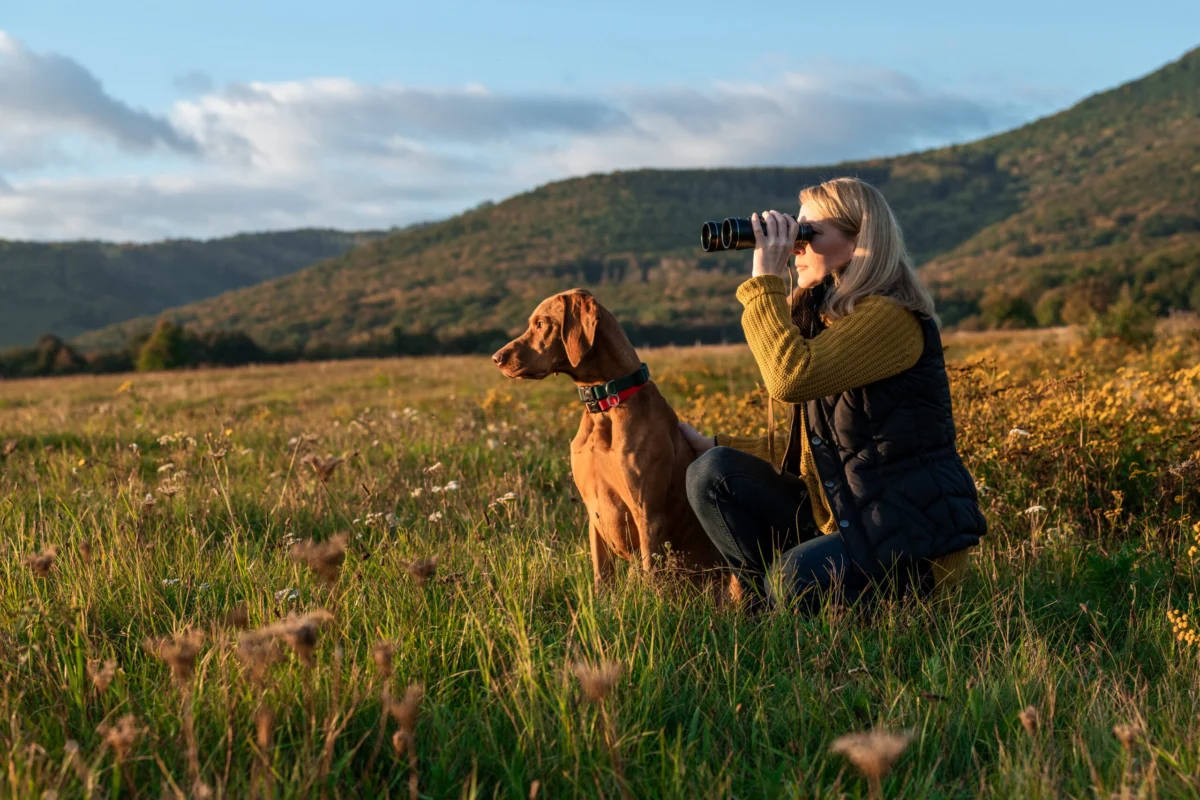
The Outdoor Industry Association (OIA) has released its comprehensive 2026 Birdwatching and Wildlife Viewing Report, signaling a transformative shift in the landscape of nature-based recreation. According to the findings, birdwatching has emerged as the fastest-rising pursuit within the outdoor sector, outpacing several traditional activities that have long dominated the market. This surge is not merely a statistical anomaly but represents a fundamental change in how consumers interact with the natural world, creating a robust ripple effect across the broader outdoor economy. The report details how the convergence of a surging base of new birdwatchers with a deeply established wildlife viewing audience is opening unprecedented avenues for growth in sectors ranging from high-end optics and technical apparel to specialized travel and conservation-focused retail.
The data underscores a significant demographic evolution. While the "birder" profile was historically characterized by an older, more stationary demographic, the modern enthusiast is increasingly active, affluent, and multi-disciplinary. These participants are no longer confined to the single activity of observation; they are frequently the same consumers who drive demand for hiking gear, camping equipment, and fishing tackle. As the outdoor industry looks toward the latter half of the decade, the 2026 report serves as a strategic roadmap for brands and retailers aiming to capture the loyalty of this highly engaged and financially capable segment of the population.
The Economic Impact and Market Trajectory
The economic implications of birdwatching and wildlife viewing are vast. According to recent figures from the U.S. Fish and Wildlife Service, which align with the OIA’s broader market analysis, wildlife-related recreation contributes over $390 billion to the U.S. economy annually. Within this sphere, "non-consumptive" wildlife viewing—which includes birding—has seen the most aggressive growth. The 2026 report indicates that the market for specialized optics, such as binoculars and spotting scopes, has experienced a compound annual growth rate (CAGR) that exceeds that of traditional hunting optics for the first time in history.
Retailers are witnessing a shift in purchasing patterns. High-performance outdoor apparel, once marketed strictly to mountaineers or long-distance hikers, is now being redesigned to meet the specific needs of wildlife observers who require durability, weather resistance, and "stealth" features such as muted colors and silent fabrics. Furthermore, the report highlights that birdwatchers are among the most consistent spenders in the outdoor market, with a high lifetime value due to their ongoing investment in better equipment, travel to remote habitats, and subscription-based digital tools.
Chronology of the Birding Boom: From Niche to Mainstream
The ascent of birdwatching to its current status as a market powerhouse did not happen overnight. Its trajectory can be traced through several distinct phases over the last two decades:
- The Digital Transition (2005–2015): The introduction of digital photography and the rise of citizen science platforms like eBird and iNaturalist began to lower the barrier to entry. What was once a hobby dependent on expensive, heavy field guides and niche social circles became accessible to anyone with a smartphone and a basic camera.
- The Pandemic Catalyst (2020–2022): The COVID-19 pandemic served as a massive accelerant. With traditional gyms, indoor entertainment, and group sports restricted, millions of people turned to their immediate surroundings for solace and recreation. "Backyard birding" became a global phenomenon, leading to a record-breaking spike in bird feeder and seed sales.
- The Tech-Integration Era (2023–2025): The integration of Artificial Intelligence (AI) into apps like Merlin Bird ID allowed beginners to identify species through sound and photos with near-perfect accuracy. This removed the "frustration barrier" for younger generations, leading to a demographic shift where Millennials and Gen Z began participating in birding at rates previously unseen.
- The Strategic Market Pivot (2026): As reflected in the current OIA report, the industry has moved from reacting to this growth to proactively designing products and marketing strategies specifically for this audience. Birding is no longer a "side activity" but a primary driver of outdoor retail strategy.
Demographic Profiles and Consumer Behavior
One of the most critical insights from the 2026 report is the profile of the modern wildlife viewer. Contrary to the stereotype of the solitary observer, the report finds that today’s birdwatchers are social, tech-savvy, and highly mobile. The "affluent" label remains accurate; birdwatchers often have higher-than-average disposable income, which they are willing to invest in premium experiences and equipment. However, the age bracket has widened significantly.
The report identifies a "cross-over" consumer—the individual who enters the outdoor market through one activity, such as hiking, but adopts birdwatching as a way to enrich their time on the trail. This group is particularly valuable to retailers because they require a hybrid kit: lightweight, breathable clothing for the hike, but specialized optics and quiet gear for the observation phase.
"The modern wildlife enthusiast is the ultimate multi-sport athlete," says an industry analyst cited in the summary. "They aren’t just looking at birds; they are trekking five miles into a wilderness area to find a specific species. They need the same quality of footwear as a through-hiker and the same moisture-wicking layers as a trail runner."
Industry Responses and Strategic Implementation
In response to these findings, major brands in the outdoor space are adjusting their product development pipelines. Optics manufacturers, once heavily focused on the tactical and hunting markets, are now launching "lifestyle" lines that prioritize ergonomics, color fidelity, and ease of use for birding.
Retailers are also rethinking floor space. Where birding supplies were once relegated to a small corner near the gardening section, they are now being integrated into the core "adventure" sections of flagship stores. This includes the introduction of "viewing stations" where customers can test binoculars under various light conditions and "smart" birding technology displays that showcase AI-enabled feeders and high-tech trail cameras.
Furthermore, the OIA report suggests that the "experience economy" is a major growth area. Outdoor outfitters are increasingly partnering with conservation groups to offer guided "birding tours" and "wildlife photography workshops." These services provide a dual benefit: they generate additional revenue for the retailer and foster a deeper emotional connection between the consumer and the brand.
Analysis of Implications for Conservation and Policy
The rise of birdwatching as a dominant force in the outdoor market has implications that extend far beyond retail sales. It represents a shift in the political and social influence of the outdoor community. As birdwatchers and wildlife viewers become a larger percentage of the outdoor-spending population, their priorities regarding land use and conservation are gaining more weight in policy discussions.
Historically, the "Hook and Bullet" community (hunters and anglers) has been the primary financial supporter of conservation through the sale of licenses and federal excise taxes on gear. However, the 2026 report suggests that birdwatchers are becoming a significant secondary pillar of conservation funding. The "Birding Economy" is increasingly vocal about habitat preservation, the protection of migratory corridors, and the expansion of public lands for non-extractive use.
This shift is likely to lead to new legislative efforts. There is growing discussion within the industry regarding a "backpack tax"—a small excise tax on non-hunting outdoor gear—that would mirror the Pittman-Robertson Act, providing a dedicated stream of funding for wildlife conservation driven by the very birdwatchers and hikers who use these lands.
Technological Advancements Driving the Market
Technology remains a cornerstone of the 2026 market outlook. The report highlights three key technological trends that are fueling the birdwatching surge:
- AI-Powered Identification: Apps have become so sophisticated that they can now identify birds by song in real-time, even in noisy environments. This has turned every smartphone into a professional-grade field guide.
- Smart Hardware: The rise of "smart feeders" equipped with high-definition cameras and motion sensors has brought the experience of wildlife viewing into the home, creating a daily engagement loop that keeps consumers interested in the hobby year-round.
- Digital Citizen Science: Platforms like eBird have gamified birdwatching, allowing users to track their "life lists" and compete with others globally. This social and competitive element is a major draw for younger demographics.
Conclusion and Future Outlook
The 2026 Birdwatching and Wildlife Viewing Report confirms that the outdoor industry is in the midst of a significant reorientation. Birdwatching has transitioned from a fringe, hobbyist pursuit into a central pillar of the outdoor economy. For brands and retailers, the message is clear: the birding audience is no longer an afterthought. It is a sophisticated, high-spending, and rapidly growing demographic that requires specialized products and authentic engagement.
As we move toward the end of the decade, the success of outdoor companies will increasingly depend on their ability to serve this "new" outdoor enthusiast. By understanding the intersection of birding with other activities like hiking and camping, and by leveraging the technological tools that are making wildlife viewing more accessible than ever, the industry is poised for a period of sustainable, nature-based growth. The 2026 report is not just a collection of data; it is a call to action for the outdoor market to embrace a more inclusive and diverse vision of what it means to be an "outdoor person."
